




Get matched with top radon detection and reduction specialists in Pima, AZ
Top-rated radon detection and reduction specialists.

Need a pro for your radon detection and reduction project in Pima, AZ?

Select your specific project to find the pro for you.

Find Radon detection and reduction specialists in Pima

Avatar for Affordable Radon Southwest
Affordable Radon Southwest
4.7(
356
)

Serving Pima, AZ and surrounding areas

Approved

Super Service Award Winner

In business since 2011

Free estimates

Warranties offered

"A potential buyer for a house I was selling had a Radon Test done. It scored a 13.7! Affordable Radon came out and gave me a bid for two systems, one for each side of the house. 3 weeks later the score is 1.1! They did a great job and got rid of the radon from beneath the slab!"
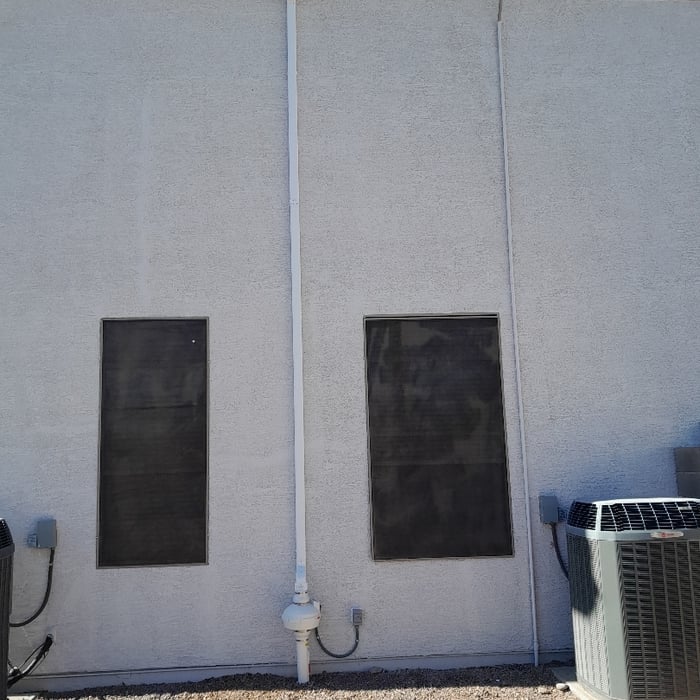
Radon Mitigation System
Radon System

+12

Response time1 day
Response rate89%
5 neighbors recently requested a quote
Radon Detection and Reduction questions, answered by experts

Mitigation reduces radon levels, protecting your health and complying with safety standards.

If high radon levels are detected, steps include sealing entry points, installing a mitigation system, and retesting the air regularly to ensure reduced levels.

The cost for a radon mitigation system typically ranges from $800 to $1,500, with an average around $1,000. The final price depends on several factors, including the size of your home, the severity of the radon issue, and the type of system required. Your home's foundation type also significantly impacts the cost. For example, sealing and ventilating an unfinished basement might cost around $4,600, while encapsulating a crawl space without a foundation slab can range from $1,500 to $15,000.

The soil beneath your house is most likely what’s causing an increased level of radon. This is because soil holds radioactivity for a long time and it’s also what most buildings are built on. Another common source of radon is water from a source that hasn’t been through periodic radon tests, such as well water. Over time, the radon from the soil can inhabit other parts of your house like the foundation or plumbing.

The lifespan of a radon mitigation system depends on the type of system and its maintenance. With proper care, a system can last for many decades. Passive systems tend to last longer as they have fewer components that require replacement. Active systems, which have more moving parts like fans, generally have a shorter lifespan. For instance, water filtration devices and active pressurization systems require more frequent maintenance. While the system as a whole is durable, the radon fan in an active system typically has a lifespan of 5 to 10 years and will need to be replaced. As long as the fan is working, the mitigation system should function correctly.

The Pima, AZ homeowners’ guide to radon detection and reduction services

From average costs to expert advice, get all the answers you need to get your job done.