


Top-rated basement waterproofing pros.

Get matched with top basement waterproofing pros in Duncan, AZ

Enter your zip and get matched with up to 5 pros

Need a pro for your basement waterproofing project in Duncan, AZ?

Select your specific project to find the pro for you.

Find Basement waterproofing pros in Duncan

Basement Waterproofing questions, answered by experts

Some disadvantages of crawl spaces are mostly regarding the air itself—moisture build-up and poor ventilation, which can cause problems both in the house and underneath it, even damaging the foundation itself. Crawl spaces are difficult to access and often invite unwanted pests during the hot summer months and the cold winter ones. These hard-to-seal spaces are also susceptible to water damage during periods of heavy rain or melting snow.

As the first layer of water protection for your roof deck and the building materials below, underlayment is designed to prevent water damage, so it’s okay if it gets wet. However, you shouldn’t rely solely on underlayment for protection. If rain interrupts your roof project and you have all of the underlayment down, you’ll likely be fine, but you should install shingles over that layer as soon as possible, as long-term exposure can lead to water damage.

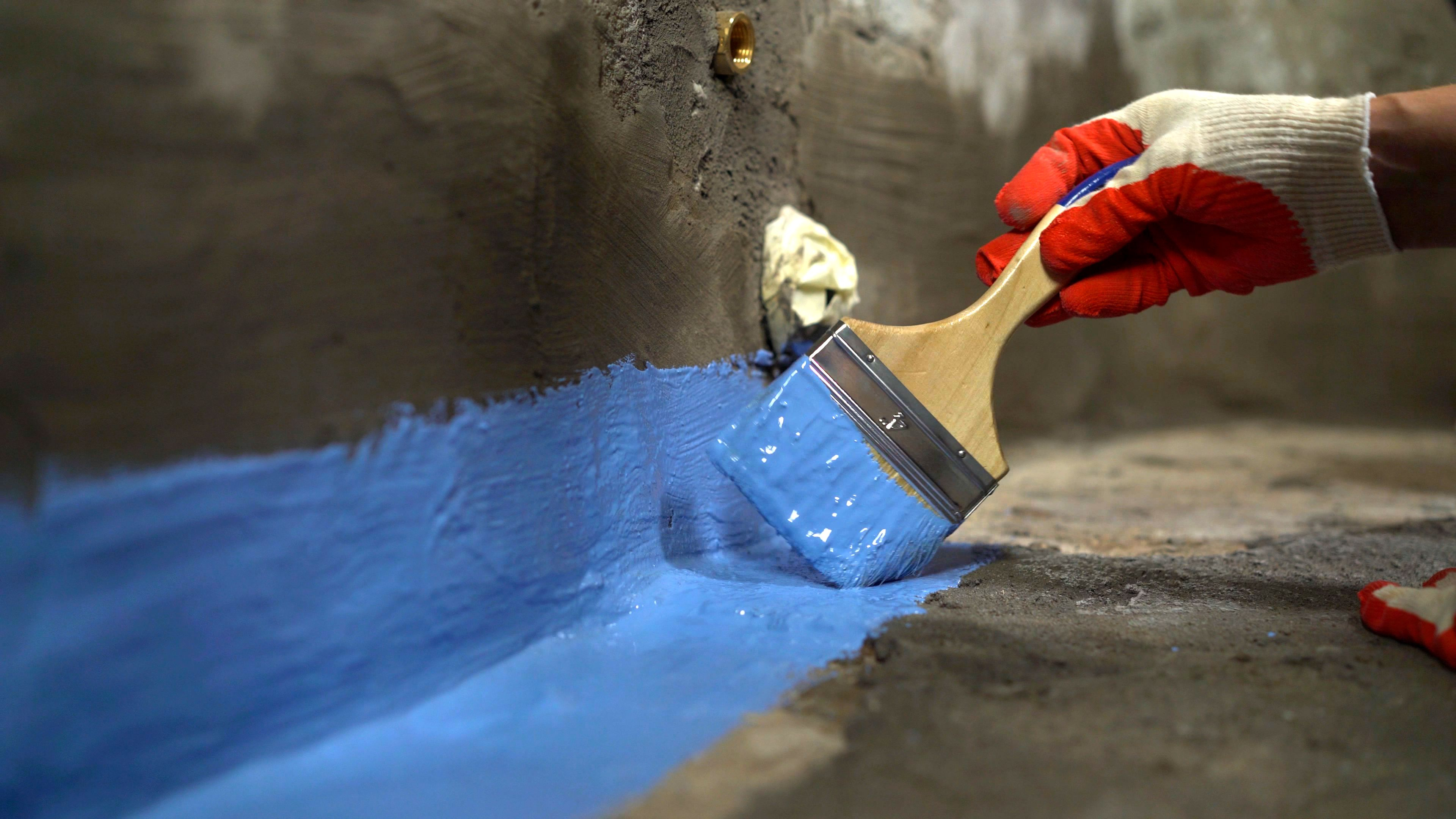
“Basement waterproofing” sometimes refers to applying a waterproof sealant to basement walls, in which case you would use a waterproof paint, often made of latex. However, there are many methods you can use to waterproof a basement, including exterior drainage systems, interior drainage systems, dehumidifiers, and more. As such, the materials you use can vary depending on the methods you use.

Yes, it is generally unhealthy and can be dangerous to live in a damp basement. The damp air can negatively affect your breathing and lungs, and the moisture promotes mold growth and pest infestations. Inhaling mold spores or waste particles from insects and rodents attracted to the moisture can be hazardous. This damp, moldy air can also circulate into your main living area. It is crucial to resolve any moisture problems and implement preventative measures before using your basement as a living space.

No, your basement dehumidifier doesn’t need to be on 24/7. While it’s an excellent tool for tackling damp, musty air, especially in humid seasons, leaving it running nonstop can backfire. Over-drying the space can mess with your sinuses, warp wood, and even crack certain materials. Instead, only use your humidifier when moisture levels rise above 50%, and then give it a break when the humidity levels drop.

The Duncan, AZ homeowners’ guide to basement waterproofing services

From average costs to expert advice, get all the answers you need to get your job done.