





Top-rated basement waterproofing pros.

Get matched with top basement waterproofing pros in Thatcher, AZ

Enter your zip and get matched with up to 5 pros

Need a pro for your basement waterproofing project in Thatcher, AZ?

Select your specific project to find the pro for you.

Find Basement waterproofing pros in Thatcher

Basement Waterproofing questions, answered by experts

Encapsulation can take the place of crawl space vents since it protects the area from moisture and air all year round. Determining whether you should open or close crawl space vents can be complicated since it often depends on the weather and humidity. Skip this step by investing in crawl space encapsulation whenever possible.

There are a few downsides to a wet room, the most important of which is the risk of mold growth from the moisture and humidity. Standard bathrooms can have the same issue, but wet rooms are more likely to experience problems because water is less carefully contained. You also have less privacy since the entire bathroom is open, and the room must include waterproofing, which makes wet rooms more expensive to install than regular bathrooms.

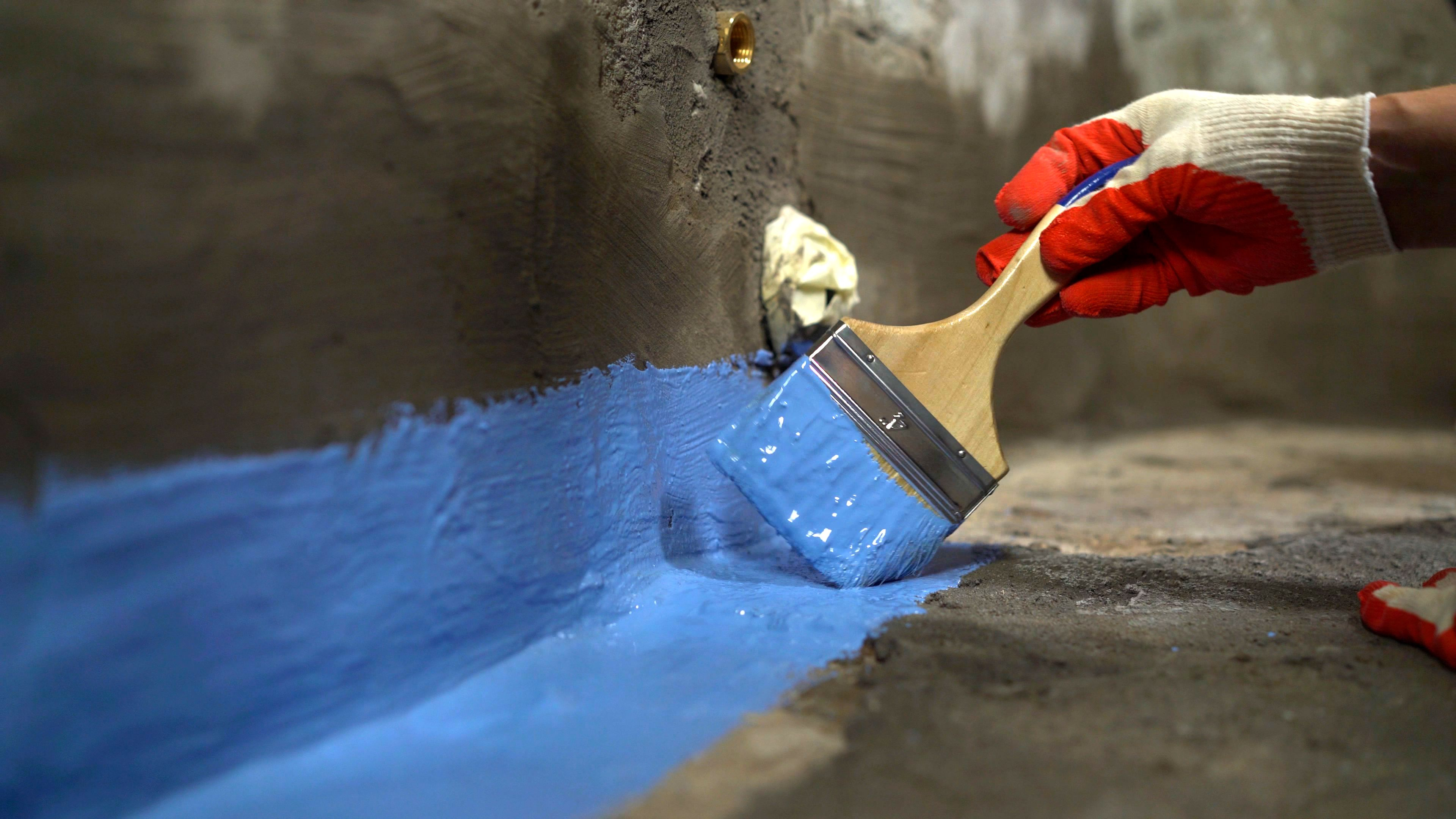
Some basement waterproofing methods can actually cause your water or moisture problems to get worse, which is why it’s so important to call in a professional who knows how to solve your underlying issue and use the appropriate waterproofing methods. An example of this would be applying latex waterproofing paint to the insides of your basement walls without fixing the water issue outside. Doing so can trap moisture in the basement walls, which can promote mold growth, peeling paint, and even damaged concrete. However, when done by a professional, the only downside to basement waterproofing is the up-front cost.

Rigid foam board insulation is one of the safest insulation materials for basement walls. The panels offer a moisture barrier to prevent mold and mildew build-up. At the same time, this material is also fire-resistant, so you don’t have to worry as much about a fire breaking out as you would with spray foam insulation. 

Ideal humidity conditions generally range from 30% to 50%, with 45% considered optimal humidity for most homes. If your humidity levels drop below that range, you can turn your dehumidifier off. Additionally, suppose the temperature where the dehumidifier is installed falls below 60 degrees Fahrenheit. In that case, it's best to turn it off and unplug it since cooler temperatures can cause the unit's coils to freeze.

The Thatcher, AZ homeowners’ guide to basement waterproofing services

From average costs to expert advice, get all the answers you need to get your job done.