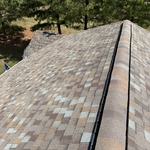
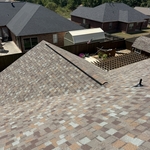
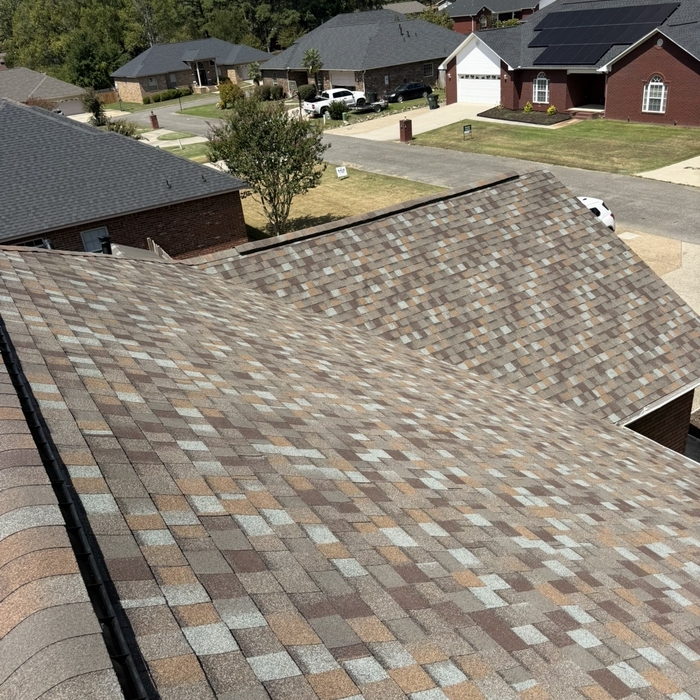
"These guys were great! From Kevin who did the initial roof inspection and quote to Jose and the crew they did everything discussed and then some. I’ve some experience with roofing and considered their quote reasonable, fair and very competitive. My roof was about 33 squares worth and with about 3/4 of the old roof having two layers of shingles to remove they were able to complete it in one day. They used tarps around the entire house to cover flower beds and catch debris. I look forward to working with these guys in the future and will be recommending them to friends."
"Scott Roofing did a tremendous job and I would highly recommend them. He was very nice and kept me well informed every step of the way. Thank you Scott Roofing."
"Very professional and excellent work. They were available afterwards coming in contact with a bad general huandy man. Bobby is a hard worker ensuring the customer is satisfied"
"Erie Homes was great. Ty and Chris shared the information about roofs in a clear and precise way. I love the high quality of the roofing materials and the standards they hold their workers to when placing the roof. Mike called me each step of the way, so I was prepared when the roofing supplies showed up. I even got calls after the beautiful roof was done. Amazing job!"
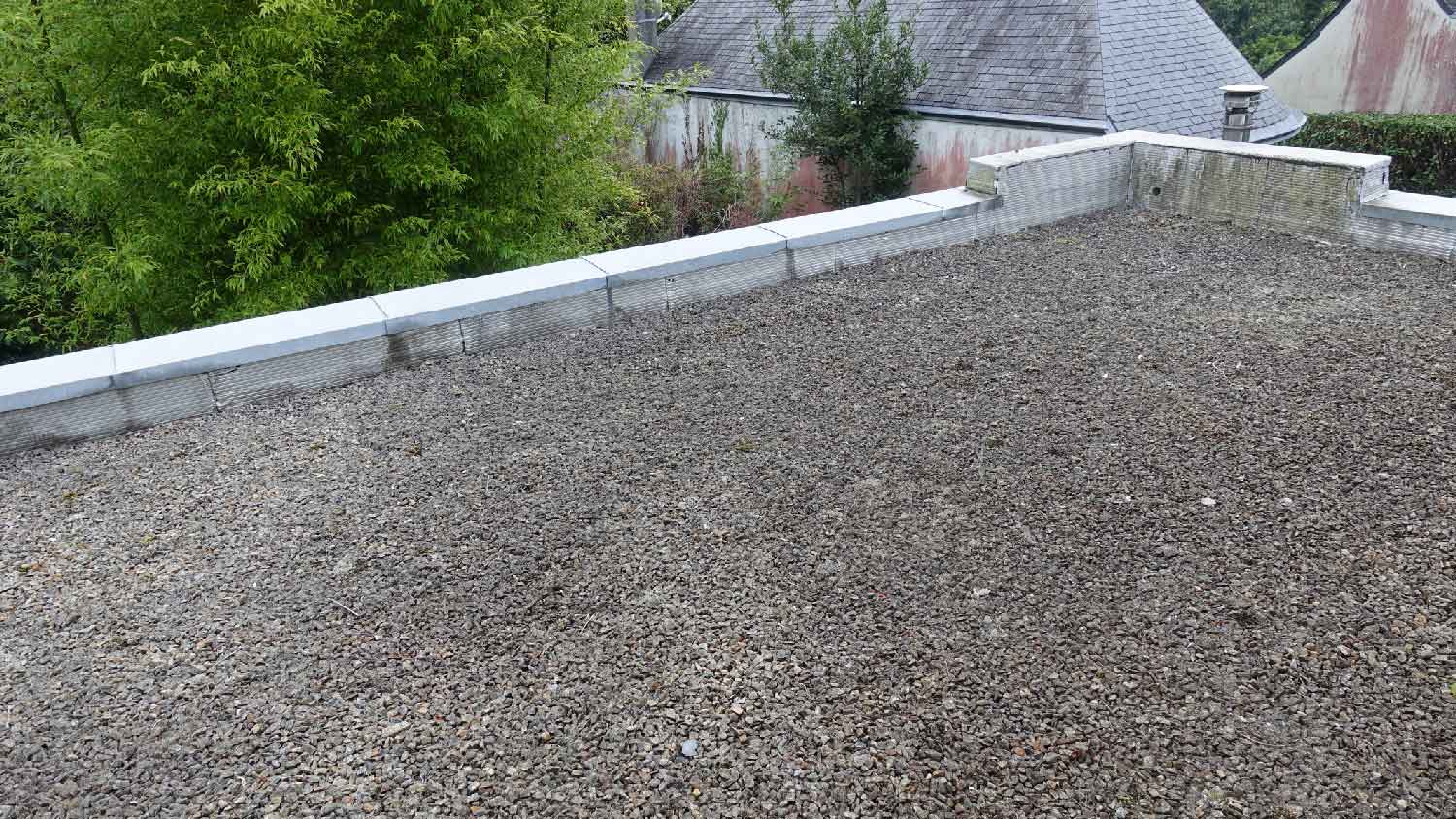
The most common defect in a flat roof is leaking. Flat roofs have minimal slope, so water pools more readily on a flat roof than on a sloped roof, and the risk of the waterproof membrane failing increases with exposure. Tears and punctures from foot traffic and blown debris are other common problems, especially with single-ply roofing membranes like TPO and EPDM roofs.
Underlayment is required by building code, so any roof installed without it is technically against code. The underlayment acts as the second layer of defense against water, so installing a roof without underlayment means a much higher risk of roof leaks. You’ll have the best chance of avoiding roof leaks if you install drip edge flashing covered by underlayment, and then install your roofing material over that.
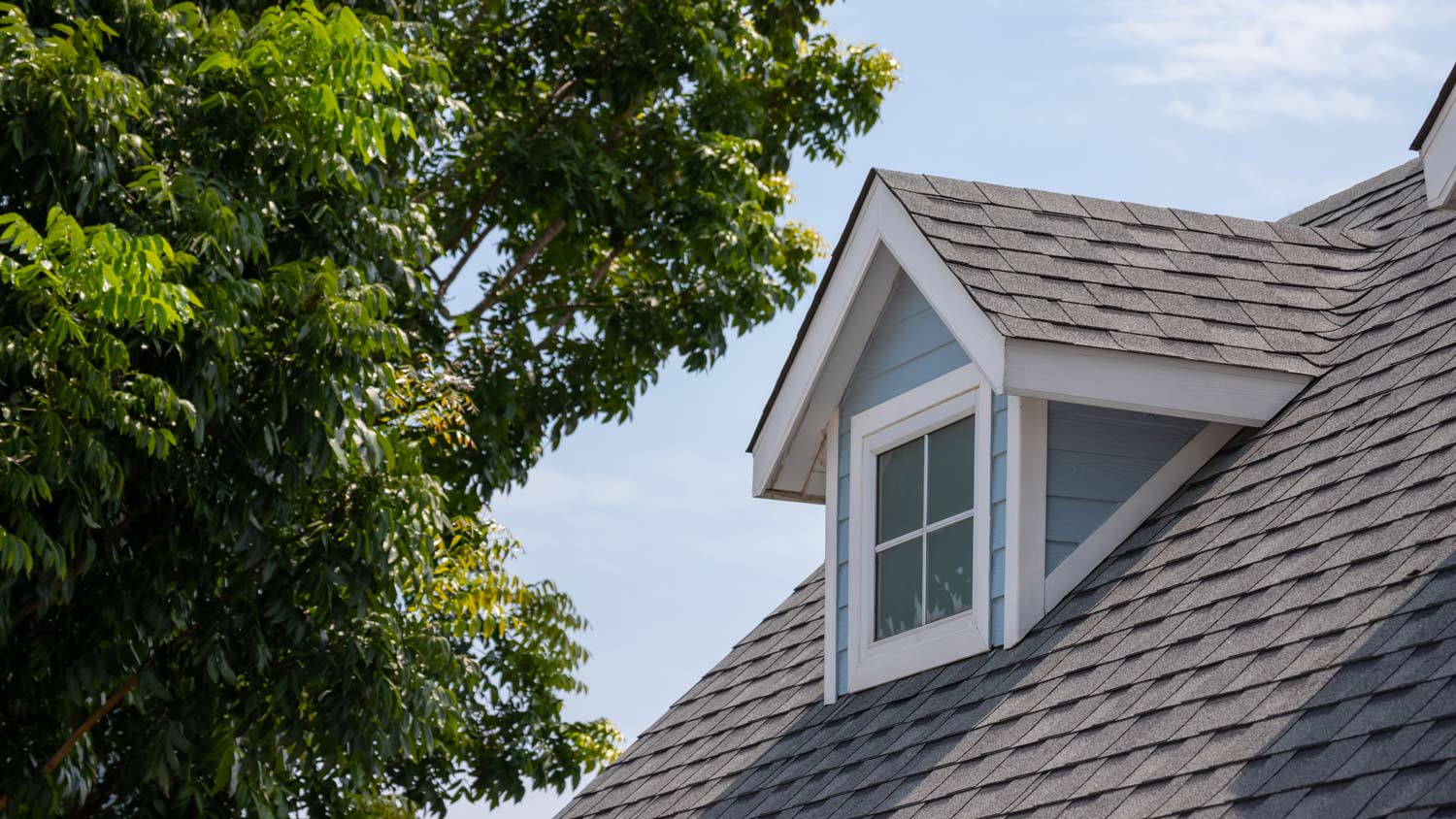
Asphalt shingles have varying thicknesses across the length, so failing to stagger shingles from one row to the next will leave you with bulges and bumps if the thicker sections stack on top of each other. Not only is this unappealing, but it increases the risk of water intrusion. Stagger each new row by 6 inches to avoid this issue.
A roof's lifespan can range from 15 to 200 years, with an average of 25 to 50 years, depending heavily on the material, quality of installation, maintenance, and local climate. Asphalt shingle roofs are common and typically last 15 to 30 years; three-tab shingles have a lifespan of about 20 years, while architectural shingles can last up to 30. More durable materials have longer lifespans: metal roofs last 30 to 100 years, clay and concrete can last 50 to 100 years, and slate roofs can last up to 200 years with proper care. Regular maintenance, such as cleaning gutters and replacing damaged shingles, is crucial for extending the life of any roof.
Once framing is complete, you will need the following materials to roof a house:
Wood sheathing
Drip edge, a.k.a metal flashing
Underlayment for waterproofing
Roof covering, like metal or asphalt shingles
The Rockwell, AR homeowners’ guide to roofing services
From average costs to expert advice, get all the answers you need to get your job done.
Sealing your roof can help preserve its life span—you just have to choose the right coating. This guide will help you budget for your total roof coating cost.
A new metal roof can add a unique touch to your home’s curb appeal and help maximize efficiency. Learn about metal roof costs and what affects your total.