

Top-rated drywall pros.

Get matched with top drywall pros in Clinton, AR

Enter your zip and get matched with up to 5 pros

Need a pro for your drywall service project in Clinton, AR?

Select your specific project to find the pro for you.

Find Drywall pros in Clinton

Avatar for Hales Home Repairs
Hales Home Repairs
4.5(
40
)
Drywall - Repair

Serving Clinton, AR and surrounding areas

Approved

In business since 2010

Free estimates

Customers say: Quick response

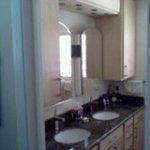
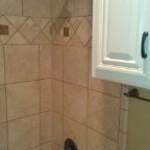
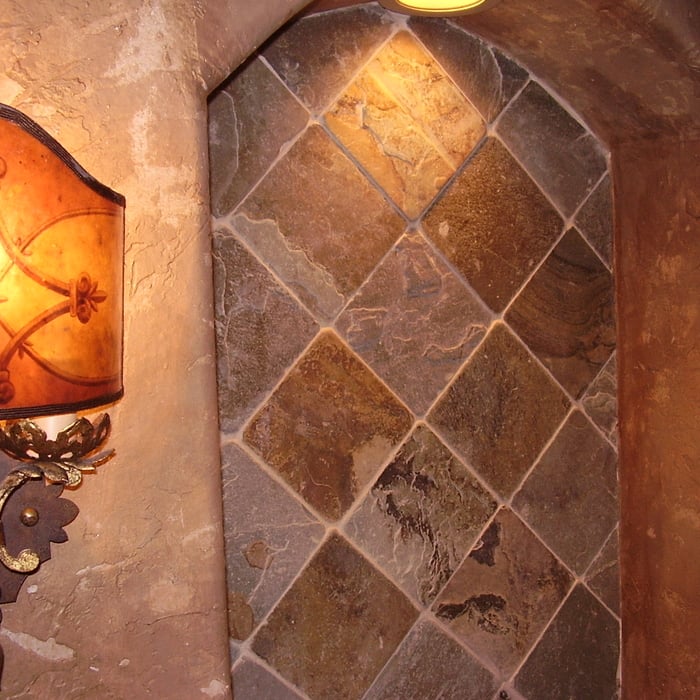
"We had an upstairs shower completely rebuilt, from support flooring to shower ceiling including plumbing and new tile. The work was outstanding and the price very reasonable. The work was done quickly and thoroughly. Cleanup was exceptional. Will definitely recommend him for future work and will refer him to others."
 custom built cabinets
 deck
 built in book shelves
 shower tile
 tile work

+1

1 neighbors recently requested a quote
Recommended by81%of homeowners
Randy Maxwell Drywall
4.9(
20
)
Drywall - Repair

Serving Clinton, AR and surrounding areas

In business since 1989

Free estimates

"This guy knows his stuff! Randy is a true drywall finisher with several decades of experience. I had damaged wall and ceiling drywall from a leak that weâ d had. He knew just what to do to make it look good again. He removed the damaged drywall, replaced it with new drywall, surfaced the wall with appropriate texture (orange peel), painted the wall, and went to the trouble to sand down the ceiling texture throughout the whole room, then redid the â stomp patternâ texture for the ceiling in that whole room so that it looks uniform. His price was reasonable and he worked long and hard to do the job right!"
Response time3 days
Recommended by94%of homeowners
Avatar for Painter J & Company, LLC
Painter J & Company, LLC
5.0(
5
)
Drywall - Repair

Serving Clinton, AR and surrounding areas

In business since 2020

Free estimates

Emergency services offered

We take great pride in our experience, expertise, quality, and customer service that we provide to meet the consumer's needs. It is our mission to provide excellent workmanship and complete customer satisfaction, from the start to the completion of a project. In order to understand the needs and expectations of our customers, we take great care to work and communicate with every customer in a professional manner. Our reputation is based on service, safety, and quality, regardless of how large or small the job.\n

Ext restoration
Chimney Stain
Chimney Stain
Chimney Stain
1 neighbors recently requested a quote

Recommended by100%of homeowners
...
Showing 1-10 of 54
Drywall questions, answered by experts

In many cases, installing new drywall will boost your home value. Replacing old, damaged, cracked, or wavy drywall is a great way to improve the look and feel of your home, as new drywall installed by a professional shouldn’t have any imperfections. Additionally, removing old drywall means you’ll have open walls, so you can install new insulation and address exposed issues with plumbing and electrical systems running behind the walls. All of these fixes will also add to your home’s value.

Although they have similar applications, spackle and joint compound are not the same. Their primary differences lie in their composition, consistency, and ideal use cases.

Spackle is composed of gypsum and binding agents, making it thicker than joint compound. It dries quickly and is easy to sand, which makes it ideal for small wall repair projects like filling nail holes or patching minor damage.

Joint compound, also known as drywall mud, consists of limestone and gypsum. It is primarily used for large-scale projects, such as taping and finishing the seams on newly installed drywall. It tends to shrink more than spackle and can be more difficult to spread.

While both products can be used to fill small depressions and cracks, spackle cannot replace joint compound for taping and mudding new drywall. Conversely, you can often use joint compound for small patching jobs typically done with spackle.

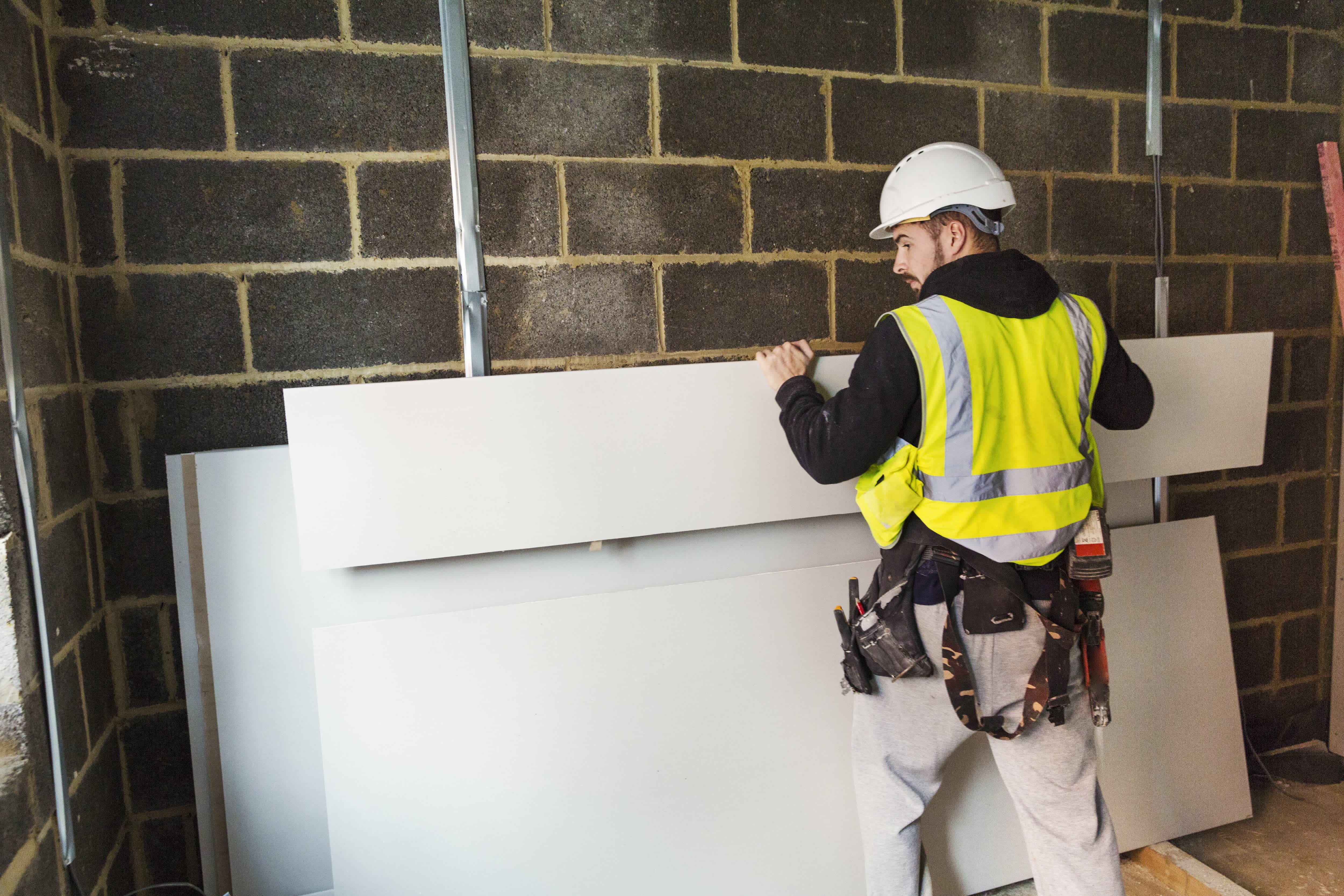
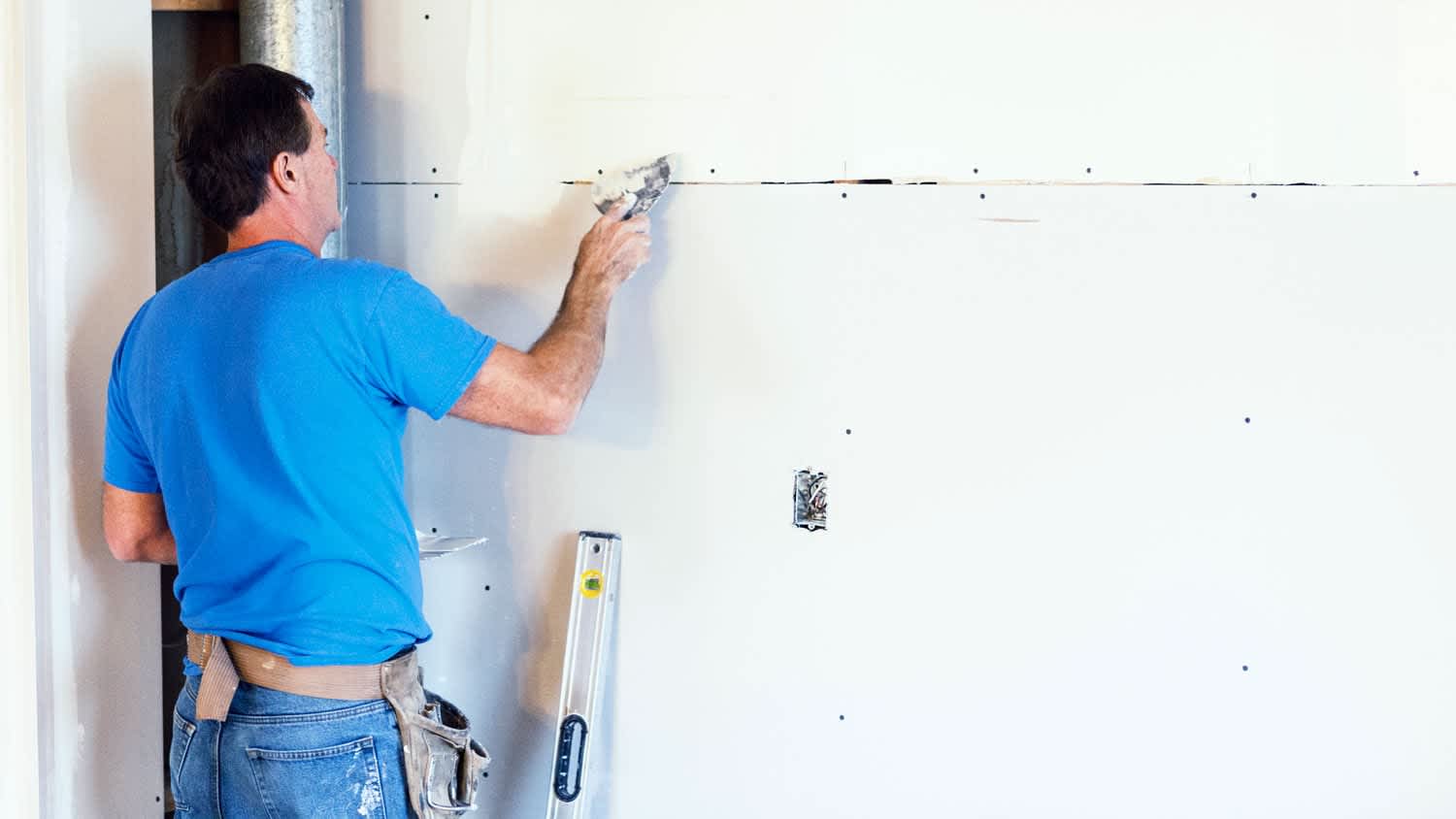
How you hang the drywall can affect the finishing process. It's often easier to finish horizontal drywall panels, as the seams run across the wall rather than up and down. Standard drywall panels are 48 inches wide, so the seam is easy to reach without bending down or stretching your arms.

You can usually tell if you have plaster or drywall by touch (plaster is harder, colder, and smoother than drywall) or by tapping on it (drywall sounds hollow, plaster does not). If you still cannot tell, peek under an outlet cover and check the cut edges. The rough edges show the composition of the wall. You will see either drywall (two paper sheets sandwiching gypsum material) or only plaster material (no paper sheets).

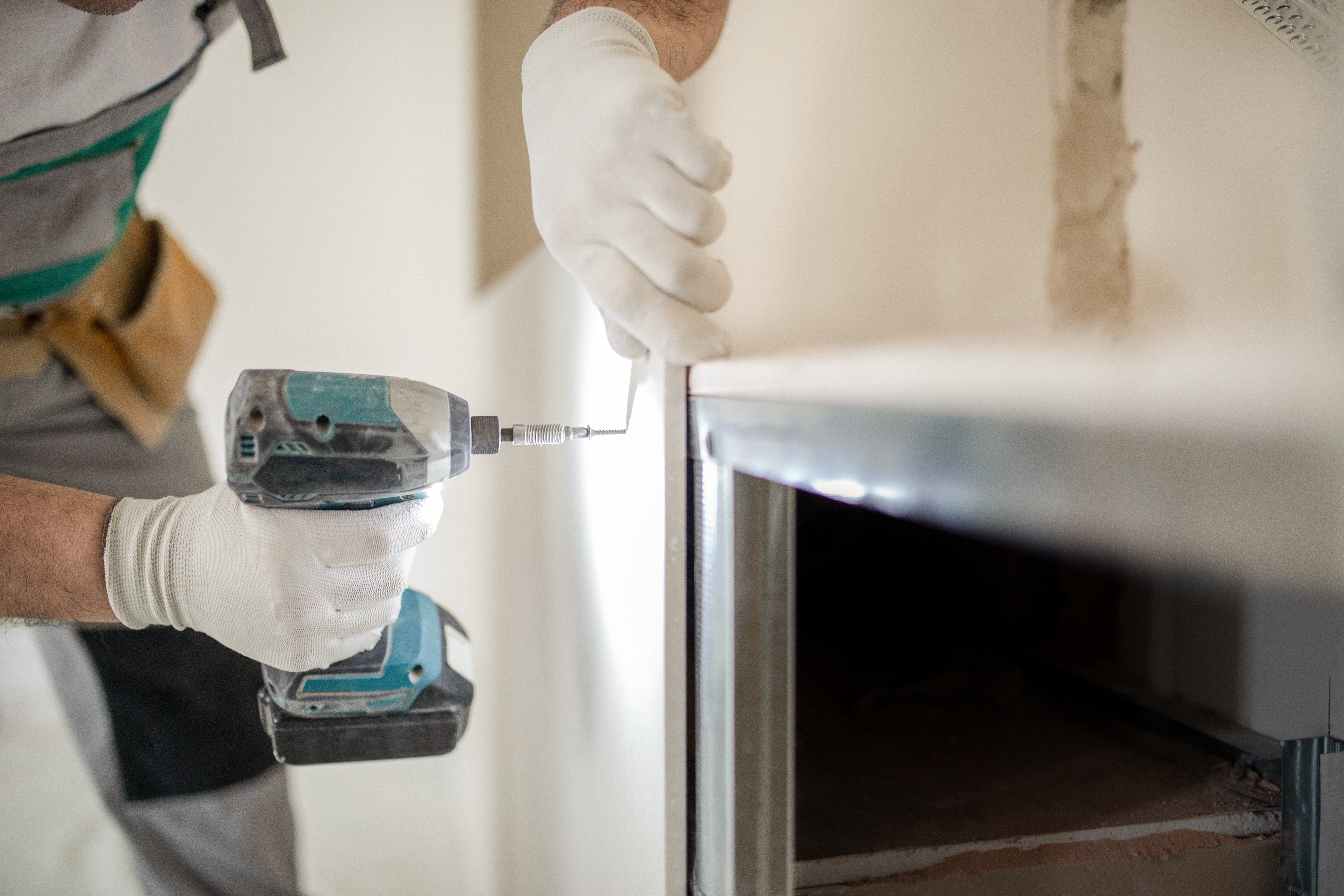
It is more difficult to drywall a ceiling than it is to drywall a wall, but not so hard that DIYers can’t tackle it. One of the main issues with hanging drywall on your ceiling is getting it into place. Drywall isn’t light so, if you are hanging full drywall panels, you will need at least two (it’s better with more) people to hold the panel while you drill it into the ceiling as a single piece can weigh between 40 and 60 pounds and will need to be held in place for up to 10 minutes.

The Clinton, AR homeowners’ guide to drywall services

From average costs to expert advice, get all the answers you need to get your job done.