



Top-rated drywall pros.

Get matched with top drywall pros in Bee Branch, AR

Enter your zip and get matched with up to 5 pros

Need a pro for your drywall service project in Bee Branch, AR?

Select your specific project to find the pro for you.

Find Drywall pros in Bee Branch

Avatar for Hales Home Repairs
Hales Home Repairs
4.5(
40
)
Drywall - Repair

Serving Bee Branch, AR and surrounding areas

Approved

In business since 2010

Free estimates

Customers say: Quick response

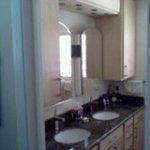
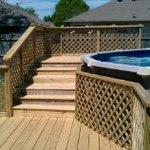
"Arthur is so good - he can do large projects and small. He built a closet door wth framing and over head window for master closet and built an outdoor trellis for the back patio. I have used him for years and always does a great job for me."
 custom built cabinets
 deck
 built in book shelves
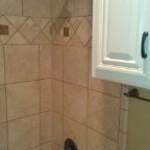
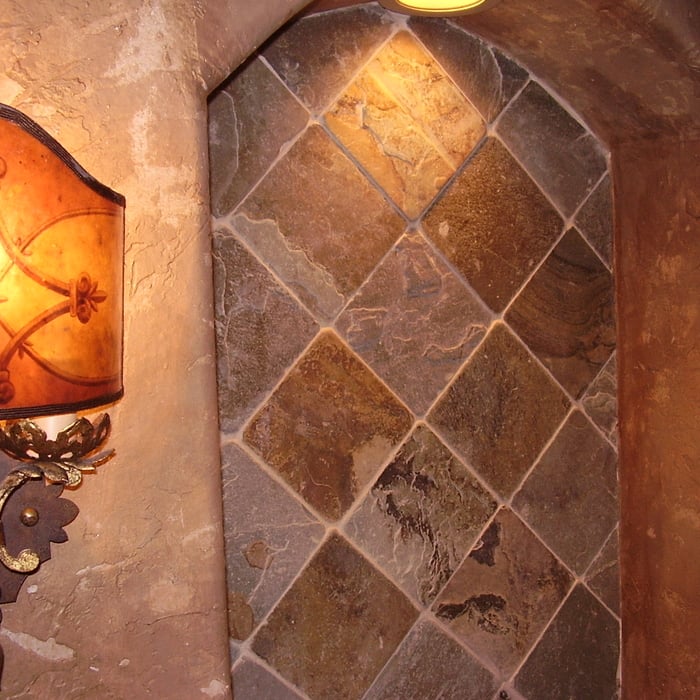
 shower tile
 tile work

+1

1 neighbors recently requested a quote
Recommended by81%of homeowners
...
Showing 1-10 of 73
Drywall questions, answered by experts

You can plaster over regular drywall, but it's essential to prepare the surface properly. Before plastering, the drywall should be clean, free of dust, and any loose or peeling paint should be removed. Applying a primer specifically designed for plastering can improve adhesion. Some professionals recommend applying a base coat of plaster or joint compound to create a better surface for the plaster to adhere to. Proper preparation ensures a smooth and durable plaster finish over regular drywall.

It is possible to apply plaster on the interior or exterior of your home, but we don’t recommend it. Plaster is easy to apply in theory, but in reality, it can be a challenging material to work with, and it’s difficult to get the finished product to look clean, even, and smooth. Many DIYers end up calling in a professional afterward to touch up the area or even redo it entirely because of mistakes they made in the process. Hiring a plaster pro will cost more, but it’s usually the best option to achieve high-quality results.

If your home was built before the 1940s and was not remodeled in the past 50 or so years, you probably have plaster walls. Aside from assuming, there are some practical ways to tell if you have plaster walls, including the following: If you knock on the wall and it feels solid, not hollow, if you can’t insert a thumbtack easily, if there are cracks that look like spiderwebs, or if your home has curved, arched, or swirled walls, doorways, or window openings.

If you have an unfinished basement or attic, you could examine the backs of any finished walls to check, too.

Plaster is denser, harder, and more porous than drywall, so it absorbs moisture differently. This means you’ll often need more prep work, such as thorough sanding, patching, and priming with a high-quality bonding primer. Additionally, you may need more coats of paint to achieve even coverage. While the process takes more time, it helps ensure a durable and professional-looking result.

The tool you use to sand plaster will depend on the size of the project. If you’re just working on a small section of your wall to get rid of an uneven spot on the surface, hand-sanding might work. However, for larger projects, a drywall sander can make a huge difference when it comes to both time and elbow grease—and an orbital sander can help for detailed areas such as around ceiling fans.

The Bee Branch, AR homeowners’ guide to drywall services

From average costs to expert advice, get all the answers you need to get your job done.