





Top-rated drywall pros.

Get matched with top drywall pros in Mountain View, AR

Enter your zip and get matched with up to 5 pros

Need a pro for your drywall service project in Mountain View, AR?

Select your specific project to find the pro for you.

Find Drywall pros in Mountain View

...
Showing 1-10 of 62
Drywall questions, answered by experts

While you can put new drywall over old drywall, it’s not always the best option. In some cases, drywalling over drywall can make it harder to find wires and pipes behind your walls and conceal more serious problems with your walls. It can also make the room smaller. On the plus side, putting drywall over drywall can improve soundproofing and insulation. Plus, it’s often less expensive than tearing down and adding new drywall.

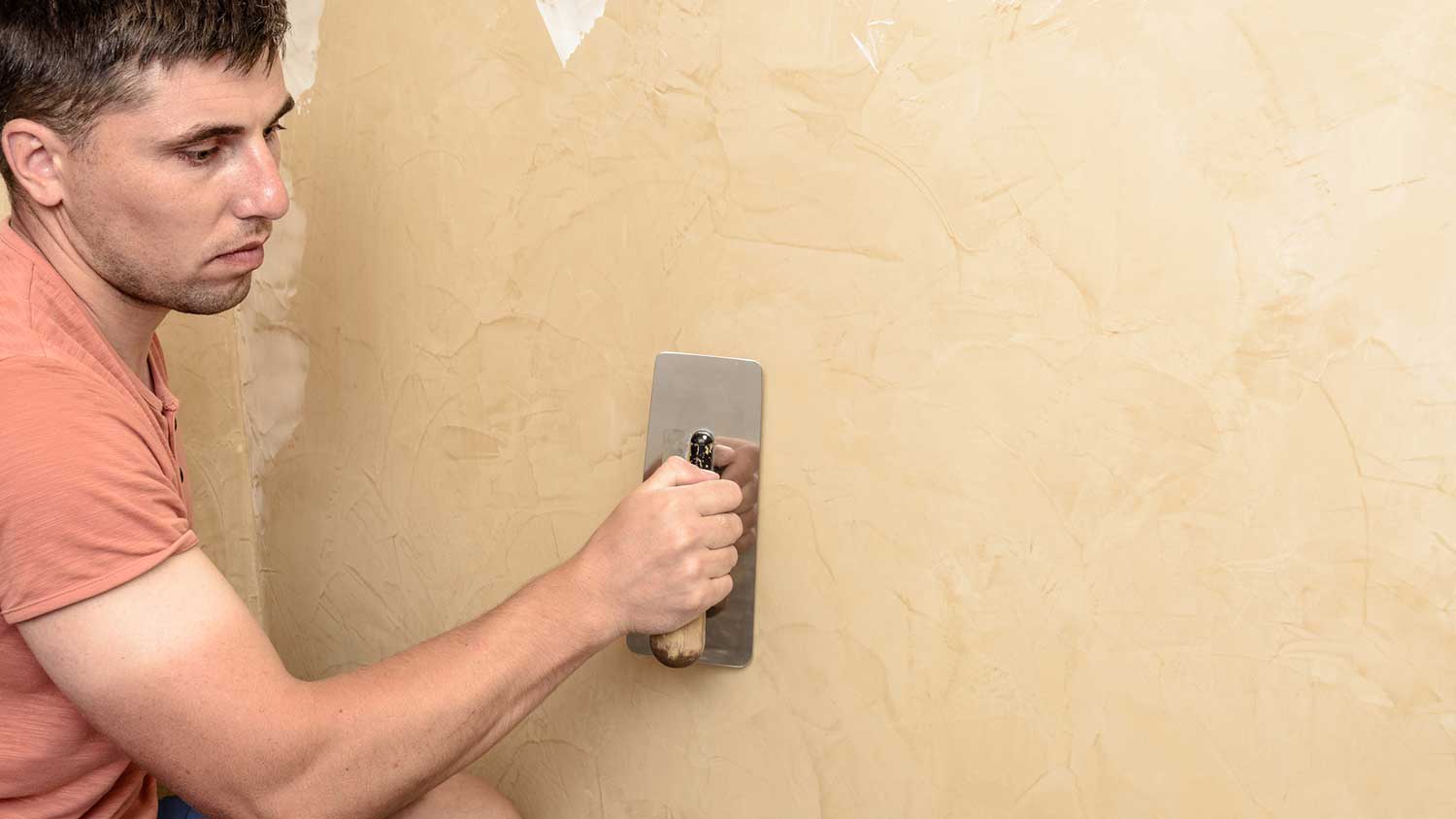
Plastering lasts for around 15 to 20 years without needing repairs or maintenance in most cases, and with proper upkeep, plastering can last a lifetime—sometimes more than 100 years. Plaster repair costs between $1 and $3 per square foot, and you may need these services once every 15 to 20 years or so unless you have a harsh climate where humidity changes are a constant issue. You can also opt to skim-coat plaster for between $0.90 and $1.30 per square foot, which may serve you better in the long run.

You can plaster over regular drywall, but it's essential to prepare the surface properly. Before plastering, the drywall should be clean, free of dust, and any loose or peeling paint should be removed. Applying a primer specifically designed for plastering can improve adhesion. Some professionals recommend applying a base coat of plaster or joint compound to create a better surface for the plaster to adhere to. Proper preparation ensures a smooth and durable plaster finish over regular drywall.

When used correctly, drywall patch kits can work well. However, there are limitations. Specifically, these kits can only cover holes up to 5 inches in diameter. For anything larger than that, you’ll need to cut out the affected section of drywall and replace it with a new piece. That’s a far more complicated process that involves buying the right type of drywall, finding the wall studs, cutting into your wall, and screwing the replacement drywall in place.

If you only have tiny holes in your drywall (for example, dents or nail marks), you probably won’t need a patch kit. Instead, you can plug the hole with a small amount of spackle. Once the spackle dries, you can sand the area and paint over it—just like you would in the steps outlined above.

The Mountain View, AR homeowners’ guide to drywall services

From average costs to expert advice, get all the answers you need to get your job done.