

Top-rated drywall pros.

Get matched with top drywall pros in Morrilton, AR

Enter your zip and get matched with up to 5 pros

Need a pro for your drywall service project in Morrilton, AR?

Select your specific project to find the pro for you.

Find Drywall pros in Morrilton

Avatar for Mr. Fixit
Mr. Fixit
5.0(
11
)

Serving Morrilton, AR and surrounding areas

Approved

In business since 2025

Free estimates

Warranties offered

"Nick was excellent to work with. He was knowledgeable, conscientious, prompt, and very thorough in the work he did for us. It’s clear he has a broad skill set and the experience to handle a wide range of handyman tasks. I would highly recommend Nick to anyone needing dependable, quality work done around their home."
Storage container roof

+21

2 neighbors recently requested a quote
Avatar for GA Painting
GA Painting
5.0(
4
)

Serving Morrilton, AR and surrounding areas

Approved

In business since 2022

Free estimates

Credit card accepted

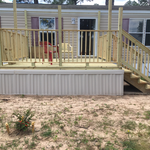
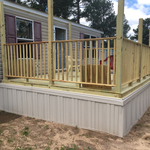
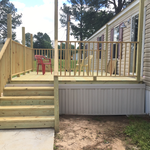
"GA Painting work ethics was awesome. The communication between them and me was most definitely on point. They were punctual and efficient. If you need your deck repaired, they are the go to business. I totally recommend them for their services."
Response time9 hrs
...
Showing 1-10 of 91
Drywall questions, answered by experts

Although they have similar applications, spackle and joint compound are not the same. Their primary differences lie in their composition, consistency, and ideal use cases.

Spackle is composed of gypsum and binding agents, making it thicker than joint compound. It dries quickly and is easy to sand, which makes it ideal for small wall repair projects like filling nail holes or patching minor damage.

Joint compound, also known as drywall mud, consists of limestone and gypsum. It is primarily used for large-scale projects, such as taping and finishing the seams on newly installed drywall. It tends to shrink more than spackle and can be more difficult to spread.

While both products can be used to fill small depressions and cracks, spackle cannot replace joint compound for taping and mudding new drywall. Conversely, you can often use joint compound for small patching jobs typically done with spackle.

While every home has its own unique needs, ceiling drywall installation typically follows a staggered or stepped pattern to enhance structural integrity and reduce the visibility of seams. Starting from one corner, sheets are placed perpendicular to the ceiling joists, with the ends of adjacent sheets meeting along the center of the joist. The next row begins with a half sheet, ensuring joints don't align vertically. This alternating pattern, combined with proper taping and mudding, creates a seamless appearance and strengthens the ceiling structure, minimizing the risk of cracks over time.

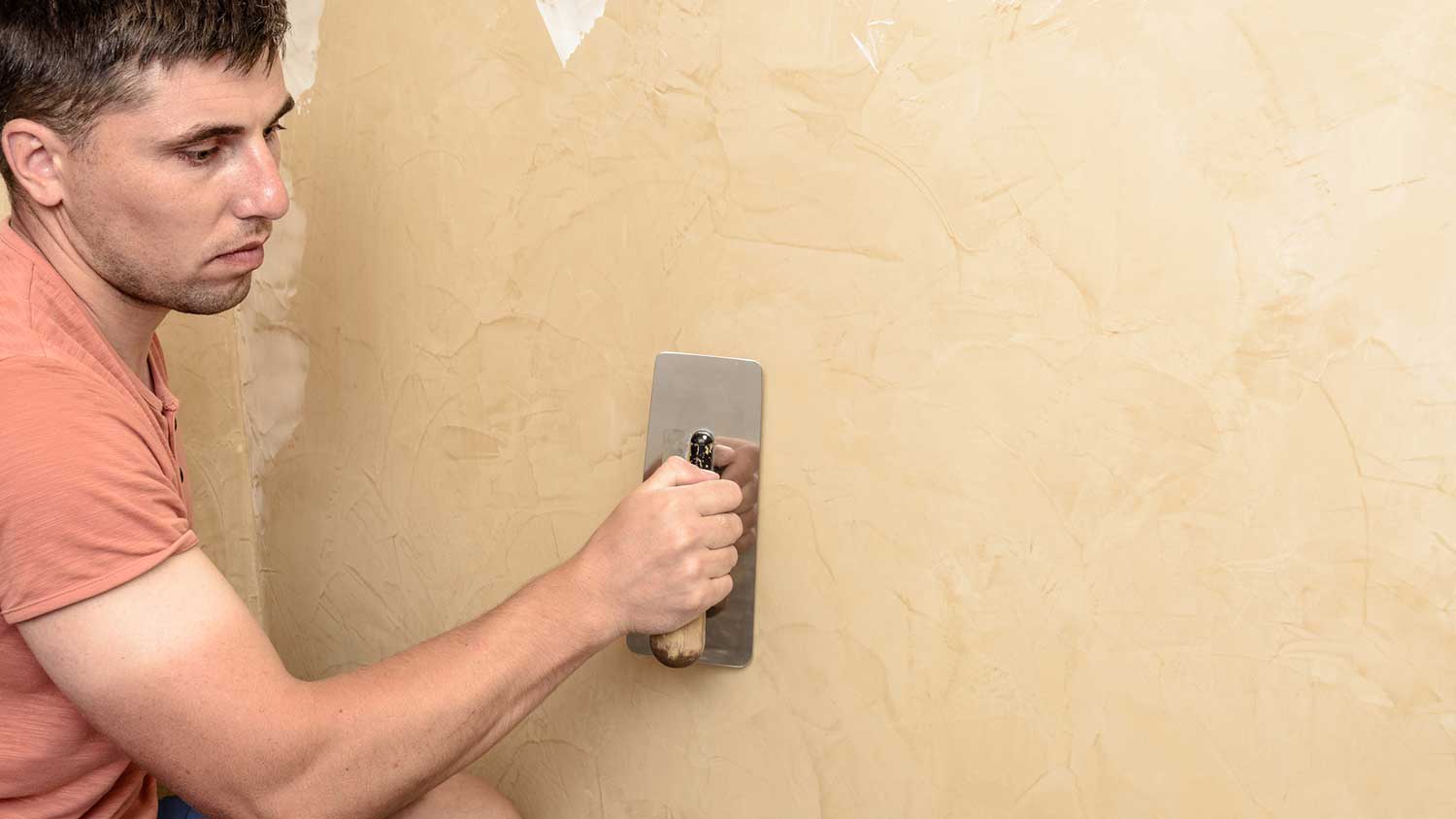
Textured walls can increase the value of your home if the style is modern and seen as a desirable feature and not something a prospective buyer would need to remedy. A good example of this is popcorn texture versus Venetian plaster. The plaster wall would add value to your home, whereas the popcorn texture may be something a new buyer would want to remove.

While not always necessary, you can glue a drywall ceiling in addition to using screws or nails. Drywall is typically secured to ceiling joists with fasteners, which is often sufficient. However, adding construction adhesive can offer benefits like preventing sagging, bridging gaps, and reducing air leaks for better energy efficiency. It may also be used for specific acoustic or insulation needs. On the other hand, many professionals advise against it because properly placed screws make the drywall structural, glue doesn't add strength, and it makes future repairs or replacements significantly more difficult. Ultimately, it's best to follow local building codes and project-specific requirements to decide if adhesive is right for your ceiling.

Yes, you can apply new plaster over an existing plaster surface, such as a wall or ceiling, provided the old plaster is in good condition. Before you begin, check the stability of the existing plaster. The surface must be clean, free of loose material, and have no peeling paint. It is also recommended to roughen the surface slightly to promote adhesion. For older plaster, applying a base coat like a PVA emulsion or a specific bonding agent or primer is crucial. This step makes the existing plaster less porous and ensures the new and old layers adhere properly for a smooth, long-lasting finish.

The Morrilton, AR homeowners’ guide to drywall services

From average costs to expert advice, get all the answers you need to get your job done.