



Top-rated drywall pros.

Get matched with top drywall pros in Hoover, AL

Enter your zip and get matched with up to 5 pros

Need a pro for your drywall service project in Hoover, AL?

Select your specific project to find the pro for you.

TRUSTED BY HOOVER, AL HOMEOWNERS

  • Average homeowner rating star icon4.7
    Average homeowner rating
  • Verified reviews icon202
    Verified drywall services reviews

Find Drywall pros in Hoover

Avatar for Clayton's Drywall, Inc.
Clayton's Drywall, Inc.
4.7(
130
)
Drywall - RepairDrywall - Repair - For Business

Serving Hoover, AL and surrounding areas

Approved

Super Service Award Winner

In business since 2008

Free estimates

Customers say: True professional

"Clayton did a great job repairing cracks in my drywall from house settling. Exceptional pricing combined with over 40 years of drywall experience made hiring Clayton a no-brainer. Definitely recommend and will use again."
Response time5 hrs
Response rate93%
44 neighbors recently requested a quote
Villalvir's Drywall
5.0(
11
)
Drywall - InstallDrywall - Repair

Serving Hoover, AL and surrounding areas

Approved

In business since 2020

Free estimates

Small jobs welcome

"They did a fantastic job. The communication every step of the way was great. Pablo set the expectation from the first conversation and everything went according to plan. I'll recommend them to others. There used to be a huge hole here. Now I have a brand new ceiling."
Response time8 hrs
Response rate95%
Recommended by100%of homeowners
Avatar for RH Painting & Drywall
RH Painting & Drywall
5.0(
10
)
Drywall - RepairDrywall - Install

Serving Hoover, AL and surrounding areas

Approved

In business since 2017

Free estimates

Emergency services offered

"I called Ruben for a quote and hired him on the spot. Before he left he and his crew painted my living room. kitchen, dining room and breakfast nook. Not one drop of spilt pain on my floors!"
Response time2 hrs
Response rate97%
1 neighbors recently requested a quote
...
Showing 1-10 of 572
Drywall questions, answered by experts

All plaster walls will crack over time due to normal house settling and expansion and contraction from temperature and moisture changes. Small, thin hairline cracks are generally not serious and are mostly a cosmetic issue. However, larger or more significant cracks can indicate structural problems.
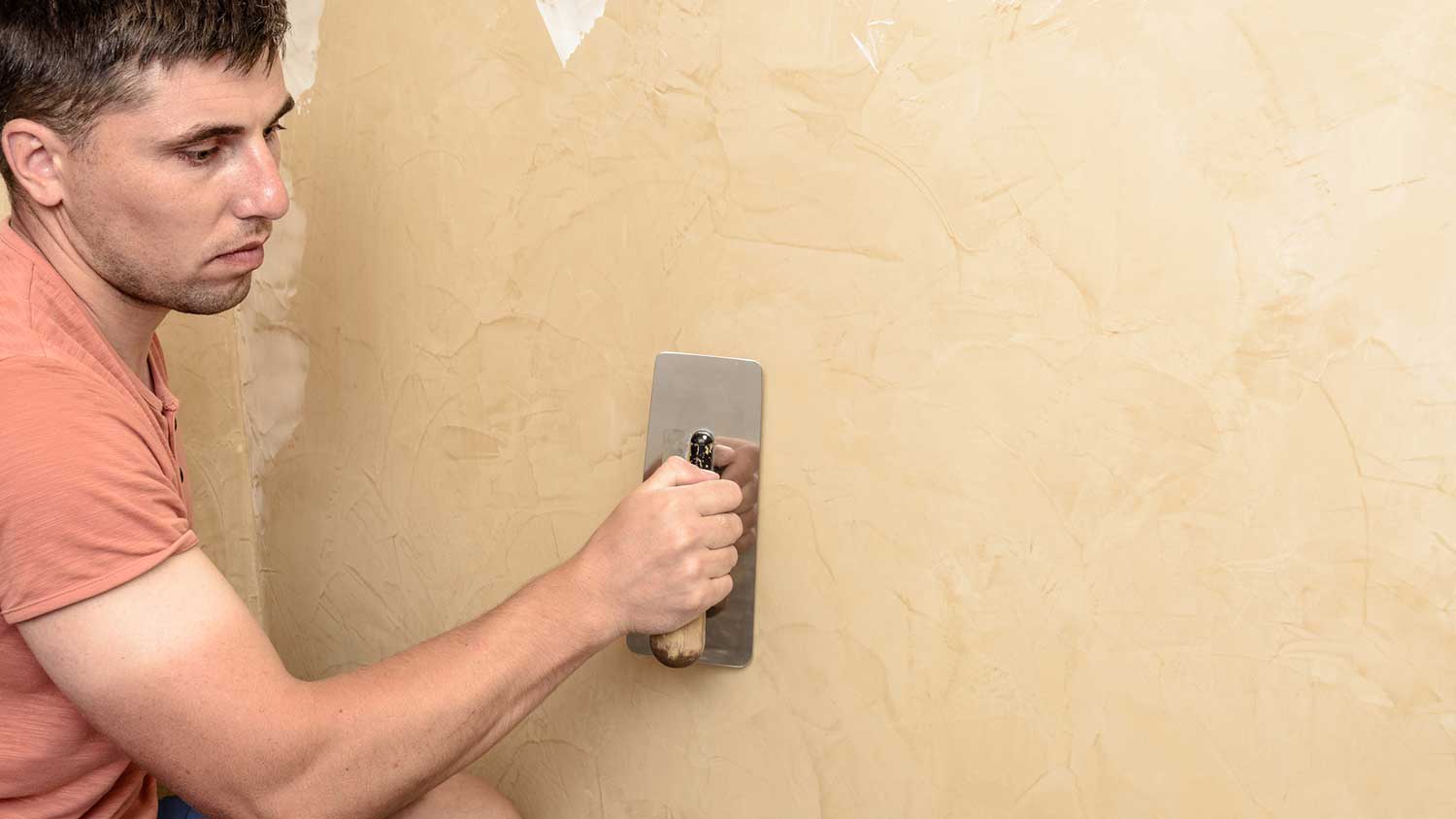
Here's how to tell the difference:

  • Cosmetic Cracks: Cracks that are 0.5 cm (0.2 inches) or thinner are typically cosmetic.

  • Structural Cracks: Cracks wider than 0.5 cm, excessive or deep cracks, multiple cracks in the same area, or cracks that span around corners can signify a structural or foundation issue. Cracks along the joints where walls meet the ceiling also warrant attention.

For cracks wider than 0.5 cm, structural repair is needed. If a crack is 2.5 cm (1 inch) or wider, or if you notice any signs of a structural problem, it is best to contact a plaster repair professional to assess the damage.

Drywall can get wet and dry out without sustaining permanent damage, but only if the water damage is minor. If you have a small leak and are quick to correct the issue and set up blower fans and dehumidifiers, your drywall should dry out. If the leak is persistent, the drywall becomes totally waterlogged, or mold begins forming on the drywall, you should remove and replace it.

Drywalling a garage is a smart decision if you want to protect your garage from fires, moisture damage, and exterior noise. Most garages have flammable supplies that could result in serious damage in the off chance of an accident. Drywall is fire resistant, helping to prevent fires from spreading. Not to mention, drywall can improve the appearance of a dingy, old garage.

You should not leave drywall outside, especially overnight or in a wet, humid climate. Exposure to rain and humidity can damage the drywall, weakening its structural integrity and making it susceptible to mold growth. If you must leave drywall outside during a project, be sure to cover it with a tarp or keep it inside a storage shed to protect it. Even drywall intended for exterior projects requires a protective moisture barrier. For best results, store any extra drywall in a dry area away from the elements.

Plastering and skimming are two different techniques for finishing walls. Plastering involves applying a thick layer of a plaster mixture—typically containing gypsum, lime, cement, sand, and water—to create a new surface. This process often requires multiple coats and is used for repairing significant damage or creating decorative textures. Skimming, on the other hand, is a technique that involves applying a thin layer of drywall compound or joint compound over an existing surface to smooth it out, covering minor imperfections, small cracks, or uneven textures for a polished look. Plastering is generally more costly and labor-intensive than skimming. Although some people use the terms interchangeably, they refer to different processes and materials.

The Hoover, AL homeowners’ guide to drywall services

From average costs to expert advice, get all the answers you need to get your job done.