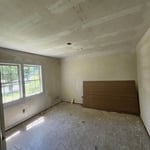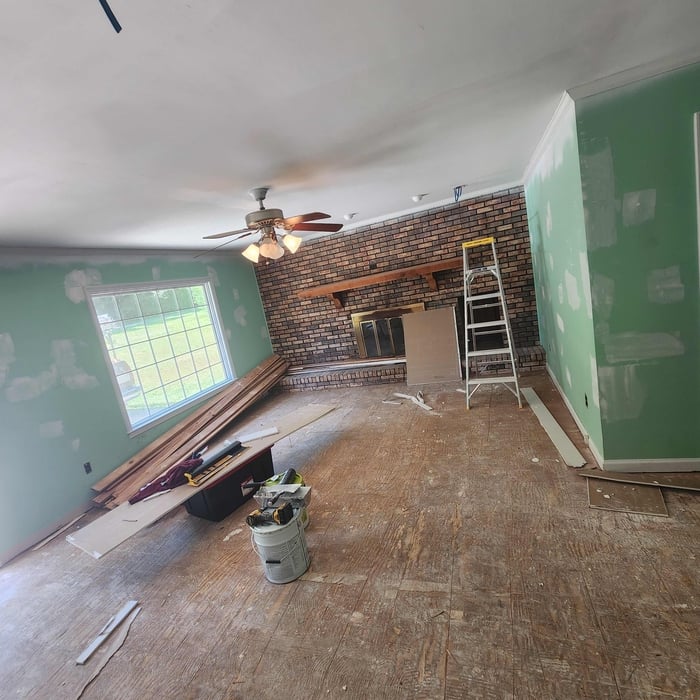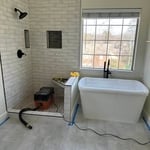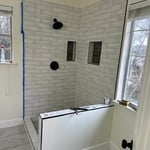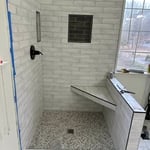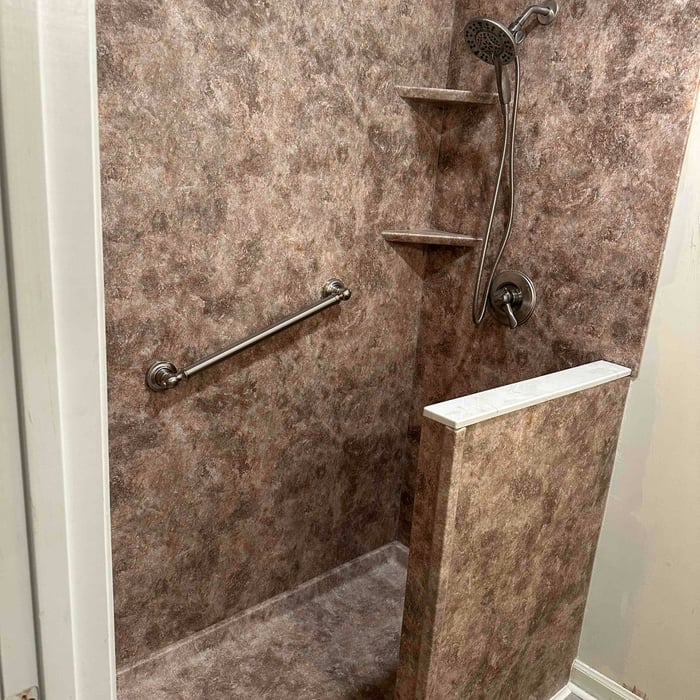



Top-rated drywall pros.

Get matched with top drywall pros in Brighton, AL

Enter your zip and get matched with up to 5 pros

Need a pro for your drywall service project in Brighton, AL?

Select your specific project to find the pro for you.

TRUSTED BY BRIGHTON, AL HOMEOWNERS

  • Average homeowner rating star icon4.6
    Average homeowner rating
  • Verified reviews icon36
    Verified drywall services reviews

Find Drywall pros in Brighton

Avatar for Clayton's Drywall, Inc.
Clayton's Drywall, Inc.
4.7(
130
)
Drywall - RepairDrywall - Repair - For Business

Serving Brighton, AL and surrounding areas

Approved

Super Service Award Winner

In business since 2008

Free estimates

Customers say: True professional

"Clayton did a great job repairing cracks in my drywall from house settling. Exceptional pricing combined with over 40 years of drywall experience made hiring Clayton a no-brainer. Definitely recommend and will use again."
Response time5 hrs
Response rate93%
47 neighbors recently requested a quote
Avatar for GoRemodeling LLC
GoRemodeling LLC
4.9(
7
)
Drywall - InstallDrywall - Repair

Serving Brighton, AL and surrounding areas

Approved

In business since 2022

Free estimates

Offers commercial services

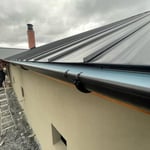
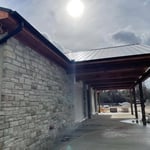
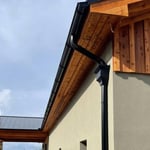
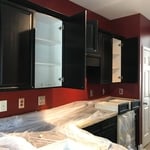
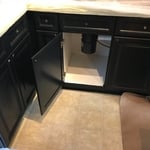
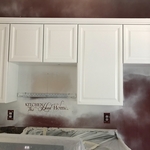
Jorge is the leader in providing our customers with the highest quality service in an honest, efficient, and professional way. Our pledge is to create successful relationships with our customers, employees and community by building trust, treating every project with the utmost integrity and exceeding expectations. We look forward to working with you!\n

Gallery
Gallery
Gallery
Gallery
3 neighbors recently requested a quote
Recommended by85%of homeowners
Avatar for T&P remodeling LLC
T&P remodeling LLC
5.0(
5
)
Drywall - Install

Serving Brighton, AL and surrounding areas

Approved

In business since 2024

Free estimates

Credit card accepted

"I highly recommend T&P Remodeling Company! They pressure washed, repaired woodwork, and painted the exterior of our house and decking, and we are very pleased with the results. They are dependable, trustworthy, kind, and extremely hard-working. From start to finish, they communicated well, showed up ready to work, and paid close attention to every detail. It is not always easy to find a company that you can truly trust, but T&P Remodeling made the entire process smooth and stress-free. They are a wonderful group of professionals who clearly take pride in their work, and I would absolutely recommend them to anyone needing remodeling or exterior work done."
T&P remodeling LLC
Painting
Painting
Painting
Painting

+1

14 neighbors recently requested a quote
...
Showing 1-10 of 329
Drywall questions, answered by experts

Although they have similar applications, spackle and joint compound are not the same. Their primary differences lie in their composition, consistency, and ideal use cases.

Spackle is composed of gypsum and binding agents, making it thicker than joint compound. It dries quickly and is easy to sand, which makes it ideal for small wall repair projects like filling nail holes or patching minor damage.

Joint compound, also known as drywall mud, consists of limestone and gypsum. It is primarily used for large-scale projects, such as taping and finishing the seams on newly installed drywall. It tends to shrink more than spackle and can be more difficult to spread.

While both products can be used to fill small depressions and cracks, spackle cannot replace joint compound for taping and mudding new drywall. Conversely, you can often use joint compound for small patching jobs typically done with spackle.

The two most common drywall thicknesses for ceilings are 1/2-inch and 5/8-inch. For most standard residential applications, 1/2-inch drywall is sufficient and widely used. It provides adequate support and is lighter and easier to handle during installation compared to thicker sheets. However, 5/8-inch drywall is often used for specific cases where additional benefits are needed. It is heavier but provides superior sound dampening and fire resistance. You should consider using 5/8-inch drywall for ceilings in commercial buildings, between a garage and a living space, or above a finished basement to meet building codes or for enhanced soundproofing.
Some painters will repair minor drywall damage. For repair work of any kind, it’s a good idea to hire the professional required for the job. Many painters will have the materials on hand and can add them to the total cost. While you may save some money, there is a chance the work will be subpar compared to a professional who specializes in drywall.

There are several benefits to wet-sanding drywall, but the main perk is that it produces far less dust than dry-sanding. As a result, wet-sanding poses fewer health risks and makes less of a mess in your home. Plus, damp sponges are less abrasive than sandpaper, so there’s a smaller chance of scratching or damaging the drywall paper. Wet-sanding also creates a smoother finish than dry-sanding.

Yes, it matters which side of drywall you use. One side is smooth, and the other is rough. The smooth side should be facing outward, toward the room, while the rough side should be hidden and facing the studs and framing of the house. The smooth side will be easier to apply tape, joint compound, and, later, paint to.

The Brighton, AL homeowners’ guide to drywall services

From average costs to expert advice, get all the answers you need to get your job done.