



Top-rated drywall pros.

Best drywall pros near Fultondale, AL

Enter your zip and get matched with up to 5 pros

Need a pro for your drywall service project in Fultondale, AL?

Select your specific project to find the pro for you.

TRUSTED BY FULTONDALE, AL HOMEOWNERS

  • Average homeowner rating star icon4.3
    Average homeowner rating
  • Verified reviews icon28
    Verified drywall services reviews

Top-Rated Drywall pros in Fultondale - Updated Nov 2026

Avatar for Clayton's Drywall, Inc.
Clayton's Drywall, Inc.
4.7(
131
)
Drywall - RepairDrywall - Repair - For Business

Serving Fultondale, AL and surrounding areas

Approved

In business since 2008

Free estimates

Customers say: True professional

"Clayton did a great job repairing cracks in my drywall from house settling. Exceptional pricing combined with over 40 years of drywall experience made hiring Clayton a no-brainer. Definitely recommend and will use again."
Response time5 hrs
Response rate93%
40 neighbors recently requested a quote
...
Showing 1-10 of 347
Drywall FAQs, answered by experts

The tool you use to sand plaster will depend on the size of the project. If you’re just working on a small section of your wall to get rid of an uneven spot on the surface, hand-sanding might work. However, for larger projects, a drywall sander can make a huge difference when it comes to both time and elbow grease—and an orbital sander can help for detailed areas such as around ceiling fans.

Yes, even if you’re being careful, removing tile can damage your drywall to some degree. However, you can minimize the damage done to it by eliminating a majority of the grout and taking your time prying each tile off. Also, it's worth noting that you might have more drywall damages to deal with if your tile is set into the mortar.

There are several benefits to wet-sanding drywall, but the main perk is that it produces far less dust than dry-sanding. As a result, wet-sanding poses fewer health risks and makes less of a mess in your home. Plus, damp sponges are less abrasive than sandpaper, so there’s a smaller chance of scratching or damaging the drywall paper. Wet-sanding also creates a smoother finish than dry-sanding.

Whether it’s better to screw or glue drywall depends on your specific budget and project timeline. Professional drywall installers are more likely to use screws and fasteners than adhesives, but it takes longer. But if you are DIYing your drywall installation, glue is a perfectly fine choice if you’re willing to pay extra for adhesive.

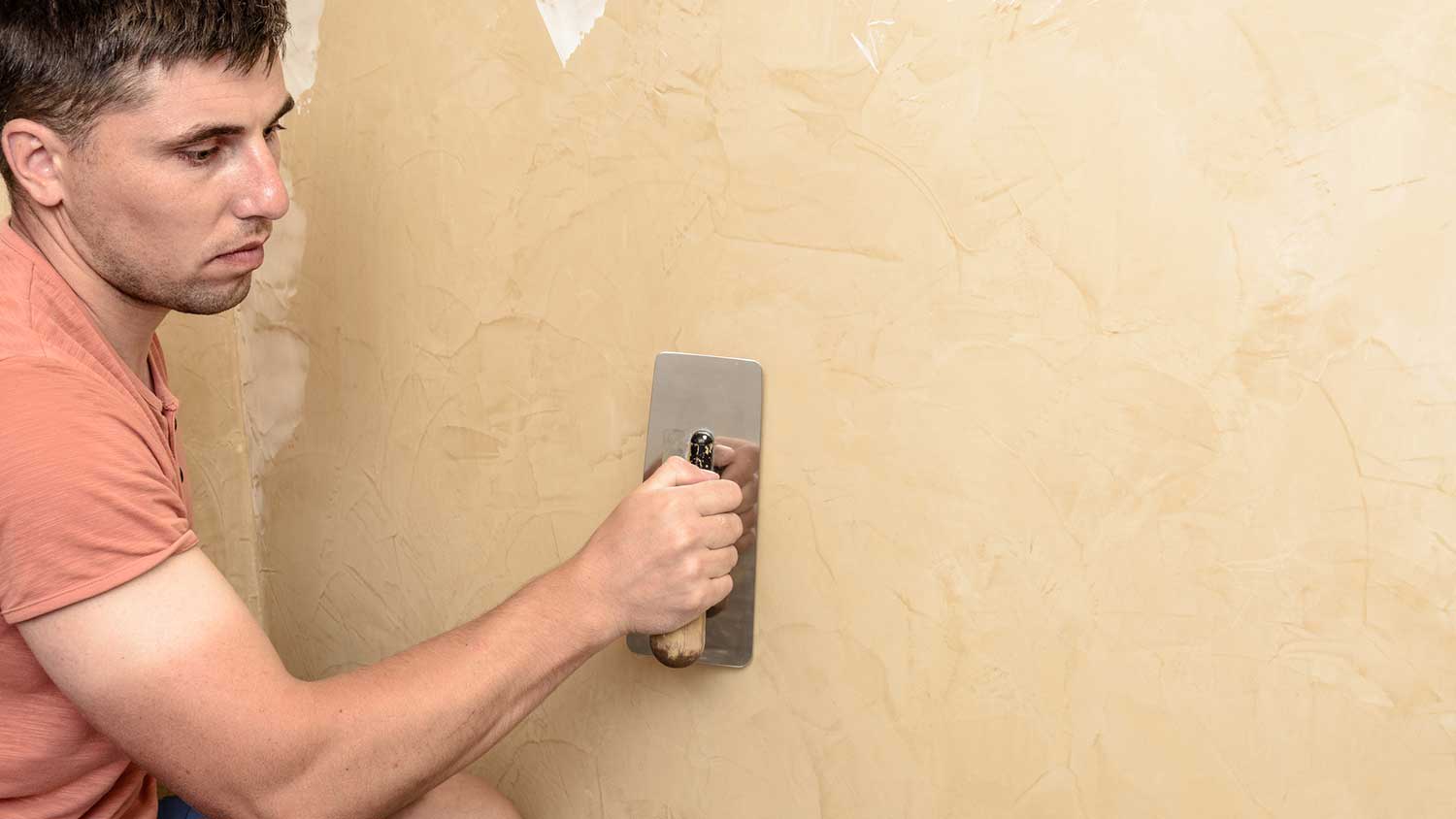
Plastering and skimming are two different techniques for finishing walls. Plastering involves applying a thick layer of a plaster mixture—typically containing gypsum, lime, cement, sand, and water—to create a new surface. This process often requires multiple coats and is used for repairing significant damage or creating decorative textures. Skimming, on the other hand, is a technique that involves applying a thin layer of drywall compound or joint compound over an existing surface to smooth it out, covering minor imperfections, small cracks, or uneven textures for a polished look. Plastering is generally more costly and labor-intensive than skimming. Although some people use the terms interchangeably, they refer to different processes and materials.

The Fultondale, AL homeowners’ guide to drywall services

From average costs to expert advice, get all the answers you need to get your job done.