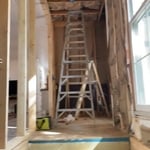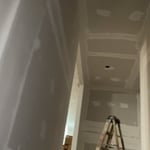

Top-rated drywall pros.

Get matched with top drywall pros in Birmingham, AL

Enter your zip and get matched with up to 5 pros

Need a pro for your drywall service project in Birmingham, AL?

Select your specific project to find the pro for you.

TRUSTED BY BIRMINGHAM, AL HOMEOWNERS

  • Average homeowner rating star icon4.7
    Average homeowner rating
  • Verified reviews icon68
    Verified drywall services reviews

Find Drywall pros in Birmingham

Avatar for Clayton's Drywall, Inc.
Clayton's Drywall, Inc.
4.7(
131
)
Drywall - RepairDrywall - Repair - For Business

Serving Birmingham, AL and surrounding areas

Approved

Super Service Award Winner

In business since 2008

Free estimates

Customers say: True professional

"Clayton did a great job repairing cracks in my drywall from house settling. Exceptional pricing combined with over 40 years of drywall experience made hiring Clayton a no-brainer. Definitely recommend and will use again."
Response time5 hrs
Response rate93%
35 neighbors recently requested a quote
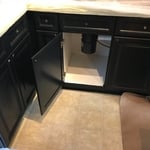
Villalvir's Drywall
5.0(
12
)
Drywall - RepairDrywall - Install

Serving Birmingham, AL and surrounding areas

Approved

In business since 2020

Free estimates

Small jobs welcome

"They did a fantastic job. The communication every step of the way was great. Pablo set the expectation from the first conversation and everything went according to plan. I'll recommend them to others. There used to be a huge hole here. Now I have a brand new ceiling."
Response time8 hrs
Response rate95%
9 neighbors recently requested a quote
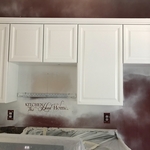
Avatar for H &R Painting
H &R Painting
4.9(
37
)
Drywall - InstallDrywall - Install - For BusinessDrywall - Repair+1 more

Serving Birmingham, AL and surrounding areas

Approved

In business since 2025

Free estimates

Credit card accepted

We are a locally owned and operated company that values honesty and integrity and treats your home as if it were our own. We have many years of experience to give you confidence that we are your number one choice for your next home project. You will find us to be competitively priced with close attention to the details of each and every project that we are involved with. We look forward to building lasting relationships and guarantee your satisfaction!

Basement stairs
Basement stairs
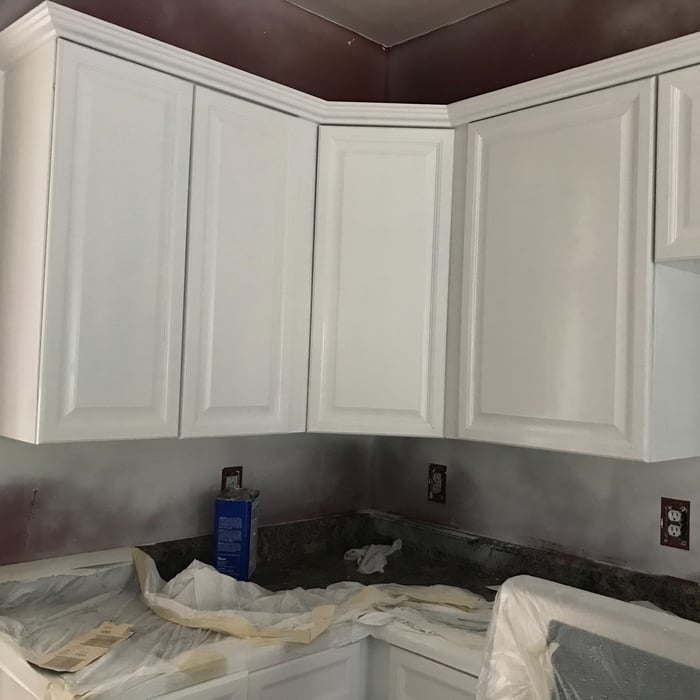
cabinets, kitchen, & bath

+118

Recommended by94%of homeowners
...
Showing 1-10 of 537
Drywall questions, answered by experts

While every home has its own unique needs, ceiling drywall installation typically follows a staggered or stepped pattern to enhance structural integrity and reduce the visibility of seams. Starting from one corner, sheets are placed perpendicular to the ceiling joists, with the ends of adjacent sheets meeting along the center of the joist. The next row begins with a half sheet, ensuring joints don't align vertically. This alternating pattern, combined with proper taping and mudding, creates a seamless appearance and strengthens the ceiling structure, minimizing the risk of cracks over time.

Whether you apply the drywall mesh before or after drywall mud depends on the type of patch it is. For self-adhesive patches, you’ll put the patch down first and then coat it with mud. Mesh patches that are not self-adhesive will require you to put mud down first and then press the mesh into it, followed by additional coats of mud.

Whether you need a drywall anchor depends on the specifics of your project, particularly what you're hanging and where. You do not need a drywall anchor if you can screw or nail the object directly into a wooden stud, as the wood provides sufficient support and stability. However, if there are no studs in the location where you plan to hang the item, you should use drywall anchors to ensure it is securely supported. For very lightweight objects, like small pictures, adhesive picture hanging strips can be a suitable alternative to anchors.

Yes, wainscoting is installed directly over drywall. However, ensure the drywall is in good shape since it will support the wainscoting. If the drywall has issues, such as holes, mold, or mildew, repair them before installing the wainscoting. Alternatively, you can install a plywood substrate before attaching the trim.
Although they have similar applications, spackle and joint compound are not the same. Their primary differences lie in their composition, consistency, and ideal use cases.

Spackle is composed of gypsum and binding agents, making it thicker than joint compound. It dries quickly and is easy to sand, which makes it ideal for small wall repair projects like filling nail holes or patching minor damage.

Joint compound, also known as drywall mud, consists of limestone and gypsum. It is primarily used for large-scale projects, such as taping and finishing the seams on newly installed drywall. It tends to shrink more than spackle and can be more difficult to spread.

While both products can be used to fill small depressions and cracks, spackle cannot replace joint compound for taping and mudding new drywall. Conversely, you can often use joint compound for small patching jobs typically done with spackle.

The Birmingham, AL homeowners’ guide to drywall services

From average costs to expert advice, get all the answers you need to get your job done.