"It's a pretty decent system, I think. They send you the pieces and you install them yourself, which is pretty easy. The only real problem I have is that one sensor is too far away from the panel...or there's some interference, and they haven't been able to fix that. It's an interior door, so it's not the end of the world, just a little annoying. Their customer service is pretty good though. Nice, smart customer service people on the other end, very polite and helpful."
Solar panels can protect your roof from hail, as they can withstand hail up to 1 inch in diameter that falls up to 50 mph. Your solar panels may experience damage if the hailstones are bigger and travel faster. Your roof can still suffer hail damage, and it’s essential to look for signs and repair issues right away. Roof damage can lead to leaks and water damage inside your home.
You should tarp a roof whenever roof damage occurs. Missing shingles and holes in your roof can cause roof leaks and problems that come with them. Tarping is a quick way to provide temporary roof protection while you wait for a professional roofer to make repairs.
Yes, professionals use chimney cameras to detect hidden damage and blockages.
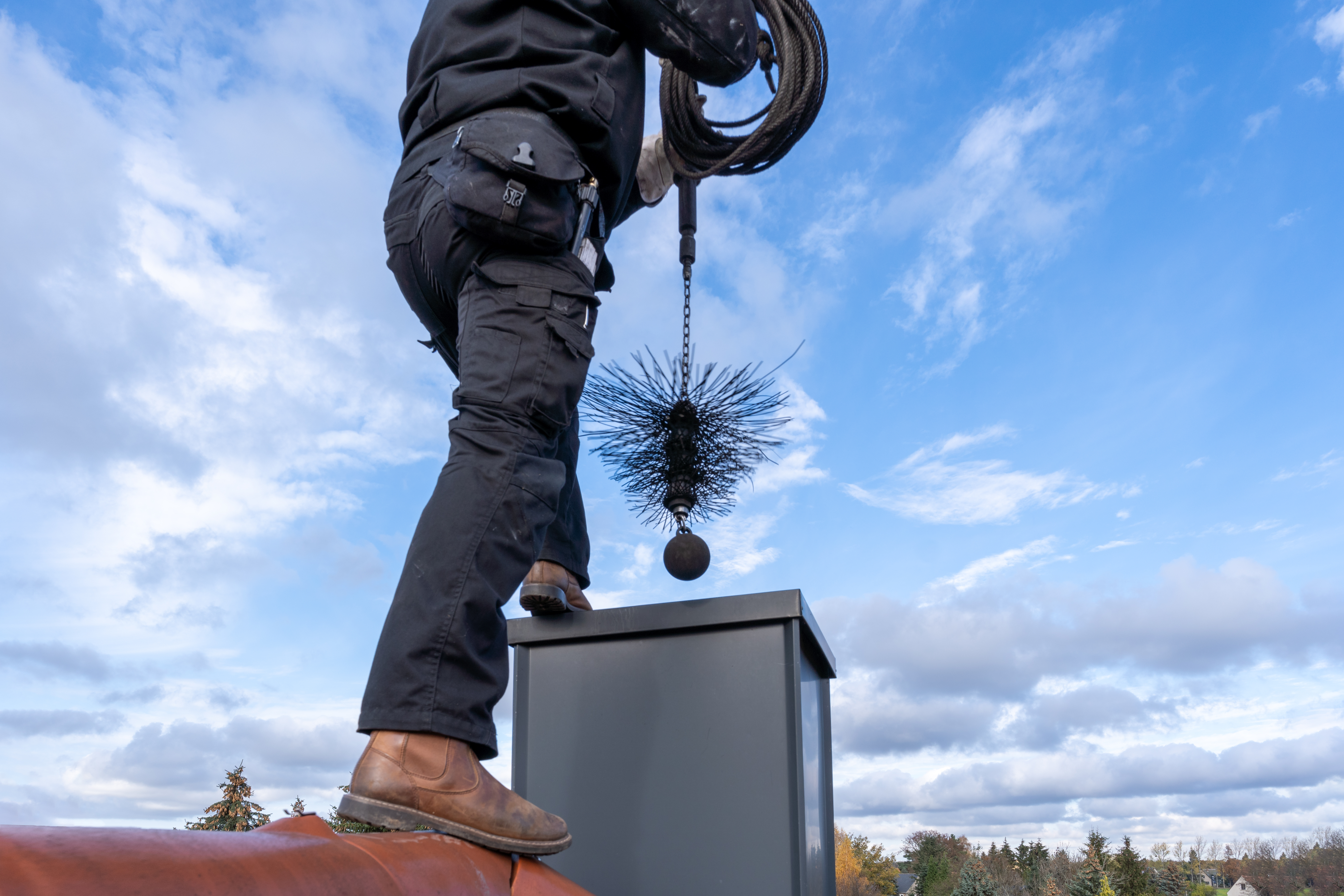
Sticky shoes help, but you shouldn't be walking on the steel roof— let the pros do that. it's dangerous enough to walk on asphalt shingled roofs which have quite a bit of texture. Stone coating adds a lot of grip, but it still doesn't lock your foot down, so if you absolutely have to be on the roof, make sure you’re secured in another way, like with the harness and rope.
Homeowners insurance may cover chimney leaks, repairs, or replacement, but coverage depends on the cause of the damage. If the chimney is damaged by a sudden, covered peril like a lightning strike, storm, hail, fallen tree, or an unexpected fire, your policy is likely to cover the costs. However, insurance generally does not cover damage resulting from normal wear and tear, old age, or a lack of proper maintenance, such as failing to perform regular cleanings and inspections. If a fire or other damage is caused by a known issue you didn't address, the claim may be denied. Additionally, some policies may have specific exclusions for events like high winds or earthquakes.
The Wrangell, AK homeowners’ guide to chimney inspection services
From average costs to expert advice, get all the answers you need to get your job done.
Getting annual chimney inspections is essential for maintaining a functioning chimney. Prepare for a chimney inspection by understanding what to expect and how to prepare.
Stay on top of your chimney safety and maintenance with our chimney inspection checklist featuring expert tips on how to work with an inspector near you.
If you want to be sure your chimney is working properly, you’ll need a professional inspection. So who does chimney inspections? We’ve got all the info.