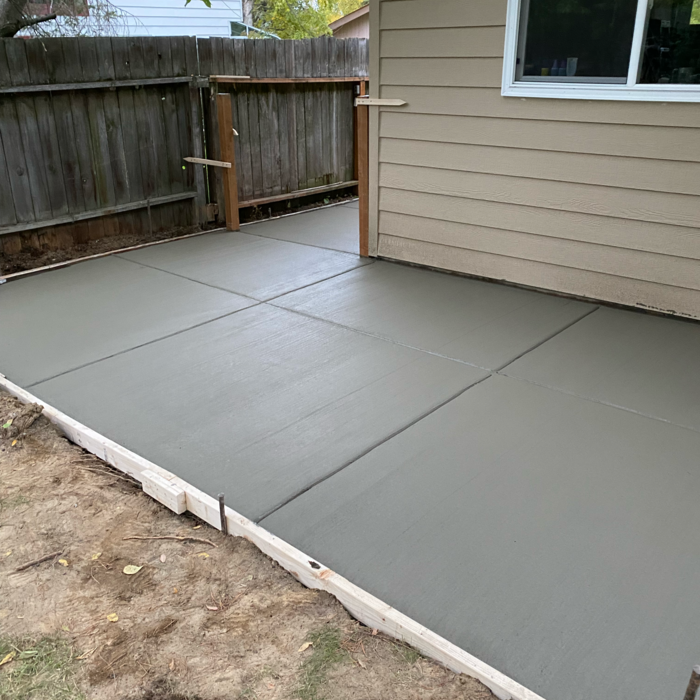
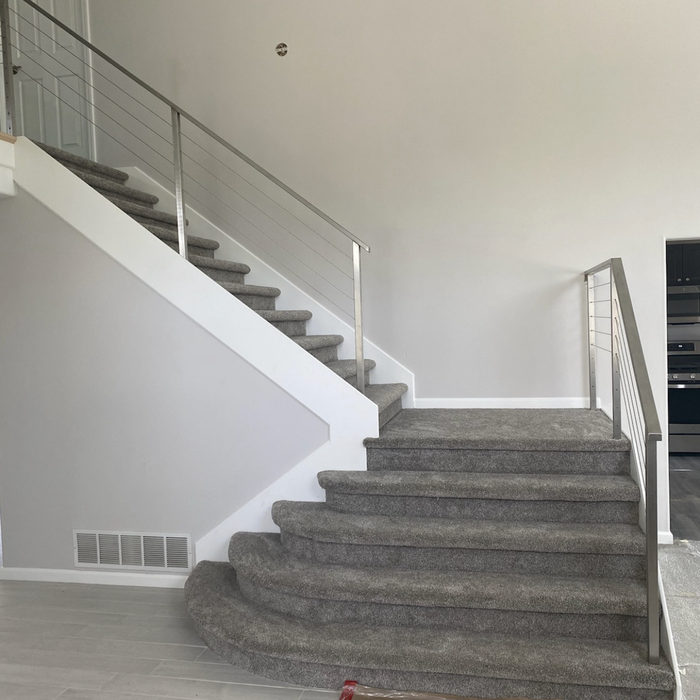
"Russ and his team did a great job reconstructing our 3-tiered rock wall garden. Not only did they stay within budget but they finished the project earlier than expected! Alex and his team worked hard and did an amazing job. We are beyond pleased and would definitely recommend their services."
"Very good. They showed up when they said they were going to, they finished when they said they were going to, the quality and everything is good as expected."
Box fill refers to the maximum number of conductors that can be contained within a wiring enclosure box, as well as the total volume of the components. Determining the allowable number of conductors in a box requires adding up the number of conductors, clamps, support fittings, devices and equipment, and equipment grounding conductors to make sure you’re within the allowable volume.
The driveway apron is a technical term referring to where a private driveway meets the public street. If there is a sidewalk in front of the house, the driveway apron is typically on the opposite side of the public sidewalk from the driveway itself.
One advantage of selecting a resin bound driveway over concrete or asphalt is that homeowners have a variety of colors to choose from. Manufacturers customize aggregate materials, so customers can choose browns, golds, greens, blues, reds, and blacks. Some manufacturers also offer metallic shades.
Installing a walkway to your home can add value, as it can make your landscaping look more intentionally designed and boost your overall curb appeal. In addition, walkways can be installed with accessibility in mind, which can be helpful for those with mobility issues or who need a wheelchair.
Costs range from $3 to $7 per square foot, depending on the area size and project scope.
The Craig, AK homeowners’ guide to paving services
From average costs to expert advice, get all the answers you need to get your job done.
Get proactive with marketing for your paving contractor business. Use these paving marketing ideas (ranked by budget and experience level) to grow your business, get more leads, and earn more money.