Burton Builders
Tree Stump - RemoveTree Trimming
Serving Craig, AK and surrounding areas


Serving Craig, AK and surrounding areas
In business since 2001
Free estimates
Emergency services offered
"Professional. The crew removed the trees without debris falling into neighbors yards. Felled trees and branches all removed. Cost was reasonable - less than $300/tree."
Serving Craig, AK and surrounding areas
In business since 2018
Free estimates
Credit card accepted
"Shaw is knowledgeable and informative. He went above and beyond to ensure my property was taken care of and not damaged anymore by the trees that were blown over in my yard. He and his crew took great care with my buildings an equipment that were around the damaged trees. I've hired SR Tree Services two more times to help clear willows and mulch the shrubs. I'll continue to hire them as I go along here. Thanks guys for all you did for us! Fair pricing too!"

Serving Craig, AK and surrounding areas
Free estimates
Emergency services offered
Credit card accepted
"Did not utilize their services; relied on a neighbor's help"
+5
Serving Craig, AK and surrounding areas
In business since 2024
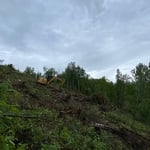
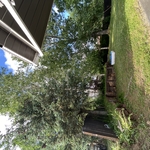
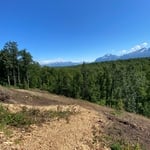
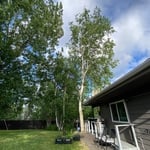
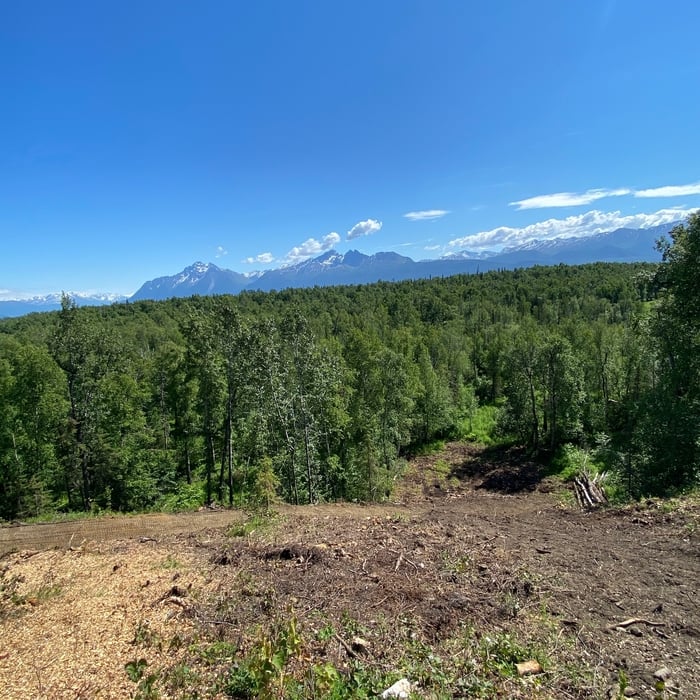
"Dan did a great job. He worked on a couple of projects for us. He even saw the work another contractor did and cleaned it up so it was more aesthetic. Super receptive to feedback and did an excellent job with customer service. We’re looking forward to using him again."
+33

Serving Craig, AK and surrounding areas
In business since 2015
Free estimates
Emergency services offered
"Very experienced at difficult tree removal in close quarters. Reasonable cost with no surprises. Professional and hard working. Would definitely use them again."

Serving Craig, AK and surrounding areas
In business since 2020
Free estimates
Emergency services offered
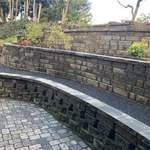
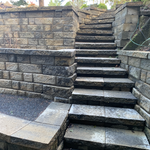
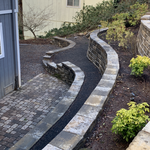
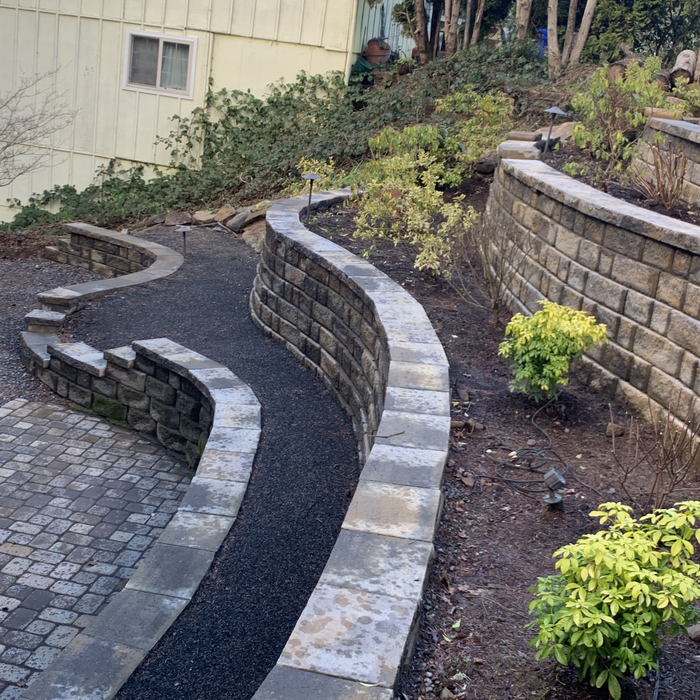
"Tree work was fast, good and reasonable price. Very fair Price and beautiful design and work on the retaining wall, Island Pro is my go to team for work around my Home. Kevita is a real pro!"

+15

Serving Craig, AK and surrounding areas
In business since 2019
Emergency services offered
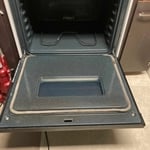
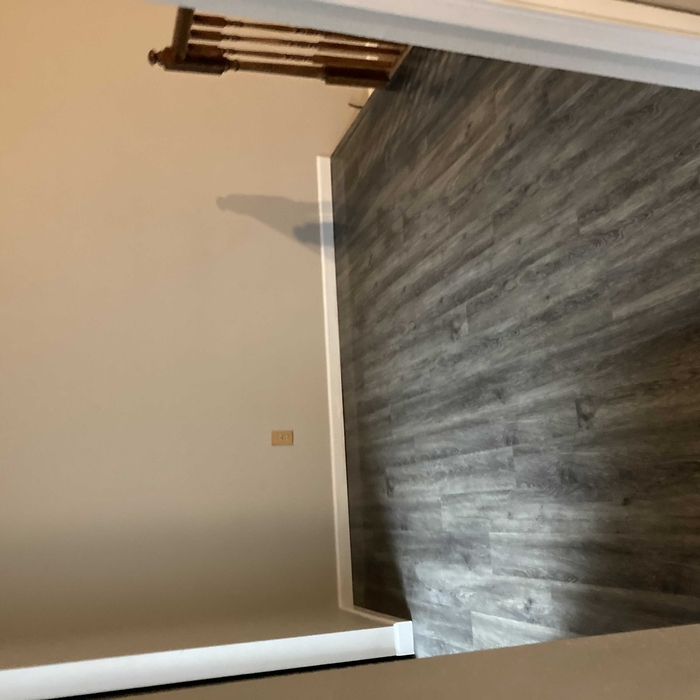
"They were really great. They helped me organized and cleaning. I've been using their service weekly."


+67

Serving Craig, AK and surrounding areas
In business since 2022
Free estimates
Credit card accepted
We are an experienced landscaping service provider, here to help you with all your landscaping, decks, fencing, lawn care needs you may have.

Serving Craig, AK and surrounding areas
In business since 2016
Free estimates
Emergency services offered
Hello David here owner Crystal Clear window washing of Anchorage. I am one of the best in the city for residential and small commercial window washing . Have over 7 years of " HIGH END RESIDENTIAL WINDOW WASHING experience Consider myself a HIGH END SPECIALIST. Have a number of homes in the greater Anchorage area. I have many home owners that use me exclusively and have for years. I wash on some of the most prestigious homes in Anchorage and would love to have you on my list. I can provide excellent references from very prominent and very satisfied customers. I go the extra mile to make sure my customers are more than satisfied. I will leave them wondering if there is actually glass they are looking through, many customers in awe of how clear and transparent the finished window should and will look. Try me, you won't be disappointed.
From average costs to expert advice, get all the answers you need to get your job done.

How much does an arborist cost? This guide explains the cost of different services, ongoing expenses, and other factors to consider when hiring an arborist.

Tree inspections can ensure your trees stay healthy and safe, preventing costly damage. Learn how much tree inspections cost and what can affect the price.

Moving your favorite tree isn’t exactly a small task, so we’ll break down some common tree transplanting costs so you can be prepared.

Don’t get ripped off when hiring a professional tree service to remove trees. Make sure you watch for these scams that occur much too often.
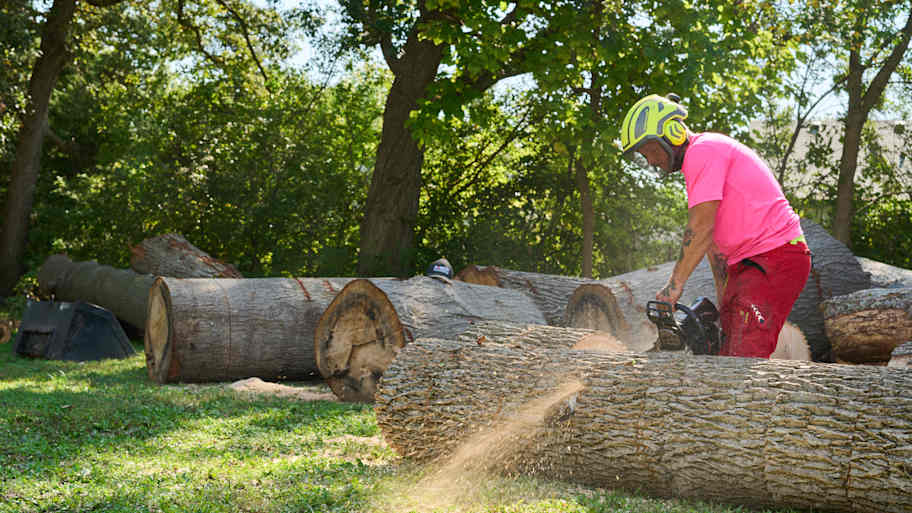
Follow these tips to learn how to find a good tree removal service. Doing a little research can help you save time and money when you need to say goodbye to your trees.
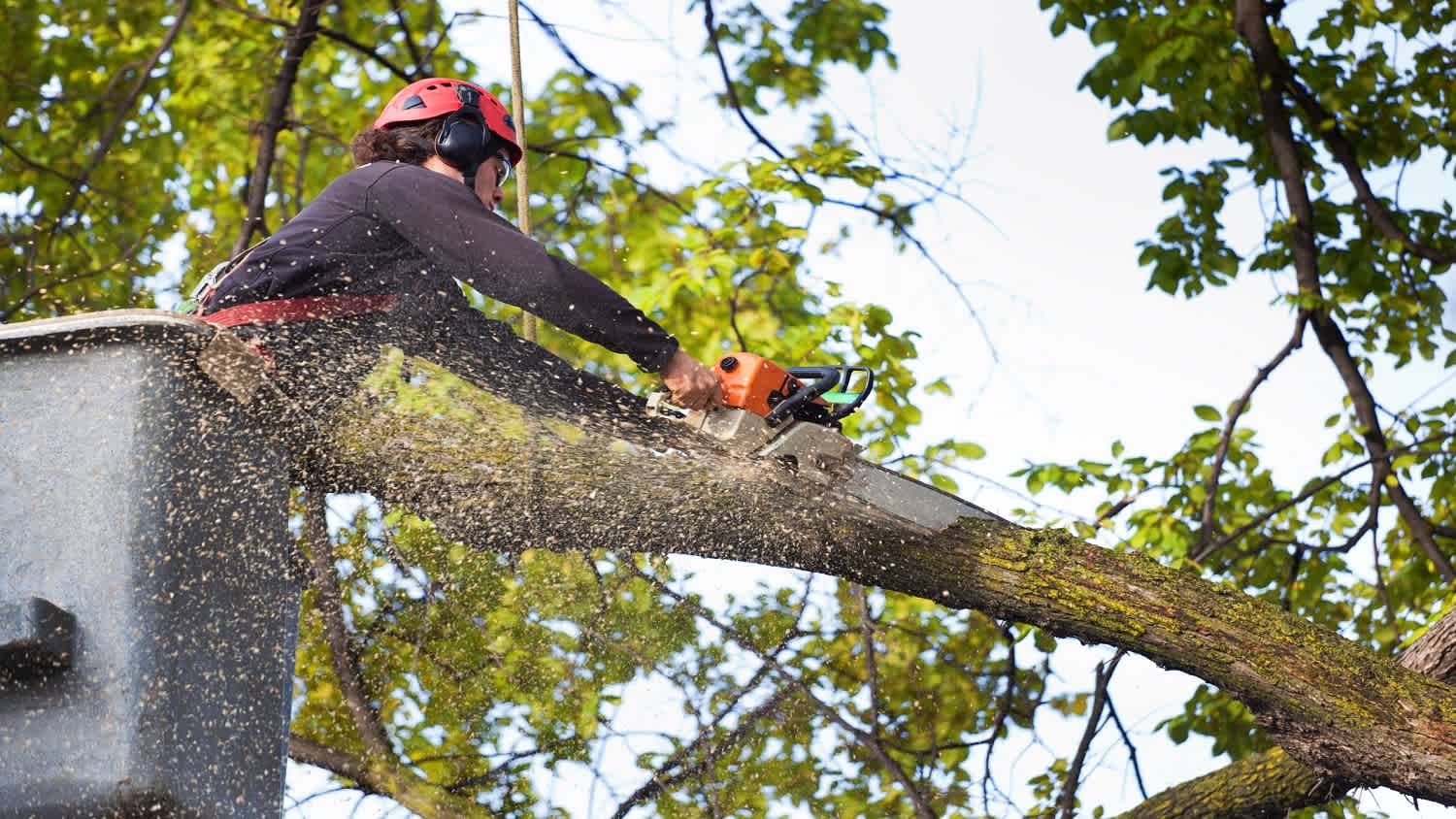
You suspect that the leaning oak tree in the back needs to come down, but can you just handle it yourself? Here are the pros and cons of calling a tree service.