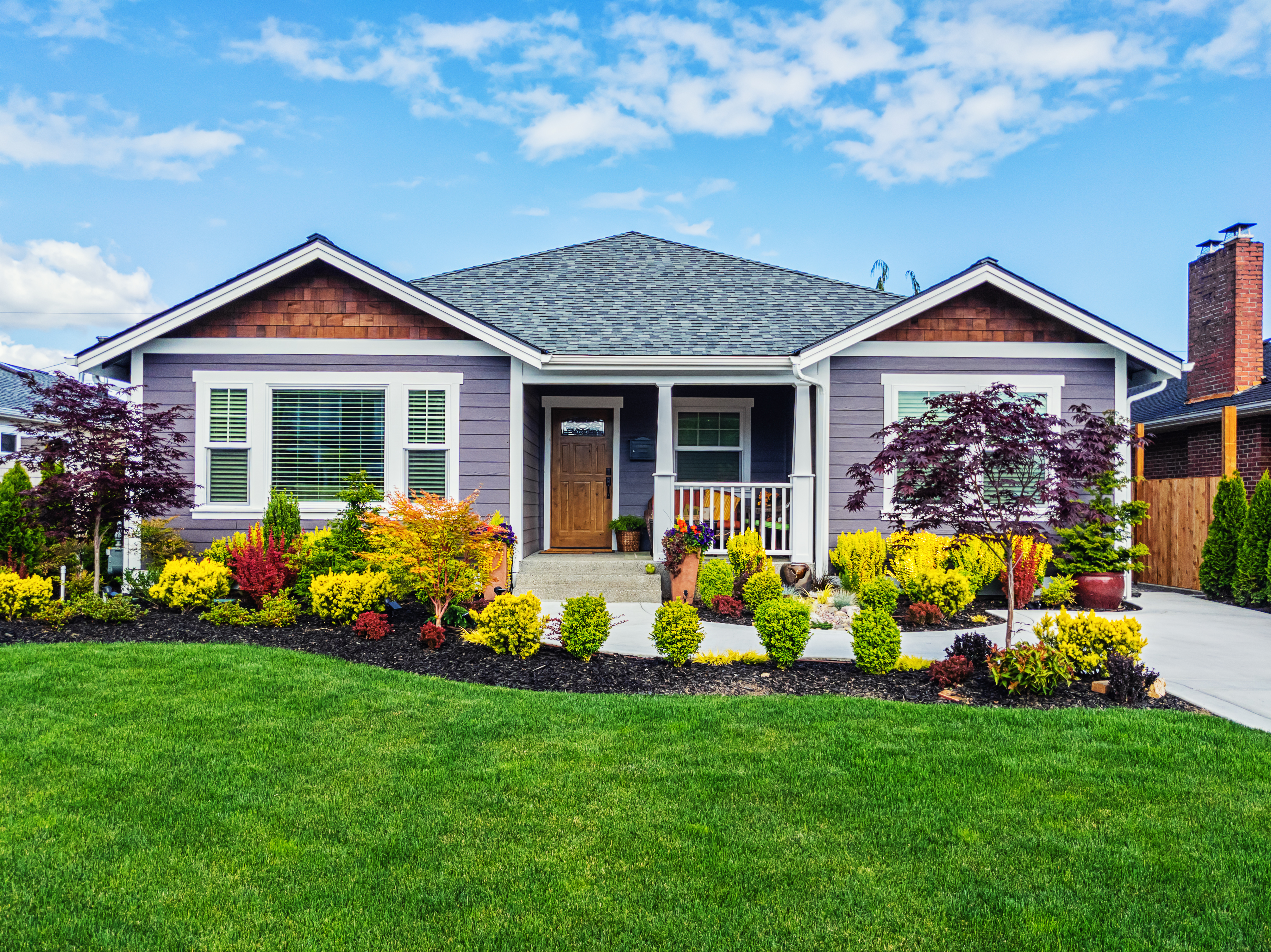
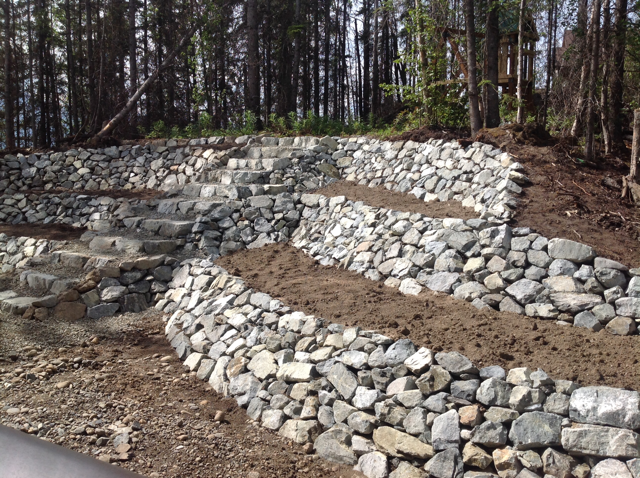
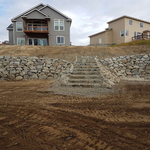
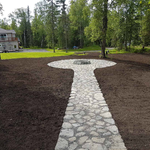
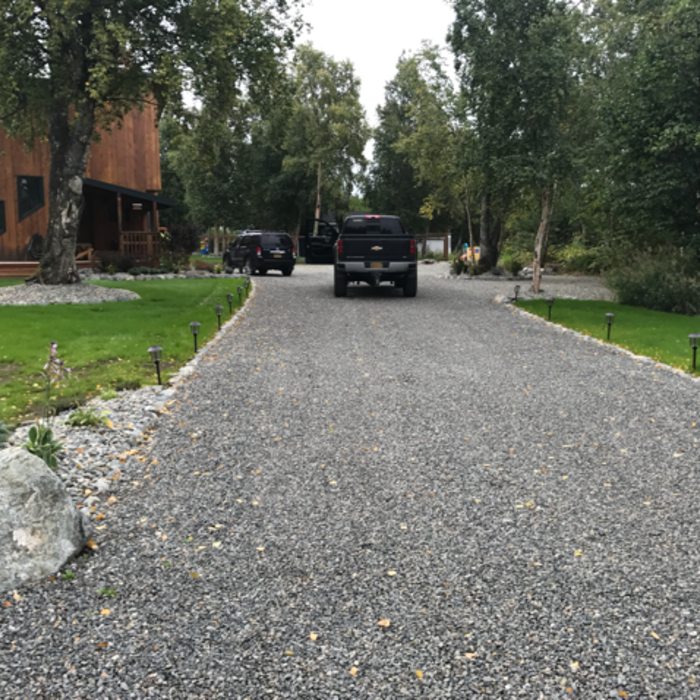
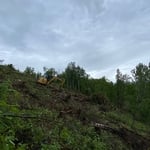
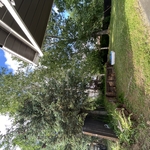
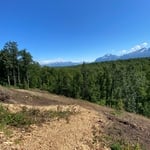
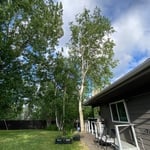
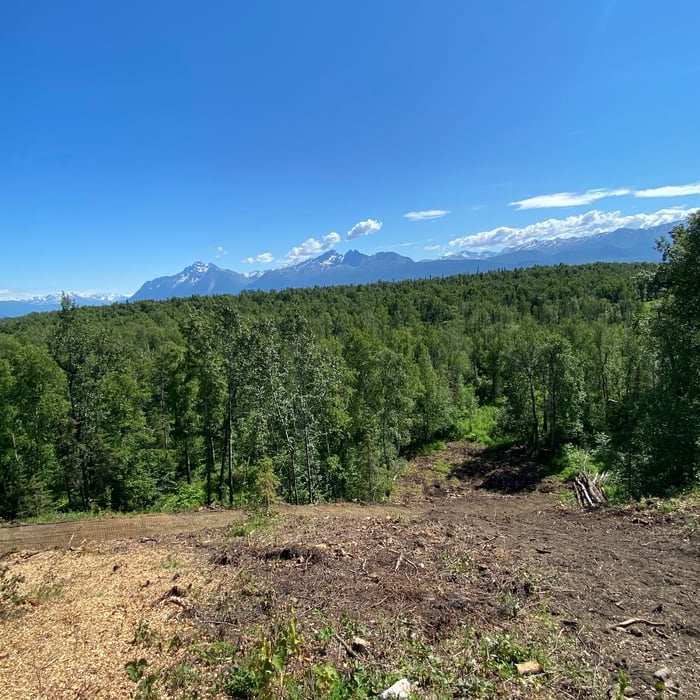
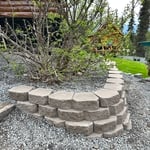
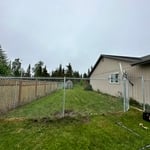
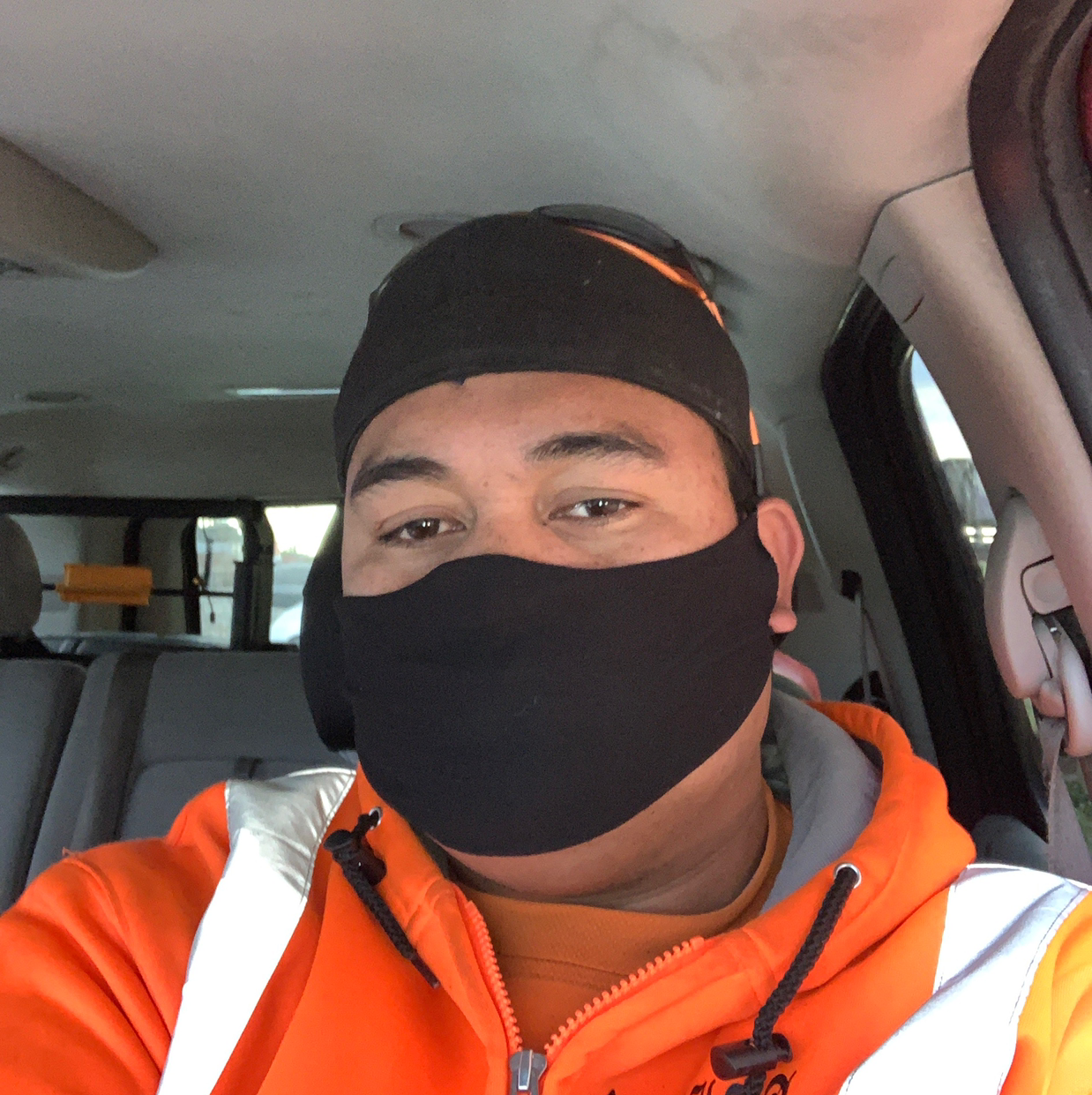
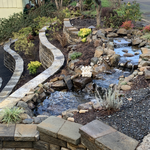
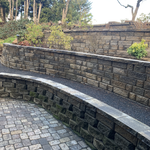
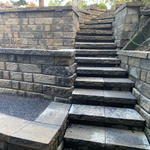
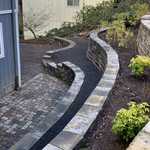
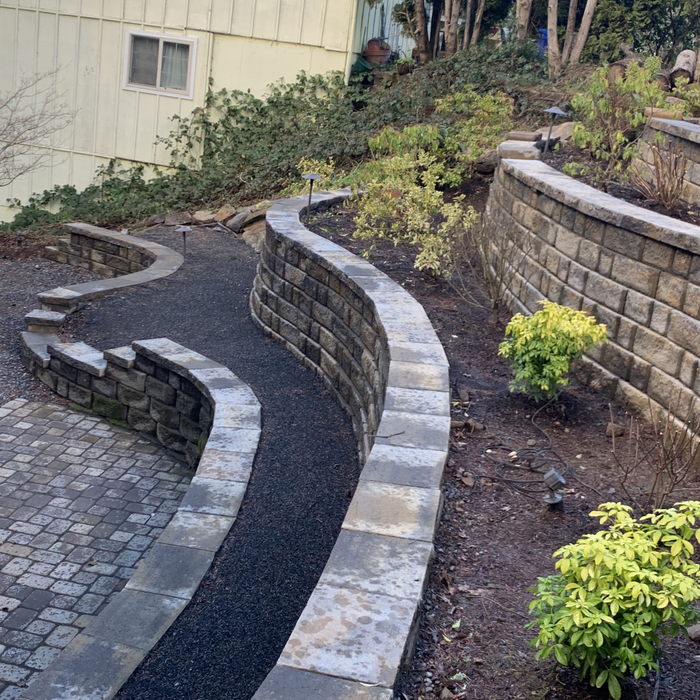
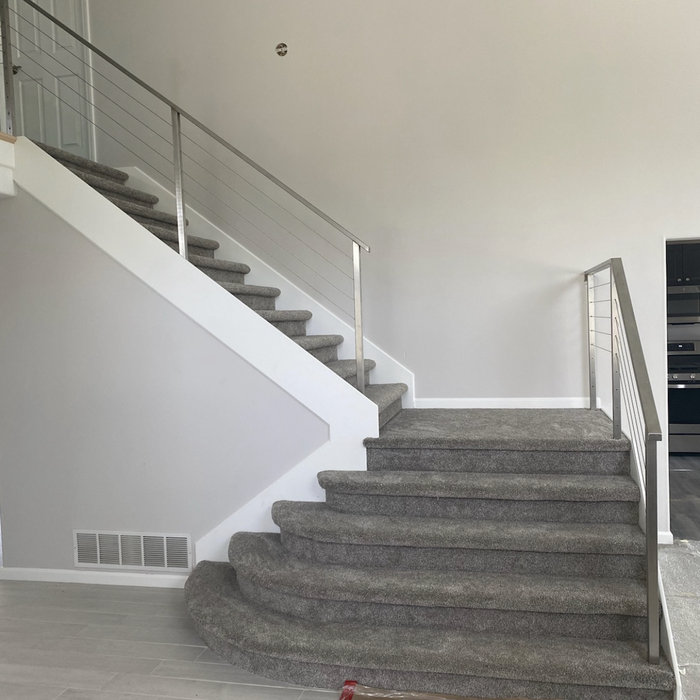
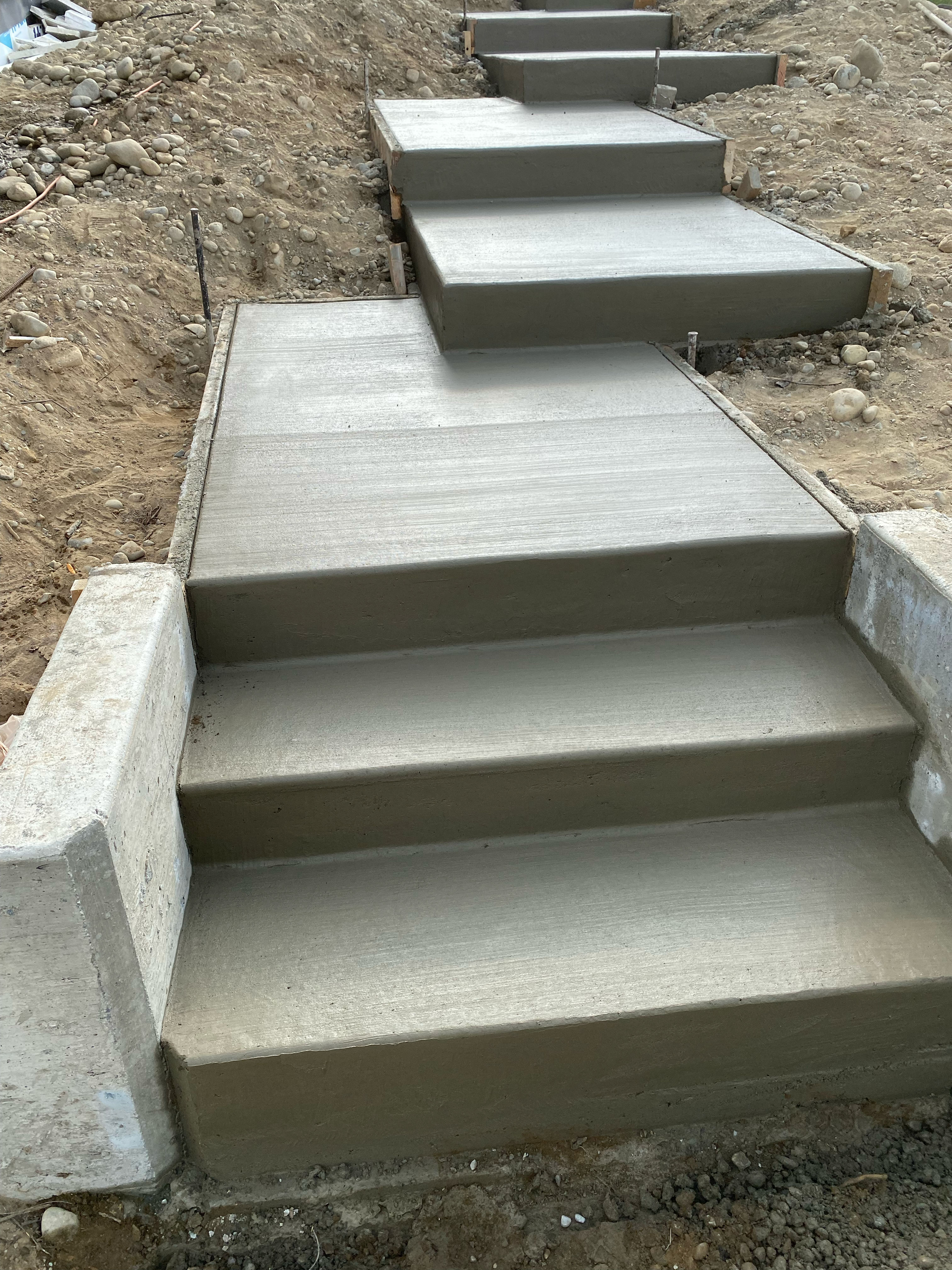
"Rock Landscaping tackled a big project for us by shoring up sloped areas with retaining walls ranging in height from 2 to six feet. Additionally, they masterfully installed a beautiful large stone staircase up a steep grade (21 steps) to the upper portion of my property and surfaced my long driveway (.12 mile) with a good thick coating of D1. Russ Enz the owner gave me great pricing on this $50k plus monster sized project. His guys are true professionals, who are easy to work with, understand your vision, work hard and have a knack for turning raw land into a gorgeous landscape. Thanks Rock Landscaping for the great experience!"
"Daniel’s work is top notch. I would highly recommend. His prices are fair and his work is detailed. I will definitely use him again on any landscaping needs."
I have close to 20 years of professional tree and landscape experience. I am here to address any Tree service and Landscape Designer contractor needs you may have.
Transform your outdoor space with our expert landscaping services. From excavating to designing and maintaining beautiful landscapes, we are here for you. Trust our responsible approach to create the perfect outdoor oasis. Contact us today.
"Top Notch did an excellent job deep cleaning my house, they worked very hard and took every Covid precaution possible. I will definitely have them back soon!"
DIY landscaping is possible, but professional services offer expertise in selecting appropriate plants and designing functional spaces that complement the natural environment and adhere to local regulations.
Grass is the most popular and safest option for planting over a septic drain field, but you can also plant small flowering plants and other lightweight plants that don’t have woody or deep roots. Avoid trees and bushes within 10 feet of the field, as the woody roots can crack the perforated pipes. You should also avoid planting vegetable or fruit gardens over your drain field, as a leak from the pipes could contaminate the soil and put anyone who eats the produce at risk.
A half inch above ground level is ideal for metal edging. This provides enough depth for the edging to hold in place and enough height to keep in most landscaping materials (like mulch or gravel). If you install edging too high off the ground, it will stand out from your landscaping and pose a tripping risk. If you install it too low, your ground cover won’t stay in place.
Most experts recommend a quarter-inch layer of compost for best results, and you will need about .77 cubic yards of material per 1,000 square feet. To measure how much compost to use, take the square footage of your yard and multiply it by .77, then divide that number by 1,000.
As much as you might try to keep a healthy, nutrient-rich lawn, you still may notice signs of St. Augustine decline (SAD)—a viral disease that discolors your grass blades. St. Augustine decline looks like:
Discoloration in the leaves (chlorosis)—leaves appear yellow and splotchy
Decline in growth
Leaves turn black within 3 years
Grass appears less vibrant
Grass begins to thin
Root rot
Grass takes longer to recover
The Craig, AK homeowners’ guide to landscaping services
From average costs to expert advice, get all the answers you need to get your job done.
A landscape designer can elevate your outdoor space and bring your vision to life. Use this landscape design cost guide to budget for your next project.
A good landscaping website can help you land more sales and build your credibility. Read our list of must-have pages and ideas for your website to help potential clients find you and drive more business for your lawn care company.