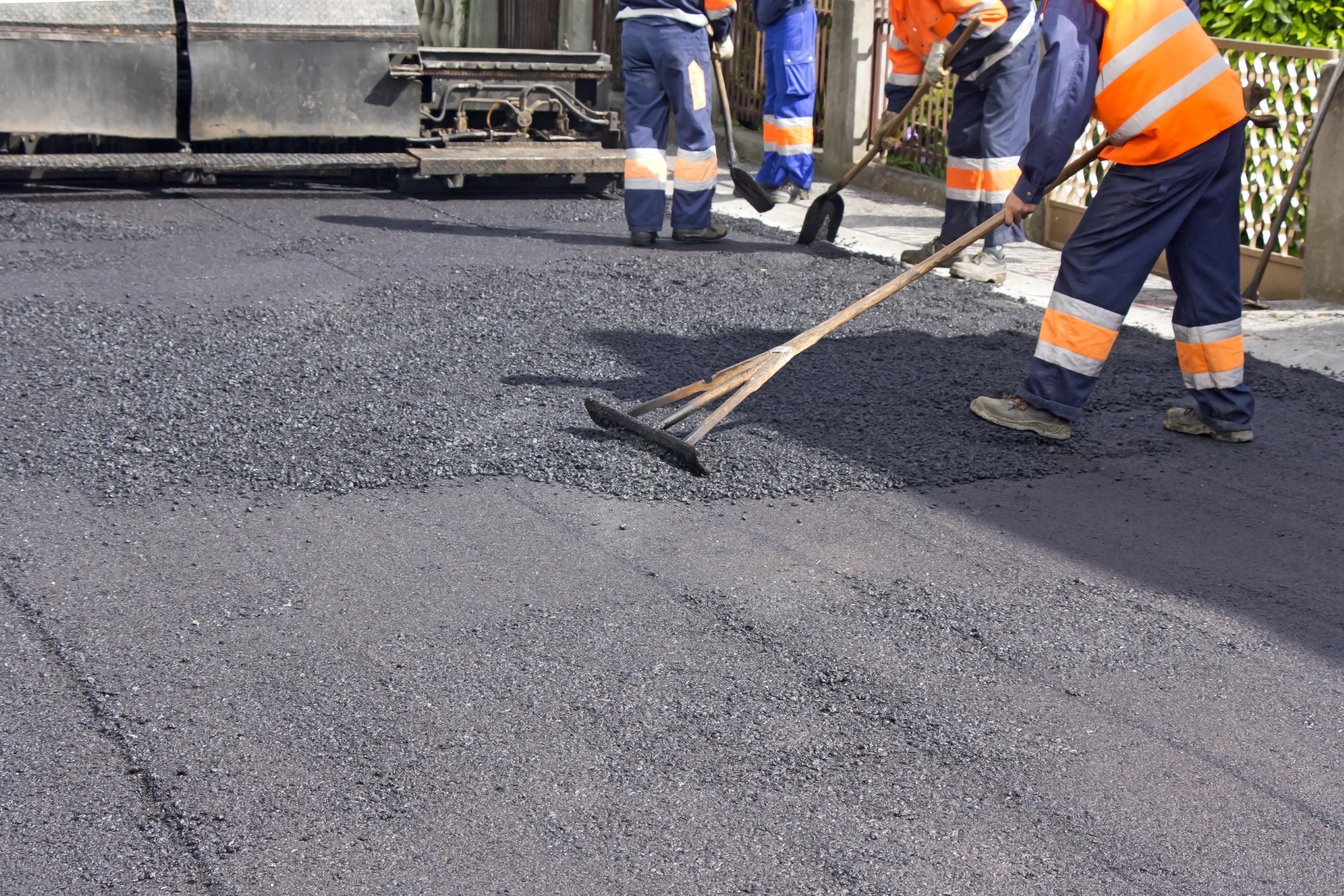
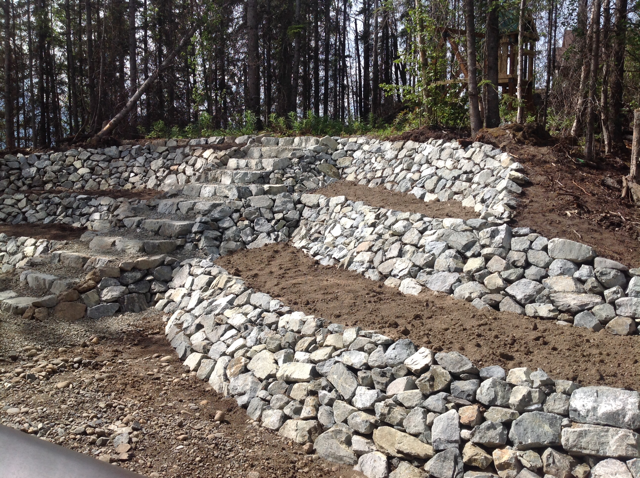
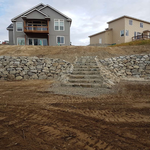
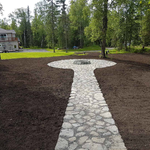
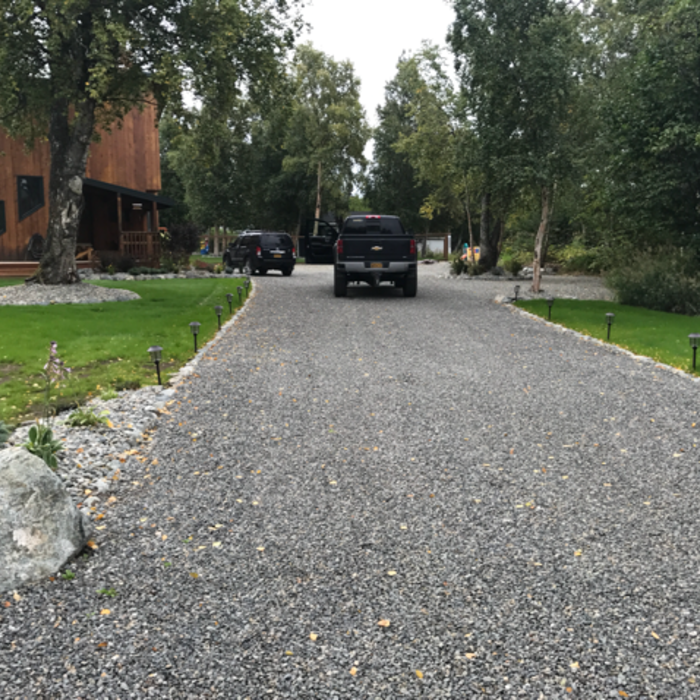
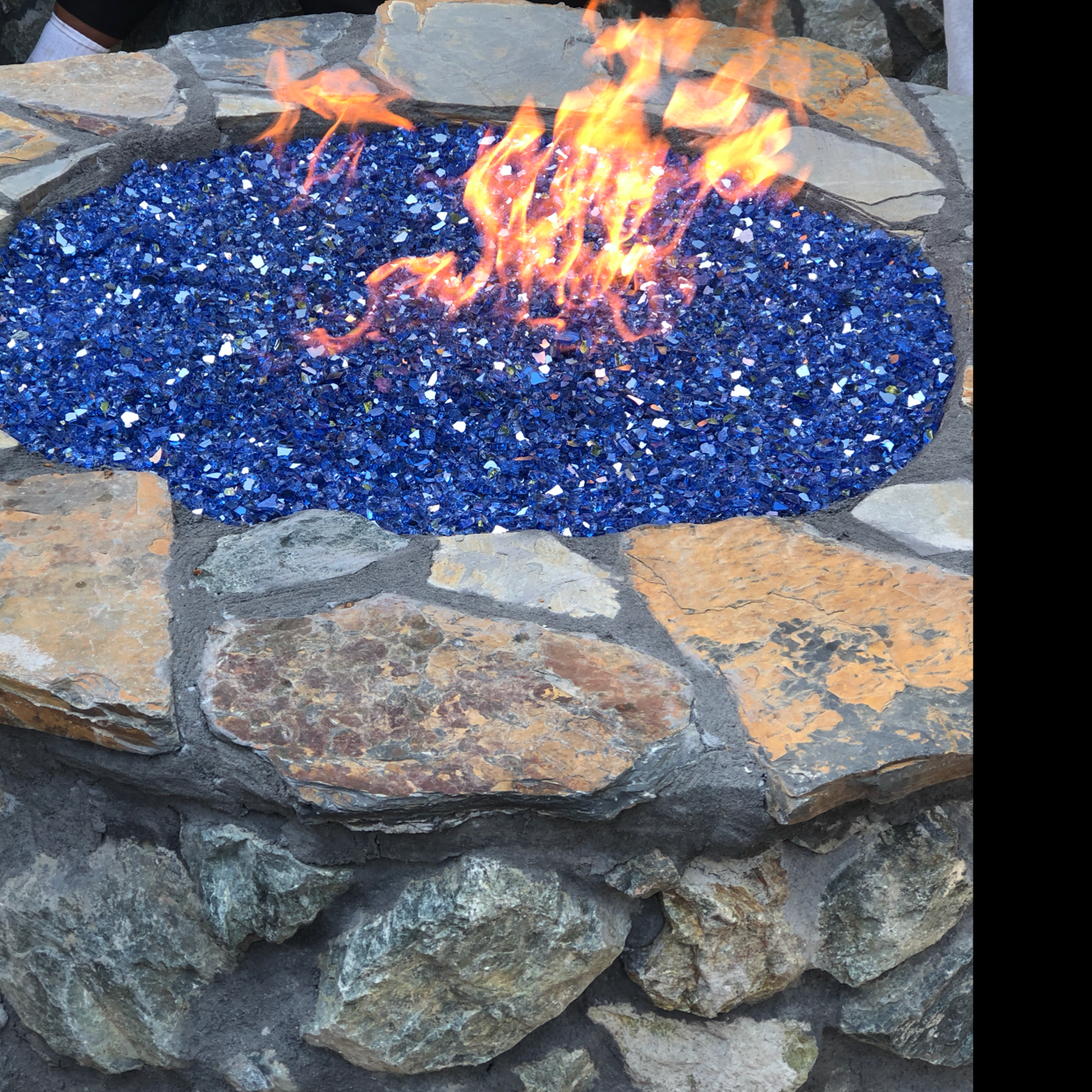
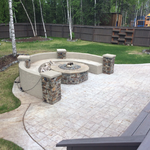
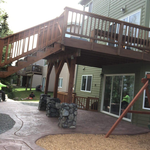
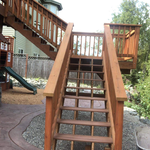
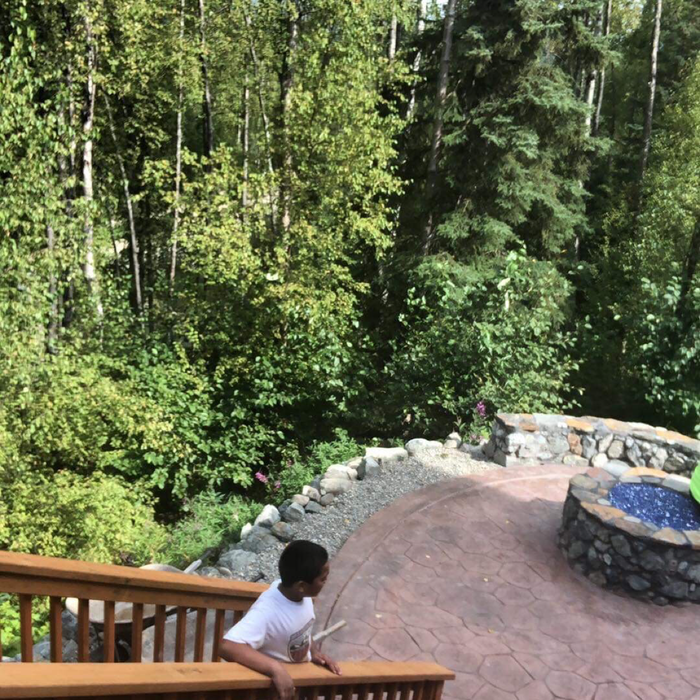
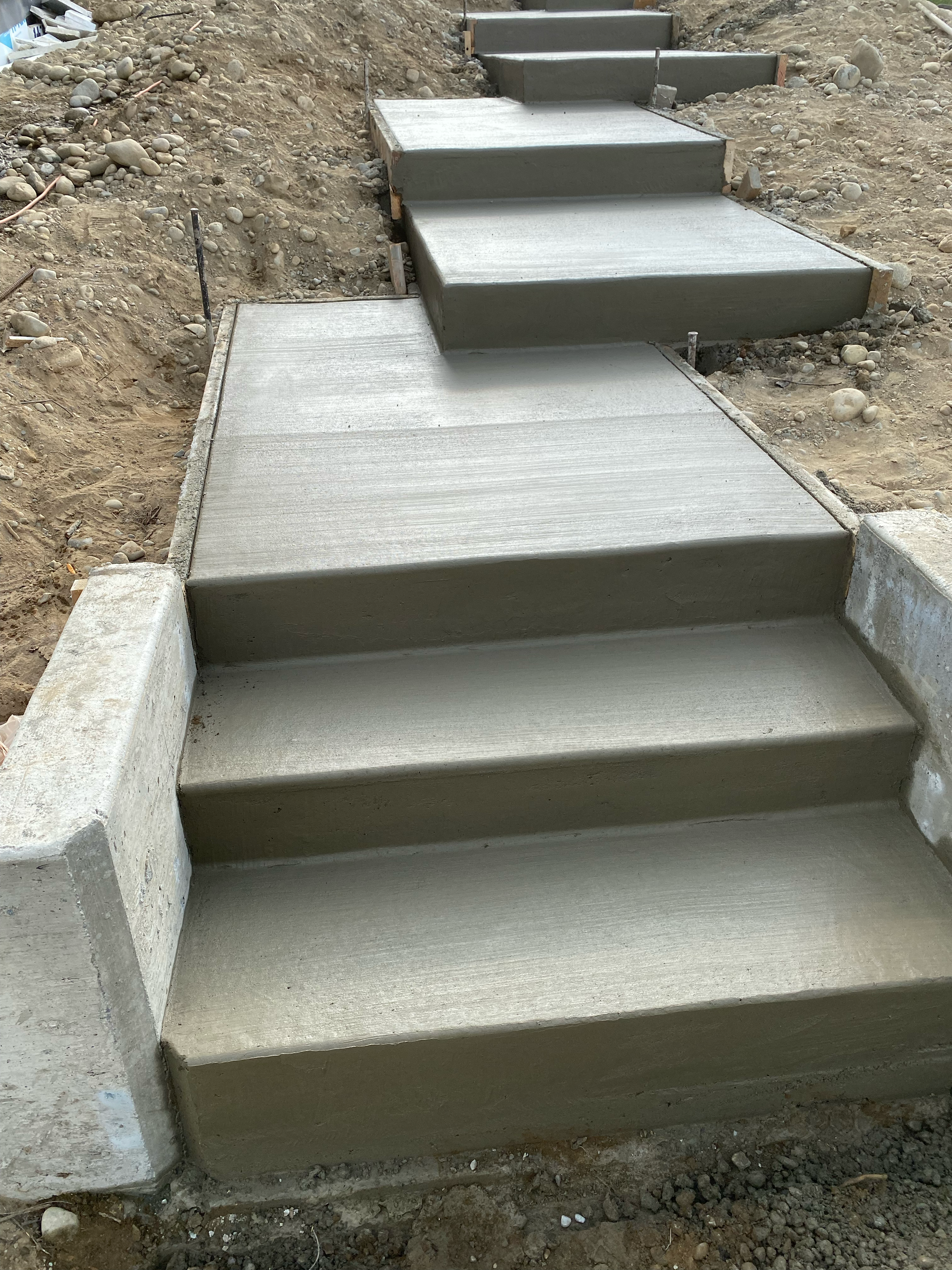
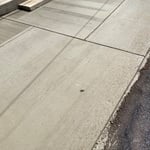
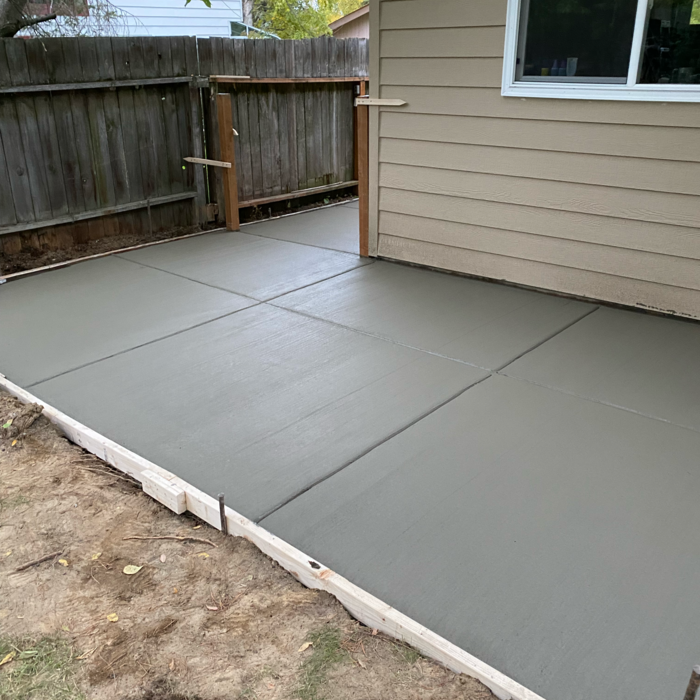
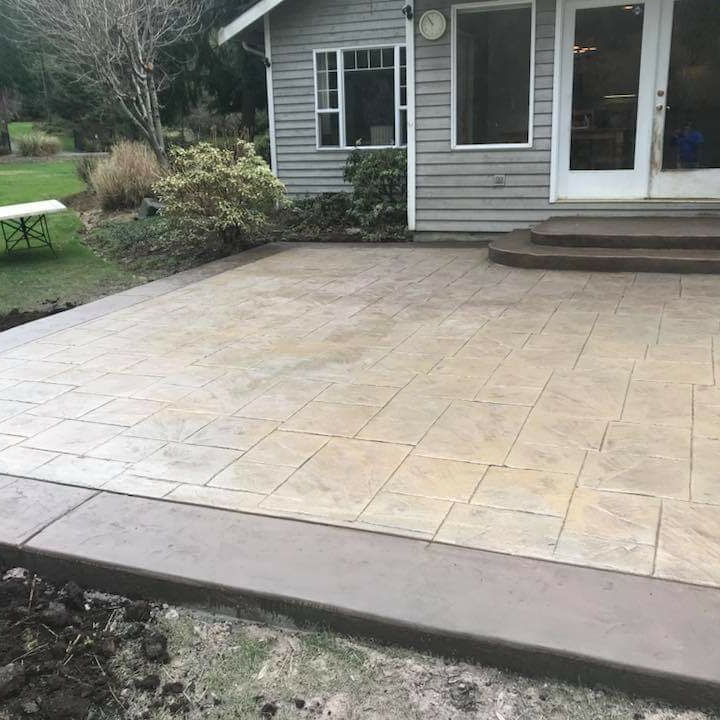
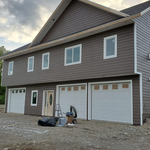
"Rock Landscaping tackled a big project for us by shoring up sloped areas with retaining walls ranging in height from 2 to six feet. Additionally, they masterfully installed a beautiful large stone staircase up a steep grade (21 steps) to the upper portion of my property and surfaced my long driveway (.12 mile) with a good thick coating of D1. Russ Enz the owner gave me great pricing on this $50k plus monster sized project. His guys are true professionals, who are easy to work with, understand your vision, work hard and have a knack for turning raw land into a gorgeous landscape. Thanks Rock Landscaping for the great experience!"
"Very good. They showed up when they said they were going to, they finished when they said they were going to, the quality and everything is good as expected."
An asphalt driveway should be at least 3 inches thick over a compacted gravel base. Areas with poor drainage should have a thicker stone base. To install a new asphalt driveway over an existing driveway, the new asphalt should be at least 2 inches thick and the existing driveway should be in relatively good condition.
The dimensions of a driveway apron vary based on local building codes, the width of your driveway, and the distance between the driveway and the road. On average, aprons range from 12 to 24 feet wide and 8 to 18 feet long. Typically, the end of the apron connected to the driveway matches its width—such as 10 to 12 feet for a single-car driveway—while the end at the street flares out to allow cars to turn in and out more easily. In some areas, you may not be responsible for the portion of the apron that extends beyond the sidewalk, but this depends on local laws.
Gravel is the cheapest way to extend a driveway. Gravel is an affordable, practical option that’s easy to install and perfect for DIY projects, helping you save on labor costs. It can be quickly spread and leveled to create extra driveway space without heavy preparation. While gravel doesn’t offer the same durability or finished look as concrete or asphalt, its low cost makes it ideal for budget-conscious homeowners who want a functional solution without overspending.
Asphalt paving offers several benefits, including cost-effectiveness and a quick installation process. It provides a durable and smooth surface, making it ideal for high-traffic areas. With proper maintenance, asphalt also offers longevity.
Driveway aprons typically range between four and seven inches thick, though your town's building codes will likely have specific requirements. Additionally, you may need to add a layer of permeable aggregate in the excavation below your paved apron to ensure proper stormwater drainage.
The Craig, AK homeowners’ guide to asphalt driveway services
From average costs to expert advice, get all the answers you need to get your job done.
Adding a new asphalt driveway to your home can boost its overall appearance and give homeowners a nice ROI down the line. But how long do asphalt driveways last, and what can you do to maximize their lifespans? Read this guide to find out.