
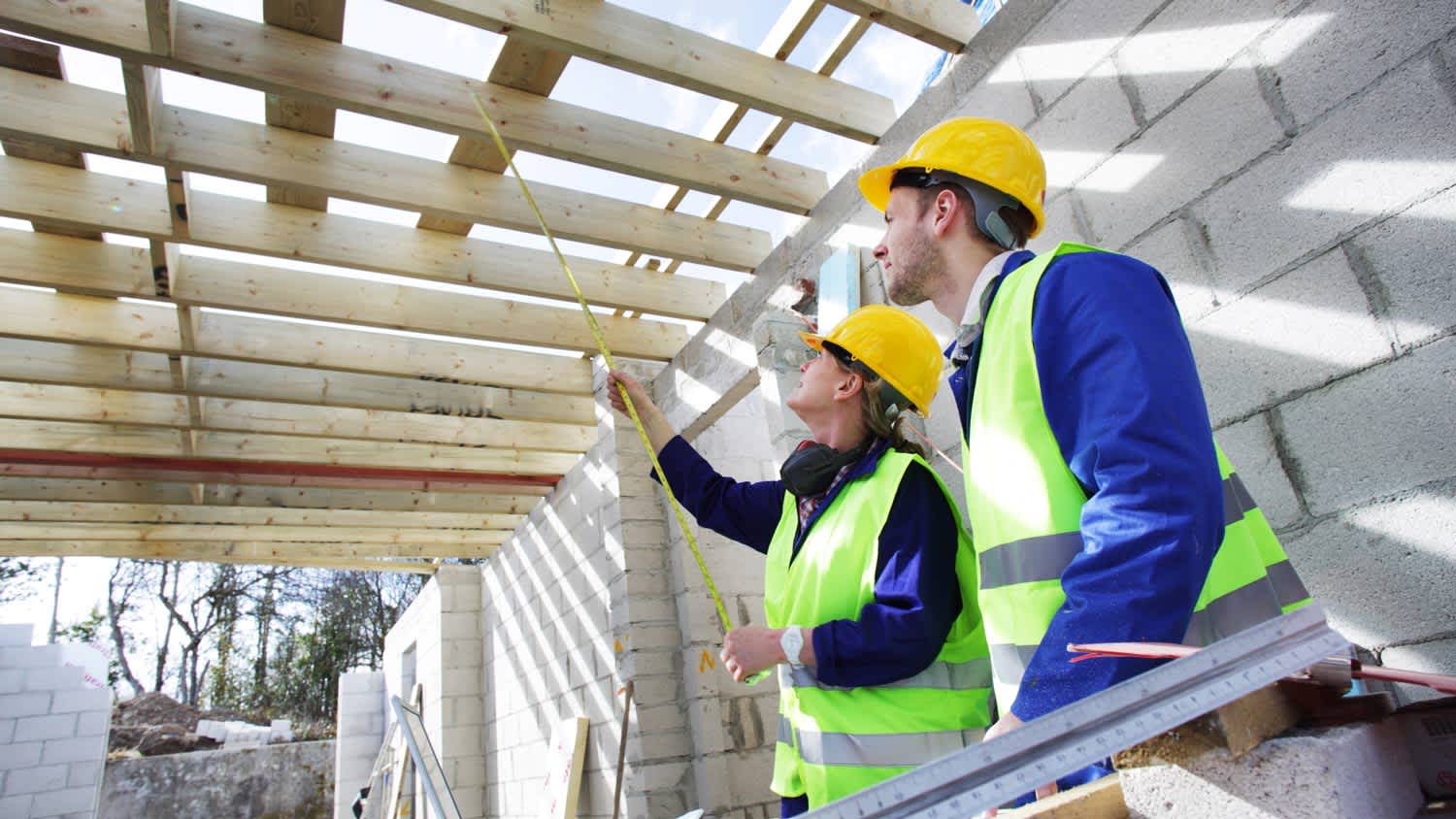
Building permits are essential. Here’s everything you need to know about building permit costs to budget accordingly for your building project.
Failing to pull a permit can lead to big problems for your construction project

Building without a building permit means you face fines, forced demolition of non-compliant work, or legal action from future buyers who discover your unpermitted renovations.
Your homeowners insurance can cancel coverage when they find unpermitted work that violates building codes, leaving you unprotected if something goes wrong with your home.
Contact your local building authority after work is done to submit documentation, schedule an inspection, pay the required fine, and bring your project into compliance.
Hiring a local structural engineering professional provides expert evaluation of completed work and documentation that satisfies building inspectors when permits were never pulled.
If you’re planning a construction or renovation project, pulling permits is an important step in ensuring the job is completed legally and in compliance with local building codes. Who’s responsible for pulling permits can depend on the specifics of the project, but you’ll want to be sure you have the proper permits in place to avoid the expensive consequences of not having them.
Get all the necessary permits for your project as early as possible to avoid construction delays. Talk to your contractors about what permits are required and who needs to pull them.

Most reputable contractors include the price of permits in their bids. However, not all contractors pull permits. If your contractor didn’t get a building permit before starting construction on your home, you’re responsible for securing a permit after the fact.
The cost of pulling a permit gets significantly more expensive if you wait until after the work has started. For any permit pulled after the work is done, you may face a fine that doubles what would have been your initial cost had the contractor pulled it before construction started. Building permits last about six months on average, giving half a year for work to commence after the permit is pulled, so it’s worth it to pull one early rather than missing this vital step and trying to rectify it later.
The building and planning commission will schedule an inspection to see what work your contractor completed. The inspector will only approve modifications that they can visibly see. If the project is more complex, then a visual inspection may not be sufficient. In some cases, you may even need to undo parts of the construction if it does not meet building safety standards.
The inspector must also ensure that your home meets local building codes. The inspector may ask you to provide information about the company that did the work so they can check in and certify with the contractor what work was done. If your contractor is unresponsive, you might need to call in a reputable structural engineer near you who can evaluate the project and share any findings with the commission.
If there’s still ongoing work for your addition, you should pull those permits before the contractor completes any more work. You can have the permits checked off by the inspector for compliance as the contractor completes the project.
The first and most important step in pulling a permit after work is complete is to contact your local building authority and explain the situation. You’ll need to submit details and documentation of the work, including design schematics and any other documents supplied by the contractor.
Depending on the situation, the building authority will advise you of the next steps, which will likely involve an inspection, a fine, and potentially some alterations to the completed work to ensure it meets code requirements.

If you decide to ask forgiveness rather than permission when it comes to building permits, it can cost you. Penalties for building without a permit can range from hefty fines to needing to demolish the work if it isn’t up to code. Unpermitted work can also affect your ability to sell your home or lead to consequences once it’s sold—if you don’t have the proper documentation for completed work, the new owner can take legal action against you for misrepresenting the property.
Unpermitted work can also cause complications with your homeowners insurance. Insurance companies may cancel your coverage if they discover unpermitted work that’s not code-compliant. Work completed without a permit could also pose a safety risk, from structural instability to fire risks and more. Having work completed by a reputable general contractor near you who pulls the proper permits and follows local building codes will help you avoid these serious consequences.
Exquisite workmanship from Custom Paint Jobs LLC. My home has never looked better.
 Custom Paint Jobs, LLC
Visited my home for estimate same day that I called. Painted on Saturday. Great job. Good price!
Window Depot did an amazing job on my deck. I wasnt sure what I wanted to do, but their composite decking was affordable and will last a long time. I am excited to have family over, and I am no longer embarrassed by my backyard. Jeff and the ground crew were polite, respectful, and caring for...
 Window Depot USA of Central Ohio
The guys did an outstanding job and we had a great experience with CarifaTile. I appreciated that Joe reviewed the quotes with me and set expectations prior to the install. The crews showed up as scheduled and always left the areas clean upon leaving the house. We will definitely use...
 CarifaTile
Beginning with the estimate, Larry and Peyton were super helpful in getting my new condo's interior re-painted. Not only was the job well done, but also done in a super timely manner as promised.
 Five Star Painting of Plain City and Powell
BJ Trim Carpentry rescued me in the middle of a do-it-yourself project. I found I needed more expertise than I had...and more TOOLS! BJ Trim Carpentry responded quickly and completed what I needed expertly, politely and with a little humor!
This brownstone is historical and the carpentry work is very detailed. I was very happy to secure a company in NY and living in OH to complete the request. Wood work on this brownstone has been existing since approximately 1888 and West side did a GREAT JOB. I will not be able to...
 Westside Home Improvement
We had a great experience with Mark Rodgers Construction. We were in the process of seeking out estimates for possible foundation work for our front porch. Mark came out himself to provide the estimate. Turned out that the company deals mainly with concrete, so we wouldn't be getting an...
 Mark Rodgers Construction
Overall this experience was incredible! I looked on Angies List for a cleaning service because I was planning a holiday party and wanted to make sure we found a reliable, thorough and efficient cleaning service to make sure everything was perfect for the party since we had co-workers and...
From beginning to end our experience with Joe was very good. He was professional and prompt in his estimate for the job and worked hard to meet our schedule so that he could remove our old backsplash the day before our new countertops were removed and return shortly after they were removed to...
From average costs to expert advice, get all the answers you need to get your job done.
Building permits are essential. Here’s everything you need to know about building permit costs to budget accordingly for your building project.

If you want to know who pays for building permits, the answer is pretty simple: you do. However, the person responsible for obtaining the permit depends on who is doing the project. Here are some things you should consider about building permitting.
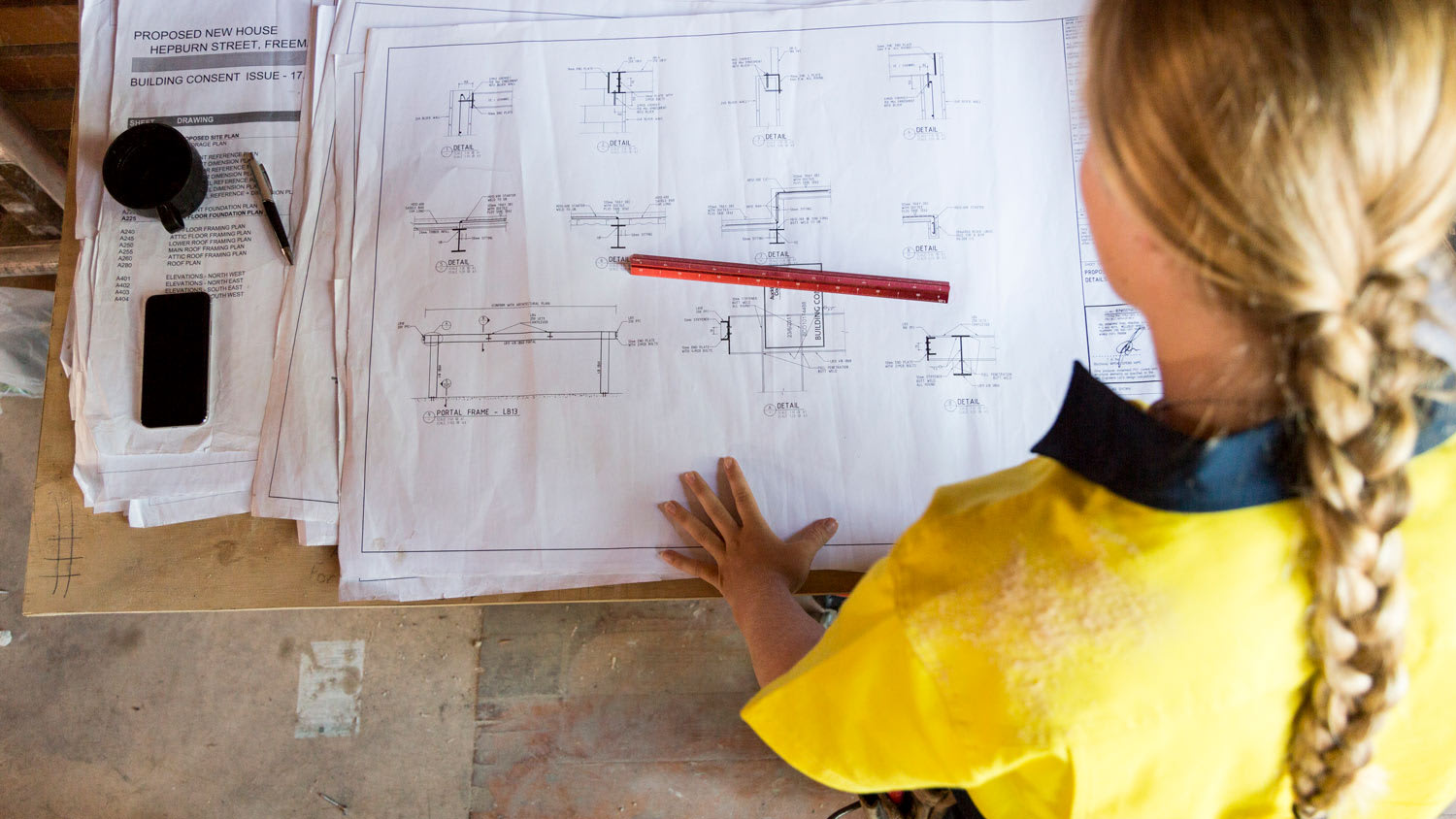
How much do contractors charge to pull permits for different types of projects? Permit cost varies by project value and local building departments. Permits are important to protect against fines, lawsuits, and a bad general contractor reputation.

Knowing what to expect from your contractor during a home improvement project is essential. This guide explains how to pay contractors in several ways.

To make your home project stress-free, we’ve compiled a list of 12 questions to ask your contractor during every stage, from first contact to project wrap-up.

How much do you pay a contractor up front? Many states cap how much a contractor can ask for before work begins. Here’s what you need to know.