
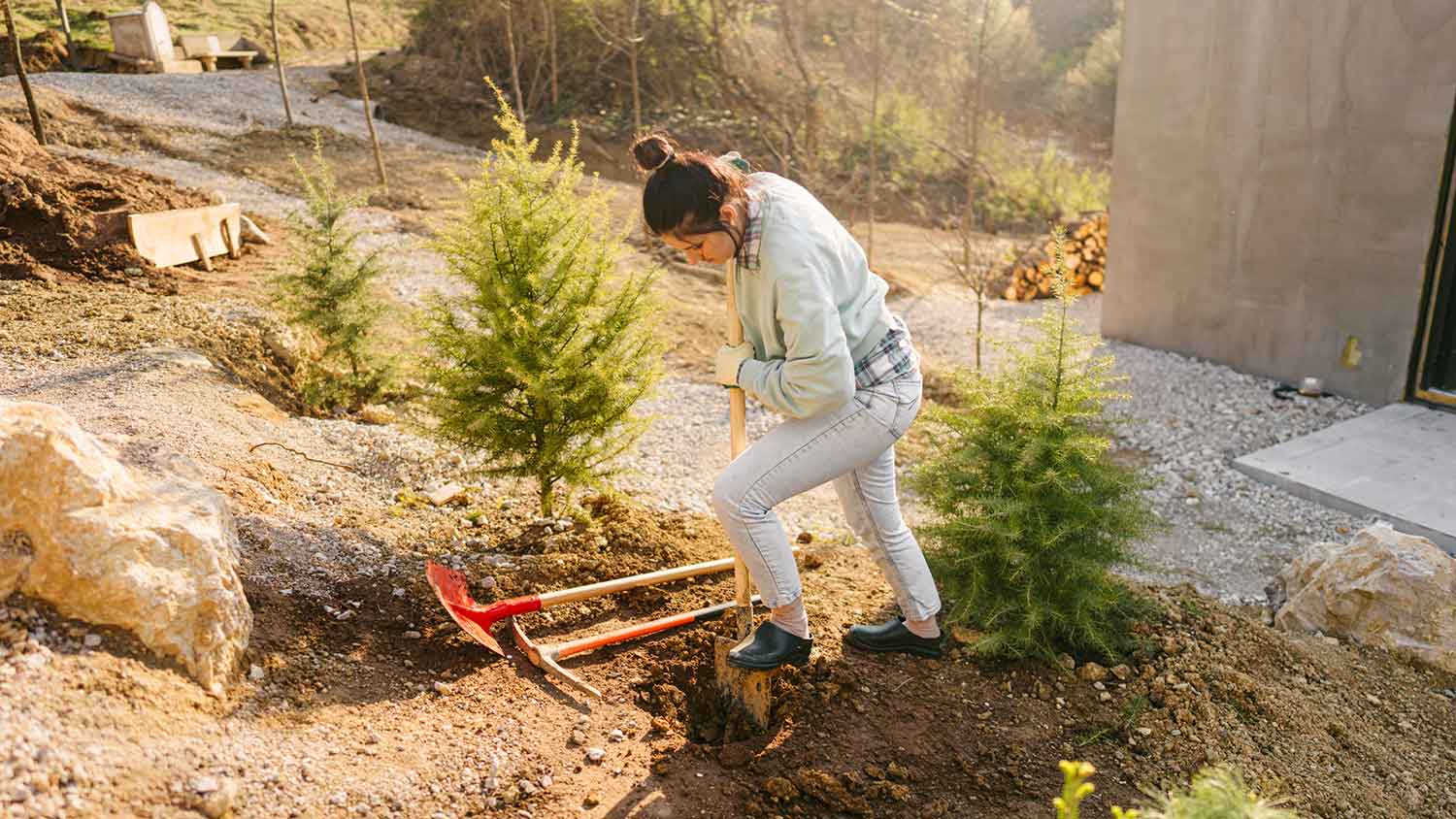
Wondering when is the best time to plant trees? This guide covers everything you need to know about timing, climate, and species to ensure your trees thrive.
This perennial isn’t picky, but the right timing can set it up for success

Early spring is the best time to plant your hostas because cooler sun and extra rainfall help young plants establish strong roots before summer heat.
Hostas thrive in partial to full shade with a few hours of morning sunlight, so avoid spots with hot afternoon sun that can burn leaves.
Planting hostas from pots requires digging a hole at the same depth as the pot, while bare-rooted plants need holes twice the root ball width.
Hiring a local gardening professional takes the guesswork out of timing, spacing, and soil preparation so your hostas establish healthy roots and fill your garden beautifully.
Few greeneries are as easygoing as the hostas, so it’s no surprise that these faithful foliage plants are such popular garden additions. Knowing when to plant hostas isn’t critical—pretty much any time during the growing season will do—but certain seasons tend to fare better than others. Here’s when to plant hostas, plus additional ways to ensure they thrive.
Hostas are vibrant plants that add eye-catching greenery to any yard or garden. But when is the best time to plant them? Take a look at the seasons below for all the details.
Like many healthy garden plants that thrive with early spring planting, this is the ideal time to get your hostas in the ground too. The sun is cooler while still being plentiful, giving your young hostas lots of time to grow strong enough to withstand summer’s intense heat. The extra spring rainfall is also nourishing for growing hostas, as their soil needs constant moisture (without being soaked).
Once the soil becomes workable, and the danger of frost has passed, you can plant both bare-rooted and potted hostas plants with great success. If your area has a rainy season, however, you should get your hostas planted well beforehand.
Autumn is the second-best time to plant your hostas, ideally in early fall, just as the hotter temperatures subside. Planting too close to winter won’t allow adequate time to establish a healthy root system before going dormant. The many freeze-thaw cycles of winter could lead to root rot.
If you’re planting in autumn, try to stick with potted hostas rather than bare-root plants. Potted hostas will have a more developed root system, making them hardier and more capable of handling a cold winter.
Summertime can work for planting hostas, but it isn’t ideal. Newly planted hostas are highly susceptible to plant heat stress, so warmer regions should avoid planting during this time of year.
Cooler regions should wait until early August to plant hostas, avoiding temperatures of 85 degrees Fahrenheit or higher. Warmer regions, such as the southern U.S., should wait until late summer to early fall.
The winter months aren’t the best time to plant hostas if you want to ensure healthy growth. New plants need time to grow healthy roots before entering winter dormancy, and the longer you wait, the less time they’ll have. Again, the freeze-thaw cycles of winter can cause baby roots to rot and die, so you’re better off going with early spring or early fall.
Once you’ve got happy hostas that have fully matured—which usually takes about five years—you have the option to divide them and transplant them to share with your neighbors or begin a new garden.
This is best done in spring or early fall, though spring’s rainfall is helpful for keeping your new transplants watered. Avoid doing it in the summer, as the soil is often drier and the heat can be harsh.
Planting hostas is pretty straightforward. When planting from a pot, dig a hole deep enough to plant it at the same depth as the pot. Bare-rooted plants should get a hole about twice the width and depth of the root ball.
If you’re planting multiple hostas plants, space them according to how large they’ll get. Don’t be shy with the elbow room—hostas are excellent at filling gaps.
Know that you know when to plant hostas for the best results, it’s time to talk about where to plant them.
Hostas are plants that love shade as long as they get a few hours of sunlight per day. They do best in spots with partial to full shade and can take two or three hours of morning sunlight. If the spot gets any more than that, or if it gets exposed to hot afternoon sunshine, this could cause hostas leaves to burn. Choose a shady spot with fertile, well-draining soil, and your hostas are sure to thrive.
Plant predators—specifically deer—are another thing to consider when choosing where to plant your hostas. Deer will munch mercilessly on your hostas' foliage, so be sure to plant it in an inaccessible area or behind a physical barrier.

Hostas relish fertile soil that’s rich in organic matter, so feeding with fertilizer is important for healthy growth. Consider amending your soil beforehand with composted leaves and animal manure.
You can also look for a slow-release 10-10-10 NPK ratio, which refers to the balance of the main nutrients in fertilizer: nitrogen (N), phosphorus (P), and potassium (K).
Apply fertilizer as soon as you plant your hostas and reapply every three months, or as often as it says on your fertilizer’s instructions. Once new growths emerge in spring, lay down more fertilizer and start the cycle again.
If you run into problems when planting hostas or need help keeping them alive and thriving, hire a local gardener or lawn care company in your area.
Custom Paint Jobs LLC made our home feel like a piece of art. Thank you for your creativity!
 Custom Paint Jobs, LLC
Window Depot did an amazing job on my deck. I wasnt sure what I wanted to do, but their composite decking was affordable and will last a long time. I am excited to have family over, and I am no longer embarrassed by my backyard. Jeff and the ground crew were polite, respectful, and caring for...
 Window Depot USA of Central Ohio
First of all, the gentleman I dealt with (Cam?) was very responsive to my many questions and concerns throughout the project, which is a huge plus to me. From the first time I met him for the estimate all the way til the completion of the job, he and his crew were professional and respectful....
 All Star Paving and Sealing
We had a 20+ year old landscape lighting system that needed replacement. Midwest Lightscapes worked with us to design a much improved lighting system, lighting the exterior of the house and the back yard. Installation of the 45 light system took one and one-half days, and went very smoothly....
 Midwest Lightscapes
Another great success for me on home advisor. This company did an awesome job on my landscaping and stayed within my budget. The best part, the work was complete within 2 days of my initial request. Professional and responsive. I highly recommend!
 Blue Ring Residential Services, LLC
The company no showed on me twice. The 2nd time was no call no show. They were responsive to set up the first appointment to perform the "landscape cleanup". 3 hours after their initial scheduled appointment time they called me to let me know they had some "problem" with the truck and their...
 Ruby Home and Hauling Services
Received ideas for future landscape plans...quote to do the work seemed a bit high but I did not have any other quotes to compare it to, so perhaps that is the going rates. <br />
 Landscapes By Terra, Inc
All around they have done a really great job. <br /> I have used JL Landscapes for the past 8 years. I own and operate my own commercial/residential real estate company where we own, operate, and maintain our own properties. JL Landscapes has been our exclusive landscaper for both our...
 J.L. Landscapes
Bought a half a cord of firewood from Pitzer with stacking last month. I waited to report so I could see how the wood burned. <br /> <br /> I have three pet peeves regarding landscapers, but Pitzer scored "A"s regarding all three. First, rather than having customers "leave a message" and...
 Pitzer Landscaping
I left a message on Sunday requesting to schedule a time to obtain an estimate/walk-through and received a return call in the morning of the following Monday. Mark worked with me and agreed to schedule the estimate/walk-through for the following Saturday. When Mark arrived for the...
From average costs to expert advice, get all the answers you need to get your job done.
Wondering when is the best time to plant trees? This guide covers everything you need to know about timing, climate, and species to ensure your trees thrive.
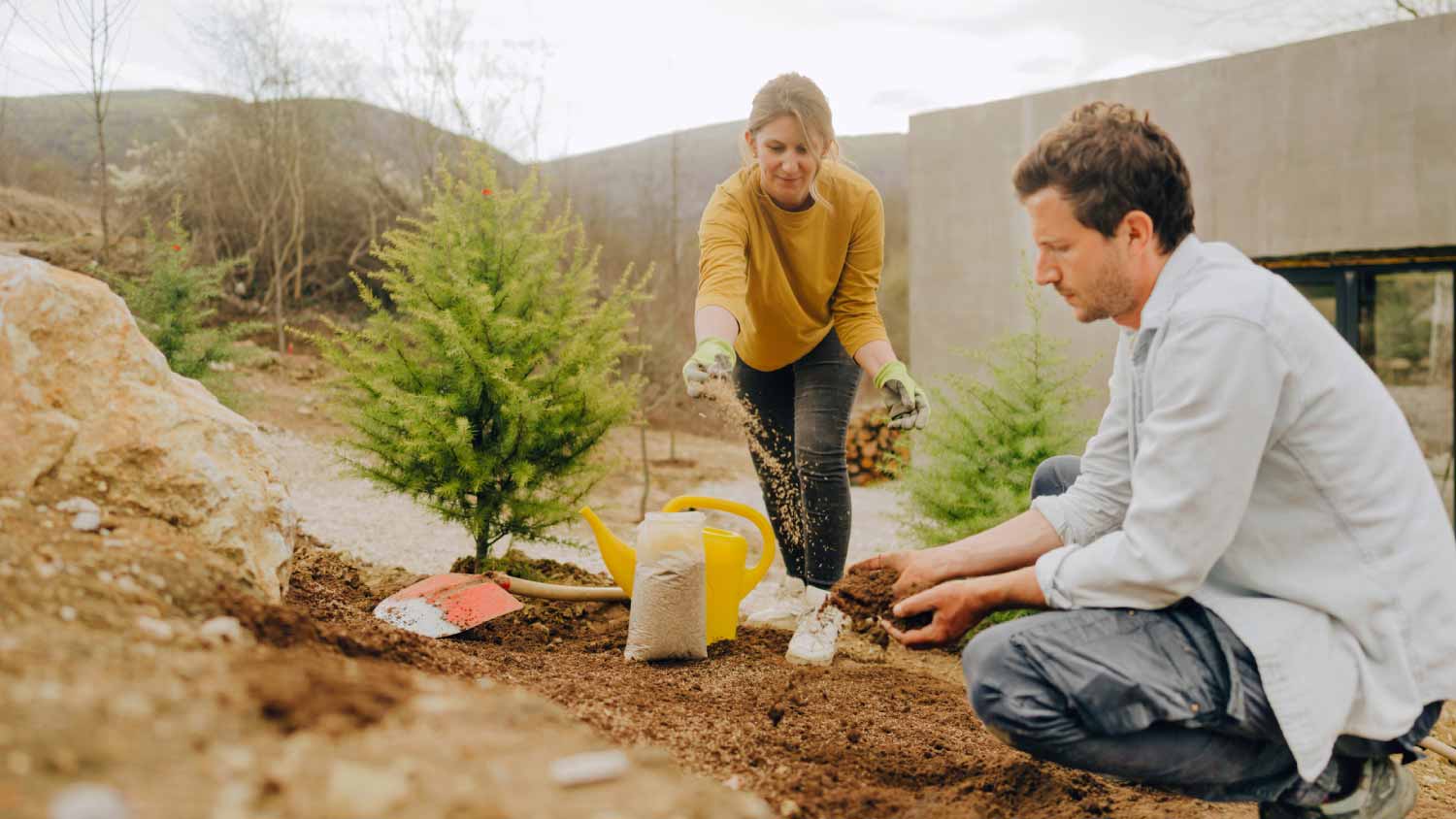
The best time to plant grass seed depends on the type of grass and your area’s local climate. Find out the ideal planting time for new grass seed.
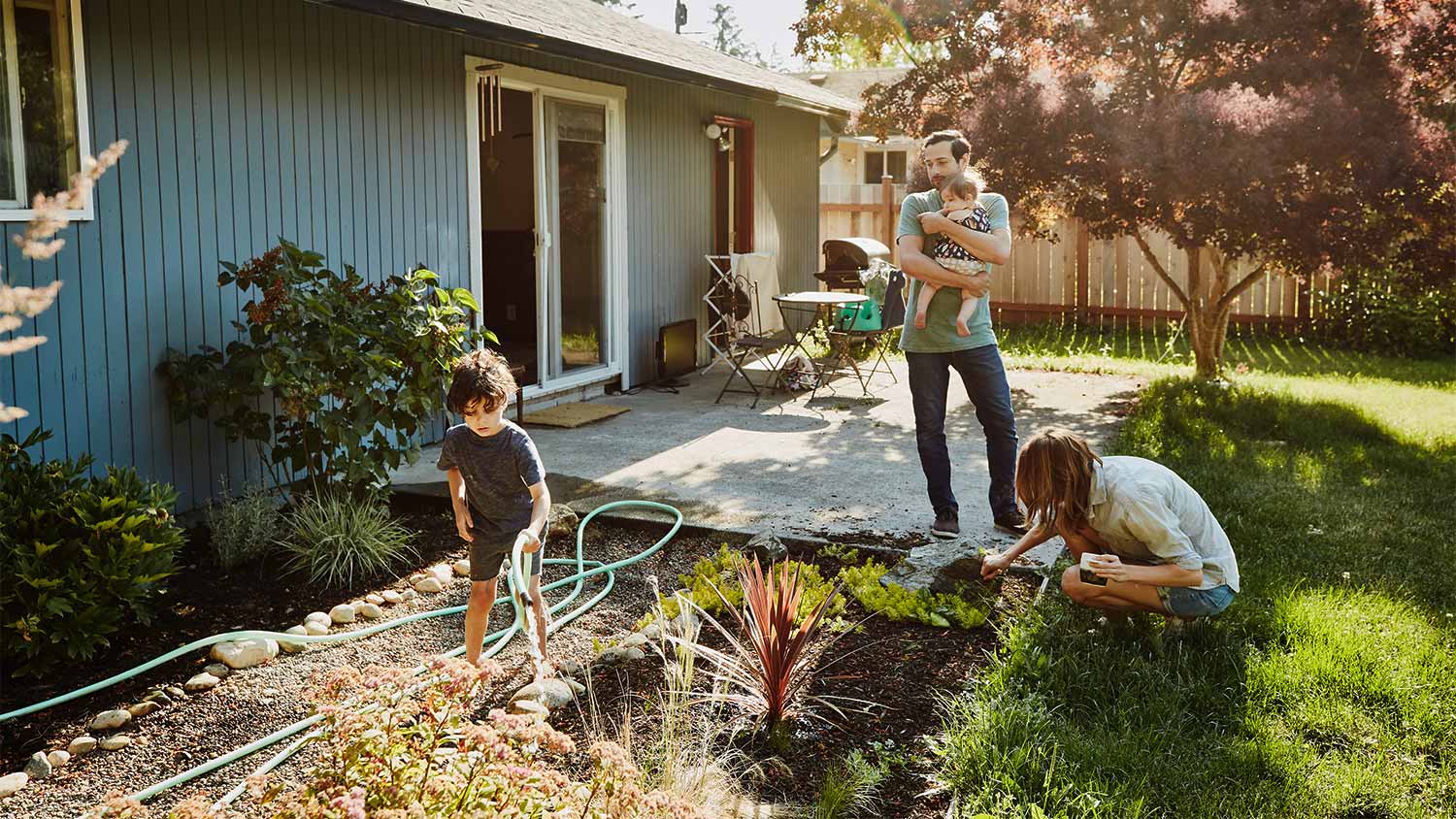
Between planting zones, the fall harvest, and spring frost dates: knowing when to plant your garden can be tricky. Pick the right moment with this guide.
Find out the best time to start seeds for spring planting based on where you live, how you plant, and what you want to grow.
There are a lot of choices when finding the best ground cover plants. But which ones will make your lawn the envy of the neighborhood? From low-maintenance to full-sun or partial shade options, here are the most popular ground cover plants.

Before you set off on vacation, you’ll want to make some preparations for your plants. Learn how to keep your plants alive when you’re out of town in this guide.