

•
Find out the average cost to remove roots from pipes, what impacts pricing, and expert budgeting tips for root removal, and protect your plumbing.
A great plumbing system doesn’t need to be a pipe dream

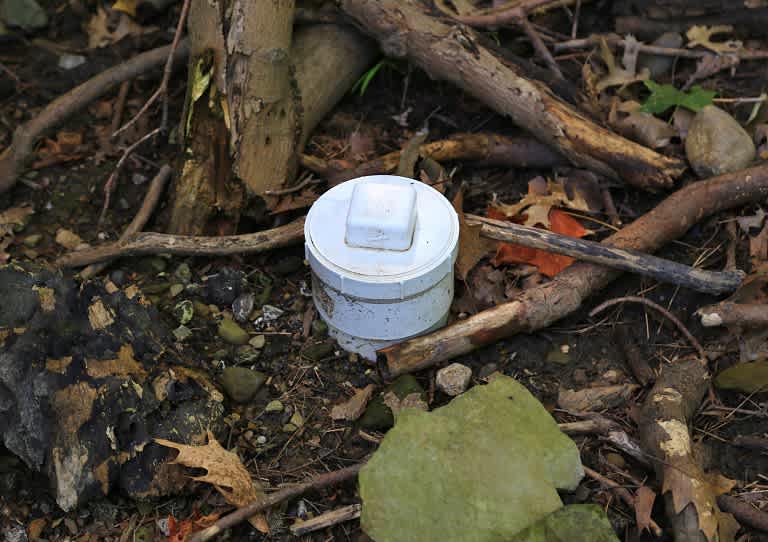
Black ABS is a durable plastic pipe used in your drain-waste-vent system to move wastewater through your home’s drainage lines.
Hiring a plumber costs $180 to $500, while PEX pipe materials range from $0.40 to $4 per linear foot and copper costs $2 to $12.
Your underground drainage lines benefit from ABS because it withstands extreme temperatures and impacts, and it resists chemical and physical damage.
Hiring a local plumbing professional provides reliable guidance on ABS versus PVC choices and ensures proper installation for your home's drainage system.
Even with the best plumbing maintenance tips, your home’s pipelines require repair—and when they do, your plumber may mention ABS pipes. Plumbing pros frequently use these black plastic pipes in household sewage and drainage systems, but they’re not a common household name like PVC. Allow us to introduce you to ABS pipes, their uses, and the advantages they bring to the table.

ABS stands for acrylonitrile butadiene styrene. It's a type of black-colored plastic used to manufacture pipes and fittings primarily for drainage, sewage, and ventilation. You'll find ABS pipes in many home drain-waste-vent (DWV) systems. These systems remove wastewater from buildings and carry it to local city sewer lines.
ABS is ideal for these uses thanks to its high ductility compared to PVC, another common plastic piping material. Ductility simply means that ABS pipes can sustain a lot of stress before failing or becoming deformed. It won't split or shatter in extreme heat or below-freezing temperatures, so it can safely carry hot or cold water without you having to worry about how to unfreeze frozen pipes. It also resists chemical and physical damage and will not rust like metal.
Here are the outlet types you find in most U.S. homes:
15-amp, 120-volt (2-prong and 3-prong): The standard household outlet for lamps, TVs, and chargers.
20-amp, 125-volt: A higher-power outlet for kitchens, laundry rooms, and workshops.
240-volt (20-amp to 50-amp): A large-appliance outlet for dryers, ranges, and EV chargers.
GFCI: A shock-protection outlet for kitchens, baths, and other wet areas.
AFCI: A fire-protection outlet for bedrooms and living spaces.
Tamper-resistant: A child-safe outlet with internal shutters, now standard in new homes.
Weather-resistant: A corrosion-resistant outlet built for outdoor use.
Convenience types: Switched, combination, USB, smart, and rotating outlets.

| ABS Pipes | PVC Pipes |
|---|---|
| Ideal for outdoor and underground use | Ideal for indoor plumbing |
| Better hot and cold resistance | Quieter operation |
| Stronger impact resistance | More affordable |
ABS pipe is sometimes compared to white PVC pipe, another common type of plastic piping used in homes for plumbing and drainage. Some similarities between ABS and PVC include the following:
Non-toxic materials suitable to carry potable water
Durable and damage-resistant
Smooth interior bore that prevents lime and debris buildup
50-year service lifespan
Simpler and more affordable to install than metal pipe systems
Good chemical resistance
Not biodegradable
Despite these similarities, ABS and PVC are materially different and are typically not joined together. A few other vital differences also set ABS and PVC apart.
Compared to PVC, ABS pipe has a broader range of operating temperatures. ABS can withstand temperatures anywhere from -40 degrees to 158 degrees Fahrenheit without deforming. PVC tends to get brittle at temperatures below freezing and can only withstand temperatures up to 140 degrees Fahrenheit.
ABS is also considered the stronger of the two materials, with higher impact resistance.
ABS tends to cost about 15% more than PVC and is not as quiet as PVC. Also, ABS pipes make a lot of noise as water flows through them.
However, the primary difference between the two is that ABS pipes contain the chemical Bisphenol A (BPA). BPA is safe in low doses but can contaminate the water running through ABS pipes. For this reason, ABS pipes are not often safe for use in indoor home water supply lines like PVC.
Even outdoors, radiation from direct sunlight can weaken ABS pipes. Plumbers tend to paint outdoor ABS pipes with a UV-resistant coating unless they’re installing them underground, and some municipalities require this step.
| Pros of ABS Pipe | Cons of ABS Pipe |
|---|---|
| Wide range of operating temperatures | Noisy when water flows |
| Performs better in extreme temperatures than PVC | Contains BPA, which can contaminate water |
| HIgh impact resistance | Not used for indoor home water supply lines |
| Durable material | Weakened by sunlight |
Different types of PVC pipes come with several benefits that may make PVC the best option for your home's pipe system. Some of the biggest pros of choosing PVC pipes include the following:
Corrosion-resistant
Material is less expensive
Easier to install because of how easy they are to cut and customize
Water flows more smoothly through the pipes, thanks to their smooth surface
Lightweight and faster to install
Has a lifespan of up to 100 years
Low-impact resistant
Great for custom builds due to how easy it is to shape and mold PVC
Even with all the benefits that come with choosing PVC pipes, this pipe material does come with several disadvantages worth keeping in mind as you make your decision. Cons of choosing PVC pipes include the following:
Susceptible to cold temperatures and may burst, resulting in a high plumbing repair cost
Pipe material has poor heat resistance and is unable to handle temperatures above 140 degrees Fahrenheit
The sun's UV rays can deteriorate PVC piping, which is why it is not installed outdoors unless it is buried underground. Therefore, you'll need to add looking for signs of UV damage to your routine plumbing inspection checklist.
Contains additives that can leach into the water or air over time
| Pros of PVC Pipe | Cons of PVC Pipe |
|---|---|
| Resistant to corrosion | Can burst in freezing temperatures |
| Less costly | Poor heat resistance |
| Ease of installation and customization | Deteriorates in sunlight |
| Water flows smoothly | Contains additives that leach into water or air |
ABS pipe is best for outdoor applications. Plumbers typically install it entirely underground, where it won’t be exposed to direct sunlight. It’s ideal for drainage lines and carrying wastewater away from homes. Its chemical resistance also makes it a common choice in industrial settings.
While ABS is commonly in underground potable water supply lines, copper piping types are the safest bet for carrying drinking water. Your local municipality may have specific guidelines about piping materials for certain projects. If you’re unsure whether ABS pipe is appropriate for your project, contact a faucet repair pro near you, like a plumber, for guidance. The average cost to hire a local plumber is between $180 and $500.
PVC pipes are best for indoor applications. From plumbing, waste, and other draining systems to water irrigation, PVC is a great option for redirecting liquids through pipes at an affordable cost. The material is perfect for DIYers looking for infinite opportunities to create piping systems, thanks to how easy it is to transport, build, and measure pipe sizes.
On the other hand, you should avoid using PVC pipes to transmit compressed air or gases, in outdoor sewage, plumbing, and draining situations where the pipes are exposed to sunlight, and in high heat or cold temperatures. This includes using PVC pipes to transport heated water.
No one type of pipe serves as the be-all and end-all of water supply lines. While galvanized steel and cast-iron pipes are often overlooked in new construction, copper, PVC, and PEX pipes are all popular materials.
Because ABS contains BPA, it’s best to avoid using the material in water supply lines. Likewise, PVC is ideal for cold taps, but you should not use it for hot water supply lines, as the material will melt and warp. Instead, choose copper or PEX pipe.
Positive experience. As previously stated, the replacement/repair could not be completed (no fault of the plumbing tech) b/c misinformation was rec?d by property management maintenance. Thanks to the plumbing tech for your efforts. Appreciate you!
 The Waterworks
If you want to pay the most exorbitant prices possible for your job, this is the company for you. “By the job” pricing is a rip-off, at least how these people use it. Every job is plugged into a category and prices are set by category. You might have a job that takes half an hour or one that...
 Benjamin Franklin Plumbing
Cole has been handling plumbing and general contracting for our four properties over the past three years, and he’s always done a great job. Most recently, he installed a sink and countertop in our retail store where none existed before, and it turned out exactly how we needed. He’s...
 ANB Renovations LLC
Matt is a consummate professional. The work turned out to be far more difficult than expected and rather than turn the job down, Matt rose to the occasion and completed a near impossible task. I can not recommend Greene's Plumbing Service more highly. On a scale of 1-5 I would give Matt a...
 Greene's Plumbing Service
Involved an extensive bathroom remodel, including removing tub & installing walk in shower, new drywall, custome tile work to ceiling, plumbing, etc. Overall, job was done on time and on budget. Nick & his team were very professional and had high attention to detail. Quality was great. Highly...
 Stamos Flooring and Remodeling LLC
Awesome company. Had a jacuzzi tub taken out and replaced with huge walk in shower with partial glass enclosure. Onyx to the ceiling with a decorative border, moved plumbing and installed hand held shower, new ceiling, flooring, and paint. Replaced window with glass block. Everything was done...
 Columbus Bath Design
The initial quoted price from a walk-through seemed high, but we discussed that the quote represented worst case scenario (re-wiring to two floors) and we were excited about the opportunity to have the work done in a timely manner with closing for fire safety reasons, etc. When the job was...
Initially, I called the Service People to have a leaking garbage disposal replaced. I had purchased a special deal through Angie's List: $79 for $200-worth of plumbing services. <br /> When I went to schedule the work, the earliest date I could get through Angie's List was after the upcoming...
This company did a very good job on the brick wall and it looks just amazing. The staff was always professional and was practically OCD on how the bricks were stacked and how they were laid. Although it took longer than expected, I am willing to sacrifice time over perfection anyday. The...
 My Handy Mate LLC Improvement & Remodeling
<p>I am so glad we called Rotor-Rooter. I was hesitant to call them because we usually prefer to give business to local providers. But when we had sewage back up in our basement on a Saturday evening, I had a hard time getting a hold of someone, not to mention the high weekend/evening rate...
 Roto-Rooter Plumbing & Water Cleanup
From average costs to expert advice, get all the answers you need to get your job done.
Find out the average cost to remove roots from pipes, what impacts pricing, and expert budgeting tips for root removal, and protect your plumbing.

Under the sink, behind the tub, or through the walls—pipe replacement costs for small projects run the gamut. Here's what to know.
Pipe leak repair costs depend on the location and severity of the leak, as well as the type of pipe being replaced. Use our guide to price out repair work.
Learn what type of pipe is used for sewer lines, such as PVC, ABS, and cast iron, and find out how to choose the best sewage pipe type for your needs.
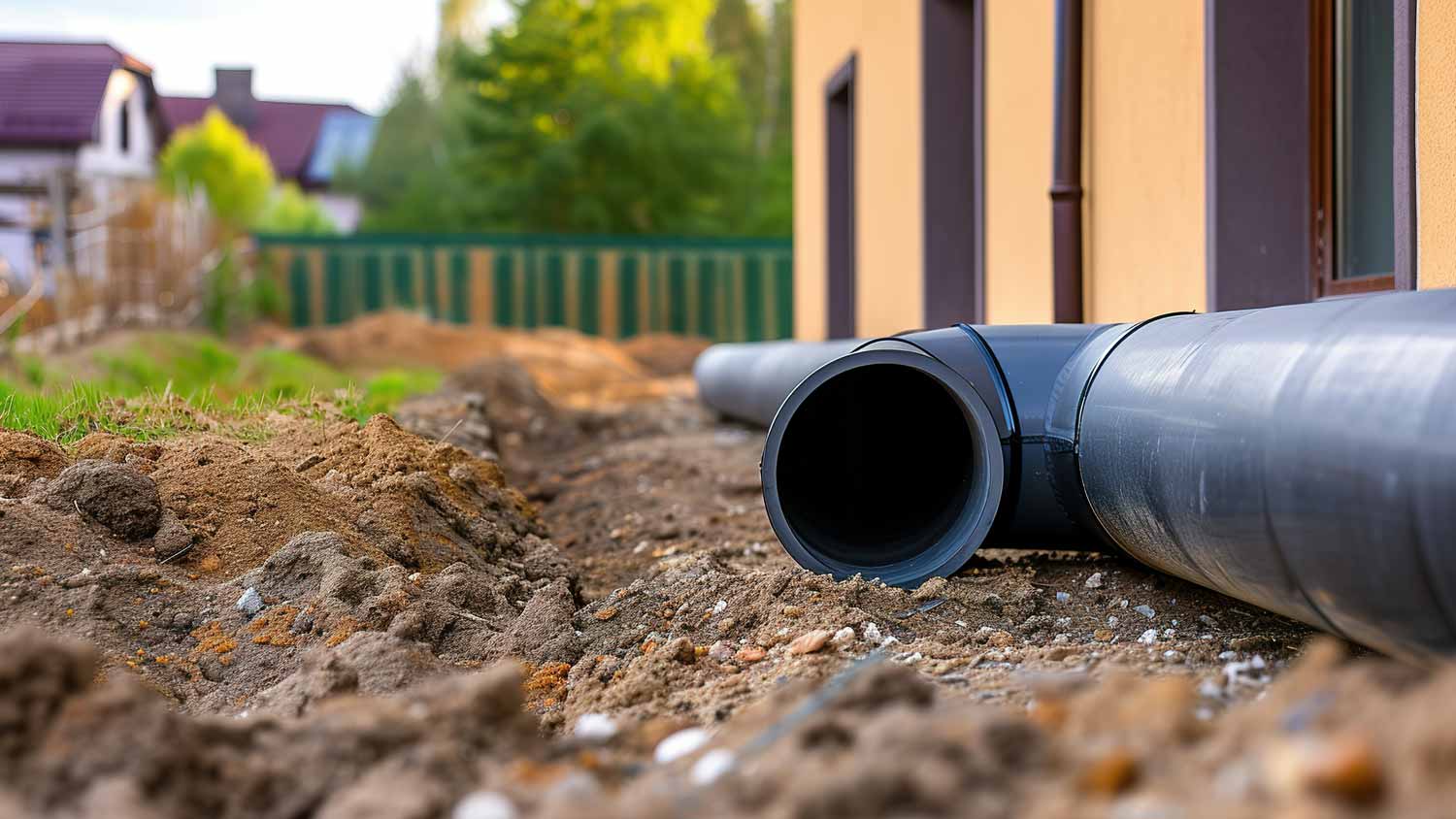
Explore the best pipes for French drains, from popular PVC to corrugated and ABS. Learn the pros and cons of each to make the decision that suits your home best.
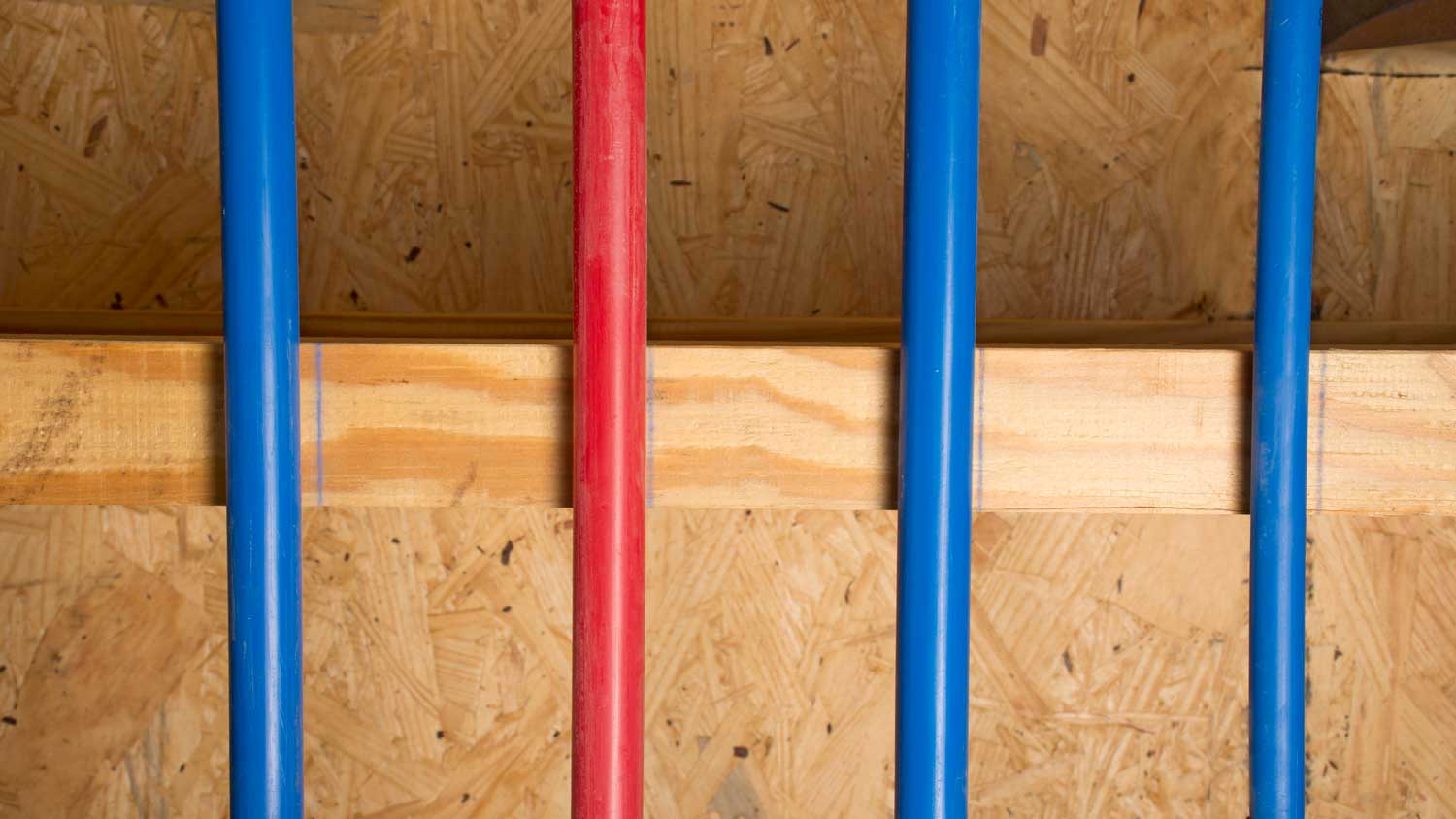
PEX pipes are color-coded, plastic pipes that are easy to work with for home plumbing. Consider retrofitting your own plumbing system with this unique material.