

Pipe leak repair costs depend on the location and severity of the leak, as well as the type of pipe being replaced. Use our guide to price out repair work.
We're piping up about the best types of PVC

Schedule 40 white PVC is the common choice for cold-water supply and irrigation.
DWV PVC is for gravity drainage and venting only, never pressurized supply.
CPVC handles hot and cold potable water where standard PVC cannot.
Hiring a local plumbing repair professional can confirm which PVC pipe matches your water pressure, temperature needs, and local code.
The types of PVC pipe most homeowners choose from are Schedule 40, Schedule 80, DWV, and CPVC. The right one depends on the job: pressurized cold-water supply, drainage and venting, hot water, or outdoor and irrigation lines. If you want a refresher on what PVC pipes are, start there, then use the steps below to match a pipe to your project.
If you observe a leak in your home, do not procrastinate getting it fixed. This can help prevent future plumbing emergencies and water damage to your home while saving a significant amount of money in wasted water.

Start with the job, then pick the pipe. Use this decision list to match your project to the right material.
Cold-water pressurized supply: Choose Schedule 40. Step up to Schedule 80 for higher-pressure lines.
Drain, waste, and vent lines: Choose DWV pipe, which handles gravity flow only.
Hot-water supply or combined hot-and-cold potable lines: Choose CPVC.
Buried non-potable outdoor or irrigation lines: Choose Schedule 40 or oriented PVC.
Two checks protect your project. First, confirm your choice against local plumbing code before you buy. Second, look for NSF markings when the line carries drinking water. If you want a metal option to weigh, you can also compare PVC with copper before you decide.
Here is a quick overview of the most common types of PVC pipe, along with their ideal uses, color identifiers, and pressure limits.
| Type | Typical Color | Best For | Temperature/Pressure Note |
|---|---|---|---|
| Schedule 40 PVC | White | Cold-water supply, irrigation | Rigid, cold water only, up to ~140°F |
| Schedule 80 PVC | Gray | Higher-pressure lines | Thicker wall, higher PSI, cold water only |
| DWV PVC | White | Drains, waste, vents | Non-pressurized gravity flow only |
| CPVC | Cream/light gray | Hot and cold potable supply | Rated for hot water |

The difference between these two comes down to wall thickness. Per Charlotte Pipe, Schedule 80 has a thicker wall for high-pressure commercial and industrial use. Schedule 40 has thinner walls, intended mostly for residential settings. Both share the same outside diameter for a given size, so only the wall thickness changes.
Pressure ratings follow that wall thickness. As an example, at 73°F a 1-inch Schedule 40 pipe handles about 450 PSI, and a 1-inch Schedule 80 pipe handles about 630 PSI. Those numbers drop as temperature rises, and they change with pipe diameter, so match the rating to your line and your job.
Color helps you spot the two at the store. Schedule 40 is white and Schedule 80 is gray. Color is a convention, not a guarantee, so confirm the schedule markings printed on the pipe before you buy. To match the right diameter to your fittings, review common PVC pipe sizes first.

DWV stands for drain, waste, and vent. This pipe moves water by gravity, so it has thinner walls than pressure pipe. Use it for non-pressurized drainage and venting only.
Per Charlotte Pipe and standard industry guidance, DWV pipe must never carry a pressurized water supply, even cold water. The thinner walls are not built for pressure testing, and a pressurized line puts the joint and the pipe at risk. When your project reaches the main line outside, read up on the types of sewer pipe that connect to it.

CPVC stands for chlorinated PVC. It is rated for continuous hot and cold potable water, where standard PVC is not. FlowGuard Gold, the CPVC most homeowners buy, is rated to 180°F, and some industrial CPVC grades are rated up to 200°F.
Standard PVC is a cold-water material. Charlotte Pipe and other manufacturer specs rate it to about 140°F, and it is not used for domestic hot water. Confirm the hot-water rules with your local code before you run any line.
One installation note matters here. CPVC uses its own solvent cement, not PVC cement. Keep the two products separate and match each cement to the pipe you are joining.
For drinking water, look for two markings on the pipe. NSF/ANSI 61 covers health effects, and NSF/ANSI 14 covers performance. Both marks come from NSF, and they tell you the product is certified for its intended use.
The certifications differ by material. Standard PVC is certified for cold potable water only. CPVC is certified for hot and cold potable water. The EPA classifies vinyl chloride, the building block used to make PVC, as a known human carcinogen. Pipe rated and certified for drinking water meets current health limits, so buy pipe that carries the NSF drinking-water marks for your line.
Most PVC and CPVC systems rely on solvent welding. Per Charlotte Pipe, you apply a primer and then a solvent cement that softens both surfaces and chemically welds them into a permanent joint. This is not a surface glue, and PVC and CPVC each need their own cement.
Two other methods have a place, with limits.
Threaded connections: These suit the thicker wall of Schedule 80. Thin-wall Schedule 40 is not built for threading.
Push-fit and gasketed fittings:These speed up a repair, so confirm your local code accepts them first.
For a step-by-step on the most common method, see how to glue PVC pipe the right way.
Positive experience. As previously stated, the replacement/repair could not be completed (no fault of the plumbing tech) b/c misinformation was rec?d by property management maintenance. Thanks to the plumbing tech for your efforts. Appreciate you!
 The Waterworks
If you want to pay the most exorbitant prices possible for your job, this is the company for you. “By the job” pricing is a rip-off, at least how these people use it. Every job is plugged into a category and prices are set by category. You might have a job that takes half an hour or one that...
 Benjamin Franklin Plumbing
Cole has been handling plumbing and general contracting for our four properties over the past three years, and he’s always done a great job. Most recently, he installed a sink and countertop in our retail store where none existed before, and it turned out exactly how we needed. He’s...
 ANB Renovations LLC
Matt is a consummate professional. The work turned out to be far more difficult than expected and rather than turn the job down, Matt rose to the occasion and completed a near impossible task. I can not recommend Greene's Plumbing Service more highly. On a scale of 1-5 I would give Matt a...
 Greene's Plumbing Service
Involved an extensive bathroom remodel, including removing tub & installing walk in shower, new drywall, custome tile work to ceiling, plumbing, etc. Overall, job was done on time and on budget. Nick & his team were very professional and had high attention to detail. Quality was great. Highly...
 Stamos Flooring and Remodeling LLC
Awesome company. Had a jacuzzi tub taken out and replaced with huge walk in shower with partial glass enclosure. Onyx to the ceiling with a decorative border, moved plumbing and installed hand held shower, new ceiling, flooring, and paint. Replaced window with glass block. Everything was done...
 Columbus Bath Design
The initial quoted price from a walk-through seemed high, but we discussed that the quote represented worst case scenario (re-wiring to two floors) and we were excited about the opportunity to have the work done in a timely manner with closing for fire safety reasons, etc. When the job was...
Initially, I called the Service People to have a leaking garbage disposal replaced. I had purchased a special deal through Angie's List: $79 for $200-worth of plumbing services. <br /> When I went to schedule the work, the earliest date I could get through Angie's List was after the upcoming...
This company did a very good job on the brick wall and it looks just amazing. The staff was always professional and was practically OCD on how the bricks were stacked and how they were laid. Although it took longer than expected, I am willing to sacrifice time over perfection anyday. The...
 My Handy Mate LLC Improvement & Remodeling
<p>I am so glad we called Rotor-Rooter. I was hesitant to call them because we usually prefer to give business to local providers. But when we had sewage back up in our basement on a Saturday evening, I had a hard time getting a hold of someone, not to mention the high weekend/evening rate...
 Roto-Rooter Plumbing & Water Cleanup
From average costs to expert advice, get all the answers you need to get your job done.
Pipe leak repair costs depend on the location and severity of the leak, as well as the type of pipe being replaced. Use our guide to price out repair work.

Know the differences, pros, and cons of copper pipes and PVC pipes, two of the most common plumbing materials used in construction.
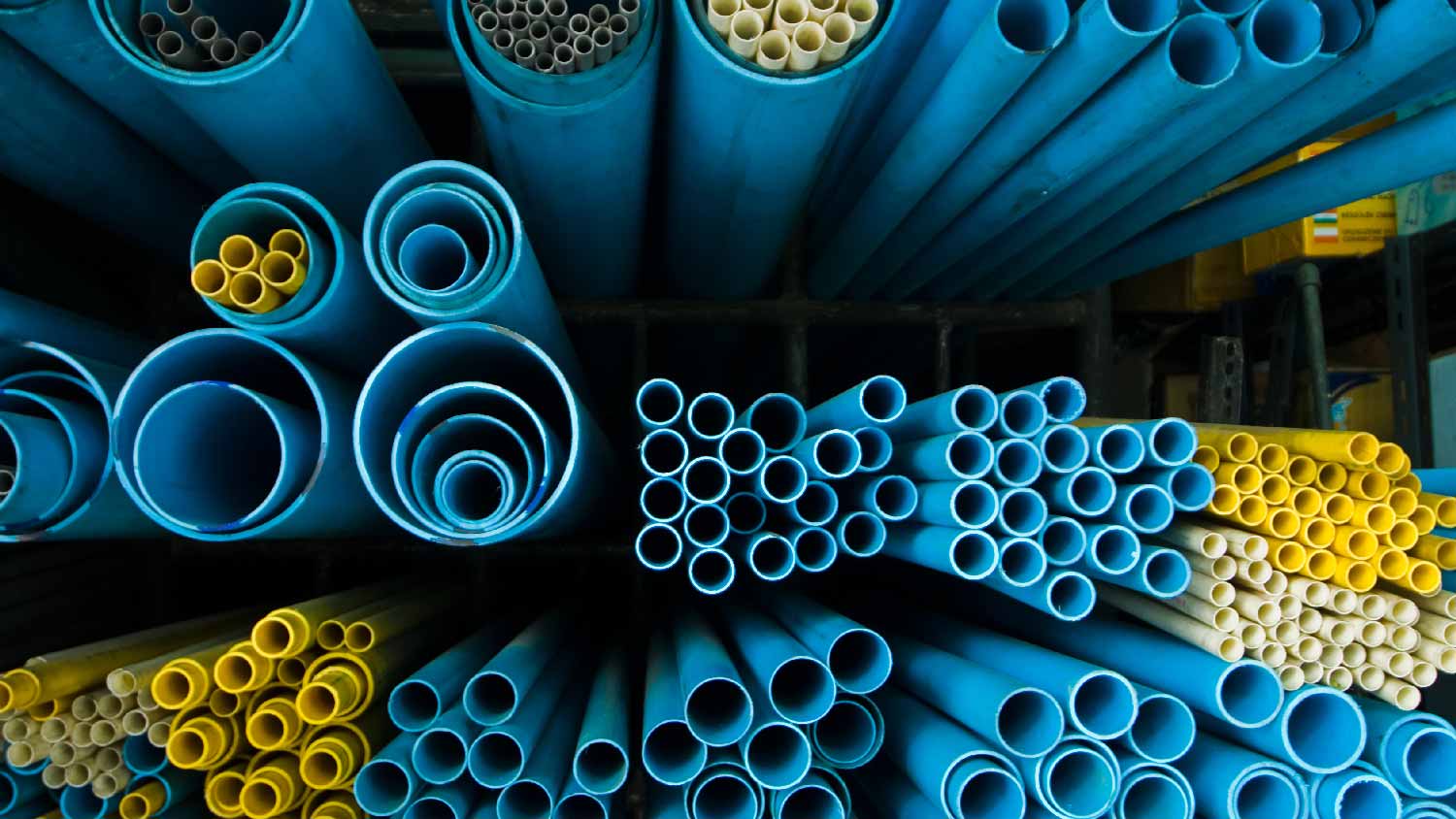
PVC pipes are a popular choice for plumbing systems worldwide. But what are PVC pipes, exactly? Learn more about them and their uses.
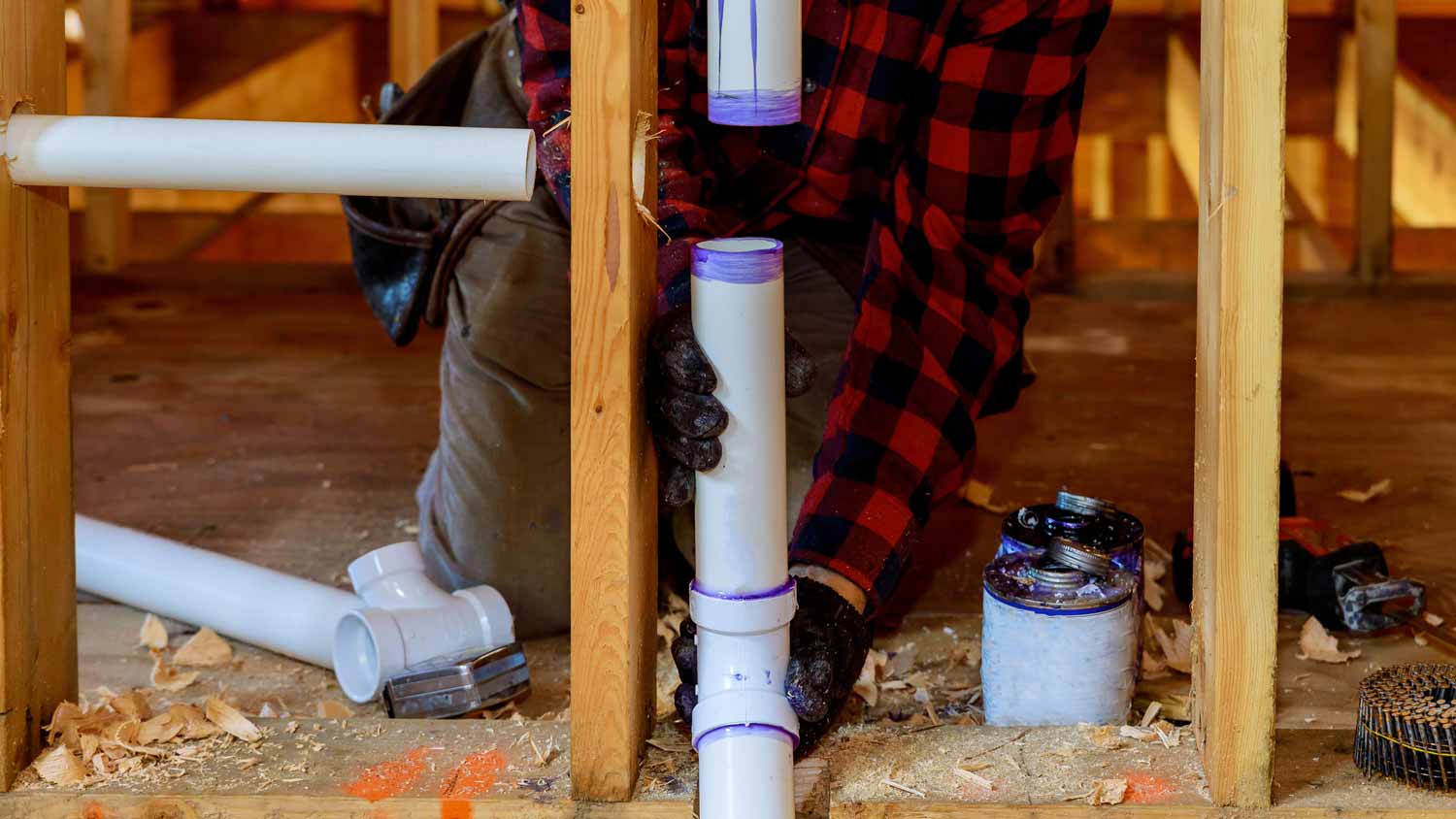
PVC requires specific solvent cement to form a proper bond that won't leak or come apart with pressure. Learn how to glue PVC pipes with this guide.
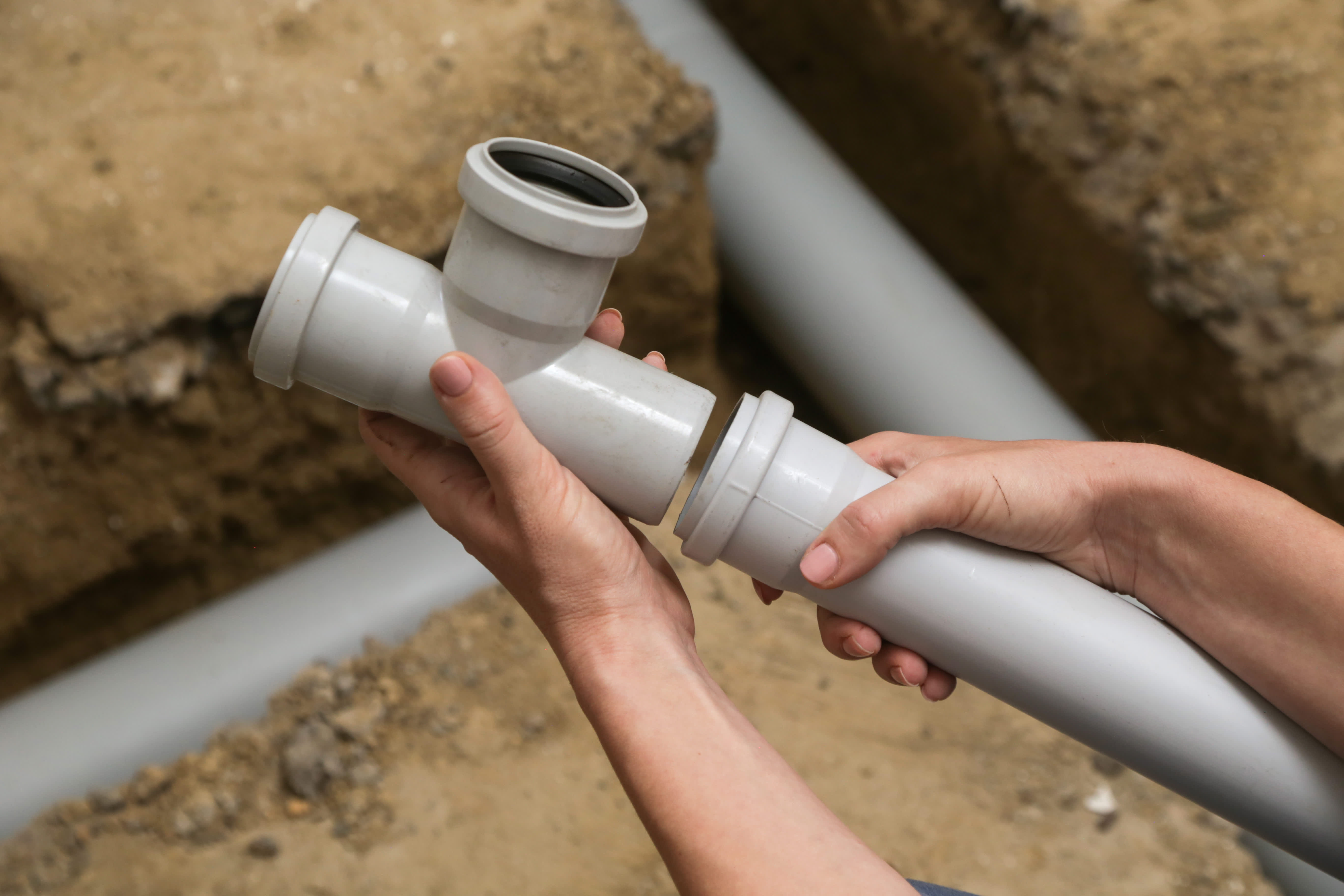
Not sure what PVC pipe size is right for your plumbing project? Learn about common sizes and how to choose the right one for the job and code requirements.
ABS pipes are popular for drains, waste, and vents, but what is an ABS pipe? Learn about them and if they’re right for your home.