


Sewer line replacement is expensive, but going trenchless could save you cash in other ways. Here’s how much trenchless sewer line replacement costs.
Septic tank service costs depend on your project and location. Check with a local pro for your specific job.

Professional sewer line installation costs between $1,421 and $5,773 for your project, with materials, labor, and trenching combined.
Your pipe material choice drives the total, with PVC running as low as fifty cents per linear foot and copper reaching thirty dollars.
You should budget for trenching at $800 per 100 linear feet and permits ranging from $400 to $1,600 before starting your installation.
Hiring a local sewer service professional prevents backups and clogs by ensuring your sewer line is installed at the correct slope.
In 2026, the national average cost of sewer line installation is $3,474, based on 1,037 verified projects from Angi Pros. Most homeowners pay between $1,421 and $5,773, with the spread driven primarily by pipe material, trench length, and local labor rates.
Sewer line installation costs vary by location because cities set prices based on local water resources and existing infrastructure on your street. Hiring a local sewer pro means your final cost will reflect regional labor rates and requirements specific to your area. Here are a few examples of what it might cost to install a sewer line in areas across the country:
| City | Average Cost in 2026 |
|---|---|
| Boston | $2,420 |
| Miami | $1,760 |
| Chicago | $2,310 |
| New Orleans | $1,600 |
| Detroit | $3,420 |
| New York | $3,400 |
| Portland | $4,160 |
| Houston | $2,940 |
| Los Angeles | $4,130 |
| Dallas | $1,630 |
I had another company design my septic system replacement, but Paul re-designed it to avoid having to remove a 50+ ft tall tree and added a drainage system for the water from the gutters. The old no-longer-up-to-code 2-cesspool septic system was replaced by a drainfield and Ecoflow septic tank. The work was done on the days I was told workers would be here (unlike the company that drew up the first set of specs), and Paul and Jon were always friendly and great to work with.
Hooking your sewer connection up to the city’s water and sewer line costs anywhere from $500 to $20,000. The price varies greatly depending on local requirements. If you need to make any changes to your property to accommodate the hookup, there’s a good chance that you’re responsible for the cost of those improvements.
In some cases, your local municipality subsidizes some of the cost to connect to the public water and sewer lines. This assistance also depends on regional regulations and the complexity of the project. To know just how much you’ll pay, contact your local municipality.

The main factors that affect the cost of sewer line installation are materials, labor, trenching, permits, and regulations.
Installing a sewer line costs $50 to $250 per linear foot, making the total length of your run one of the biggest drivers of your overall project cost. Most sewer line pipes are 5 inches in diameter and run underground from your house to the main sewer drain. Getting an accurate measurement of your yard's layout before requesting quotes will help you budget more precisely.
Sewer line pipe materials cost $3 to $20 per linear foot. PVC is the most affordable option at $0.50 to $5 per linear foot, while copper offers the greatest durability at the higher end of the price spectrum ($20 to $30 per linear foot). This table breaks down average sewer line installation costs by pipe material:
| Piping Material Type | Best For | Average Cost per Linear Foot in 2026 |
|---|---|---|
| Cast-iron | Replacing, newer materials are more viable | $2–$10 |
| Copper | Durability | $20–$30 |
| PEX | Extreme temperature resistance | $2–$5 |
| PVC | Affordability | $0.50–$5 |
Labor for sewer line installation costs between $30 and $247 per linear foot, and hiring a licensed plumber is non-negotiable for a project of this complexity. Sewer line installation requires specialized knowledge, precise slope calculations, and heavy equipment that the average homeowner does not have.
Cutting corners on labor increases the risk of backed-up drains and costly repairs down the road.
Trenching for a sewer line runs $800 per 100 linear feet, with the total cost depending on the length and depth of the trench required. This price typically does not include removing landscaping or hardscaping before digging, so request a detailed quote from your plumber before work begins.
If no-dig trenchless sewer repair is an option for your property, it can help you save on landscaping restoration costs after the job is done.
Installing an overhead sewer to prevent backflow into your basement costs between $8,000 and $10,000 on average, making it one of the more significant add-ons in a sewer line project. These pipes run above ground to ensure waste flows only in the correct direction.
If your home has a history of basement flooding or sewage backup, this investment can prevent far more expensive damage over time.
A sewer cleanout costs between $500 to $2,000, providing an access point for clearing clogs or inspecting lines with a camera. A two-way sewer cleanout costs up to $3,500 and requires more work, especially when major excavation is needed. If your property lacks an existing cleanout, adding one during installation is a smart move that simplifies future maintenance.
Permits to connect to the city sewer line range from $400 to $1,600, with an average cost of $1,000, depending on local regulations. Homeowners are typically required to obtain permits before work begins, so factor this into your timeline and budget early. In most cases, your plumber or contractor can pull the permits on your behalf, which simplifies the process considerably.
Your housing type impacts how much the sewer line installation will cost you. Here’s a breakdown of the different housing types and the amount of coverage you may or may not have:
Single-family: You are responsible for the total cost of the sewer line installation.
Twin home: Both owners must negotiate who will cover the cost of the installation.
Duplex: The property owner covers the costs.
Townhome or condo: Your HOA may cover the expenses, but this coverage may include increased HOA fees.

Several additional costs can affect your total sewer line installation budget, and knowing them in advance helps you avoid surprises. Obstacles, landscaping restoration, and repairs are the most common line items that homeowners overlook when planning this project.
Physical obstacles on your property can increase the cost of sewer line installation by thousands of dollars, and some are far more expensive to address than others. From tree removal services to driveway repairs, these hurdles add to your total before the pipe work even begins:
Boulder removal cost: $650 to $1,200 per boulder
Tree removal cost: $200 to $2,000 per tree
Pavement removal cost: $8 to $15 per square foot
Restoring your yard after sewer line installation can cost anywhere from $1,200 to $6,200, depending on the size of your yard, the length of the sewer line, your landscaping design, and the materials used. The cost to landscape varies widely because every yard and every installation is different.
Getting a landscaping estimate alongside your sewer line quote gives you a more accurate picture of your total project cost.
Don't plant trees or anything with invasive root systems near a septic field because the roots can infiltrate your pipes, clog the system, or even rupture the pipes.
If your sewer line has a clog, blockage, or structural issue, sewer line replacement or repair costs between $1,400 to $4,100, depending on the severity of the problem. Minor issues like root intrusion may be addressed with targeted repairs, while more serious damage often requires a full replacement.
Addressing problems early keeps costs at the lower end of that range and prevents more extensive damage over time.
Switching from a septic system to a sewer system costs around $6,000 on average. You have to factor in several components to arrive at a cost estimate when you're making this switch, including:
| Component | Average Cost in 2026 |
|---|---|
| Permits | $1,000 |
| Decommissioning | $500–$1,000 |
| New sewer line | $2,900 |
| Trench | $150–$200 per foot |
| New pipes | $1,050 |
According to Angi data, the largest percentage of homeowners looking to complete a sewer main project—nearly 33%—aren't sure what type of work they need. In those cases, a pro can offer recommendations. About 30% of homeowners report that they need sewer main repairs.
You should always hire a local sewer contractor to install your sewer line—this is not a DIY-friendly project. This task requires specialized knowledge and experience that the average homeowner just doesn’t have. Since a malfunctioning sewer line can lead to backed-up drains and costly repairs, it’s best to leave this home project to the professionals.
Installing a sewer line isn’t your average weekend project. It’s a major, high-stakes job that can turn messy (and expensive) fast if something goes wrong. That’s why homeowners need to lean on a licensed pro to handle it from start to finish:
Pros know exactly which permits are required and ensure the installation meets local building and plumbing codes.
Sewer lines must be installed at a precise slope to prevent backups, and a pro knows how to get this right so your system flows the way it should.
Trenching, boring, and pipe-laying require heavy machinery, which pros already have and know how to use safely.
A pro can assess soil conditions, existing plumbing, and potential obstacles, such as tree roots or utilities.
Pros know how to make tight, durable connections that resist shifting soil and long-term wear.
A properly installed sewer line reduces the risk of future clogs, backups, or costly repairs, giving you peace of mind for decades.
Be prepared to discuss the permitting process and coordinate required inspections.
Ask whether trenching, trenchless, or pipe bursting is best for your property (and why).
Ask how the pro plans to identify underground utilities before digging.
Discuss the types of pipe they recommend (PEX, PVC, ABS) and the expected lifespan of each option.
Home is the most important place on earth, which is why Angi has helped more than 150 million homeowners transform their houses into homes they adore. To help homeowners with their next project, Angi provides readers with the most accurate cost data and upholds strict editorial standards. We’ve surveyed over 10,000 real Angi customers about their project costs to develop the pricing data you see, so you can make the best decisions for you and your home. We pair this data with research from reputable sources, including the U.S. Bureau of Labor Statistics, academic journals, market studies, and interviews with industry experts—all to ensure our prices reflect real-world projects.
Want to help us improve our cost data? Send us a recent project quote to [email protected]. Quotes and personal information will not be shared publicly.
I recently moved to another state and chose United Trust Van Lines after comparing several companies. Their team was punctual, professional, and extremely careful with my belongings. I was especially impressed with how they handled my home office setup and fragile items. Everything arrived on...
 United Trust Van Lines, LLC
Positive experience. As previously stated, the replacement/repair could not be completed (no fault of the plumbing tech) b/c misinformation was rec?d by property management maintenance. Thanks to the plumbing tech for your efforts. Appreciate you!
 The Waterworks
As usual with ECO, tech Jordan was outstanding, very professional, very knowledgeable, and very thorough with repairs made to tankless water heaters. Very highly recommend ECO!!!
 Eco Plumbers, Electricians, and HVAC Technicians
I would recommend this company to anyone! He showed up on time, was friendly, completed a very difficult repair on our dryer vent cover, was responsive, and pricing was extremely fair and competitive. I would have him back to do any of our repairs or cleanings without hesitation!
 U.S.A. Dryer Vent, LLC
Best cleaning I've had at my property
I'm a repeat customer of All Star Paving & Sealing and I appreciate the service that all start paving has done for me in the past. I just recently had them out for an estimate and things couldn't have gone better. The staff that they send out to do the estimates are very knowledgeable. The...
 All Star Paving and Sealing
Supreme Brick & Chimney is one of the best service providers I’ve interacted with. Extremely efficient, knowledgeable, and thorough. They took the time to walk me through their detailed full-service inspection and were extremely professional. Not to mention their turnaround time was...
 Supreme brick & chimney
They were great! They were thorough and efficient and paid attention to the details. Definitely recommend. I'm definitely going back!
 FIFI'S EARTH FRIENDLY CLEANING
Storms Mobile Welding was great to work with. They were prompt, professional and did an overall excellent job on the project. I highly recommend.
Great experience all together. Dog friendly, courteous, great results and honest with recommendations. Will certainly be using Cardinal in the future for any carpet repairs
 Cardinal Carpet Care & Repair
From average costs to expert advice, get all the answers you need to get your job done.
Sewer line replacement is expensive, but going trenchless could save you cash in other ways. Here’s how much trenchless sewer line replacement costs.
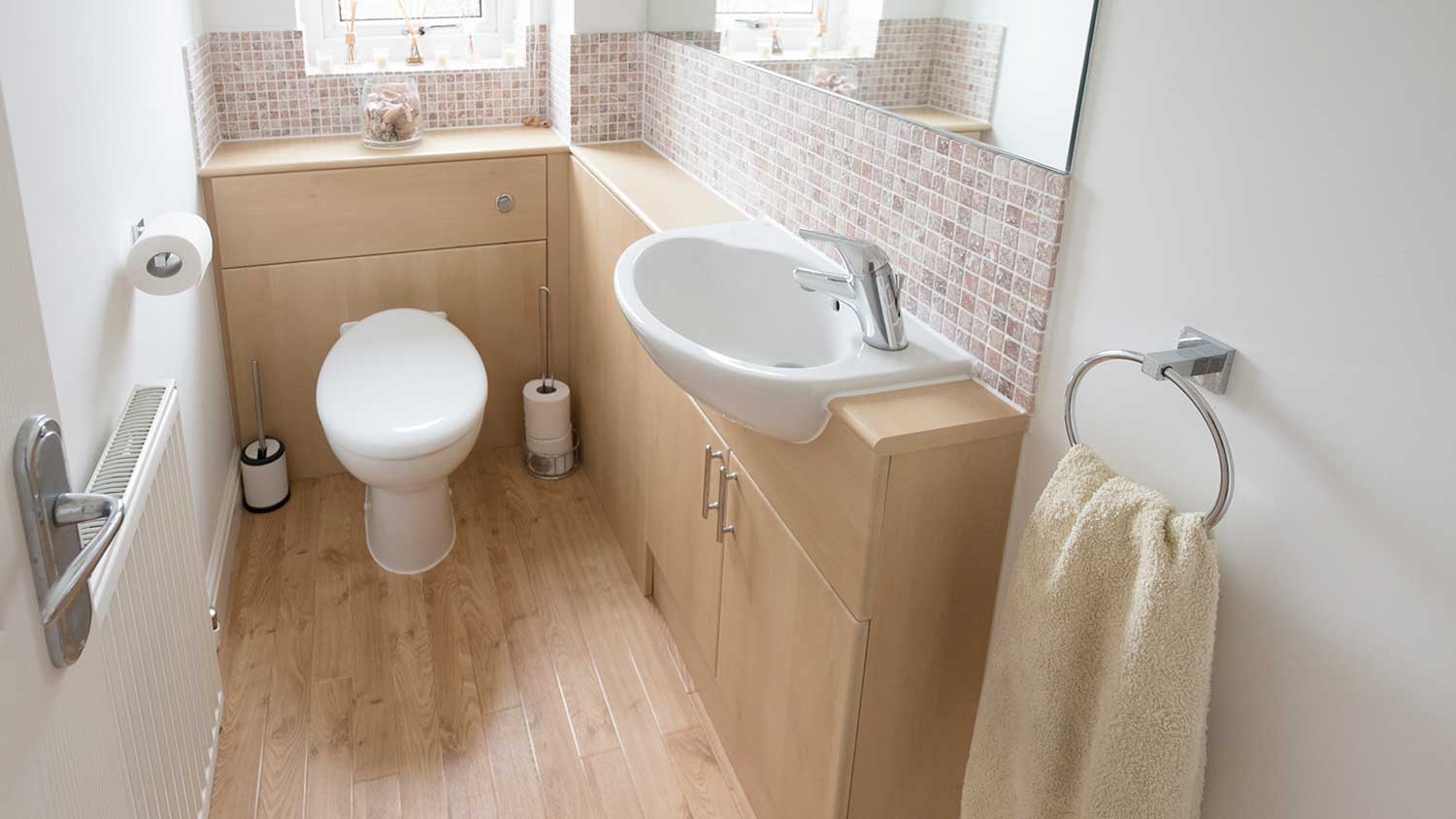
Need to know what sewer line replacement costs? This guide will help you prepare to budget for sewer line replacement done by local contractors.

Sewer cleanout costs depend on the type of cleanout and how long the line will be. Click here to start planning your budget for this project.
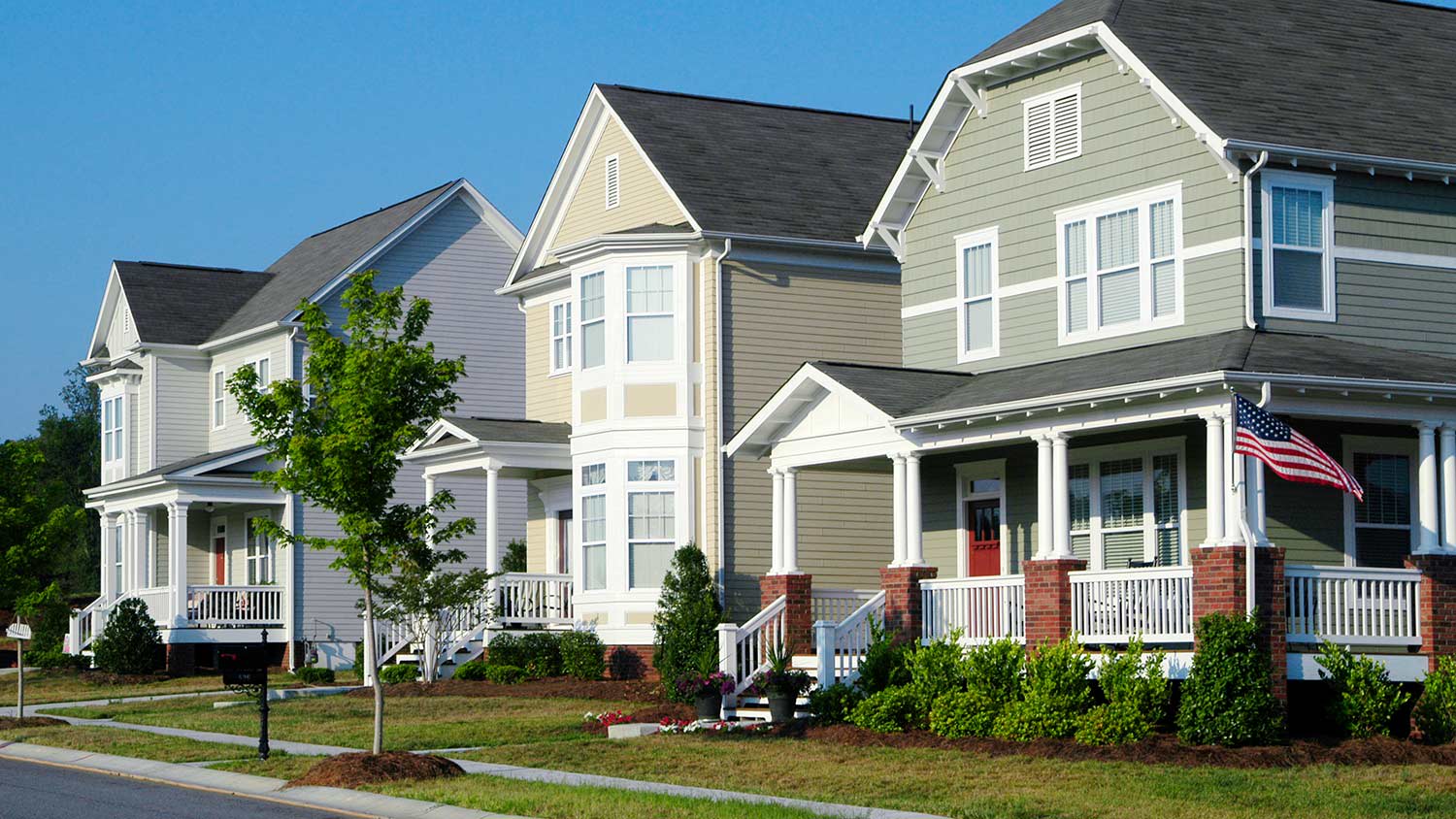
If you’re considering getting your sewer line replaced or repaired, there are a few things that you should keep in mind. We’ll cover tips and strategies to prepare for a new sewer line, along with mistakes you should avoid.
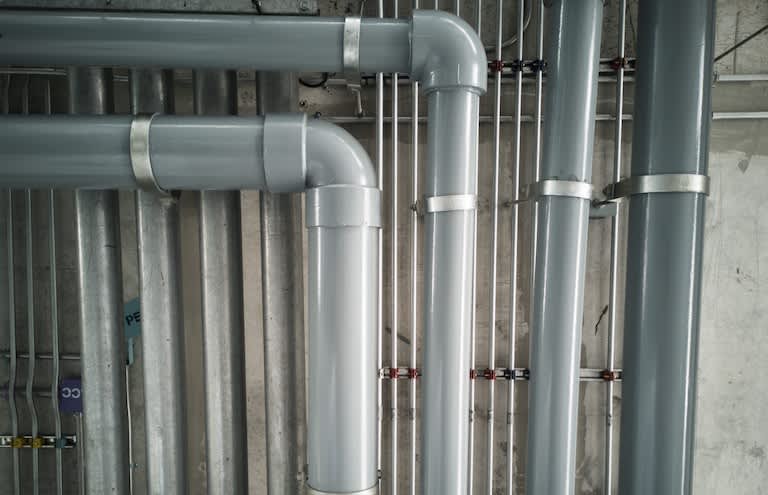
Your sewer line repair cost will vary based on the location and extent of the damage, as well as any repairs and clean-up afterward. We’ve broken down your different options, the cost to replace a sewer line, and other variables here.
Why is sewer line replacement so expensive? In short, there’s a lot of hard work required to reach the underground pipes. Consider an alternative.