

Pipe leak repair costs depend on the location and severity of the leak, as well as the type of pipe being replaced. Use our guide to price out repair work.
PVC is one of the most commonly used plumbing materials

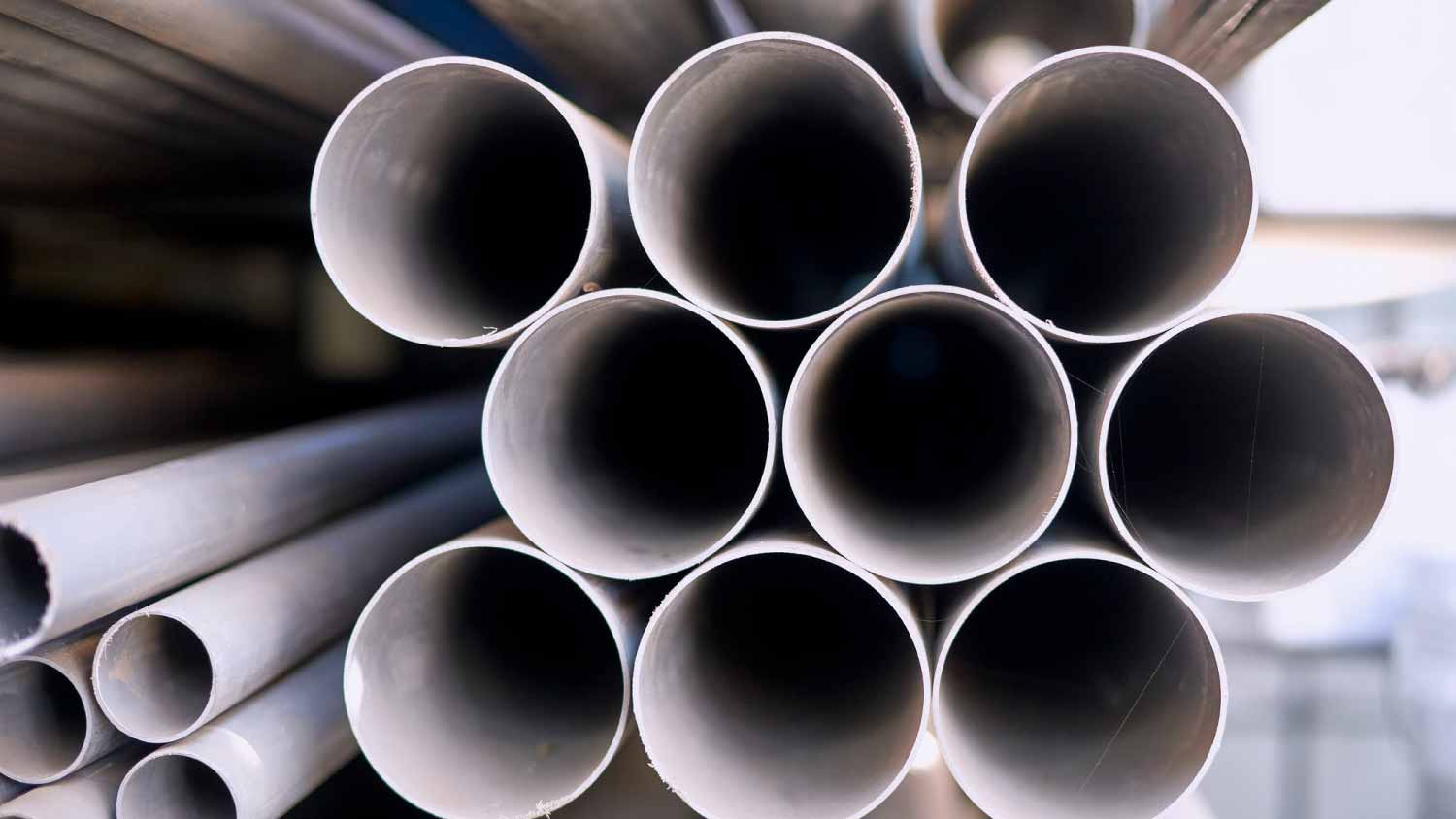
PVC pipes are made from polyvinyl chloride, a durable plastic that manufacturers mix with additives to create strong piping for your home.
PVC pipes are a budget-friendly option, and comparing materials like PVC and copper helps you plan your plumbing project with confidence.
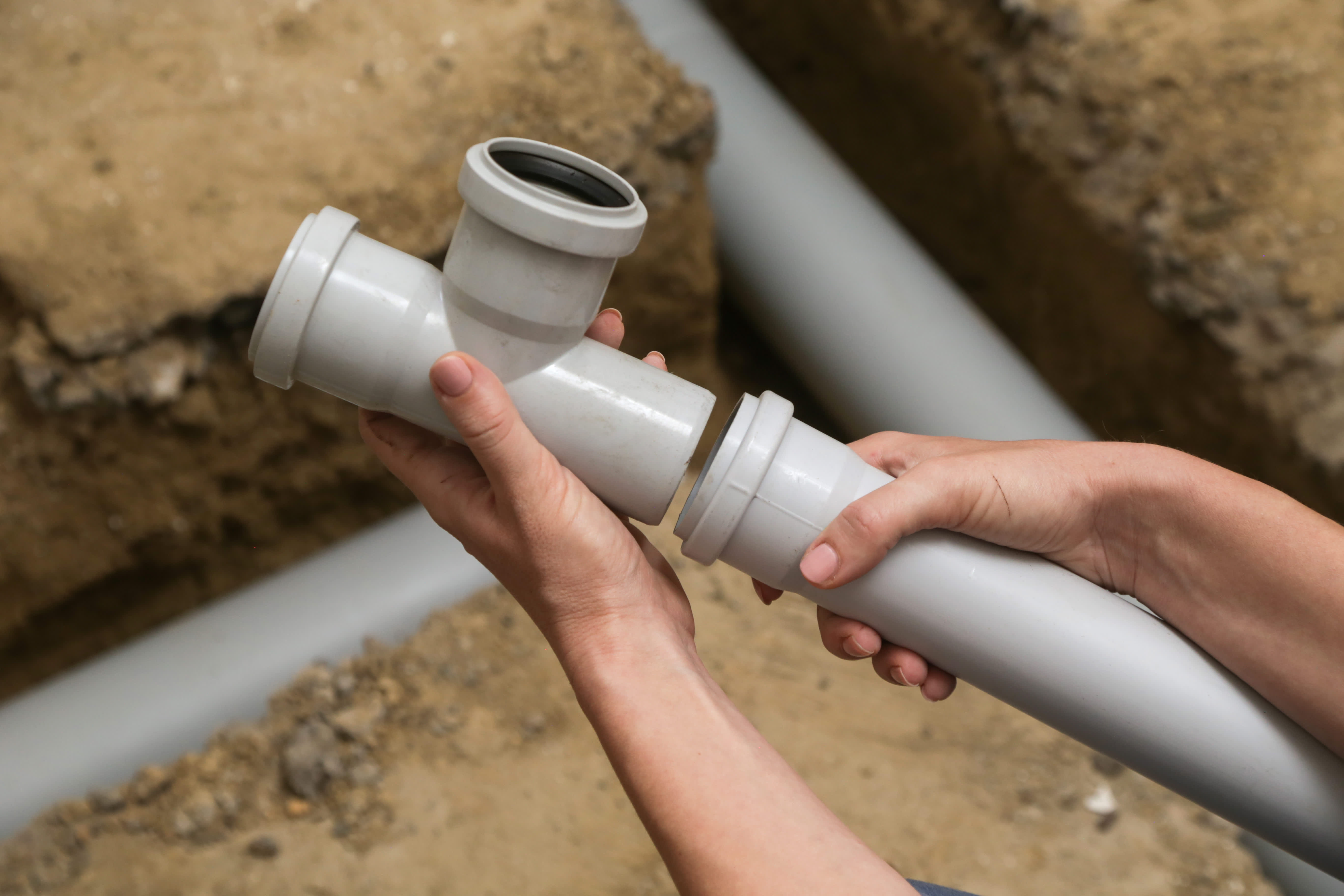
You can spot PVC pipes by checking under sinks or behind appliances for rigid white plastic piping connected with fitted connectors in your home.
Hiring a local plumbing repair professional provides reliable guidance on PVC pipe installation and replacement, so your system fits correctly and works reliably.
Your plumbing consists of a large network of pipes, and chances are good that at least some of them are made of PVC. PVC is a widely used polymer in both commercial and residential applications. But what are PVC pipes, and how are they used in home plumbing? Our guide breaks it all down.
Polyvinyl chloride, better known as PVC, is a man-made hydrocarbon polymer and one of the most utilized plumbing materials in the world. While this material is often used in furniture, flooring, and medical tubing, its most widespread use is in pipe manufacturing.
PVC is a rigid and brittle base material, making it unsuitable for many types of pipework. Instead, most U.S. manufacturers combine it with different additives to make it more durable. The nature of these additives produces several different types of PVC pipe.
The most commonly used type of PVC in pipework is plasticized PVC. Plasticization is the process of adding bisphenol A (BPA) and phthalates to base PVC to soften the material enough to make it more flexible. It’s easier to snake a flexible PVC pipe through a channel than a pipe made from unplasticized PVC, or uPVC.
While you’ve probably heard of PVC, it might surprise you to know that there are a few different types of PVC, and they’re not all created equal.
PVC: PVC, as we commonly know it, is actually polyvinyl chloride mixed with plasticizers to reduce its rigidity and make it more flexible, making it more suited to piping.
CPVC: This type of PVC is created with the addition of chlorine. This addition makes it stronger and better able to stand up to higher temperatures. As a result, this type of PVC piping is common for HVAC (heating, cooling, and ventilation) lines that carry hot water. It’s also used in industrial applications where a higher heat tolerance is needed.
UPVC: Without plasticization, UPVC is the most rigid form of PVC. Called unplasticized PVC, or UPVC, it is more commonly used in construction.

PVC pipes are popular because they are durable and sturdy. These qualities lead to multiple residential, industrial, and municipal applications.
The most significant and widespread use of PVC pipes concerns water transit through plumbing systems. PVC pipe manufacturing for water transit is strictly regulated, owing to how widely used they are.
Due to regulations, manufacturers will increase the chlorine content of base PVC when creating pipes for potable water. These chlorinated PVC pipes (PVC-C) have a greater resistance to higher temperatures and corrosion. PVC-C’s inherent resistance to oxidative degradation means it can last longer without transferring rust or chemicals into drinking water.
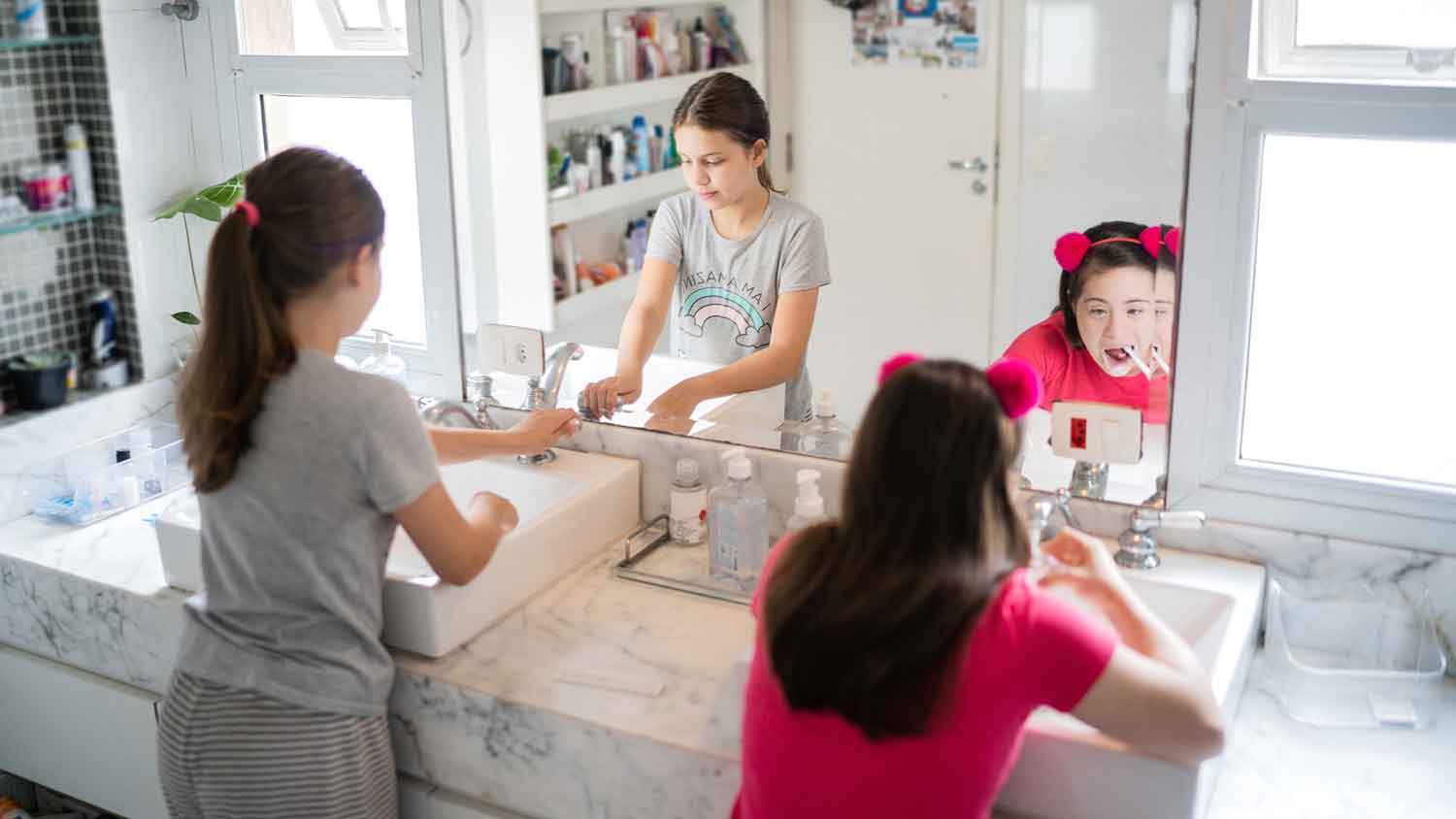
PVC pipes play a vital role in handling and controlling waste materials. Sinks, toilets, and manufacturing equipment all use PVC pipes in their vents and drain systems. Sewers and other municipal wastewater removal systems rely on PVC pipes because of their flexibility, corrosion resistance, and resistance to microbiological film growth.
Along with being able to withstand abrasion and corrosion, PVC pipes can handle many chemicals that metals cannot, such as hydrochloric acid. In addition, the chlorine content of PVC pipes gives them increased resistance to chemical degradation and fire spread in the event of a flammable material accident.
PVC pipes can transfer more than just liquids. One of the most significant uses of PVC pipes in building infrastructure is HVAC and exhaust work. Thanks to its increased insulation and durability, PVC duct or PVC-C duct is commonly used in air conditioning and heating systems. In addition, the demand for lower-cost building materials has caused a rise in the use of PVC for HVAC and other ventilation systems.
There are many reasons why PVC is widely regarded as one of the most useful construction materials. The most significant is its durability, especially plasticized PVC. PVC pipes can withstand high pressure, temperature fluctuations, and numerous chemical applications.
Another major benefit of using PVC pipes is how budget-friendly they are. Choosing PVC can lower your pipe replacement cost significantly. PVC pipes cost roughly $0.50 to $3 per linear foot. Compare that to copper pipes at $2 to $12 per linear foot and you can see the budget-friendliness of PVC.
If you want to install or replace pipes in your plumbing, it’s hard to go wrong with PVC pipes. They can handle virtually any task that involves moving water, last for up to 50 years, and fit any budget. For your next plumbing project, get in touch with a local plumbing repair specialist to ensure a smooth installation of your PVC pipes.
Though you can find PVC pipes in various diameters, the two primary sizes are schedule 40 and schedule 80. The difference between the two lies in their pressure ratings, with schedule 80 pipes able to withstand more pressure than schedule 40 thanks to their thicker walls.
Schedule 40 PVC pipes commonly see use in residential drain systems, as the wastewater in domestic lines isn’t under any significant pressure. However, industrial, municipal, and chemical applications require schedule 80 PVC pipes because they require liquids and other materials to travel under high pressure.
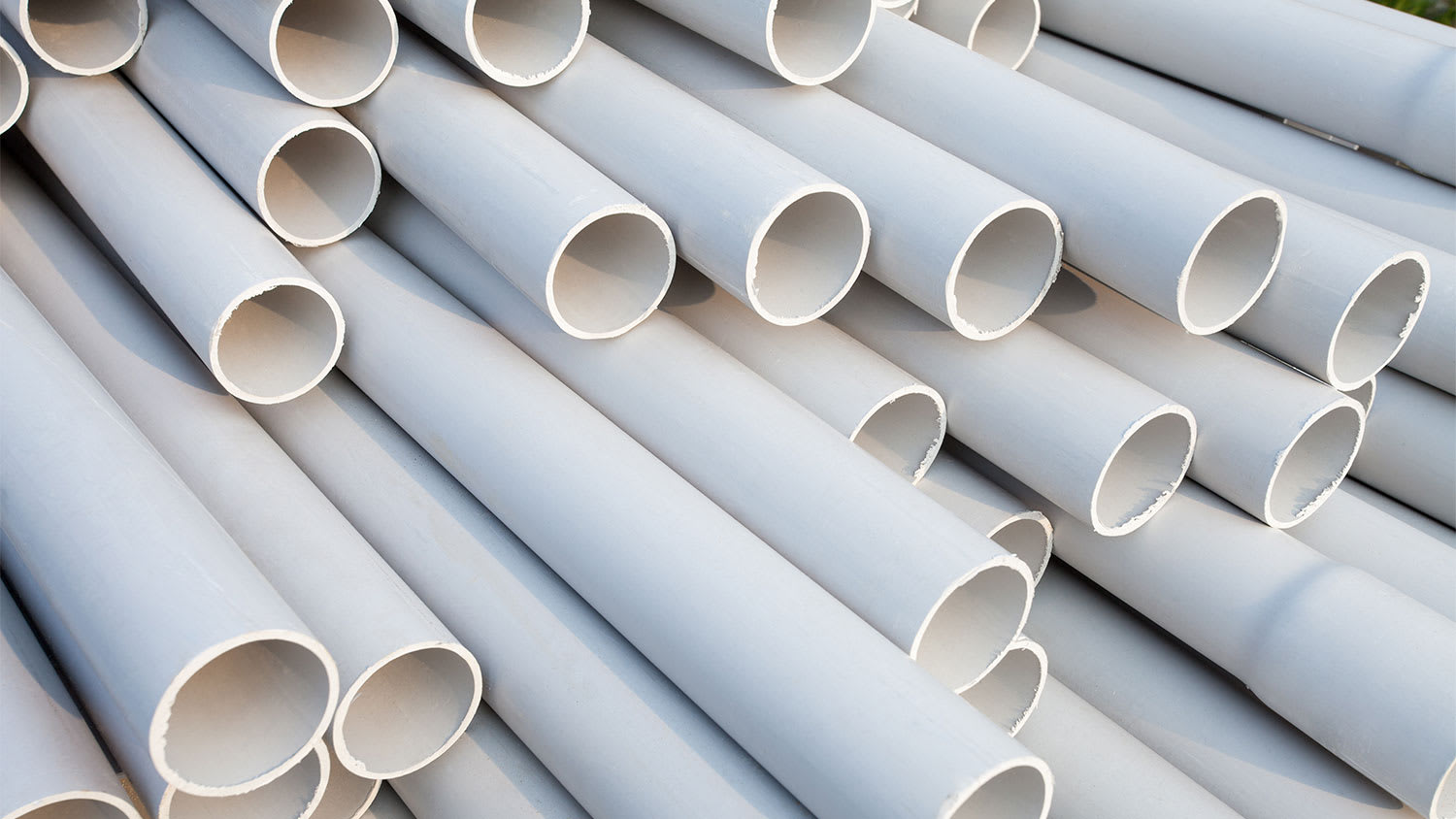
PVC has a distinct look—it’s a rigid white plastic. PVC pipes can vary in diameter, but they are hard to the touch and not flexible. Different lengths can be joined with connectors or capped depending on the required length and purpose. To tell if you have PVC pipes in your home, you can look under your kitchen or bathroom sink, behind your washing machine, and around your water heater to see if the piping is made of PVC.
Positive experience. As previously stated, the replacement/repair could not be completed (no fault of the plumbing tech) b/c misinformation was rec?d by property management maintenance. Thanks to the plumbing tech for your efforts. Appreciate you!
 The Waterworks
If you want to pay the most exorbitant prices possible for your job, this is the company for you. “By the job” pricing is a rip-off, at least how these people use it. Every job is plugged into a category and prices are set by category. You might have a job that takes half an hour or one that...
 Benjamin Franklin Plumbing
Cole has been handling plumbing and general contracting for our four properties over the past three years, and he’s always done a great job. Most recently, he installed a sink and countertop in our retail store where none existed before, and it turned out exactly how we needed. He’s...
 ANB Renovations LLC
Matt is a consummate professional. The work turned out to be far more difficult than expected and rather than turn the job down, Matt rose to the occasion and completed a near impossible task. I can not recommend Greene's Plumbing Service more highly. On a scale of 1-5 I would give Matt a...
 Greene's Plumbing Service
Involved an extensive bathroom remodel, including removing tub & installing walk in shower, new drywall, custome tile work to ceiling, plumbing, etc. Overall, job was done on time and on budget. Nick & his team were very professional and had high attention to detail. Quality was great. Highly...
 Stamos Flooring and Remodeling LLC
Awesome company. Had a jacuzzi tub taken out and replaced with huge walk in shower with partial glass enclosure. Onyx to the ceiling with a decorative border, moved plumbing and installed hand held shower, new ceiling, flooring, and paint. Replaced window with glass block. Everything was done...
 Columbus Bath Design
The initial quoted price from a walk-through seemed high, but we discussed that the quote represented worst case scenario (re-wiring to two floors) and we were excited about the opportunity to have the work done in a timely manner with closing for fire safety reasons, etc. When the job was...
Initially, I called the Service People to have a leaking garbage disposal replaced. I had purchased a special deal through Angie's List: $79 for $200-worth of plumbing services. <br /> When I went to schedule the work, the earliest date I could get through Angie's List was after the upcoming...
This company did a very good job on the brick wall and it looks just amazing. The staff was always professional and was practically OCD on how the bricks were stacked and how they were laid. Although it took longer than expected, I am willing to sacrifice time over perfection anyday. The...
 My Handy Mate LLC Improvement & Remodeling
<p>I am so glad we called Rotor-Rooter. I was hesitant to call them because we usually prefer to give business to local providers. But when we had sewage back up in our basement on a Saturday evening, I had a hard time getting a hold of someone, not to mention the high weekend/evening rate...
 Roto-Rooter Plumbing & Water Cleanup
From average costs to expert advice, get all the answers you need to get your job done.
Pipe leak repair costs depend on the location and severity of the leak, as well as the type of pipe being replaced. Use our guide to price out repair work.
Compare the main types of PVC pipe—Schedule 40, Schedule 80, DWV, and CPVC—and learn how to choose the right one for supply, drainage, or hot water lines.
Not sure what PVC pipe size is right for your plumbing project? Learn about common sizes and how to choose the right one for the job and code requirements.
Know the differences, pros, and cons of copper pipes and PVC pipes, two of the most common plumbing materials used in construction.
Learn how to cut PVC pipe with ease and efficiency. Our guide will show you how to tackle your PVC pipe project like a pro.
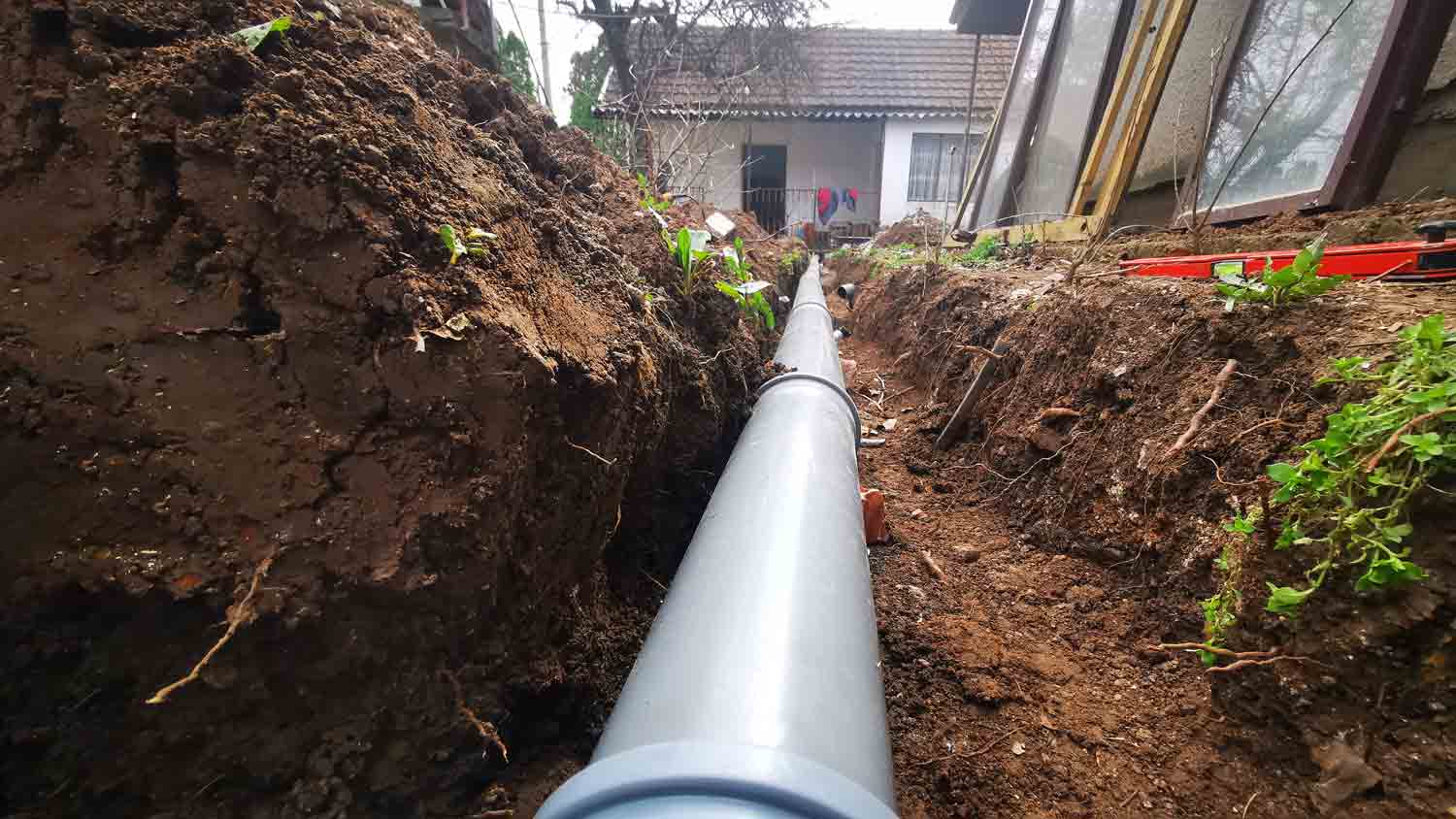
Keep your yard from flooding by choosing the right piping and drainage. Learn what type of piping is used for the drainage system in a yard with this guide.