
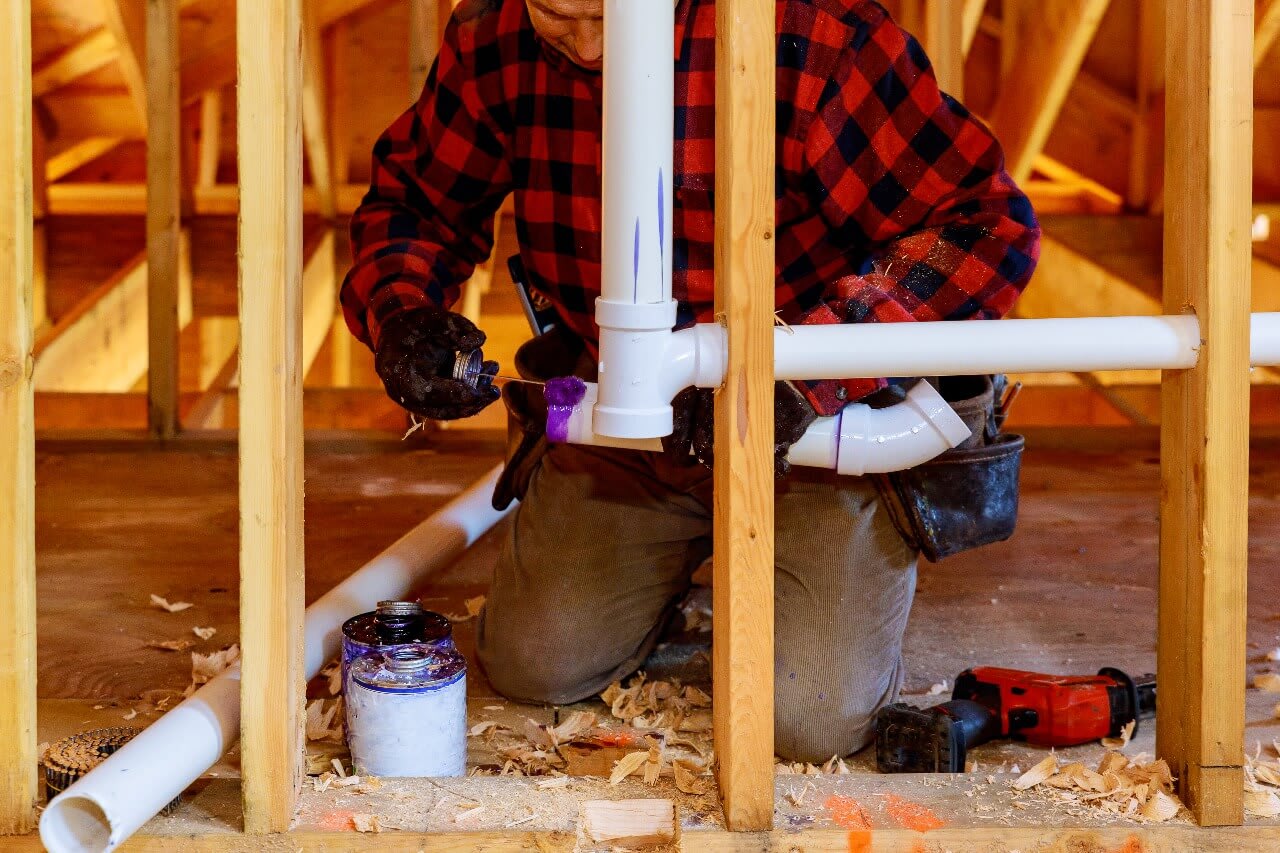
A clogged main sewer line can lead to gas or wastewater leaks. Find out what main sewer line clog repair costs by type of service, clog severity, and more.
This is one of those times when you don’t want to go the old-fashioned route

PVC pipe types used for sewer lines include durable white plastic, black ABS resin, heavy cast iron, porous clay, and outdated Orangeburg, each with distinct lifespans and characteristics.
Cast iron sewer line replacement costs $50 per linear foot, while PVC costs $4.50 per linear foot, and total sewer line installation can reach $10,000 for your home.
Schedule 40 PVC works well for your residential sewer lines because it handles low-pressure applications, while DWV PVC suits non-pressurized drain lines perfectly.
Hiring a local sewer service professional ensures you choose the right pipe type for your needs and confirms the installation meets all local building codes.
Knowing the various types of sewer pipes is important when it’s time to repair or replace your sewer line. If you have a newer home, your sewage pipe is probably made of plastic. But if your home is 50 years old or older, your pipe drain could be made of iron, clay, or even a made-made blend of wood and tar. Here are the five types of sewer pipes so that you can identify what you have and decide on a replacement, if necessary.
| Type of Sewer Pipe | Characteristics |
|---|---|
| PVC | Strong, smooth, resilient white plastic |
| ABS | Tough, durable black plastic resin |
| Cast iron | Heavy and expensive but durable |
| Clay | Porous, difficult to cut, and hard to find |
| Orangeburg | Outdated blend of wood fiber and tar pitch |

PVC pipe is one of the most common types of sewer pipe used in residential plumbing today. It’s often 4 inches in diameter and is made of white polyvinyl chloride (PVC), which is a smooth, durable material that maintains a degree of flexibility.
Lightweight and easy to find at home improvement stores, PVC is a top pick for homeowners because it’s easy to carry, cut, and install. Plus, you can connect PVC pipe to other existing types of sewer pipe, including clay and cast iron. PVC pipe has been around since the 1960s, and it tends to last for 100 years.
| Pros | Cons |
|---|---|
| Lightweight | Susceptible to cracks |
| Affordable | Not suitable for high-pressure lines |
| Rust-, leak-, and root-resistant | Not suitable for high temperatures |
Best for: DIY and residential installation

Like PVC, ABS sewer pipes are tough plastic, which makes them very smooth, strong, and durable. They’re rustproof, corrosion-proof, and resistant to root infiltration when buried underground. They’re less likely to bend or leak than other types of pipe, and they’re affordable, lightweight, and easy to cut, too.
ABS sewer pipes are made of acrylonitrile-butadiene-styrene (you can see why everyone just uses the acronym). They’re heat-, cold-, and corrosion-resistant, making them a great choice for drainage pipes. Your septic pro will need to make sure these pipes are buried underground and not exposed to direct sunlight, which can cause ABS pipes to warp.
| Pros | Cons |
|---|---|
| Can withstand extreme temperatures | Tend to be very loud |
| Lightweight | Not suitable for direct sunlight |
| Durable | Can be brittle |
Best for: Underground piping

Cast iron sewer pipes are thick, heavy, and extremely tough. With a life span of 100 years, many older homes today are still sporting this traditional type of sewer pipe, which was very common decades ago but fell out of favor as PVC piping came on the scene in the 1960s.
Although it’s sturdy, strong, and durable, most people replace their aging cast iron sewer pipes with PVC or ABS because of cast iron’s tendency to deteriorate over time. Cast iron pipe also has a tendency to corrode and may be more likely to clog than other types of sewer pipe. Additionally, it’s much more expensive: The average cast iron sewer line replacement costs $50 per linear foot compared to $4.50 per linear foot for PVC.
| Pros | Cons |
|---|---|
| Quiet | Expensive to repair and replace |
| Nonflammable | Susceptible to clogs and corrosion |
| Long-lasting | May crack if exposed to high heat |
Best for: Fireproof sewer piping

Clay sewer pipes have been used in the U.S. for more than 200 years, even gracing the plumbing system of Washington, D.C., as early as 1815. This type of pipe is made of kiln-fired clay that makes it tough and smooth, almost like ceramic, and gives it an excellent resistance to chemicals, corrosion, rust, and other problems. Because these pipes are made of natural materials, they’re considered very eco-friendly, but it also makes them more susceptible to leaks, cracks, and tree root problems.
Although clay pipes last 50 to 60 years on average, they’re often replaced with plastic pipes when they reach the end of their life span because plastic is lighter and easier to work with.
| Pros | Cons |
|---|---|
| Natural, eco-friendly material | Susceptible to leaks |
| Excellent corrosion resistance | Vulnerable to root intrusion |
| Resistant to acids and other chemicals | More difficult to cut than other types |
Best for: Environmentally friendly piping
It’s uncommon today, but Orangeburg pipe was popular for several decades after WWII. It’s made of “bituminized” fiber, which is wood fibers that have been coated in tar pitch. The main attraction of the Orangeburg sewer pipe was that it was light, low-cost, easy to cut and carry, and expected to last a lifetime. Unfortunately, Orangeburg sewer pipes also easily degrade and deform over time. If your home currently has Orangeburg sewer pipe, it’s time for replacement.
| Pros | Cons |
|---|---|
| Lightweight | Susceptible to deformation |
| Easily cut | Deteriorates easily |
| Cheap | Vulnerable to roots and clogs |
Best for: No one (although this type of pipe is no longer used, it used to be the best for low-cost piping)

Having trouble determining what type of sewer pipe you have? It can be difficult to assess, especially when the section you’re examining is buried underground. Here are some tips for identifying what type of pipe is used for your home’s sewer lines.
First, locate your home’s sewer line. You may be able to spot it in your basement, garage, or crawl space by looking for a big, 4-inch-wide pipe. It should have a cap on top with a notch or cube-shaped knob. If you’re looking outside, scan close to the foundation of your home for a 4-inch pipe with the same type of cap, or look near the street or sidewalk. If your landscaping is particularly lush or overgrown, it could be obscuring the pipe.
PVC: White plastic pipe
ABS: Black plastic pipe
Iron: Black or rust-colored pipe
Clay: Smooth, terra-cotta-colored, non-metallic pipe
Orangeburg: Pipe that resembles a cardboard tube
Considering the cost to install a sewer line can be as much as $10,000, it makes sense that the most common choices today are PVC and ABS piping. Thanks to their affordability, durability, and resistance to most of the troubles that tend to plague sewer pipes, ABS and PVC pipes are suitable for most drainage pipe applications.
If you choose PVC, which is the most popular selection for residential sewer lines, Schedule 40 PVC is a suitable choice. Schedule 40 is a type of PVC with thicker walls than DWV (but not as thick as Schedule 80) that works with low-pressure applications. DWV is a good choice, too, because it’s a lighter-weight PVC that’s suitable for non-pressurized lines, including drain lines. To be sure you’re choosing the right type of pipe for the job, check with a local sewer service. They can recommend the best type of pipe for your needs and make sure that the job is up to your local building codes, too.
I recently moved to another state and chose United Trust Van Lines after comparing several companies. Their team was punctual, professional, and extremely careful with my belongings. I was especially impressed with how they handled my home office setup and fragile items. Everything arrived on...
 United Trust Van Lines, LLC
Positive experience. As previously stated, the replacement/repair could not be completed (no fault of the plumbing tech) b/c misinformation was rec?d by property management maintenance. Thanks to the plumbing tech for your efforts. Appreciate you!
 The Waterworks
As usual with ECO, tech Jordan was outstanding, very professional, very knowledgeable, and very thorough with repairs made to tankless water heaters. Very highly recommend ECO!!!
 Eco Plumbers, Electricians, and HVAC Technicians
I would recommend this company to anyone! He showed up on time, was friendly, completed a very difficult repair on our dryer vent cover, was responsive, and pricing was extremely fair and competitive. I would have him back to do any of our repairs or cleanings without hesitation!
 U.S.A. Dryer Vent, LLC
Best cleaning I've had at my property
I'm a repeat customer of All Star Paving & Sealing and I appreciate the service that all start paving has done for me in the past. I just recently had them out for an estimate and things couldn't have gone better. The staff that they send out to do the estimates are very knowledgeable. The...
 All Star Paving and Sealing
Supreme Brick & Chimney is one of the best service providers I’ve interacted with. Extremely efficient, knowledgeable, and thorough. They took the time to walk me through their detailed full-service inspection and were extremely professional. Not to mention their turnaround time was...
 Supreme brick & chimney
They were great! They were thorough and efficient and paid attention to the details. Definitely recommend. I'm definitely going back!
 FIFI'S EARTH FRIENDLY CLEANING
Storms Mobile Welding was great to work with. They were prompt, professional and did an overall excellent job on the project. I highly recommend.
Great experience all together. Dog friendly, courteous, great results and honest with recommendations. Will certainly be using Cardinal in the future for any carpet repairs
 Cardinal Carpet Care & Repair
From average costs to expert advice, get all the answers you need to get your job done.
A clogged main sewer line can lead to gas or wastewater leaks. Find out what main sewer line clog repair costs by type of service, clog severity, and more.
Need to know what sewer line replacement costs? This guide will help you prepare to budget for sewer line replacement done by local contractors.

If you need trenchless sewer repairs, you’ve no doubt asked yourself, “What is pipe bursting?” This guide answers that question and so much more.
Tee, cross, wye, elbow, coupling, bushing, adapter, union, and more. Know the most common 14 types of pipe fittings and what they are suited for.
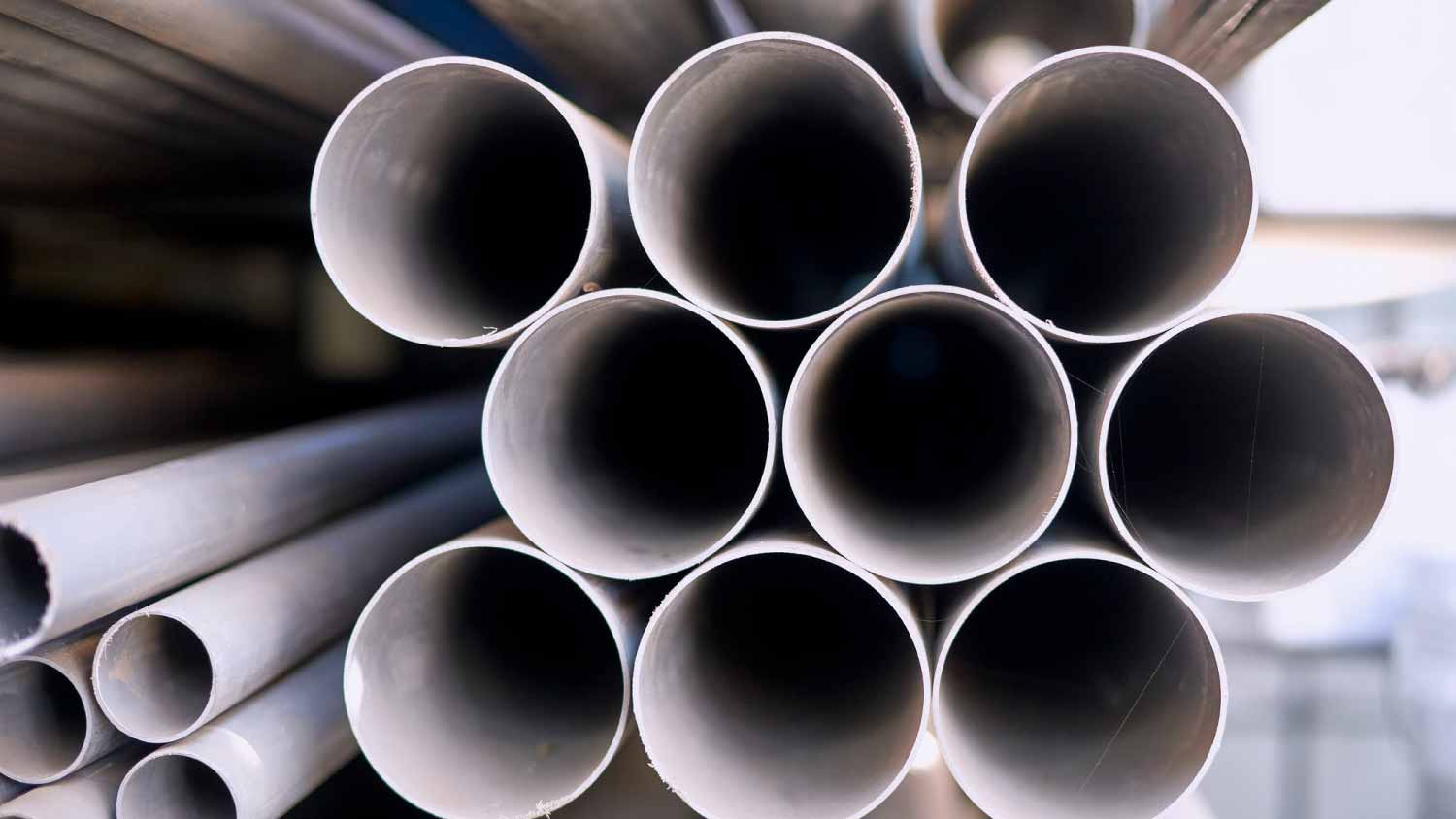
Compare the main types of PVC pipe—Schedule 40, Schedule 80, DWV, and CPVC—and learn how to choose the right one for supply, drainage, or hot water lines.
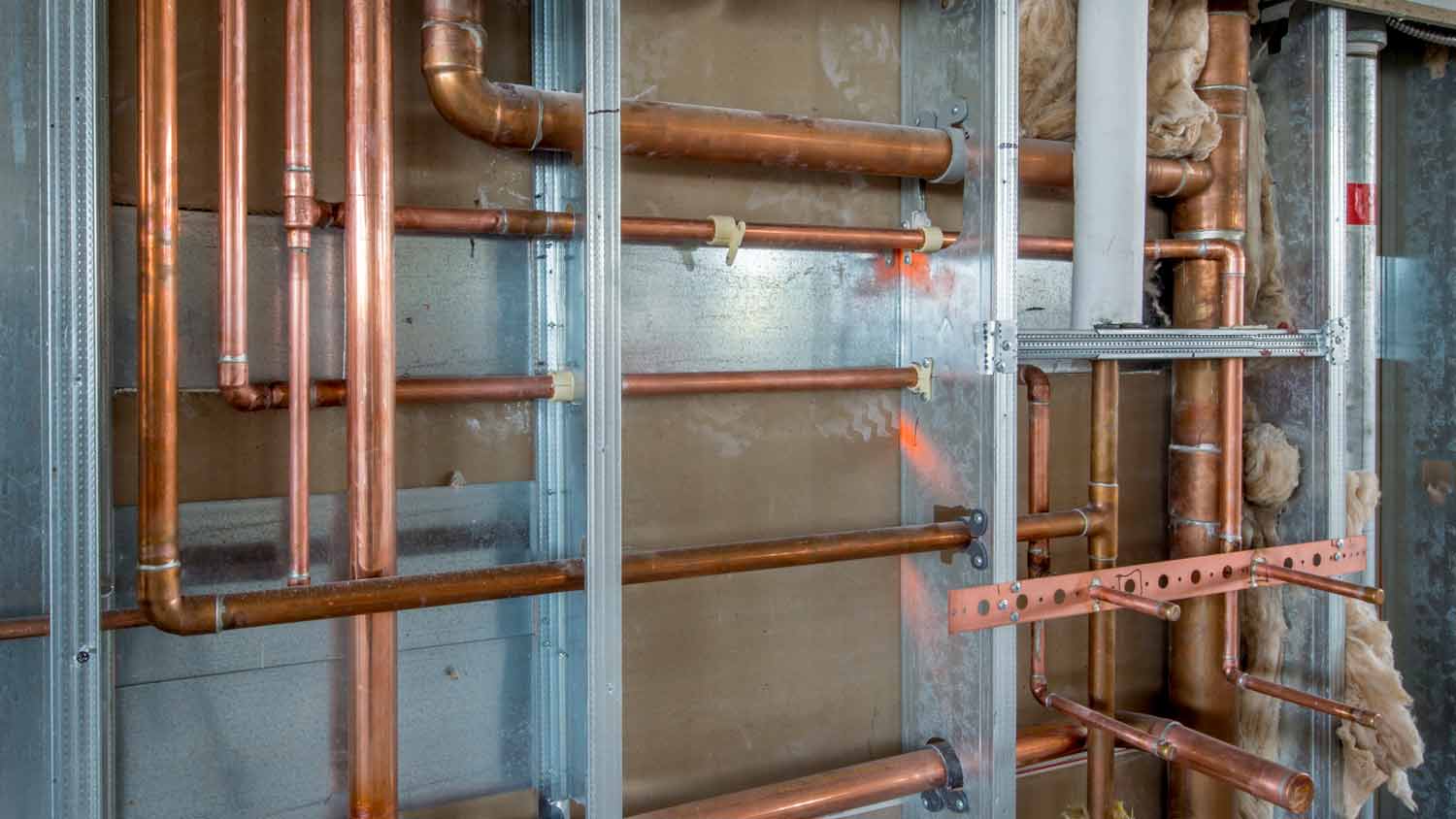
Learn about the 4 primary types of copper pipes, their applications, advantages, and limitations in this informative article.