

If your outside electrical meter box has sustained wear and tear, it might be time for a replacement. How much it costs to replace an electrical meter box depends on labor, model, and box type.
Homeowners will typically encounter several electrical box types, and each type has its own best use-case scenarios

The right electrical box depends on its purpose: device boxes handle switches and outlets, while shaped boxes support light fixtures and fans.
Metal boxes need grounding and pair with metal conduit, while plastic boxes suit non-metallic cable and indoor jobs.
Match the box to its job first, then confirm whether you need a new-work or old-work design.
Hiring a local electrical professional removes the guesswork from box selection, protects your connections, and keeps your wiring up to code.
Electrical boxes house and protect the wiring connections behind your switches, outlets, and light fixtures. The main electrical box types are device boxes, gang boxes, round pan boxes, octagon boxes, 4-inch square boxes, ceiling fan boxes, and outdoor boxes. Each comes in metal or plastic.
Knowing the different electrical box types helps you match the right box to every job, from a single outlet to an outdoor light fixture.

Start with the job in front of you. The task, the location, and the number of wires point you to the right box every time. Use this quick decision guide:
Installing a switch or outlet: Choose a standard rectangular device box. Add a gang box for two or more devices side by side.
Hanging a light fixture: Use a round pan box for shallow spots, or an octagon box when you need more wire room.
Mounting a ceiling fan: Pick a fan-rated box built for constant motion. A standard box is not safe here.
Wiring outdoors: Select a weatherproof box with a cover rated for damp or wet locations.
Joining wires only: Use a junction box, and keep it reachable behind a removable cover.
New build vs. remodel: Choose new-work boxes before the drywall goes up. Choose old-work boxes to retrofit finished walls.
This table sums up the most common electrical box types so you can match one to your project fast.
| Box Type | Best Use | Typical Depth | Common Material |
|---|---|---|---|
| Standard rectangular (device) box | Switches and outlets | 1-1/2 in. to 3-1/2 in. | Steel or PVC |
| 2-, 3-, or 4-gang box | Multiple devices in one spot | 1-1/2 in. to 3-1/2 in. | Steel or PVC |
| Round pan (pancake) box | Light fixtures under 50 lb. | 1/2 in. to 3/4 in. | Steel |
| Octagon or round box | Light fixtures up to 50 lb. | 1-1/2 in. to 3 in. | Steel or PVC |
| 4-inch square bo | Several wires or a junction box | 1-1/4 in. to 2.125 in. | Steel |
| Ceiling fan box | Fans up to the box's marked weight rating (up to 70 lb.) | Varies by model | Metal (UL-listed) |
| Outdoor weatherproof box | Exterior outlets and fixtures | Varies by model | Aluminum or high-impact PVC |
Once you know the job, the box shape follows. Here is how each of these electrical box types earns its place.
A standard rectangular box, also called a single-gang or device box, holds one switch or one outlet (also called a receptacle). These boxes run about 2 inches by 3 inches, with depths from 1-1/2 inches to 3-1/2 inches. Many are gangable, which means the sides detach so you can join boxes together for more devices.
This is the most common of all electrical box types. See the full range of electrical outlet types before you wire one.
Need more than one device in the same spot? A 2-gang, 3-gang, or 4-gang box mounts up to four devices side by side, and some include built-in clamps that grip the cable. These come in new-work and old-work versions, so you can combine types of electrical switches and outlets under one plate.
Round pan boxes, also called pancake boxes, are shallow at 1/2 inch to 3/4 inch deep. They suit ceiling or wall light fixtures under 50 pounds and fit only two or three wire connections. When you have more wires, step up to a full-size box. This keeps you within the box-fill limits in the National Electrical Code (NEC), section 314.16, or your locally adopted edition, and prevents overheating.
Octagon and round boxes give you more room than pan boxes, at 1-1/2 inches to 3 inches deep. They are the traditional choice for ceiling or wall light fixtures up to 50 pounds. Many include fasteners, also called ears, that make them a strong fit for old-work installs in finished walls.
A 4-inch square box has square corners that open up extra interior space for several wires and connectors. That room makes it easy to run wires in two or more directions. It supports light fixtures, switches, and outlets, and it doubles as a reliable junction box.
Ceiling fan boxes are purpose-built to carry a fan's weight and motion. They are round, marked "for use with ceiling fans," and UL-listed, meaning Underwriters Laboratories tested them for safety. Metal fan boxes are listed under UL 514A, and plastic ones under UL 514C. A box that supports a fan must be listed for that use under NEC section 314.27(C), or your locally adopted edition. Each box shows a maximum weight rating, so match the box to your fan and never exceed that number. Never hang a fan from a standard box, because the motion will loosen one that is not fan-rated.
Always use a fan-rated box when installing a ceiling fan.
Outdoor boxes keep moisture away from exterior outlets and fixtures on decks, walls, and roof overhangs. Plastic outdoor boxes use high-impact PVC, while metal outdoor boxes use durable aluminum that resists rust. Boxes in wet locations must be listed for wet locations under NEC 314.15, or your locally adopted edition. In damp locations, the box must be placed or equipped to keep moisture out. Match the cover to the exposure your box will face.
A junction box is any standard box that houses wire splices, the points where wires join without a switch or outlet. If you are new to the term, here is what a junction box is and how it works. A 4-inch square box works well here because it holds several wires with room to spare.
Two code rules matter most with junction boxes. Under NEC 314.29, or the edition your local authority enforces, the box must stay accessible, so never seal it behind drywall. A box above a removable ceiling tile still counts as accessible. It also needs a solid cover to protect the splices inside.
Most boxes are metal or plastic, and your wiring decides which one you need.
Metal boxes are steel indoors and aluminum outdoors. Use one whenever you run metal conduit (rigid metal tubing that shields wire) or metal-clad cable. Metal boxes must connect to the equipment grounding conductor with a pigtail, a short jumper wire that ties the box to your ground wire. NEC 314.4 requires this ground connection for circuits at 50 volts or more, per your locally adopted edition. Metal boxes are listed under UL 514A, and plastic boxes under UL 514C.
Before you wire a metal box, review the basics of grounding electrical wires.
Plastic boxes are PVC or fiberglass. They pair with non-metallic sheathed cable, the standard Type NM-B wiring found in most homes. Plastic boxes do not need grounding, and they resist corrosion, which makes them a strong indoor choice.

Every box needs a cover. The NEC requires one, and leaving a box open is both unsafe and against code. Use a solid cover for junction boxes and a cutout cover for switches and outlets.
Box extenders, also called extension rings, attach to a box to add capacity and bring the front flush with the drywall.
Box fill is the total space that the wires, devices, and clamps take up inside a box. Overcrowding traps heat and raises the risk of a fire. Under NEC 314.16, or your locally adopted edition, the code sets a safe fill limit for each box size.
Count everything going inside before you buy. When the wires feel tight or the cover will not sit flat, move up to a deeper or larger box.
A few code rules protect every electrical box, under the NEC edition your local authority enforces:
Keep junction boxes reachable: NEC 314.29 requires them to stay accessible for future repairs.
Match the cover to the location: Boxes in wet locations must be listed for wet locations under NEC 314.15.
Respect box fill limits: NEC 314.16 caps how much a box can hold, so overfilled boxes are a common hazard in older homes.
When a code call is unclear, bring in a licensed electrician who works to your local code.
You can install a simple box on your own, but wiring mistakes carry real safety and code risks. A pro sizes the box, follows local code, and tests every connection.
For work that touches your panel, new circuits, or outdoor power, hire a local electrician to complete the job safely.
I recently had Mosby Electric perform an electrical installation on 8-14-2026, and I couldn’t be more satisfied with the service. From the moment I called, their team demonstrated fast arrival and professionalism. The electricians were highly knowledgeable, completing the installation...
 Mosby Electric
Great company! Price was competitive, technician showed up on time and completed the job (exterior electric Radon fan replacement) quickly. Would hire them again.
 MaGen Property Inspections and Radon Mitigation
I conferred with 2 other contractors before Armstrong Electric. Nick and his crew showed me that the project was not as convoluted as the other contractors made it appear to be. They completed the entire project on time. They were professional, friendly and cleaned up after at completion. I...
 ARMSTRONG ELECTRIC, LLC
The techs on my project, Shawn and Cliff, were great. They were prompt, courteous, and efficient. I am very happy with the results and would definitely contact Mr. Electric for any future electrical projects.
 Mr. Electric of Columbus
Victor was wonderful. He was on time, professional, and explained everything he was doing. He was thorough and figured out that the problem was electrical instead of with my HVAC system. Very knowledgeable. I will be using this company in the future for any HVAC needs. Thanks!
 Hubbs Heating & Air LLC
They were excellent. They did a great job. I was totally satisfied. They put tremendous effort in making sure the work was completed. They were great. They provided immediate response to any inquires I made. I would hire them again. I would recommend them to anyone who needs electrical work....
 JCB & Associates, LLC DBA Property-Tech Industries
Initially, the repairman could not find the problem. Apparently, there was some electrical shortage, but he could not find the definite problem. He left, but called back later to say he had a new idea. He returned and replaced the light switches on the doors. The refrigerator seemed to return...
 Appliance Pro LLC
The initial quoted price from a walk-through seemed high, but we discussed that the quote represented worst case scenario (re-wiring to two floors) and we were excited about the opportunity to have the work done in a timely manner with closing for fire safety reasons, etc. When the job was...
I have to tell you I am all about customer service - I will go out of my way and even pay more for it if you give me great customer service. <br> <br>In a world where this is hard to find, these guys were awesome! I can not sing their praises enough. They were prompt, personable, funny, got...
 Waibel Electric
When I challenged the markup on the generator, Bruder Electric withdrew its bid. They only want naïve customers.
From average costs to expert advice, get all the answers you need to get your job done.
If your outside electrical meter box has sustained wear and tear, it might be time for a replacement. How much it costs to replace an electrical meter box depends on labor, model, and box type.

Circuit breaker boxes give you the electricity you want and the safety you need in your home at the convenience of a switch. This guide will give you a comprehensive view of everything you need to know about your breaker box.
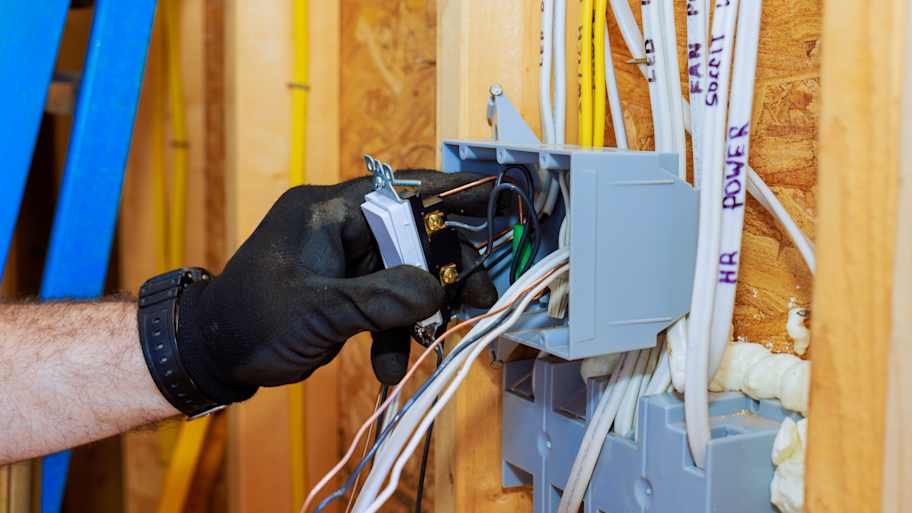
Not sure what a junction box does? From wiring safety to code compliance, this guide breaks down what it is, how it works, and why every home needs it.

It can be difficult to tell where the neutral or ground wires are located in your breaker box. Here’s what you need to know about your breaker box wiring.
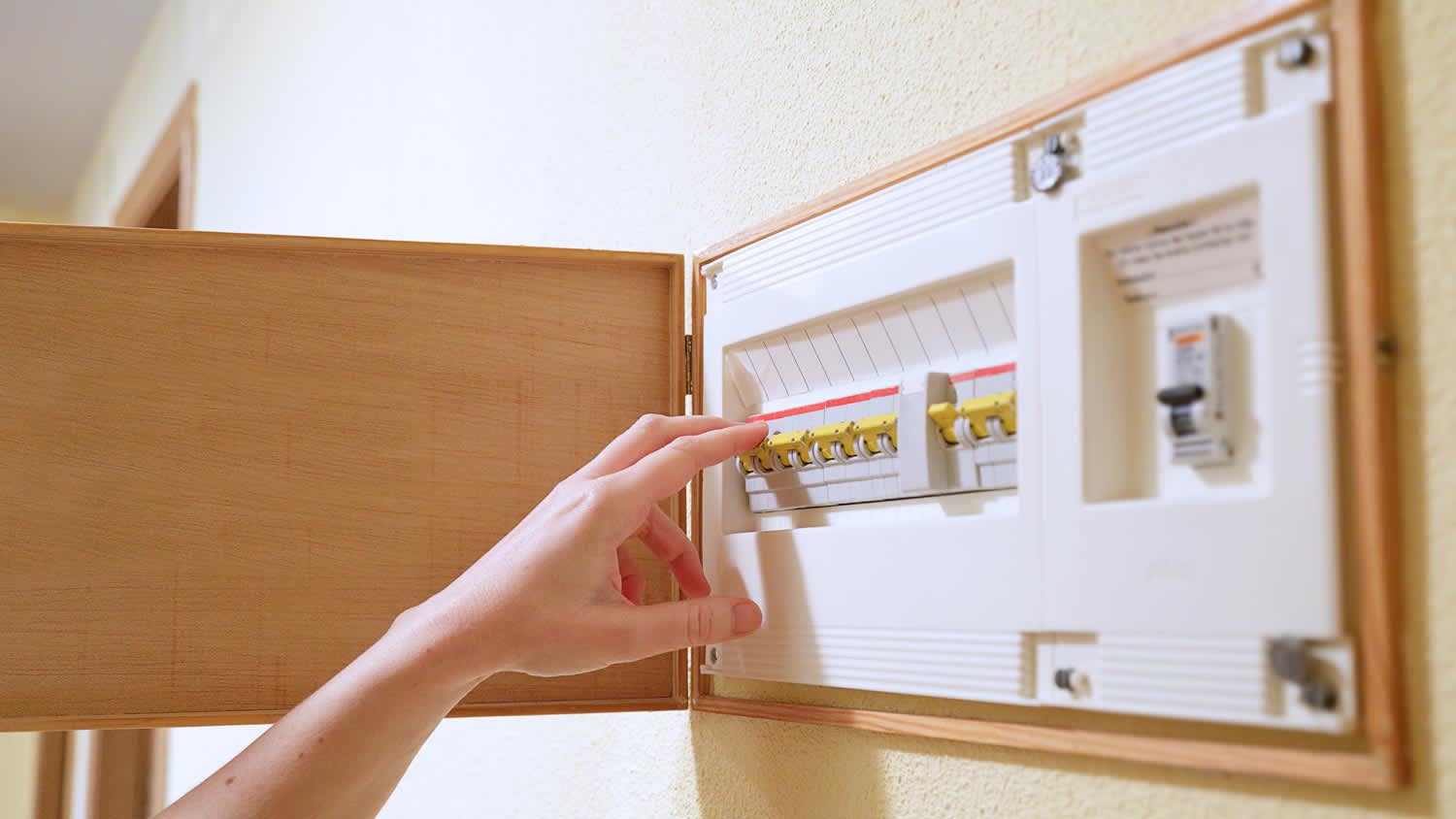
If you’re trying to choose between a circuit breaker vs. a fuse box for your home, our guide will help you decide which electrical panel is right for you.

Nearly every electrical wire in your home has a different purpose. This article will cover the types of electrical wires, what they’re for, and how you can tell them apart.