

You want to keep your family safe, so you may wonder how to tell if your home has asbestos. Since asbestos is invisible to the naked eye, you can look for signs of the material, but you should hire a professional to confirm the presence of asbestos.
Ensure your home is safe by updating your carpet

Asbestos in carpet padding appears more often in homes where your carpet was installed before the 1980s, when asbestos use was common.
A grayish or bluish tint in older carpet underlay signals potential asbestos presence, though the fibers remain invisible without professional testing.
Asbestos exposure leads to serious health risks including lung scarring, lung cancer, and mesothelioma when you disturb or damage the material.
Hiring a local asbestos testing professional provides safe sample collection and accurate lab analysis, helping you plan removal or encapsulation confidently.
While asbestos was once a common building material, we now know that it poses significant health risks when disturbed. While often associated with insulation or roofing, it's essential to recognize the presence of asbestos in less obvious places, like carpet underlay.
Signs of asbestos in carpet underlay might not be visually evident at first glance, but there are a few indicators that signal its potential presence. Keep reading for a breakdown of the warning signs that asbestos carpet underlay may be in your home.
According to data from Angi customers, 44.7% of homeowners request immediate removal of asbestos in their homes—only 26.9% of homeowners say the timing is flexible. Asbestos removal isn’t an emergency in the same sense as a house fire, but long-term exposure can cause significant respiratory issues, so you should at least consult an asbestos removal company as soon as you get an inkling that there’s asbestos in your home.
Asbestos refers to a group of naturally occurring minerals composed of microscopic fibers. In the past, asbestos was commonly used in building materials as it is durable, heat-resistant, and has strong insulating properties. Where is asbestos found? Unfortunately many homes were built with asbestos until about the 1980s. Now we know that prolonged exposure to airborne asbestos fibers poses severe health risks. When disturbed or damaged, these tiny fibers can become airborne and, when inhaled or ingested, may cause serious health issues like lung scarring (asbestosis), lung cancer, and mesothelioma—a rare but aggressive cancer affecting the lining of the lungs or abdomen.
Due to its health hazards, many countries have restricted or banned the use of asbestos, emphasizing its safe removal and proper handling to prevent health risks.
Asbestos carpet underlay is a type of padding or cushioning material placed beneath carpets that contains asbestos fibers. Commonly used in older buildings before the awareness of asbestos risks, this underlay provided cushioning and insulation. However, due to its asbestos content, it poses health hazards when disturbed or deteriorated, releasing asbestos fibers into the air. The good news is, if you don’t have any carpet in your home, you don’t have to worry about asbestos carpet underlay.

Whenever possible, it’s best to hire a professional asbestos inspector near you to look for asbestos carpet underlay in your home, but these are some signs it might exist in your residence.
How old is your carpet? The age of the carpet or the property itself can be a significant indicator. Asbestos use in construction materials, including carpet underlay, was more prevalent before regulations restricted its inclusion. If the property or carpet dates back to the mid-20th century or earlier, there's a higher likelihood of asbestos-containing materials, including underlay.
Checking the property's documentation or history could reveal valuable information about the building materials in your home. Records from construction or renovation projects might indicate the use of asbestos-containing materials in the underlay. Previous inspections or renovation reports might also mention asbestos presence.
Searching for labeling or markings can offer critical insights about what was used to build your home, particularly with newer materials. Manufacturers, especially in the past, often labeled products that contained asbestos. They did this to adhere to regulatory requirements or as a means of informing consumers about the content of their materials. These labels or markings could be explicit, stating "contains asbestos" or "asbestos-containing material (ACM)." They might also provide information regarding the percentage or type of asbestos present.
However, relying solely on these labels poses challenges. Over time, due to wear, tear, or deterioration of the underlay, these labels might become unreadable or disappear entirely. Moreover, some manufacturers might not have labeled their products adequately, or used ambiguous terminology that doesn't explicitly mention asbestos.
A quick visual inspection can help you uncover asbestos carpet underlay. When examining older underlays, there's a common observation of a grayish or bluish tint, which historically aligns with materials containing asbestos. This discoloration, however, does not serve as a definitive marker for asbestos presence.
So, what does asbestos look like? The challenge lies in the microscopic nature of asbestos fibers, rendering them invisible to the naked eye. These fibers are often intertwined within the underlay material, making them virtually undetectable through visual means alone. Moreover, the aging process or exposure to other environmental factors might alter the appearance of the underlay, further complicating visual assessment.
The coloration could also stem from various non-asbestos-related factors such as age, mold, or other contaminants, adding layers of complexity to the visual analysis. Therefore, relying solely on visual cues can lead to inconclusive or inaccurate assessments regarding the presence of asbestos.
Given the limitations that come with a visual inspection, to confirm the actual presence of asbestos in carpet underlay, it's crucial to seek professional assistance. Certified asbestos inspectors possess the expertise and tools necessary to collect samples properly and conduct comprehensive asbestos testing in controlled environments. Through specialized microscopy or other analytical methods, these professionals can accurately identify and quantify asbestos fibers.
Once the presence of asbestos is confirmed, the professional will create a plan for safe removal or an encapsulation strategy. A trained pro can execute the removal process safely by using specialized equipment, containment measures, and personal protective gear to prevent fiber release and minimize health risks. Spend some time talking with pros in your area to find the best asbestos removal price.
One of my old tall evergreen trees was suddenly leaning toward the busy street in front of my house. I submitted a request for an emergency tree inspection, and Alejandro, owner of Cajete Tree Service, contacted me immediately and arrived to look at it just 20 minutes later. We agreed the...
 Cajete Tree Service LLC
Terrible experience. Walls/trim/floors/cabinets/doors all have drip marks, overspray, etc. Tiling at the fireplace had to be redone by another vendor due to incorrect and shoddy install by Profect. Contractor had his children in our house while he was on site without prior authorization or...
 Profect painting & exteriors
Lyle did a great job removing asbestos shingles from our front porch roof. They worked together with our roofer to make sure that the new roof was able to be installed on the same day that Lyle removed the asbestos shingles.
 Lyle Environmental
Involved an extensive bathroom remodel, including removing tub & installing walk in shower, new drywall, custome tile work to ceiling, plumbing, etc. Overall, job was done on time and on budget. Nick & his team were very professional and had high attention to detail. Quality was great. Highly...
 Stamos Flooring and Remodeling LLC
A team of 2 spent 5 hours, cleaning top to bottom (removed all light fixture and cleaned.... impressive!!!)
 Luzia's Cleaning
Great Job!!! Martin called me after I requested a estimate on Home Advisor. He was very professional and actually went the same day and looked at the tree I needed removed gave us a estimate and I felt it was very aggressive so I did not even call for any other bids. I asked him how soon he...
 Reyes Tree Service LLC - Home Facebook
Mike and his crew did a great job working through a very challenging task. The job required a full demolition of our ceiling, removing the blown in insulation and removing all the material from the site daily. It involved multiple inspections from the city and many challenges to get the...
 Rising Height Unlimited
Removed various items (furniture, lamps, other junk) from my home. They were on time, personable, professional, etc. I can't say enough positive things about this company. <br />
The task proved more difficult than anticipated. When they arrived the first day, they had no tools with them at all, and had to make a run to purchase appropriate tools. It was quickly determined that the paper had to be steamed off, and neither the workers, nor the company itself, had...
 ABS Interiors of Mid-Ohio LLC
We needed them to do extra work to remove existing wallpaper, and provide full primer and painting/trim work around existing furniture etc, during a move-in period. They did everything top-notch with minimal mess. They were always extremely on time, and very professional. They also cleaned...
From average costs to expert advice, get all the answers you need to get your job done.
You want to keep your family safe, so you may wonder how to tell if your home has asbestos. Since asbestos is invisible to the naked eye, you can look for signs of the material, but you should hire a professional to confirm the presence of asbestos.
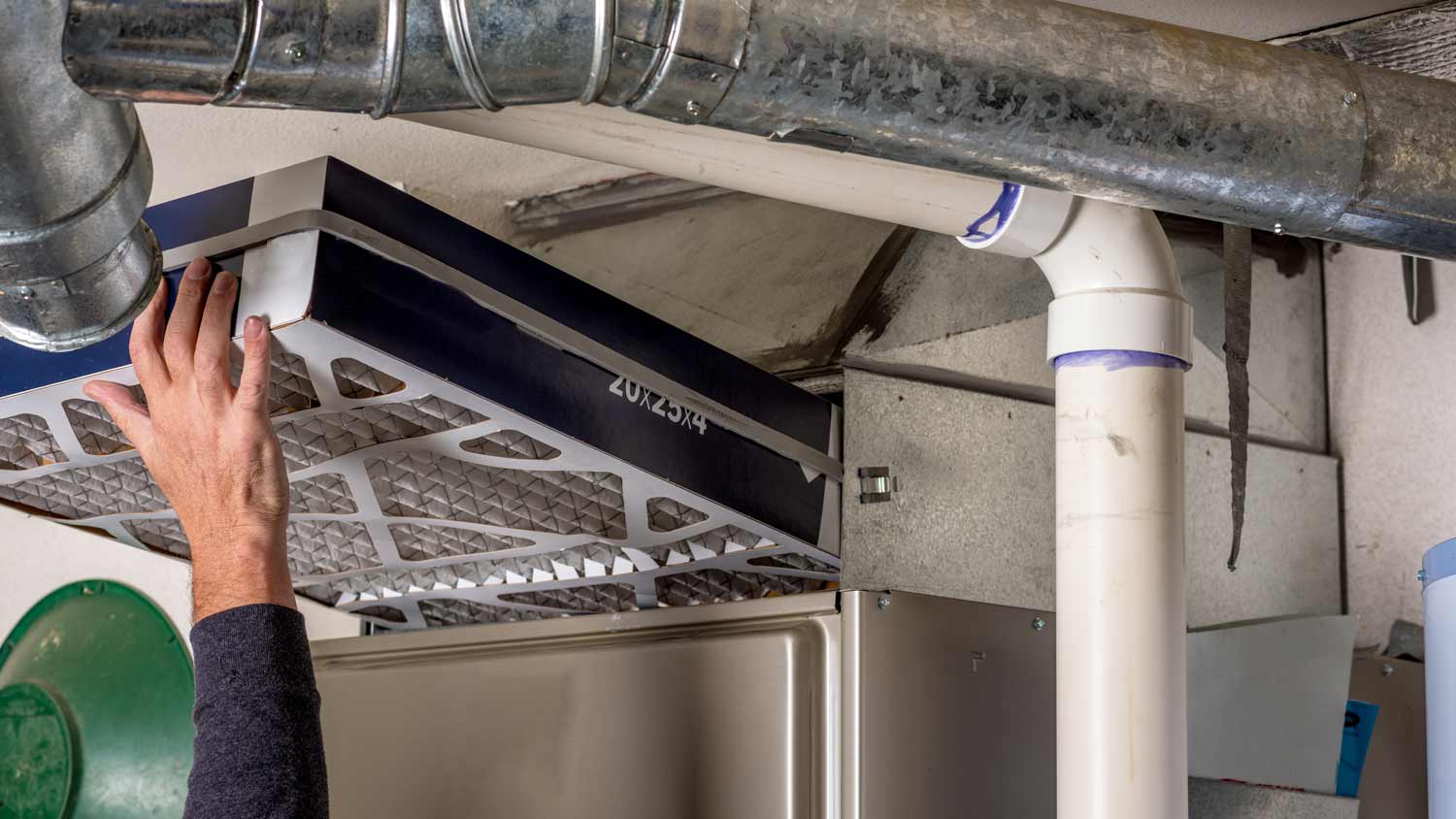
If you live in a home built before 1980, there is a risk of asbestos. Know the signs of asbestos in a furnace to quickly rid it from your home.
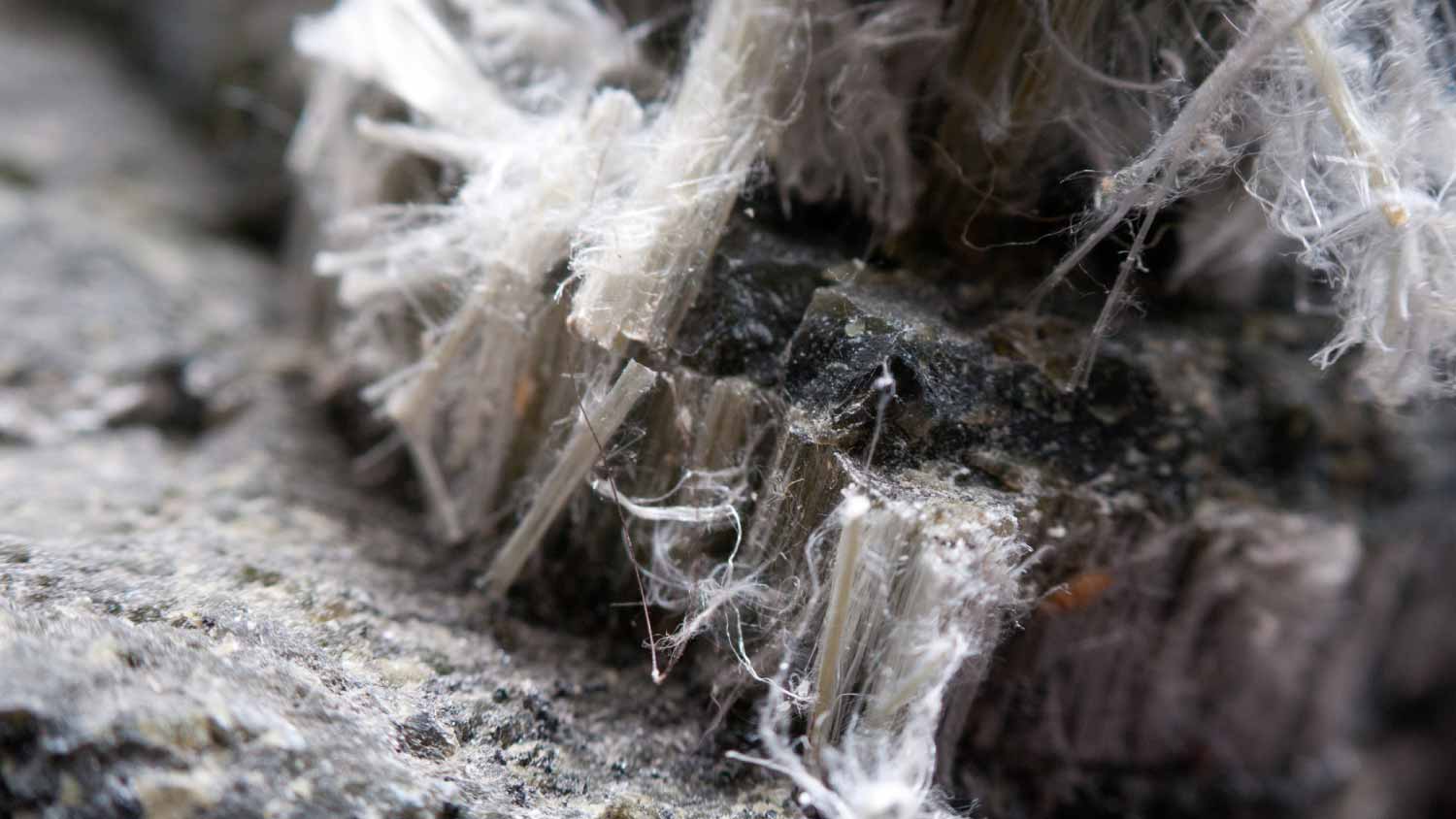
Are you worried there is asbestos in lath and plaster walls in your home? Keep reading to learn why this building material is so dangerous and how to find it.
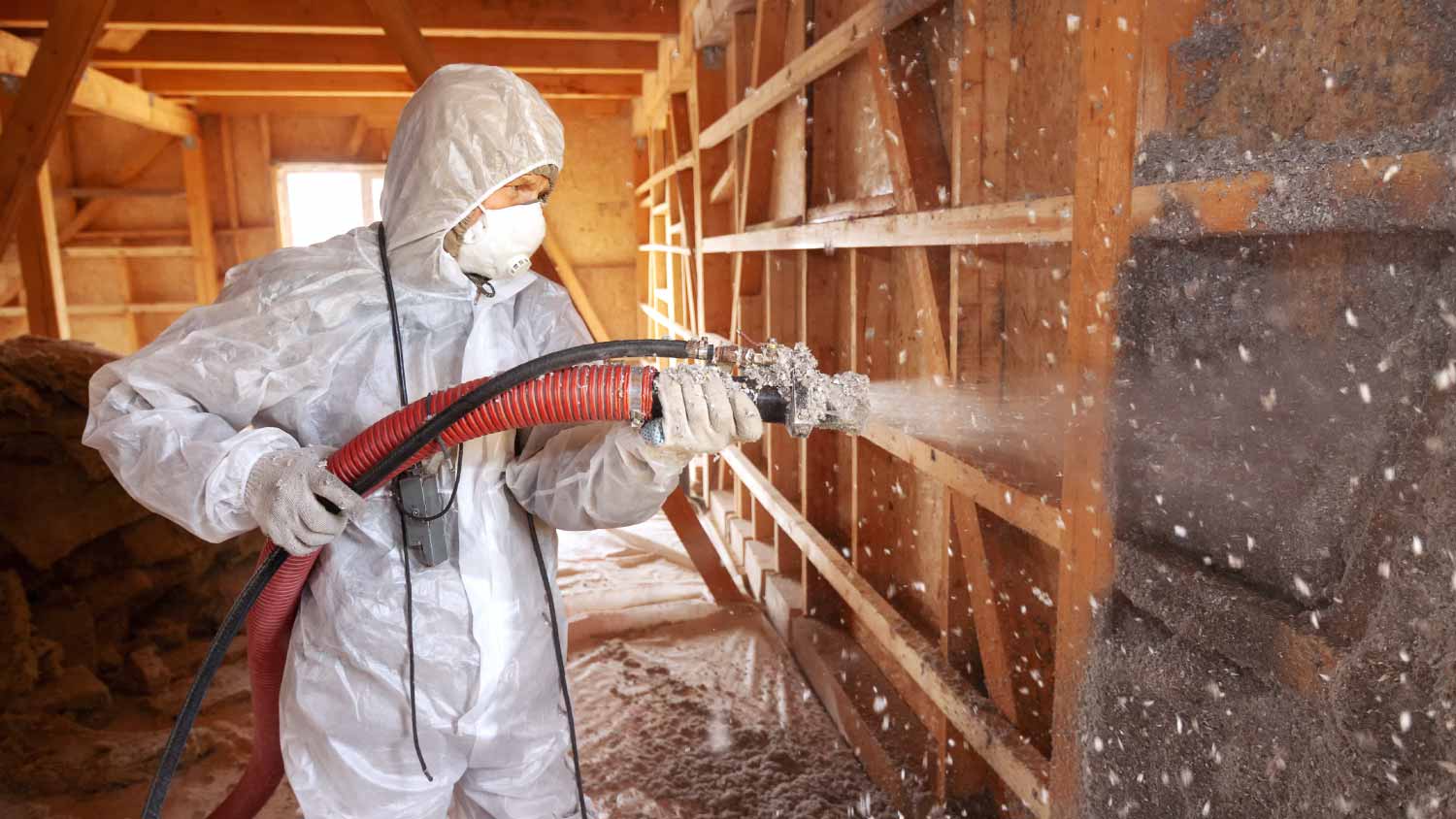
Asbestos insulation can vary in appearance depending on the type.Knowing what asbestos insulation looks like can keep you and your family safe.
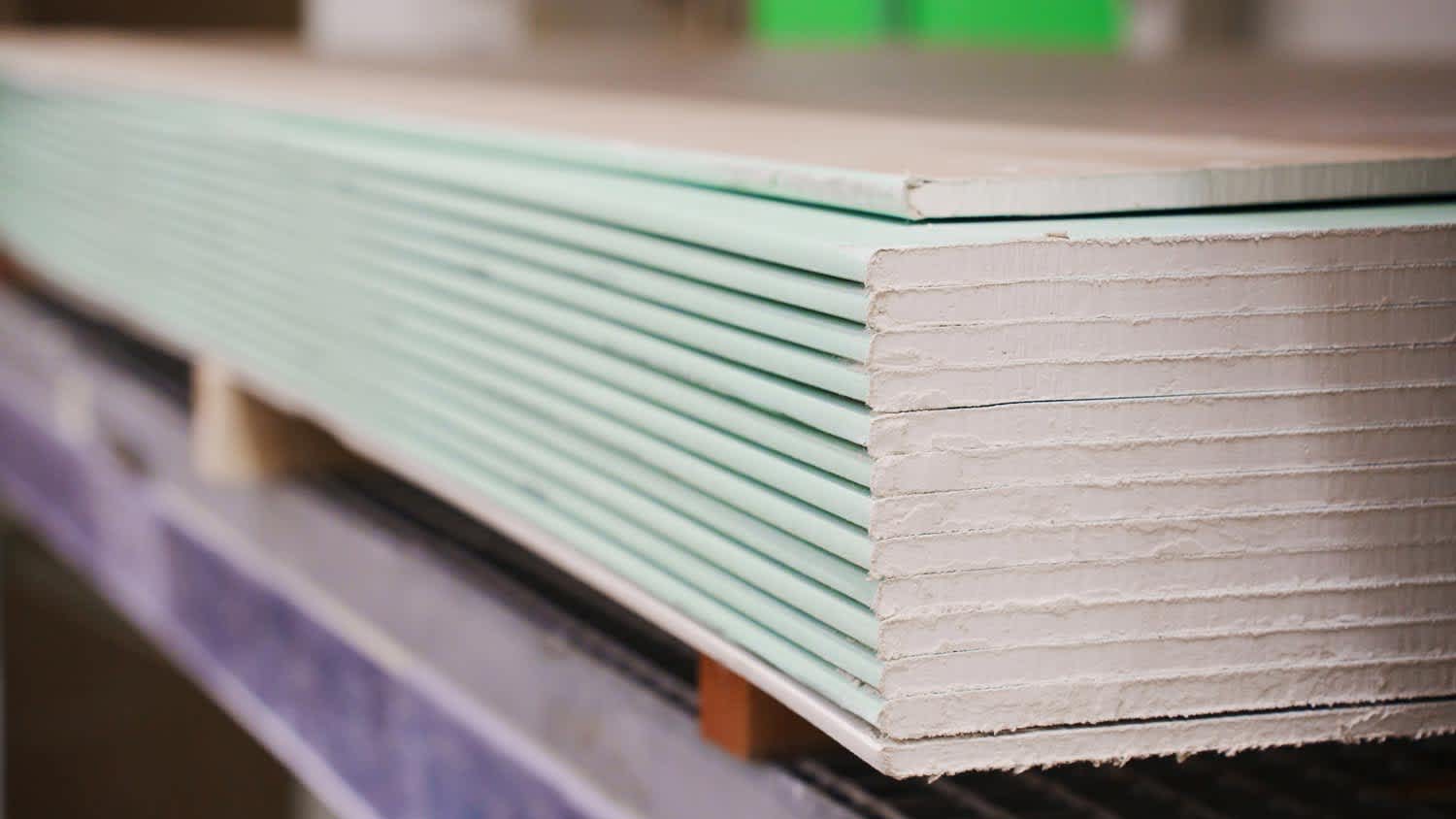
What does asbestos in drywall look like? You can’t see it without a microscope, but these common signs may mean asbestos is present.

Discover the top signs of carpet mold, from musty odors to discoloration. Learn when to call a pro and how to protect your home from damage.