


The cost of plastering walls and ceilings depends on the room size and ceiling height. Our tips can help you estimate an accurate cost.
There could be asbestos lurking in your walls—but with professional help, you can identify it

Older lath and plaster walls in homes built before the 1980s often contain asbestos, and any disturbance can release dangerous fibers into your home.
Visual inspection alone won't confirm asbestos in your walls because the fibers are microscopic and mixed within the plaster, making professional testing essential.
Asbestos exposure causes serious health risks including lung cancer and mesothelioma, with symptoms appearing decades after exposure, so early detection protects your family's long-term health.
Hiring a local asbestos testing professional provides safe sample collection and certified laboratory analysis, confirming whether your lath and plaster walls contain asbestos.
Detecting asbestos in lath and plaster walls in your home is crucial to keep your family safe. While these walls were popular in older homes, their construction materials could contain asbestos, posing health risks if disturbed. Identifying asbestos in lath and plaster walls demands careful inspection and professional assistance, due to the health hazards associated with asbestos exposure. Let’s break down what the common signs of asbestos in lath and plaster walls are, and how you can get professional help with this issue.
Recognizing early warning signs is important, but figuring out the right fix isn't always simple. Delaying professional help or attempting complex DIY repairs can lead to further damage and increased costs. With our network of local pros, you can hire a skilled professional to assess the issue and recommend the best solution.
First things first—to understand why you don’t want asbestos in lath and plaster walls in your home, you need to understand what asbestos is and why it’s so dangerous. Asbestos is a group of naturally occurring minerals composed of thin, microscopic fibers. It was widely used in various industries because of its heat resistance, durability, and insulating properties. It was commonly found in building materials like insulation, roofing, flooring, and automotive parts.
The danger with asbestos arises from its microscopic fibers. When disturbed or damaged, asbestos fibers can become airborne and easily inhaled or ingested. Once inside the body, these fibers can cause serious health issues, such as lung diseases and cancers. In particular, asbestos exposure can lead to lung conditions like asbestosis (scarring of lung tissue), lung cancer, and mesothelioma (a rare and aggressive form of cancer that affects the lining of the lungs, abdomen, or heart). Aside from lung cancer and mesothelioma, asbestos exposure has been linked to cancers of the larynx, ovaries, and other organs.
The latency period between exposure to asbestos and the development of related diseases can be quite long, often spanning several decades. Because of this, if you don’t take proactive steps to learn if there is asbestos in your home, you may not realize you were exposed until it’s too late. There is no safe level of exposure to asbestos, and even minimal exposure can pose health risks.
Due to its severe health hazards, many countries have banned or strictly regulated its use, although it can still be found in older buildings and products. Proper handling and removal of asbestos-containing materials is crucial to prevent exposure and health risks.

Asbestos was commonly used in lath and plaster walls primarily for its fire-resistant and insulating properties. In older construction projects, typically pre-1980s, asbestos was incorporated into various building materials to enhance their strength and fireproofing capabilities. In lath and plaster walls specifically, asbestos fibers were often mixed into the plaster compound or used as reinforcement within the plaster layers.
The addition of asbestos fibers to the plaster provided several advantages. It increased the wall's resistance to heat and fire, making it a popular choice for fireproofing in both residential and commercial structures. Additionally, asbestos improved the durability and insulation of the walls, contributing to their overall strength and thermal properties.
However, with the recognition of the severe health risks associated with asbestos exposure, its use in construction materials, including lath and plaster walls, has been heavily regulated or discontinued in many countries. While intact walls might not pose an immediate risk, any disturbance or damage to these walls could release asbestos fibers into the air, presenting a potential health hazard, necessitating careful handling and, when needed, professional removal by specialists trained in asbestos abatement.

It can be hard to say if there is asbestos in the lath and plaster walls in your home without seeking a professional opinion. That being said—these are some of the ways you can get an idea of its presence.
Older buildings, typically constructed before the 1980s, are more likely to contain asbestos in various building materials, including lath and plaster walls. If your building is older and hasn't undergone significant renovations, there's a higher chance that asbestos-containing materials, including those in lath and plaster walls, might be present.
What does asbestos look like? Identifying asbestos visually in lath and plaster walls is challenging because the asbestos fibers are typically mixed within the plaster and are not immediately visible. Asbestos fibers are microscopic, making it impossible to detect them with the naked eye. Therefore, simply looking at the walls won't usually confirm the presence of asbestos.
Asbestos is odorless—so don't rely on your nose to tip you off about asbestos in your home. Asbestos fibers are too tiny for humans to detect their smell, so even large amounts of asbestos will lack a scent. The only way to know if your home has asbestos is to have a pro test for it.

Your best bet at getting a visual idea of its presence is seeing if the walls appear to be on the older side. It's essential to proceed with caution and assume the potential presence of asbestos if the building is old and hasn't undergone asbestos abatement.
Checking the historical records or documentation related to the building's construction or renovations can provide insights into the materials used. If available, these records might mention the use of asbestos-containing materials in the lath and plaster walls or other parts of the building. However, the absence of documentation doesn’t guarantee the absence of asbestos, so professional inspection and asbestos testing remain essential for certainty.
Hiring a licensed asbestos inspector near you is recommended for a comprehensive assessment. These professionals have the expertise and tools to conduct a thorough inspection, and will properly take samples and analyze them to determine if asbestos is present. They'll also assess the condition of the walls and recommend appropriate actions if asbestos is found, ensuring safety and compliance with regulations during any necessary removal or abatement procedure.
The only definitive way to confirm the presence of asbestos in lath and plaster walls is through laboratory testing. If you suspect the presence of asbestos in your walls, it's advisable to contact an accredited professional who can take samples safely and analyze them in a certified laboratory. Testing is crucial as it determines whether asbestos fibers are present and the extent of their concentration, guiding appropriate measures for management or removal. It’s worth noting that asbestos testing costs and asbestos removal costs can vary so it’s always a good idea to shop around with a few different providers to find the best price.

Discovering asbestos in lath and plaster walls in your home warrants a careful and systematic approach to ensure safety and compliance with regulations. Upon confirmation of asbestos presence, several essential steps should be taken:
Seek a professional consultation: If you suspect there is asbestos in your home, it’s best to immediately seek guidance from a licensed asbestos professional or abatement specialist. Their expertise is crucial in developing a safe and effective plan for managing or removing asbestos. They'll assess the condition of the walls, determine the extent of asbestos contamination, and propose appropriate actions.
Pursue risk assessment and management: Analyze the risk posed by the asbestos-containing walls. If the walls are intact and undamaged, the risk of asbestos exposure is relatively low. However, if the walls are deteriorating, damaged, or undergoing renovations, the risk of fiber release increases significantly. In such cases, professionals might recommend encapsulation (sealing off the asbestos) or removal.
Develop a removal or abatement plan: Based on the assessment, the pro will outline a tailored plan for either encapsulating the asbestos or safely removing it. The plan should include containment measures to prevent fiber release, worker protection protocols, proper disposal procedures, and compliance with local regulations.
Professional abatement or removal: Engage a licensed asbestos abatement contractor to execute the plan. This professional is trained to handle asbestos safely, minimizing the risk of exposure during removal or encapsulation. How is asbestos removed? Specialized equipment and strict safety protocols will be followed to ensure a thorough and safe removal.
Do a post-abatement inspection: After the abatement or removal process, conduct a thorough inspection to ensure that the asbestos has been effectively contained or removed. This step may involve air monitoring and sample testing to verify that the area is free from asbestos contamination.
Undergo documentation and compliance: Maintain detailed records of the asbestos assessment, removal or encapsulation procedures, and post-abatement inspections. Ensure compliance with local regulations regarding asbestos handling, disposal, and documentation to prevent future health risks and legal liabilities.
Swift action, professional guidance, and adherence to safety protocols are all crucial when dealing with asbestos in lath and plaster walls to mitigate potential health hazards effectively.
One of my old tall evergreen trees was suddenly leaning toward the busy street in front of my house. I submitted a request for an emergency tree inspection, and Alejandro, owner of Cajete Tree Service, contacted me immediately and arrived to look at it just 20 minutes later. We agreed the...
 Cajete Tree Service LLC
Terrible experience. Walls/trim/floors/cabinets/doors all have drip marks, overspray, etc. Tiling at the fireplace had to be redone by another vendor due to incorrect and shoddy install by Profect. Contractor had his children in our house while he was on site without prior authorization or...
 Profect painting & exteriors
Lyle did a great job removing asbestos shingles from our front porch roof. They worked together with our roofer to make sure that the new roof was able to be installed on the same day that Lyle removed the asbestos shingles.
 Lyle Environmental
Involved an extensive bathroom remodel, including removing tub & installing walk in shower, new drywall, custome tile work to ceiling, plumbing, etc. Overall, job was done on time and on budget. Nick & his team were very professional and had high attention to detail. Quality was great. Highly...
 Stamos Flooring and Remodeling LLC
A team of 2 spent 5 hours, cleaning top to bottom (removed all light fixture and cleaned.... impressive!!!)
 Luzia's Cleaning
Great Job!!! Martin called me after I requested a estimate on Home Advisor. He was very professional and actually went the same day and looked at the tree I needed removed gave us a estimate and I felt it was very aggressive so I did not even call for any other bids. I asked him how soon he...
 Reyes Tree Service LLC - Home Facebook
Mike and his crew did a great job working through a very challenging task. The job required a full demolition of our ceiling, removing the blown in insulation and removing all the material from the site daily. It involved multiple inspections from the city and many challenges to get the...
 Rising Height Unlimited
Removed various items (furniture, lamps, other junk) from my home. They were on time, personable, professional, etc. I can't say enough positive things about this company. <br />
The task proved more difficult than anticipated. When they arrived the first day, they had no tools with them at all, and had to make a run to purchase appropriate tools. It was quickly determined that the paper had to be steamed off, and neither the workers, nor the company itself, had...
 ABS Interiors of Mid-Ohio LLC
We needed them to do extra work to remove existing wallpaper, and provide full primer and painting/trim work around existing furniture etc, during a move-in period. They did everything top-notch with minimal mess. They were always extremely on time, and very professional. They also cleaned...
From average costs to expert advice, get all the answers you need to get your job done.
The cost of plastering walls and ceilings depends on the room size and ceiling height. Our tips can help you estimate an accurate cost.

You want to keep your family safe, so you may wonder how to tell if your home has asbestos. Since asbestos is invisible to the naked eye, you can look for signs of the material, but you should hire a professional to confirm the presence of asbestos.

You can find plaster walls in a lot of older homes. What’s behind these walls—whether that’s lath or calcimine—can have an impact on how long they last. Finding out the age of your house can help you determine what you’re dealing with.
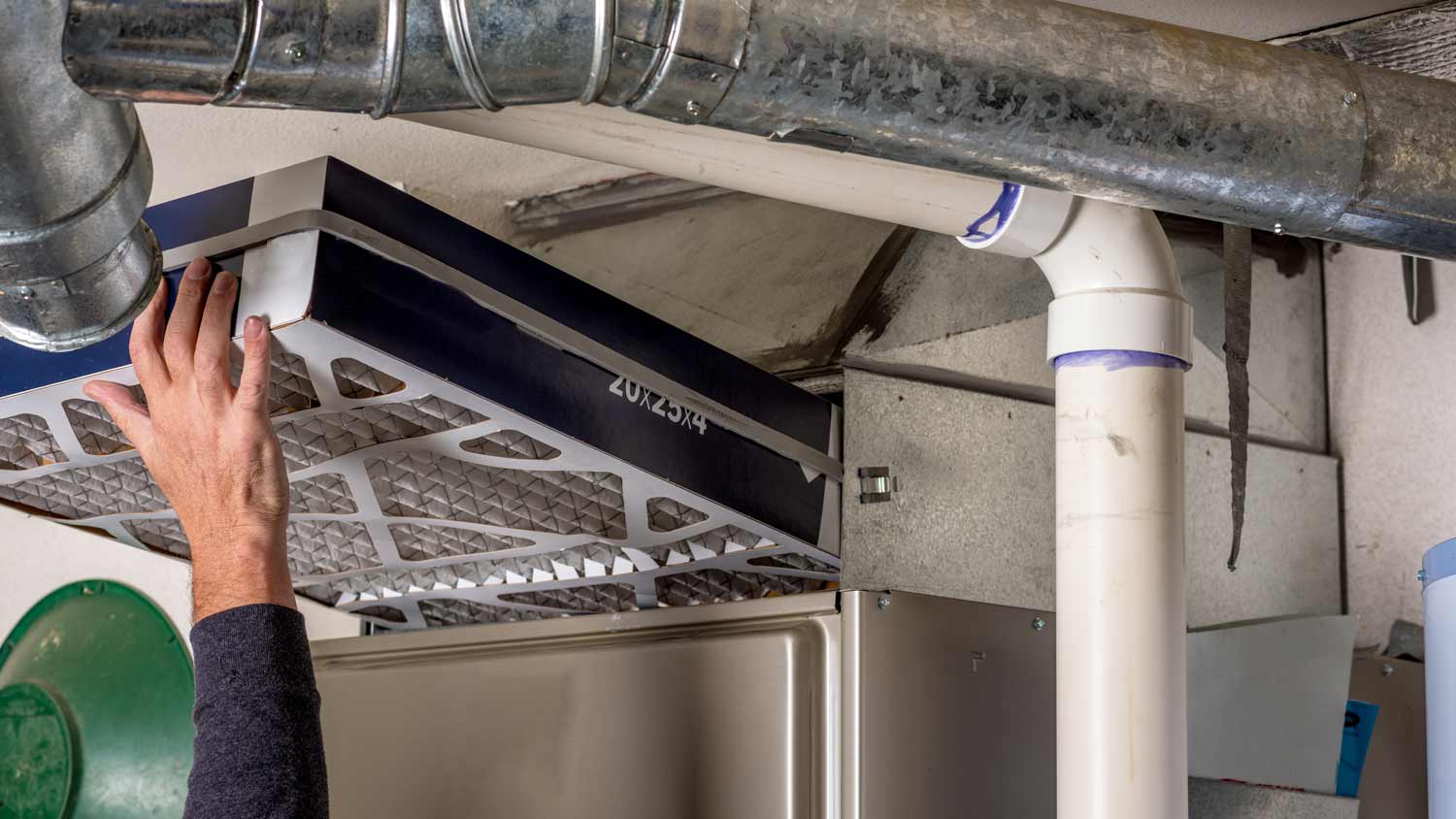
If you live in a home built before 1980, there is a risk of asbestos. Know the signs of asbestos in a furnace to quickly rid it from your home.
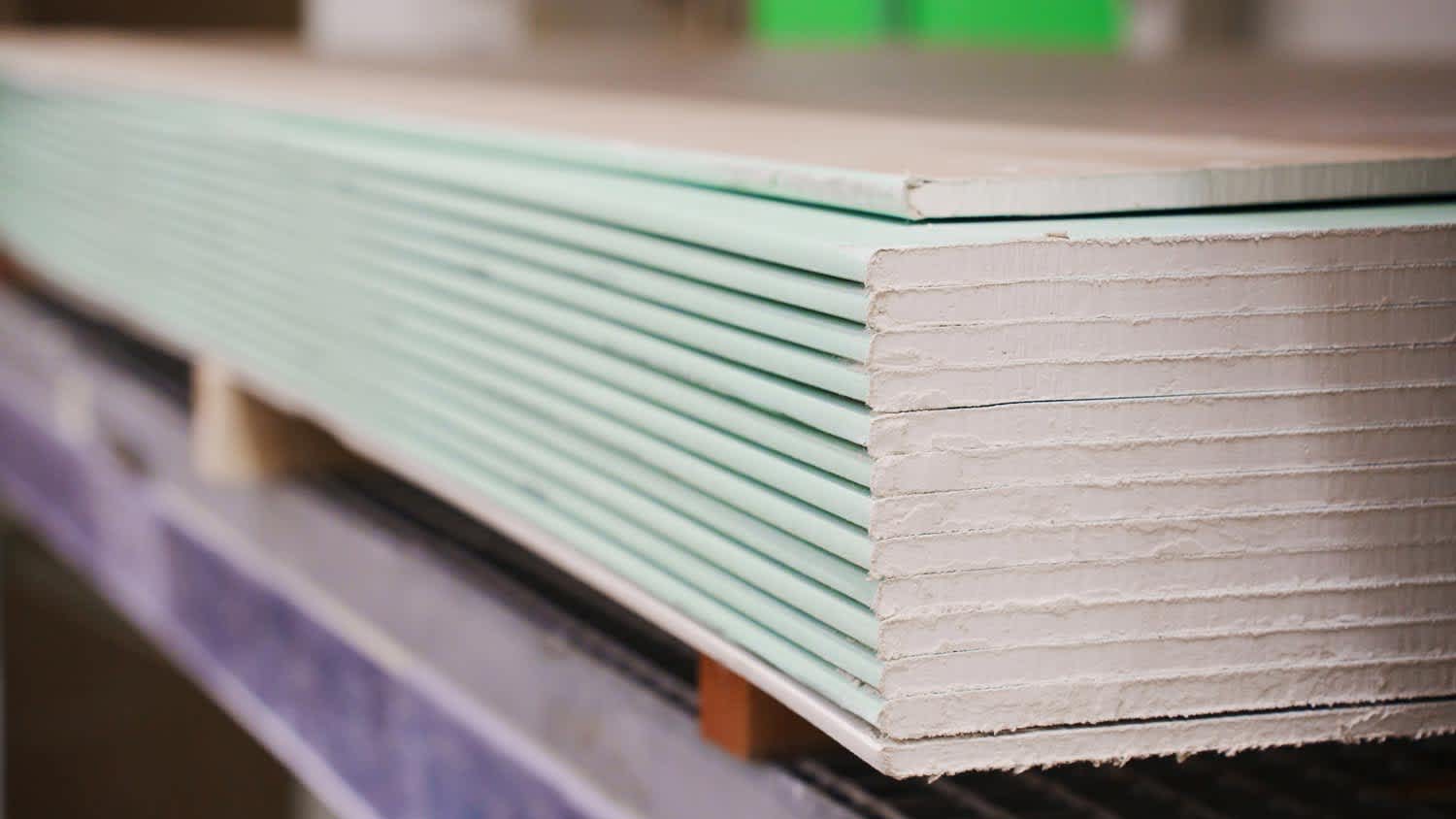
What does asbestos in drywall look like? You can’t see it without a microscope, but these common signs may mean asbestos is present.
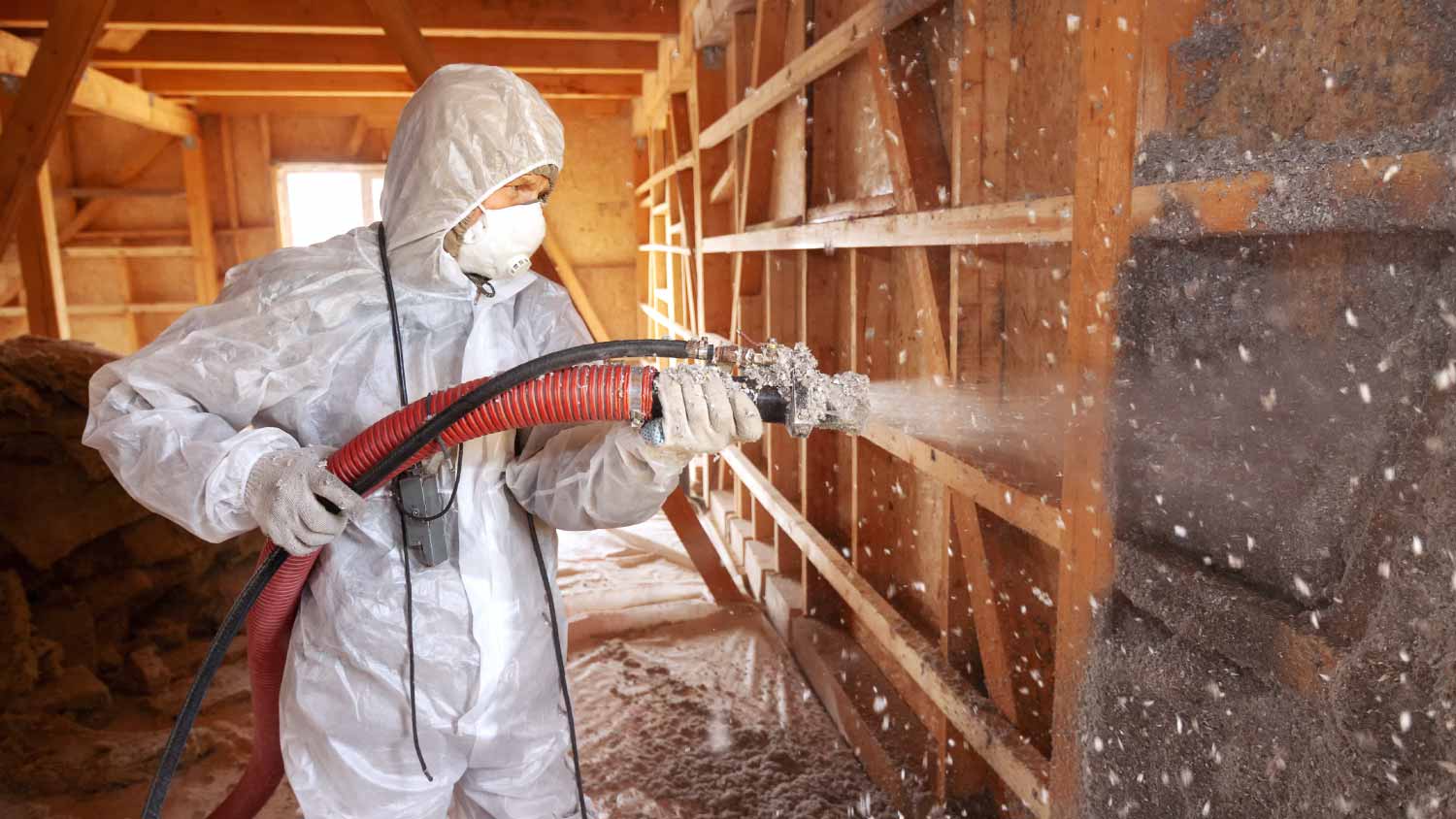
Asbestos insulation can vary in appearance depending on the type.Knowing what asbestos insulation looks like can keep you and your family safe.