

The cost of asbestos testing varies based on location, property size, test type, and other factors. Here’s a breakdown of the costs to conduct an asbestos survey.
Asbestos may lurk in the building materials of older homes

Asbestos is found in common places like insulation, roofing, flooring, ceilings, and walls if your home was built before the late 1980s.
Typical costs range from $480 for asbestos testing to over $1,000 for professional removal, so identifying the material early helps you plan.
You should leave asbestos undisturbed if the material is in good condition, since the fibers only become a health risk when airborne.
Hiring a local asbestos testing professional provides reliable help with safe sample collection and lab analysis, giving you clear answers about what's in your home.
Older homes have their charms—and some drawbacks. The materials used to build houses decades ago may have been durable, but some also contained asbestos, which is dangerous if disturbed. If your home was built in the 1980s or earlier, knowing where asbestos is found will help protect your health. Common places you may find asbestos include insulation, roofing, flooring, ceilings, and walls. Here’s what to know about where asbestos may be lingering in your older home.
Asbestos are mineral fibers that resist heat and corrosion. Since they can withstand high temperatures and don't corrode, they have long been a popular choice for use in materials that need to be fireproof or corrosion-resistant, including many types of building materials.
Six types of asbestos exist, and each type has its own distinct uses. The fiber shape can be either serpentine, which looks like long and curly spirals, or amphibole, which looks like stiff, short needles.
Asbestos was a common ingredient in older building materials for two reasons.
First, it is fire resistant, allowing it to help reduce fire risk in homes. Second, it has excellent insulation properties, helping to keep homes warm in the winter or cool in the summer. It also excels at sound insulation, so noise is less likely to travel from room to room.
Additionally, asbestos can resist water, chemicals, and electricity. It may seem like a miracle mineral, but it has a serious downside.
If your home was built before the 1970s, there’s a chance some of the building materials used contain asbestos. You'll need to hire a pro to detect for any asbestos.


First, if you live in a newer home, one built in the late 1980s or after, it's highly unlikely that you'll find asbestos in any materials in your house. Recognizing the health risks of the fibers, the Environmental Protection Agency (EPA) banned certain uses of asbestos in 1989.
However, if your home was built before then, particularly during the 1930s to 1950s, there is likely asbestos in some areas.
Some of the most common places where asbestos may be found include:
Pipe insulation
Roof materials
Popcorn ceilings
Ceiling Tiles
Drywall or paperboard
Cement
Depending on the age of your home and the materials it contains, there may be asbestos lurking elsewhere. For example, if your toilet is on the older side, it could contain asbestos.
According to data from Angi customers, the most common materials found with asbestos are flooring (28.9%), walls and ceilings (19.5%), and insulation (14.4%). Other materials people need asbestos removal for include siding, sprayed acoustic ceiling, and drywall compound. Asbestos can cause serious respiratory problems, so if you even slightly suspect there’s asbestos in your home, contact a removal company as soon as you can.
Unfortunately, you can't look at a piece of drywall or a floor tile and tell if it contains asbestos with the naked eye. To identify the fiber, you need to use a polarized light microscope, which you'll typically only find in a lab. You also need to know what to look for, which requires years of training and expertise.
You need to hire a local asbestos testing company to take samples and analyze them with a special microscope. Since there are health risks associated with handling asbestos and releasing the fibers, taking the samples and analyzing them is definitely something you should leave to the pros.

Exposure to asbestos can increase your risk of respiratory problems, notably lung cancer and mesothelioma, a type of cancer that develops as a direct result of asbestos exposure. Mesothelioma can affect the lungs or abdomen.
Another condition that can develop after exposure to asbestos is asbestosis, which causes scarring in the lungs.
That sounds scary, but don't be too worried. Lung problems and cancer typically develop after regular, prolonged exposure to asbestos, such as after years of working in a mine or handling asbestos-containing materials without wearing protective equipment.
Mesothelioma and asbestosis are both rare conditions—mesothelioma affects about 3,000 people annually. Typically, it takes at least 10 years after prolonged exposure to asbestos for a health concern to develop.
If you suspect material in your home contains asbestos, the best thing to do is usually nothing. As long as the material is in good condition, the risk of exposure and health effects is low.
Asbestos becomes a health concern once it is disturbed and its fibers become airborne. You can then breathe in the fibers, which can remain in your lungs. So, if you have a popcorn ceiling in one room and would like to remove it, or have vinyl tiles in another room of unknown age and origin and you want to redo the floor, that's when you should call in a professional to take a sample and send it out for asbestos testing.
The average asbestos testing cost is $480, with the total price depending on your location, the size of your home, and the extent of the issue.
If a material that may contain asbestos becomes damaged, you'll want to take action. For example, if you drill into asbestos-containing drywall or a popcorn ceiling starts to flake away, the asbestos fibers can come loose. Limit access to the area until a professional can investigate the material.
Finally, if you're considering a large-scale renovation or remodel of your home, and you have reason to believe asbestos is present, call in a professional asbestos testing company before the project begins. If asbestos is present, the company may recommend sealing or covering the material to prevent the release of the fibers, or removing the asbestos-containing materials entirely. A local asbestos abatement company can safely remove it from your home and then properly dispose of it.
Removal is often more expensive than containment, with the average cost of asbestos removal starting at over $1,000.
One of my old tall evergreen trees was suddenly leaning toward the busy street in front of my house. I submitted a request for an emergency tree inspection, and Alejandro, owner of Cajete Tree Service, contacted me immediately and arrived to look at it just 20 minutes later. We agreed the...
 Cajete Tree Service LLC
Terrible experience. Walls/trim/floors/cabinets/doors all have drip marks, overspray, etc. Tiling at the fireplace had to be redone by another vendor due to incorrect and shoddy install by Profect. Contractor had his children in our house while he was on site without prior authorization or...
 Profect painting & exteriors
Lyle did a great job removing asbestos shingles from our front porch roof. They worked together with our roofer to make sure that the new roof was able to be installed on the same day that Lyle removed the asbestos shingles.
 Lyle Environmental
Involved an extensive bathroom remodel, including removing tub & installing walk in shower, new drywall, custome tile work to ceiling, plumbing, etc. Overall, job was done on time and on budget. Nick & his team were very professional and had high attention to detail. Quality was great. Highly...
 Stamos Flooring and Remodeling LLC
A team of 2 spent 5 hours, cleaning top to bottom (removed all light fixture and cleaned.... impressive!!!)
 Luzia's Cleaning
Great Job!!! Martin called me after I requested a estimate on Home Advisor. He was very professional and actually went the same day and looked at the tree I needed removed gave us a estimate and I felt it was very aggressive so I did not even call for any other bids. I asked him how soon he...
 Reyes Tree Service LLC - Home Facebook
Mike and his crew did a great job working through a very challenging task. The job required a full demolition of our ceiling, removing the blown in insulation and removing all the material from the site daily. It involved multiple inspections from the city and many challenges to get the...
 Rising Height Unlimited
Removed various items (furniture, lamps, other junk) from my home. They were on time, personable, professional, etc. I can't say enough positive things about this company. <br />
The task proved more difficult than anticipated. When they arrived the first day, they had no tools with them at all, and had to make a run to purchase appropriate tools. It was quickly determined that the paper had to be steamed off, and neither the workers, nor the company itself, had...
 ABS Interiors of Mid-Ohio LLC
We needed them to do extra work to remove existing wallpaper, and provide full primer and painting/trim work around existing furniture etc, during a move-in period. They did everything top-notch with minimal mess. They were always extremely on time, and very professional. They also cleaned...
From average costs to expert advice, get all the answers you need to get your job done.
The cost of asbestos testing varies based on location, property size, test type, and other factors. Here’s a breakdown of the costs to conduct an asbestos survey.
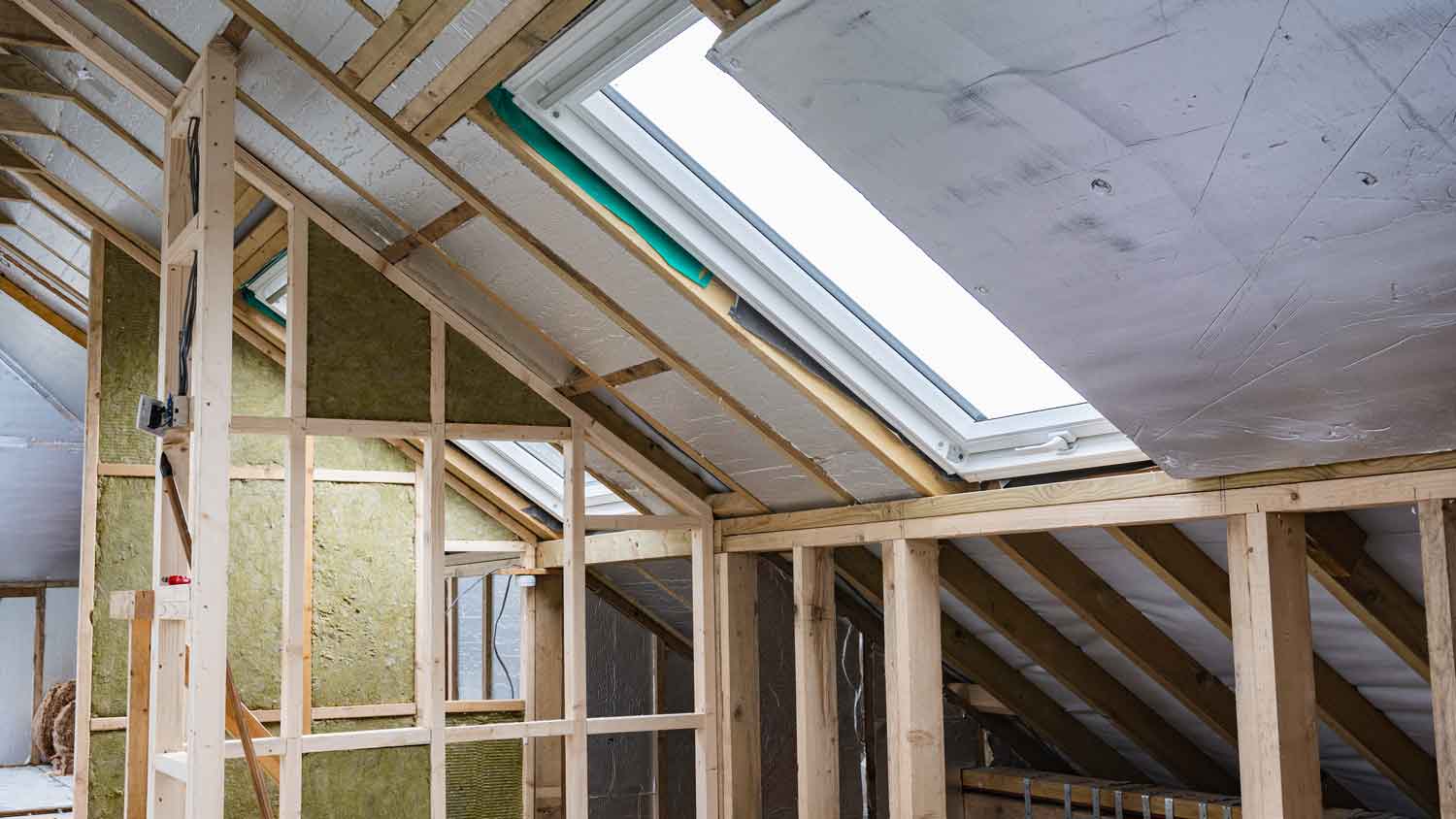
Asbestos removal costs vary based on where it’s located, the size of the job, and if there is any underlying damage. Learn what has the biggest effect on the cost.
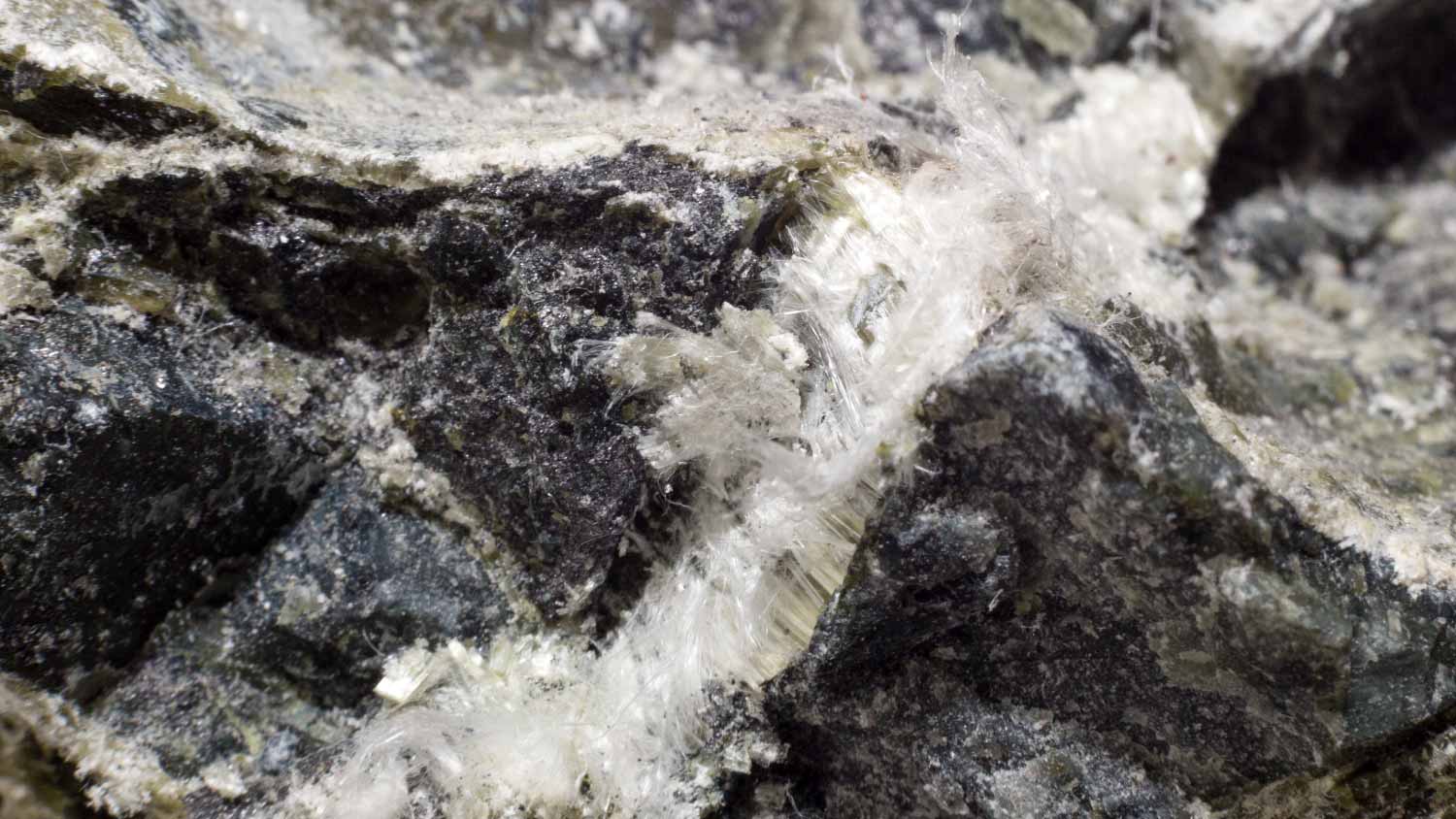
What is asbestos? It’s a naturally found mineral fiber used in home construction before the 1980s. Asbestos is carcinogenic when inhaled.
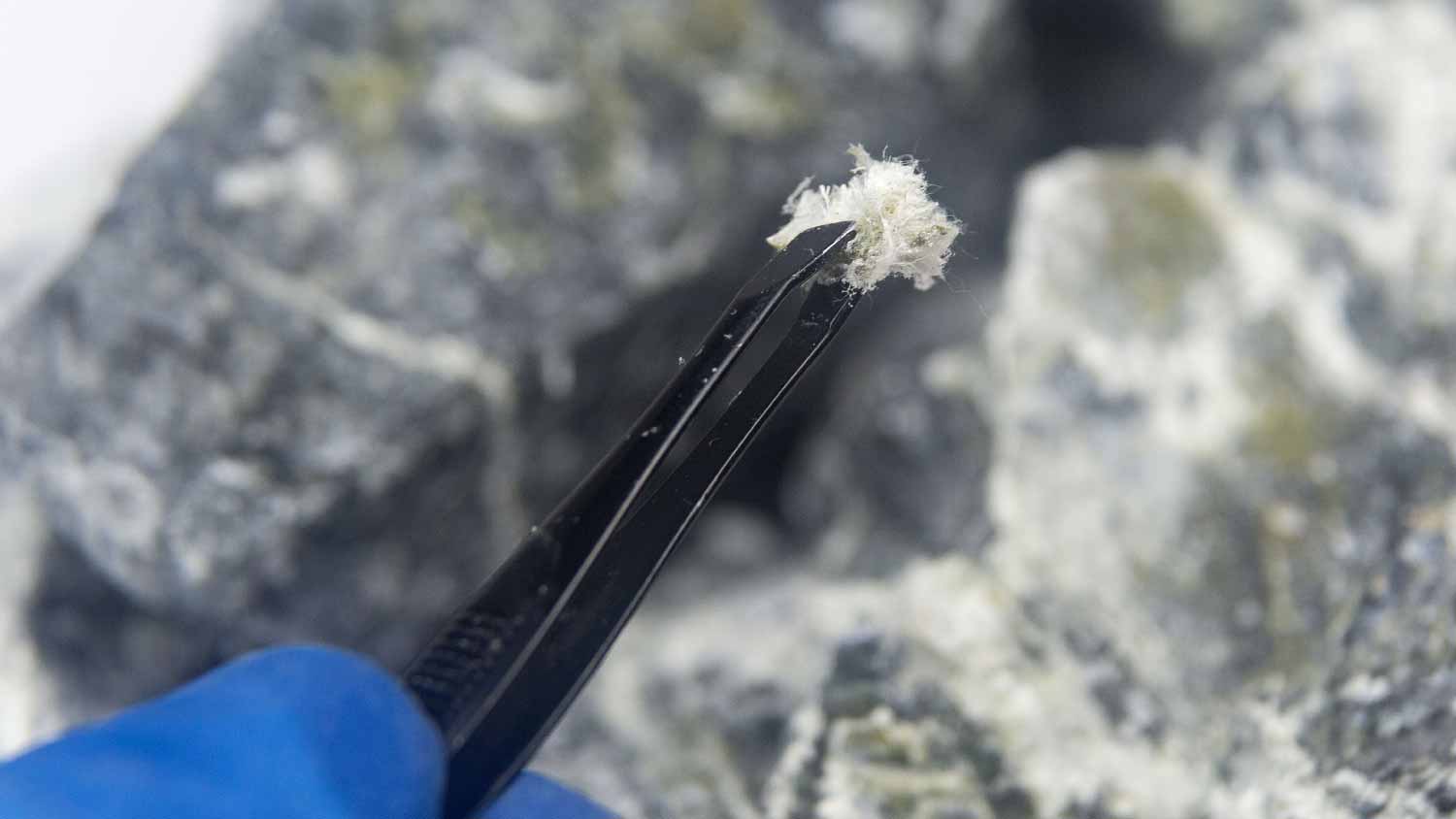
What does asbestos look like? It may be harder to spot asbestos than you think. Read on to learn more about this invisible home hazard.

Asbestos can be dangerous if disturbed and costly to remove. Safe identification and containment are key. Learn how to best deal with asbestos in your home.
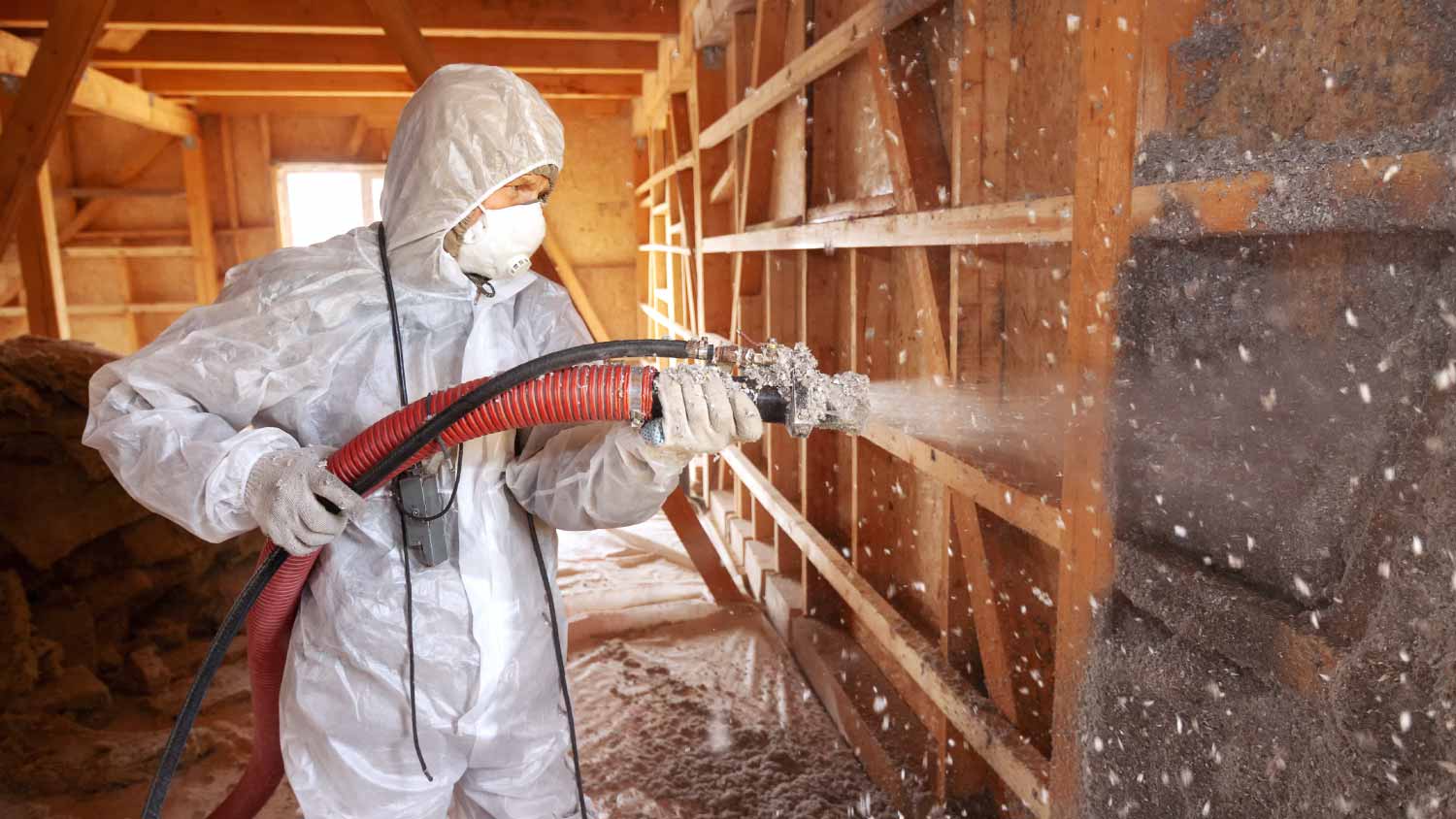
Asbestos insulation can vary in appearance depending on the type.Knowing what asbestos insulation looks like can keep you and your family safe.