
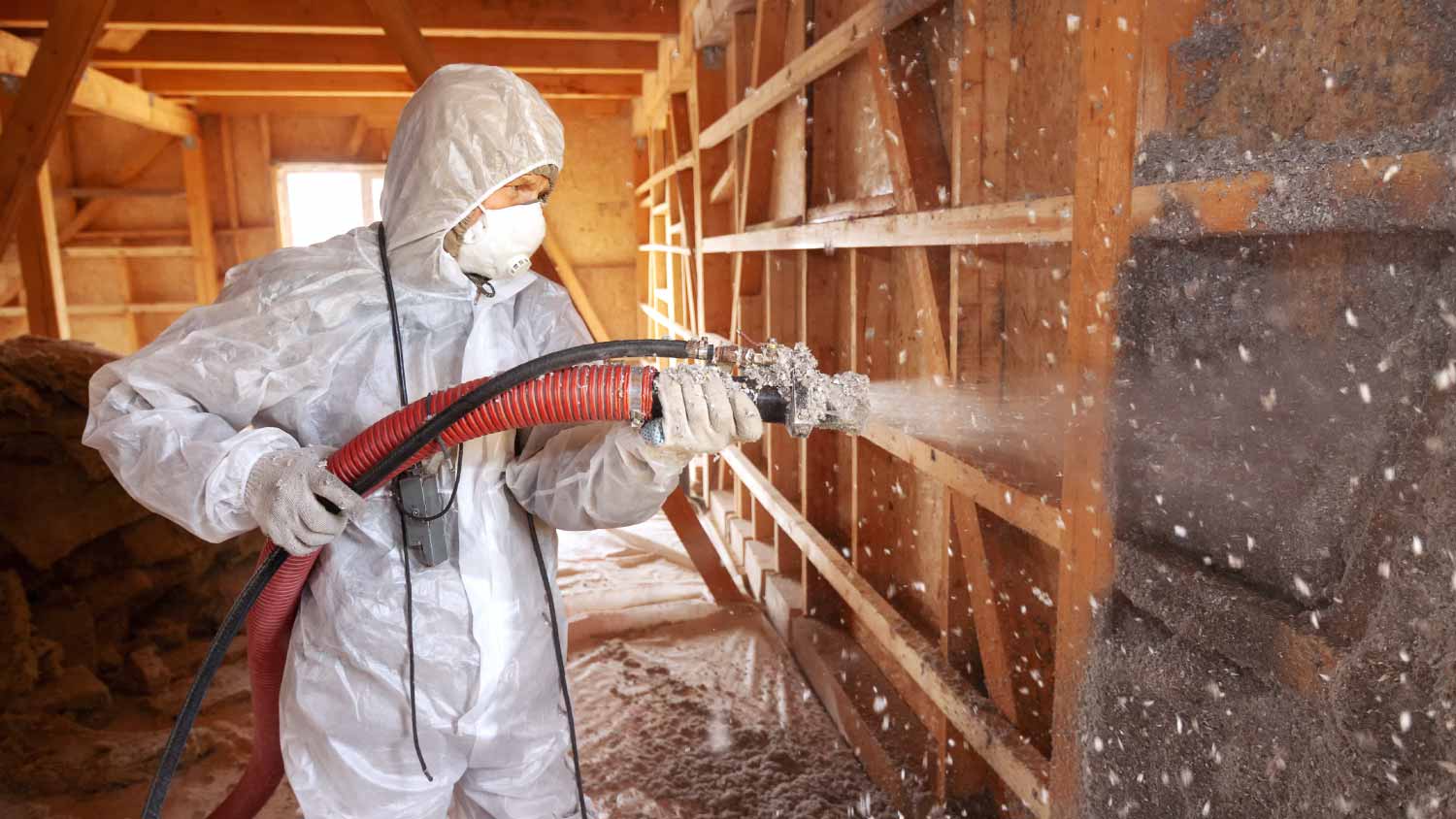
Asbestos insulation can vary in appearance depending on the type.Knowing what asbestos insulation looks like can keep you and your family safe.
When in doubt, call a pro to inspect and remove asbestos

Asbestos in insulation materials poses serious health risks like lung cancer and mesothelioma, so homes built before 1980 need your immediate attention.
Asbestos removal costs an average of $2,197, and addressing your insulation concerns early helps you avoid exposure to harmful fibers in your home.
Vermiculite insulation looks like grayish-brown pebbles and often contains asbestos, especially if your home used material sourced before 1990 from the Libby, Montana mine.
Hiring a local asbestos abatement professional keeps you safe during testing and removal, providing reliable help with proper containment and disposal of hazardous materials.
Asbestos was once a popular insulation material used in commercial and residential buildings. However, we now know it's a carcinogen that can lead to severe health problems, like lung cancer, so its use is banned or restricted in many countries. Still, many homes can contain hazardous material, especially if the home was built prior to 1980. Use this guide to help you identify whether you have asbestos-containing insulation in your home so you can get it removed ASAP.
Asbestos insulation was commonly used to insulate commercial and residential buildings prior to the 1980s. By the late 20th century, it became known that inhaling asbestos can lead to severe health hazards, including asbestosis, lung cancer, and mesothelioma, so it has been banned or restricted in most countries.
Currently, the U.S. doesn't ban asbestos, but several restrictions have been put in place to reduce its use, so it's not often used in new residential construction. Houses built before 1980 are most likely to contain asbestos, but houses built after that date can contain hazardous material as well.
There are several different types of asbestos insulation, including spray-on, loose-fill, and block asbestos insulation. Knowing what type of insulation you have can help you hone in on whether or not it contains asbestos.
Loose-fill asbestos insulation is unbound and fluffy, kind of like cotton candy. It was commonly used in attics and was a popular choice for homebuilders due to its lightweight composition and easy application. However, its loose, lightweight composition can very easily release asbestos fibers when it's disturbed, posing serious health risks.
Also known as "Limpet" asbestos, spray-on asbestos insulation comprises asbestos fibers and binding materials. It's often applied wet and sprayed onto walls, beams, and ceilings. Because it can be sprayed on, it was often used to cover very large areas and complex shapes. Like loose-fill asbestos insulation, it's incredibly easy for spray-on asbestos insulation to release asbestos fibers when disturbed.
Block asbestos insulation comes in semi-rigid blocks that provide thermal insulation and protection against heat, so it's typically installed near high-temperature areas, like furnaces and boilers. Because it's semi-rigid, this insulation isn't as likely to release asbestos fibers when disturbed as loose-fill and spray-on insulation, but cutting or drilling into it can still release dangerous fibers.
Wrapped asbestos insulation, also called blanket insulation, comprises asbestos fibers and binding agents that are then formed into large sheets or rolls. It's commonly used to insulate pipes and ducts thanks to its flexible composition that can be wrapped tightly around them. Like block insulation, it's not as likely to release asbestos fibers as spray-on or loose-fill insulation, but if it becomes damaged or deteriorates over time, it can still release asbestos fibers.

While asbestos can be found in many different types of insulation, it's most often found in pipe insulation and vermiculite loose-fill insulation.
Not all loose-fill insulation contains asbestos, but vermiculite loose-fill insulation commonly contains the material. This type of insulation is usually grayish-brown and looks somewhat like little pebbles.
The reason it often contains asbestos is because most vermiculite insulation in the U.S. was sourced from a mine near Libby, Montana, which was later found to be contaminated with asbestos. The mine became inactive in 1990, so vermiculite loose-fill insulation used before that date is most likely to contain asbestos.
Thanks to asbestos's durability and heat resistance, it was previously thought to be the best type of insulation for pipes near furnaces, utility spaces, and basements. Asbestos-containing pipe insulation is usually light gray and looks like corrugated paper wrapped around the pipes.
However, there are other types of pipe insulation that do not contain asbestos, such as fiberglass. The biggest difference is that asbestos-containing pipe insulation has corrugated edges, while fiberglass insulation usually has little fiberglass tufts sticking out of the sides.
According to Angi data, 54% of homeowners report having blown-in insulation—a type of loose-fill insulation—in their attics. Other common locations for this essential home insulation are inside the walls and ceilings. But remember, just because you have blown-in insulation doesn’t mean it automatically contains asbestos.
Certain insulation types are unlikely to contain asbestos, like rock wool and cellulose insulation. Many of these insulation types were developed as a safe alternative to asbestos-containing insulation.
Made from dolomite and basalt rock, rock wool insulation is sometimes mistaken for asbestos-containing insulation due to its fibrous, fluffy texture. However, it's made without hazardous materials, and it's usually installed as loose-fill insulation or as woven insulation batts.
Loose-fill fiberglass insulation is another material that's unlikely to contain asbestos. This insulation type is usually fluffy and white with a slight sheen, especially when you shine a flashlight on it.
Cellulose insulation primarily comprises shredded newspaper. It's usually gray or brownish-gray, and it's used as a safe alternative to asbestos-containing insulation. It's most often found as loose-fill insulation, but you can also purchase batt and blanket cellulose insulation.
Batt or blanket insulation comes in large rolls or pre-cut panels. It's usually made from fiberglass, but it might also be made from mineral wool, plastic fibers, or natural fibers. It's primarily installed between wall, floor, and ceiling studs. This type of insulation has never contained asbestos.
If you suspect your insulation might contain asbestos, make sure not to disturb it by bumping it, tearing it, or otherwise handling it since this will release harmful asbestos fibers. It's best to stay away from the location until the asbestos is safely removed.
While you can purchase an asbestos test kit to determine whether it's asbestos, the Environmental Protection Agency does not recommend testing it yourself since it can lead to health hazards. Instead, call an asbestos removal company to test for it and safely get rid of it if you have it. Asbestos removal costs an average of $2,197, but considering asbestos can cause cancer, it's well worth the investment.
If you’re good people wanting to do business with good people, hire Matt. He is a consummate professional and utterly competent. He installed a water heater in my home at a price that beat competitors by hundreds of dollars with a promise to support the unit for its life (even after its 6 yr...
 Greene's Plumbing Services
I would recommend this company to anyone! He showed up on time, was friendly, completed a very difficult repair on our dryer vent cover, was responsive, and pricing was extremely fair and competitive. I would have him back to do any of our repairs or cleanings without hesitation!
 U.S.A. Dryer Vent, LLC
Best cleaning I've had at my property
I conferred with 2 other contractors before Armstrong Electric. Nick and his crew showed me that the project was not as convoluted as the other contractors made it appear to be. They completed the entire project on time. They were professional, friendly and cleaned up after at completion. I...
 ARMSTRONG ELECTRIC, LLC
Our exterior looks brand new thanks to Custom Paint Jobs LLC. Theyre the best in town!
 Custom Paint Jobs, LLC
Excellent experience with hiring Tether House to Mount our 77’ Samsung TV in our bedroom. Fast, friendly, and knowledgeable. Highly recommend.
 Tether House
The techs on my project, Shawn and Cliff, were great. They were prompt, courteous, and efficient. I am very happy with the results and would definitely contact Mr. Electric for any future electrical projects.
 Mr. Electric of Columbus
We had our houses windows and back door replace this summer by Window Depot USA of Central. He gave us grate advise and saved my family lots money. The team did a fantastic job with installation. If you need help, they sure get job done right!
 Window Depot USA of Central Ohio
Beginning with the estimate, Larry and Peyton were super helpful in getting my new condo's interior re-painted. Not only was the job well done, but also done in a super timely manner as promised.
 Five Star Painting of Plain City and Powell
Great job...edging and pre clean up went well with a great job with seal coat. Friendly, efficient and professional.
 All Star Paving and Sealing
From average costs to expert advice, get all the answers you need to get your job done.
Asbestos insulation can vary in appearance depending on the type.Knowing what asbestos insulation looks like can keep you and your family safe.

If you are wondering what asbestos pipe insulation looks like, you need to watch for a light gray wrap that resembles corrugated cardboard or paper.
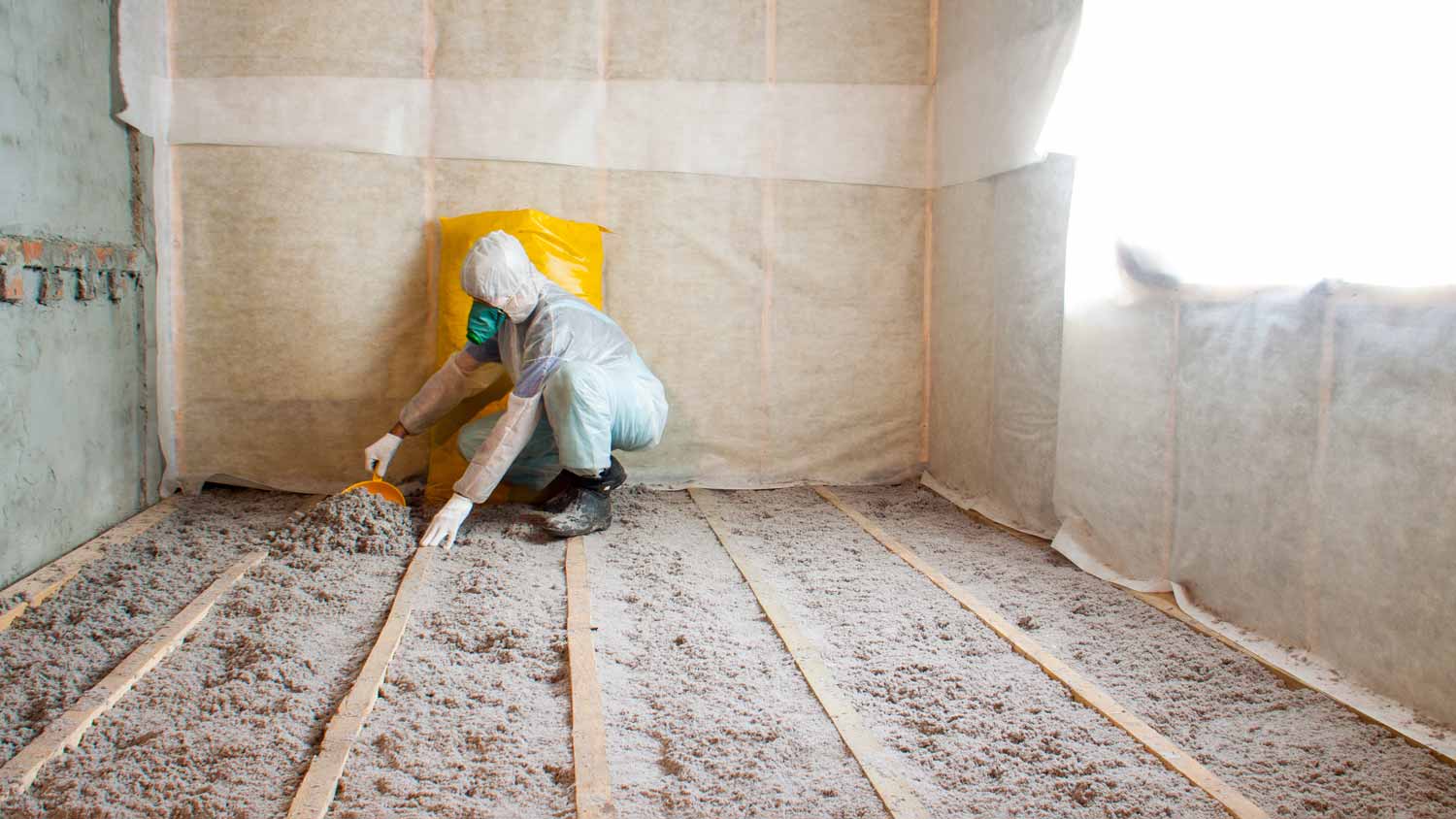
What's lurking behind your home's walls? Learn how to tell the difference between asbestos and cellulose insulation in this guide.
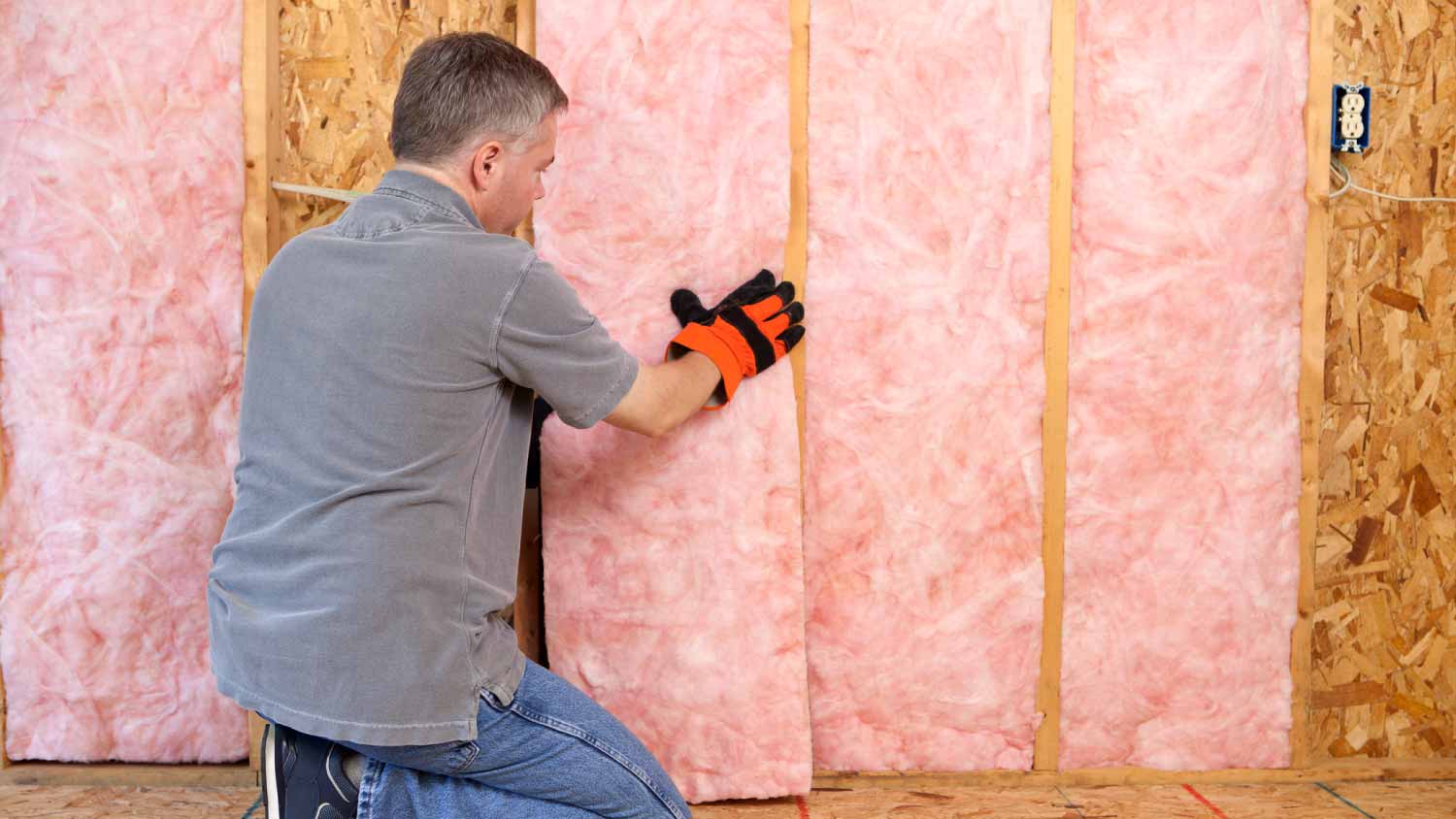
In home construction, is there really a difference between asbestos vs. fiberglass? In short, yes, and you'll learn why the difference is significant.

It may keep your home warm and toasty, but is insulation dangerous? Learn four potential insulation health hazards, and how to prevent them from occurring.
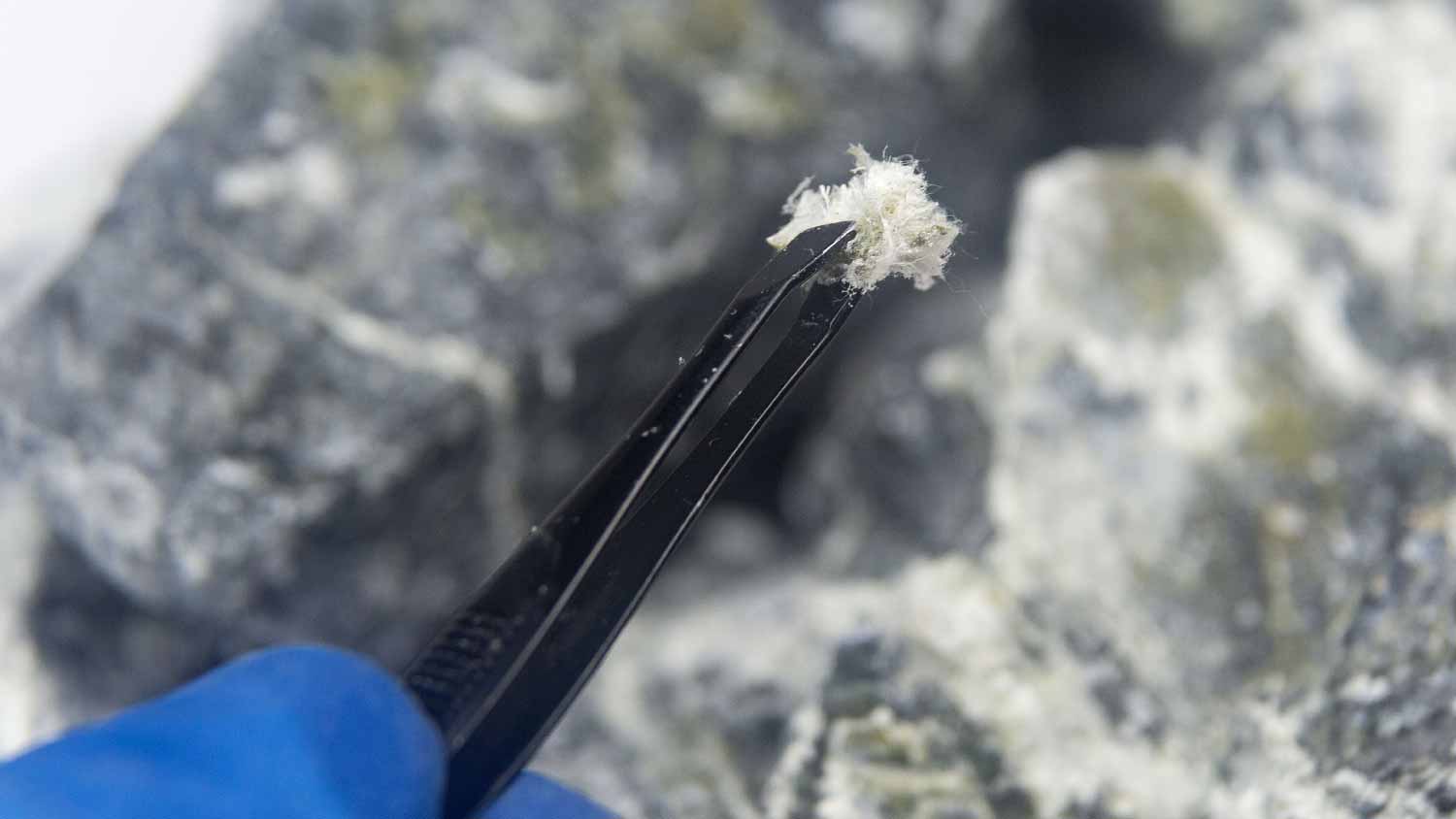
What does asbestos look like? It may be harder to spot asbestos than you think. Read on to learn more about this invisible home hazard.