
•
Get clear answers on asbestos tile removal cost, including average prices, cost factors, and tips to save money on safe, professional removal.
Don’t assume your flooring is safe just because tiles are intact

Asbestos tile floors pose health risks when disturbed because walking, shifting, or cracking releases cancer-causing fibers into the air you breathe.
Expect to pay $450 to $6,000 for professional asbestos removal, with average costs around $2,200, depending on your flooring size and condition.
Encapsulation with sealant offers a temporary fix, but removing your asbestos tile floor completely protects your home value and long-term safety.
Hiring a local asbestos abatement professional keeps you safe from exposure and ensures proper testing, removal, and cleanup without health risks.
Asbestos is a cancer-causing mineral that, for a long period of time, was used in both floor tiles and the materials used to bind those tiles to the ground. If your house was built anytime from Ancient Rome to around 1990, you may have asbestos in your tiles.
You might not need to rip up the floor and remove the tiles completely—they can be encapsulated—but no matter which method you choose, encapsulating or removing asbestos tile is not a DIY-friendly project. Any type of asbestos poses serious health risks and should only be handled by a pro.
Encapsulation is an alternative to asbestos removal. This process uses a sealant to bind asbestos fibers so they cannot be released into the air. This method is only suitable in some situations and must always be performed by a professional.


When asbestos is dormant, it poses no danger to humans. The issue is that, whenever asbestos is disturbed, it becomes airborne. Once in the air, it enters people’s lungs, causing a number of different cancers and scarring of the lungs, called asbestosis. Mastic, especially black mastic, was formerly used to secure floor tiles in place. This binder contains a good amount of asbestos.
There are some instances where asbestos can remain undisturbed for decades, such as with plumbing or inner-wall insulation. Floors are a different story, and it is notoriously hard to identify asbestos in floor tiles. People walk on them constantly; they move when the house shifts or moves (like during minor earthquakes); and even placing heavy furniture on tiles can deform and crack them. If there is a mere millimeter of space between tiles, or any tiles are broken, asbestos can (and will) become airborne.
The price of covering asbestos tiles can be split into two categories—removing the tiles completely or encapsulating them. We strongly recommend removing the tiles and cleaning any remaining asbestos, rather than pursuing encapsulation. The two main reasons are:
Home value: The presence of asbestos in any amount can affect your home’s resale value. Asbestos in flooring or paint can lower your home’s value anywhere from 1% to 10% or more.
Safety: While encapsulation does prevent asbestos from entering breathable air, it does not remove the asbestos in any way. Other than affecting your home’s value, it leaves opportunities for the encapsulation to fail, resulting in airborne (and therefore, dangerous) asbestos fibers.
Removing floor tiles and scrubbing any trace of asbestos can cost between $450 and $6,000, with most homeowners paying around $2,200. We do not recommend encapsulation, but respect that there may be specific use cases. In those circumstances, expect to pay 15% to 20% less than a full removal.

The simple answer to this question is, “Whenever you find out there is asbestos.” In all seriousness, the day you find out, you should be calling or interviewing local asbestos removal professionals. Urgency is a requirement because you cannot see, taste, or feel asbestos in the air. It is in your best interest—and that of anyone else living in the house—to tackle the problem immediately.
Just in case you skipped to this section, we need to repeat that we do not advise covering the tiles. It is more of a Band-Aid fix than anything permanent, and if you sell your house, chances are that you will want to rip out the asbestos anyway. If your tiles are old and frail (called “friable”, or easily crumbled), they may not even allow for encapsulation and will require total removal.
There are, however, some cases where you may be advised to encapsulate (cover) asbestos tiles instead of removing them outright. Usually, this is done as a temporary fix before undergoing a more comprehensive solution. A professional will perform the steps below when encapsulating tiles.
You may have discovered the presence of asbestos when you located a label or maybe some old paperwork stating your tiles had asbestos. An asbestos testing professional will still need to inspect and verify. They will probably visit your house twice—once to detail the job and inspect the site, and a second time to perform the work. Sometimes this requires a waiting period between the two stages, especially if the professional needs to send samples to a lab.
At this point, you probably should not be in the house. A professional may or may not advise you to stay in a hotel or with friends or family, but it is worth doing. There will be an extreme amount of asbestos in the air during the work, and you do not want to risk breathing it. A pro will seal off the room and, in most cases, set up air scrubbing and high-efficiency particulate air (HEPA) vacuum equipment.
Once the room is prepped for work, the professional will apply the first coat of the solution. This is almost always some sort of sealant, usually an epoxy. The sealants themselves are perfectly safe and based on the idea that they both bind the asbestos into the epoxy and create a thin layer that traps fibers.
Your asbestos pro will let the fans scrub the air for a while to ensure there is no residual asbestos floating around. One benefit of encapsulation is that it does not disturb the asbestos nearly as much as full removal, so ideally there would only be a few fibers in the air. Whoever performs the work is responsible for ensuring the environment is safe afterward.
This stage is self-explanatory but one of the most important. Cleaning your house after asbestos exposure can be complicated and imprecise. The fibers can settle on any surface, flat or vertical, and with minor disturbance become airborne. Professionals know how to clean a room so that it is safe, but it never hurts to give the room another once-over for peace of mind. Just remember to wear all the appropriate personal protective equipment.

There is really only one tip, and that is to call a pro. DIYers can surely find other projects to keep their hands full instead of dealing with a known carcinogen. But let’s assume for a second that you cannot hire a professional right away, or that you just notice asbestos in your house and tiles. You should:
Seal off the room where the asbestos is as best you can.
Ventilate the room by opening all windows and doors.
Always wear protective gear until a professional signs off on safety.
Ask your contractor for both pre- and post-work air test results.
Make sure your contractor is fully licensed.
According to data from Angi customers, 44.7% of homeowners request immediate removal of asbestos in their homes—only 26.9% of homeowners say the timing is flexible. Asbestos removal isn’t an emergency in the same sense as a house fire, but long-term exposure can cause significant respiratory issues, so you should at least consult an asbestos removal company as soon as you get an inkling that there’s asbestos in your home.
This is not a job to do yourself. There is a chance that a professional will let you work alongside them to learn, but that is pretty rare. Professionals who work with asbestos charge anywhere from $5 to $20 per square foot for removal and cleanup. This results in a total house remediation cost of around $5,700 for indoor spaces; however, expect to pay significantly less—unless there is asbestos flooring throughout the whole house.
One of my old tall evergreen trees was suddenly leaning toward the busy street in front of my house. I submitted a request for an emergency tree inspection, and Alejandro, owner of Cajete Tree Service, contacted me immediately and arrived to look at it just 20 minutes later. We agreed the...
 Cajete Tree Service LLC
Terrible experience. Walls/trim/floors/cabinets/doors all have drip marks, overspray, etc. Tiling at the fireplace had to be redone by another vendor due to incorrect and shoddy install by Profect. Contractor had his children in our house while he was on site without prior authorization or...
 Profect painting & exteriors
Lyle did a great job removing asbestos shingles from our front porch roof. They worked together with our roofer to make sure that the new roof was able to be installed on the same day that Lyle removed the asbestos shingles.
 Lyle Environmental
Involved an extensive bathroom remodel, including removing tub & installing walk in shower, new drywall, custome tile work to ceiling, plumbing, etc. Overall, job was done on time and on budget. Nick & his team were very professional and had high attention to detail. Quality was great. Highly...
 Stamos Flooring and Remodeling LLC
A team of 2 spent 5 hours, cleaning top to bottom (removed all light fixture and cleaned.... impressive!!!)
 Luzia's Cleaning
Great Job!!! Martin called me after I requested a estimate on Home Advisor. He was very professional and actually went the same day and looked at the tree I needed removed gave us a estimate and I felt it was very aggressive so I did not even call for any other bids. I asked him how soon he...
 Reyes Tree Service LLC - Home Facebook
Mike and his crew did a great job working through a very challenging task. The job required a full demolition of our ceiling, removing the blown in insulation and removing all the material from the site daily. It involved multiple inspections from the city and many challenges to get the...
 Rising Height Unlimited
Removed various items (furniture, lamps, other junk) from my home. They were on time, personable, professional, etc. I can't say enough positive things about this company. <br />
The task proved more difficult than anticipated. When they arrived the first day, they had no tools with them at all, and had to make a run to purchase appropriate tools. It was quickly determined that the paper had to be steamed off, and neither the workers, nor the company itself, had...
 ABS Interiors of Mid-Ohio LLC
We needed them to do extra work to remove existing wallpaper, and provide full primer and painting/trim work around existing furniture etc, during a move-in period. They did everything top-notch with minimal mess. They were always extremely on time, and very professional. They also cleaned...
From average costs to expert advice, get all the answers you need to get your job done.
Get clear answers on asbestos tile removal cost, including average prices, cost factors, and tips to save money on safe, professional removal.

The cost of asbestos testing varies based on location, property size, test type, and other factors. Here’s a breakdown of the costs to conduct an asbestos survey.
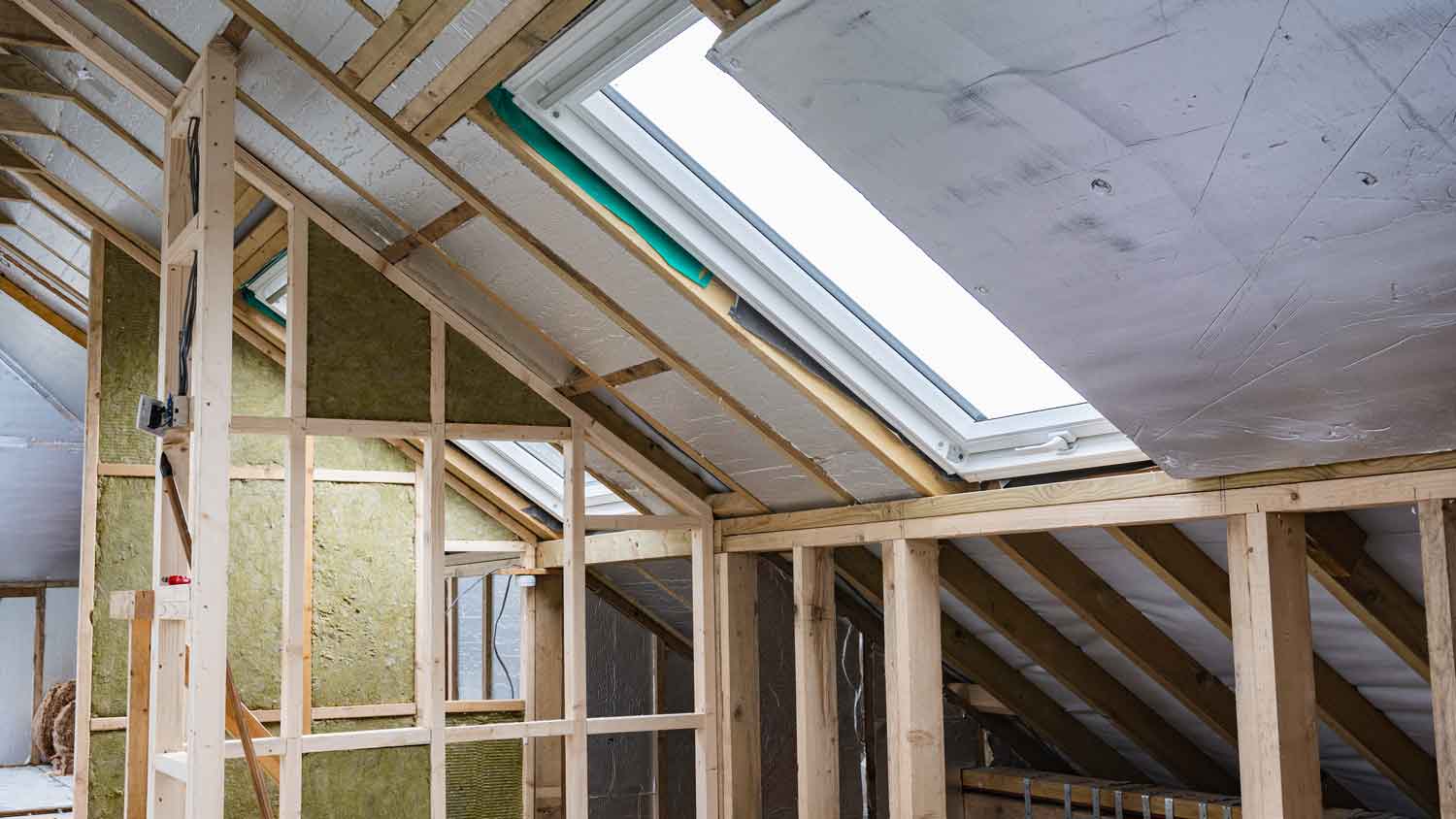
Asbestos removal costs vary based on where it’s located, the size of the job, and if there is any underlying damage. Learn what has the biggest effect on the cost.
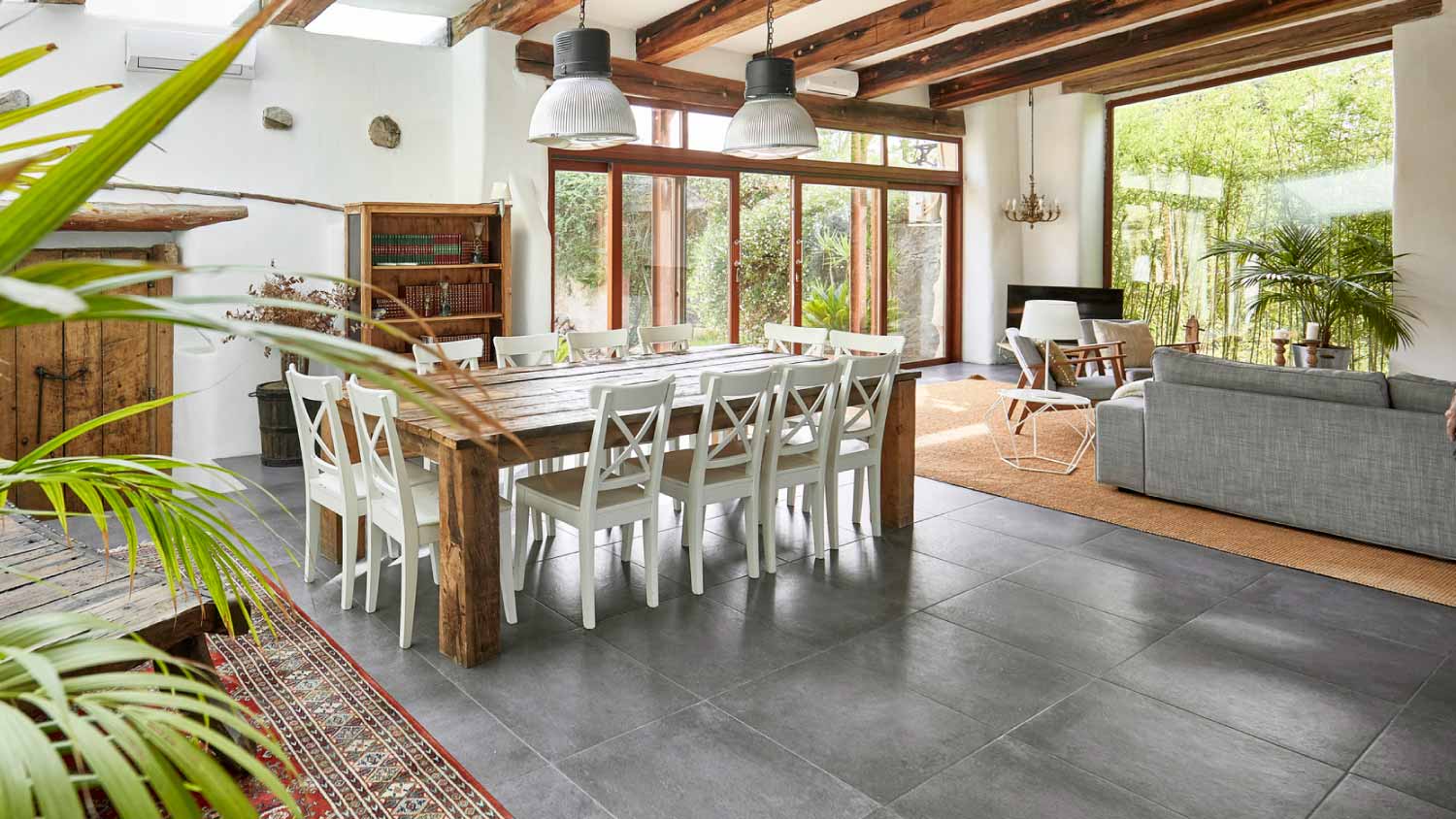
Curious about how to remove asbestos tile? While typically best left to the pros, if you have some skill in this area, here is how to remove it safely.
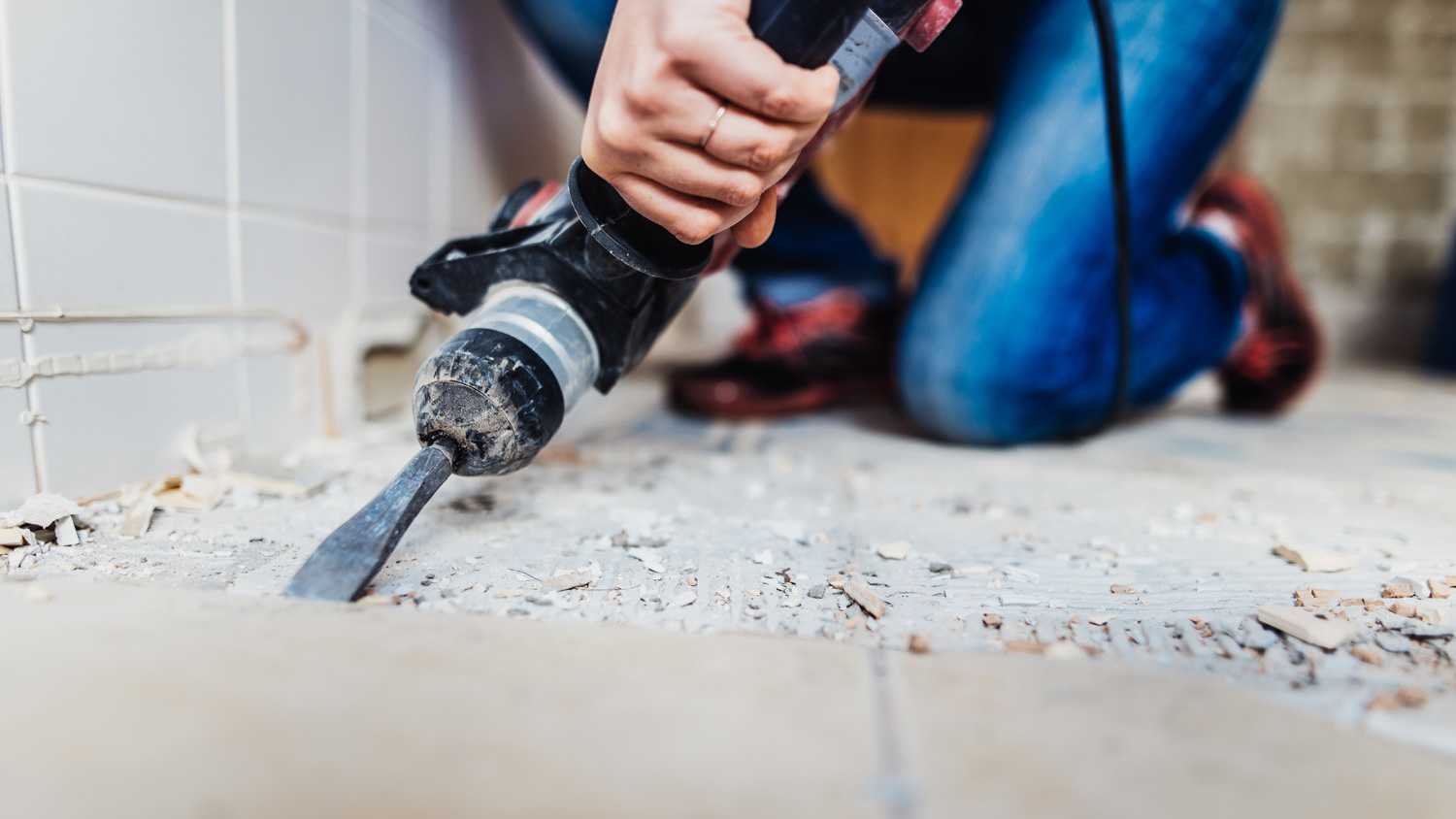
What are asbestos floor tiles and how can you tell if they’re in your home? Learn how to identify asbestos floor tiles, risk, and removal.
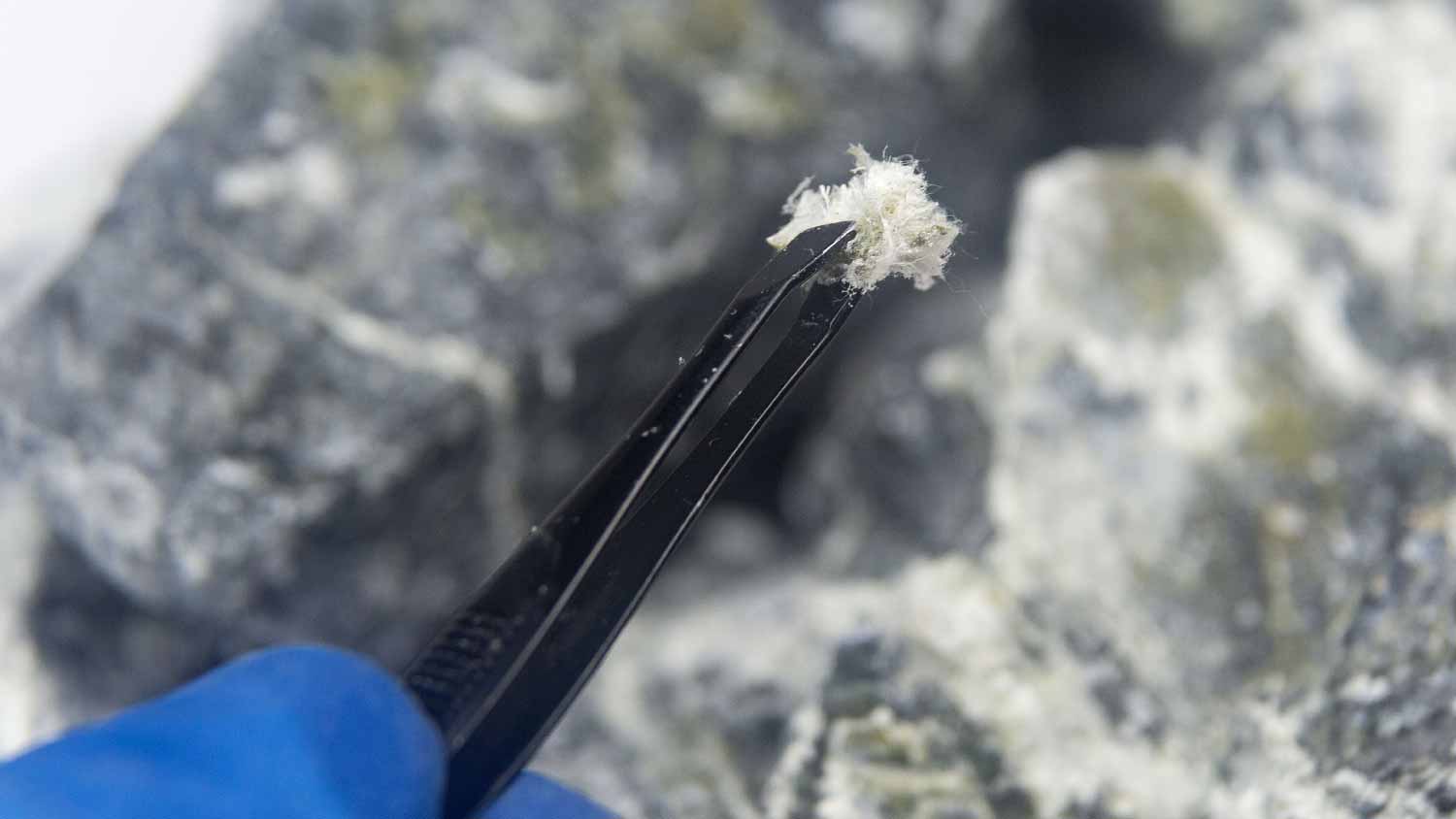
What does asbestos look like? It may be harder to spot asbestos than you think. Read on to learn more about this invisible home hazard.