

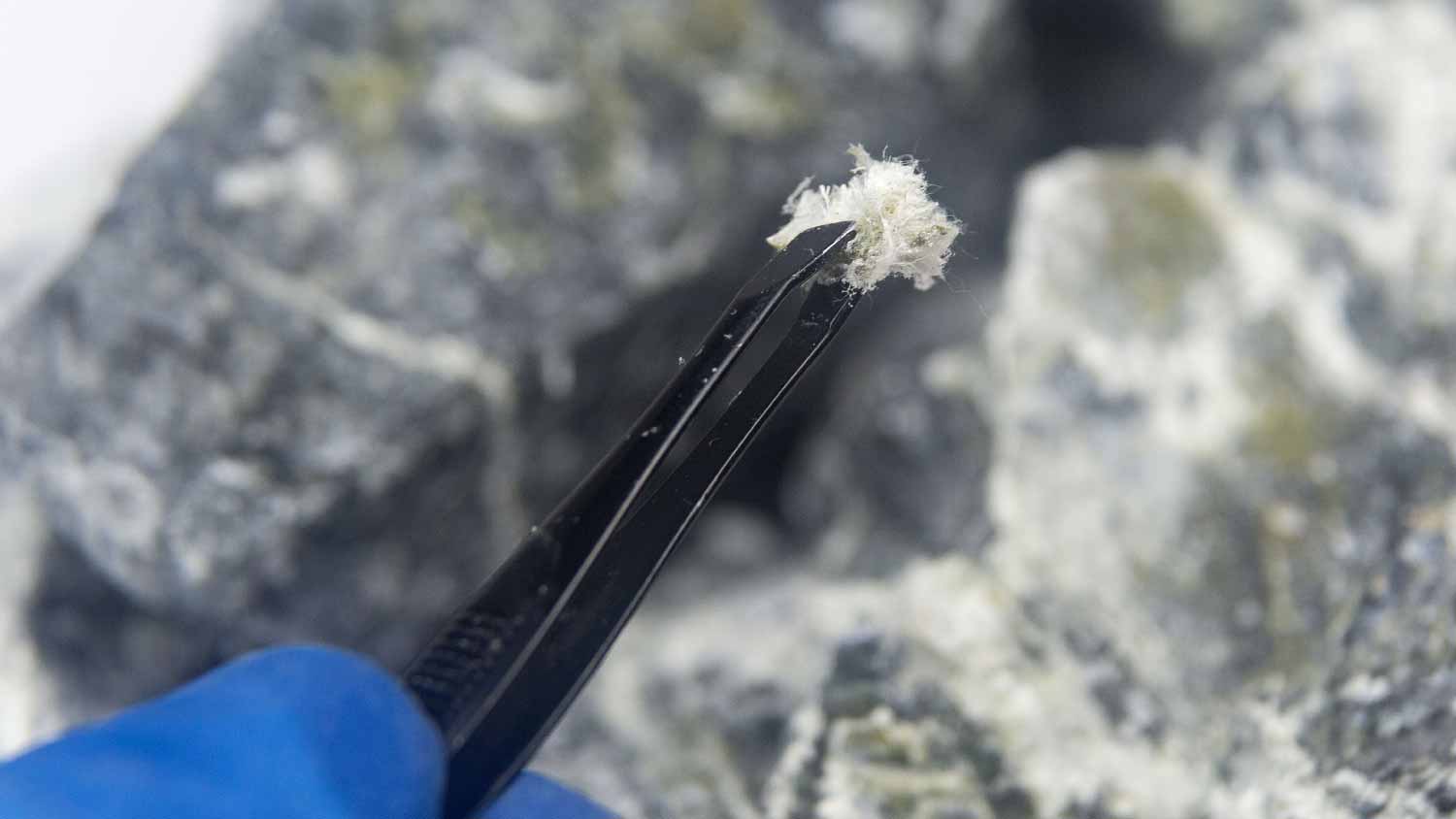
What does asbestos look like? It may be harder to spot asbestos than you think. Read on to learn more about this invisible home hazard.
This material can evade the senses

Asbestos in drywall can't be seen, smelled, or detected without professional lab testing, so your home's age is the first clue.
Expect to pay $230 to $770 for asbestos testing and $1,200 to $3,300 for removal, depending on how widespread the asbestos is.
Exposure to asbestos poses serious health risks, including lung cancer, mesothelioma, and asbestosis, so your safety depends on professional handling.
Hiring a local asbestos testing professional provides clear answers through lab analysis and safe removal, keeping you and your family protected from health hazards.
Many homeowners have heard about the risks of asbestos, and this can bring some fears when it comes to remodeling an older home. What if there’s asbestos in the popcorn ceilings or in the drywall? What does asbestos in drywall look like, and how can you avoid it? While asbestos isn’t detectable by eye or even smell, there are some common signs that your drywall may contain asbestos. And with a pro’s help, you can get your home back to its safest ASAP.
Recognizing early warning signs is important, but figuring out the right fix isn't always simple. Delaying professional help or attempting complex DIY repairs can lead to further damage and increased costs. With our network of local pros, you can hire a skilled professional to assess the issue and recommend the best solution.
Testing for drywall or removing asbestos from drywall should only be done by a local drywall repair pro or asbestos testing pro. According to the U.S. Environmental Protection Agency (EPA), exposure to asbestos, either from multiple short-term exposures or long-term, presents a major risk of lung, larynx, and ovarian cancers.
Asbestos exposure is also linked to mesothelioma, a cancer in the thin membrane lining of the organs. Additionally, inhalation of asbestos can cause asbestosis, a type of lung scarring that makes it harder to breathe, and pleural disease, an illness impacting the lungs that can cause fluid buildup.
There are a few things that could point to asbestos in drywall, including the age of your home, the look of your insulation, your ceiling type, and a lab analysis. However, keep in mind that there’s no way to visually tell what asbestos in drywall actually looks like. You can only identify asbestos under a microscope, which is a job you need to leave to the pros.
Here are some potential signs of asbestos in drywall:

While drywall nowadays doesn’t contain asbestos, the joint compound or mud used to install drywall before the 1980s may have. Asbestos in spackling and tape joint compounds for drywall was banned by the U.S. Consumer Product Safety Commission in 1977, and the EPA banned most uses of asbestos in 1989.
For homes built or drywall installed or repaired in the 1980s or earlier, asbestos could be present.

While you can’t actually see what asbestos in drywall looks like, the insulation behind the drywall could give you a clue that there’s asbestos present. Vermiculite insulation is a type of insulation that could contain asbestos, even if it was installed after the 1980s.
This insulation has a fine, gravel-like or sandy texture and a light brown, gray, or white color. Don’t touch it. Just look for this texture and then have a pro take a sample to test for asbestos.

The look of popcorn ceilings has been controversial for a while, but don’t start trying to scrape down the ceilings so fast. Popcorn ceilings that were added before the 1980s may contain asbestos for improved fire resistance, but if you start scraping into the textured ceiling, you could agitate and expose the asbestos.

Unfortunately, there are no asbestos drywall pictures to compare your drywall to in determining if it contains asbestos. Asbestos isn’t visible to the naked eye—it requires professional lab testing to detect.
You’ll need to hire a pro to collect a sample to send to a lab. The lab results will tell you if your drywall contains asbestos, and this is the only true way to know.
You will always need to hire a pro for asbestos abatement to protect yourself and your family. The pros have the proper equipment and safety gear to effectively remove asbestos and prevent it from contaminating other parts of your home.
Handling asbestos is extremely dangerous and involves serious health risks. An asbestos removal company can get the job done as safely as possible so you can start that remodel you’ve been planning.

No, you should never attempt to DIY asbestos removal because exposure can pose extreme health risks. Even if you think there’s a chance that asbestos is present, you should put on protective gear such as gloves, disposable coveralls, goggles, and a HEPA-filter respiratory mask if you will be near the affected area. Avoid touching or disturbing the potentially affected area. Always leave this job to asbestos abatement and drywall repair pros.
These days, asbestos is fully banned for ongoing use in drywall and other products and manufacturing processes. That makes it easier to choose materials that are safer for your home. However, there are ways to reduce the risk of asbestos exposure.
Double-check the age of any secondhand building materials you consider upcycling for your own home. Older materials may contain asbestos.
Hire a pro to test any potential asbestos-containing materials (ACMs) in your home. Asbestos testing costs $230 to $770.
Don’t disturb any potential ACMs. Doing so could release asbestos into the air.
Schedule asbestos abatement immediately if lab tests reveal asbestos in your drywall or other parts of your home.

Asbestos removal costs $1,200 to $3,300, depending on how widespread the asbestos is. If your entire home contains drywall with asbestos, the cost will be higher than if just one room is affected. Removing asbestos from drywall costs $8 to $13.50 per square foot.
If your drywall contains asbestos, you’ll need to replace the drywall altogether rather than trying to repair the drywall. Drywall installation costs $990 to $3,200. If you suspect asbestos in your popcorn ceilings, popcorn ceiling removal costs $9 to $20 per square foot when asbestos is involved.
You may wonder whether it's okay to stay in your home while asbestos mitigation work is underway. Asbestos is a health hazard and is a risk to anyone exposed to the asbestos fibers. While there might be specific times when you can stay in the home during the mitigation process, it is not worth risking the health and safety of your family, leave your home.
One of my old tall evergreen trees was suddenly leaning toward the busy street in front of my house. I submitted a request for an emergency tree inspection, and Alejandro, owner of Cajete Tree Service, contacted me immediately and arrived to look at it just 20 minutes later. We agreed the...
 Cajete Tree Service LLC
Terrible experience. Walls/trim/floors/cabinets/doors all have drip marks, overspray, etc. Tiling at the fireplace had to be redone by another vendor due to incorrect and shoddy install by Profect. Contractor had his children in our house while he was on site without prior authorization or...
 Profect painting & exteriors
Lyle did a great job removing asbestos shingles from our front porch roof. They worked together with our roofer to make sure that the new roof was able to be installed on the same day that Lyle removed the asbestos shingles.
 Lyle Environmental
Involved an extensive bathroom remodel, including removing tub & installing walk in shower, new drywall, custome tile work to ceiling, plumbing, etc. Overall, job was done on time and on budget. Nick & his team were very professional and had high attention to detail. Quality was great. Highly...
 Stamos Flooring and Remodeling LLC
A team of 2 spent 5 hours, cleaning top to bottom (removed all light fixture and cleaned.... impressive!!!)
 Luzia's Cleaning
Great Job!!! Martin called me after I requested a estimate on Home Advisor. He was very professional and actually went the same day and looked at the tree I needed removed gave us a estimate and I felt it was very aggressive so I did not even call for any other bids. I asked him how soon he...
 Reyes Tree Service LLC - Home Facebook
Mike and his crew did a great job working through a very challenging task. The job required a full demolition of our ceiling, removing the blown in insulation and removing all the material from the site daily. It involved multiple inspections from the city and many challenges to get the...
 Rising Height Unlimited
Removed various items (furniture, lamps, other junk) from my home. They were on time, personable, professional, etc. I can't say enough positive things about this company. <br />
The task proved more difficult than anticipated. When they arrived the first day, they had no tools with them at all, and had to make a run to purchase appropriate tools. It was quickly determined that the paper had to be steamed off, and neither the workers, nor the company itself, had...
 ABS Interiors of Mid-Ohio LLC
We needed them to do extra work to remove existing wallpaper, and provide full primer and painting/trim work around existing furniture etc, during a move-in period. They did everything top-notch with minimal mess. They were always extremely on time, and very professional. They also cleaned...
From average costs to expert advice, get all the answers you need to get your job done.
What does asbestos look like? It may be harder to spot asbestos than you think. Read on to learn more about this invisible home hazard.
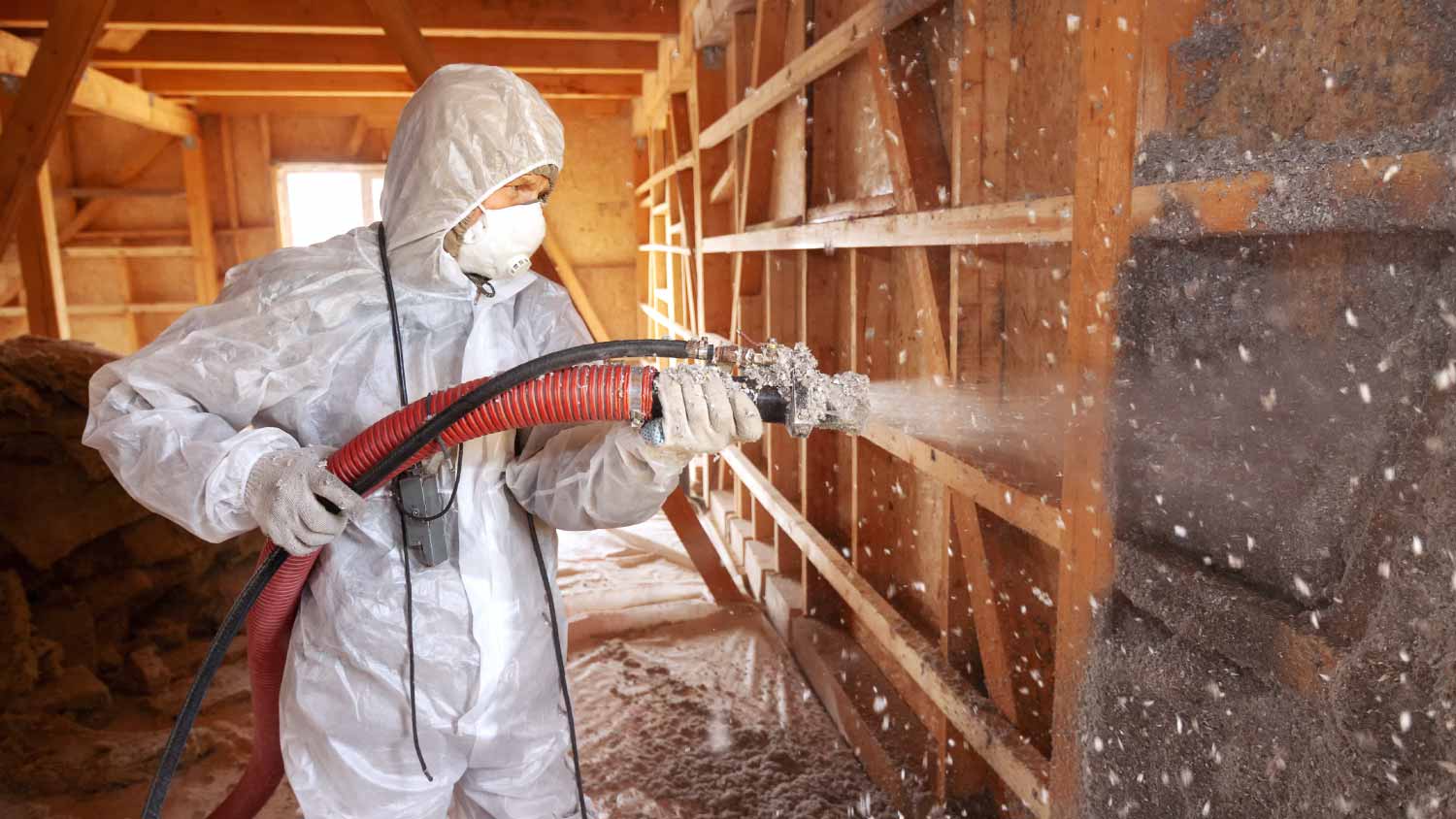
Asbestos insulation can vary in appearance depending on the type.Knowing what asbestos insulation looks like can keep you and your family safe.

If you are wondering what asbestos pipe insulation looks like, you need to watch for a light gray wrap that resembles corrugated cardboard or paper.
What does asbestos siding look like? Read on to learn what to look for, and what to do if your home has asbestos siding.
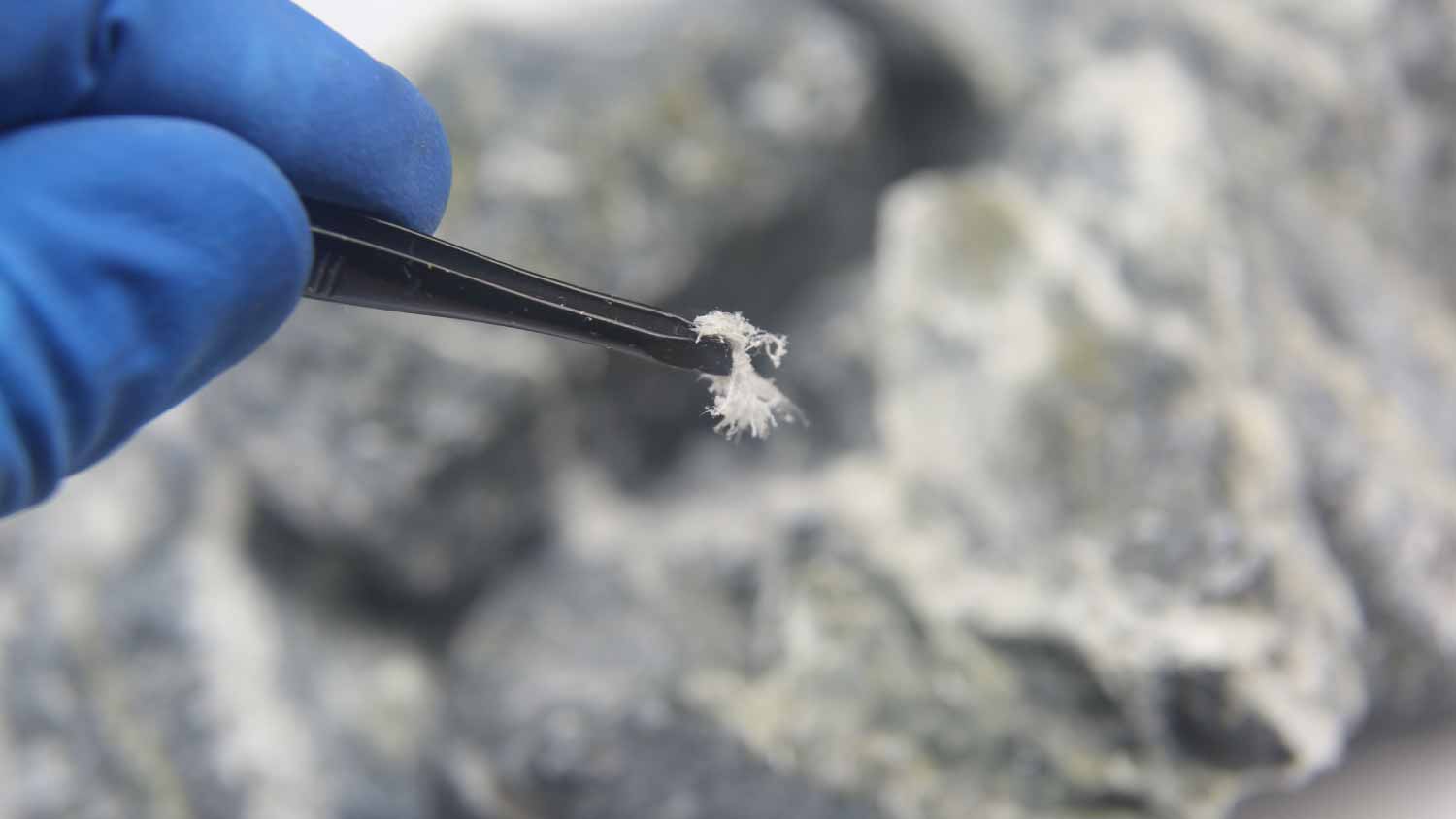
Asbestos-containing insulation is banned or restricted in many countries, but it's still found in some homes. Use this guide to identify if you have the hazardous material in your home.
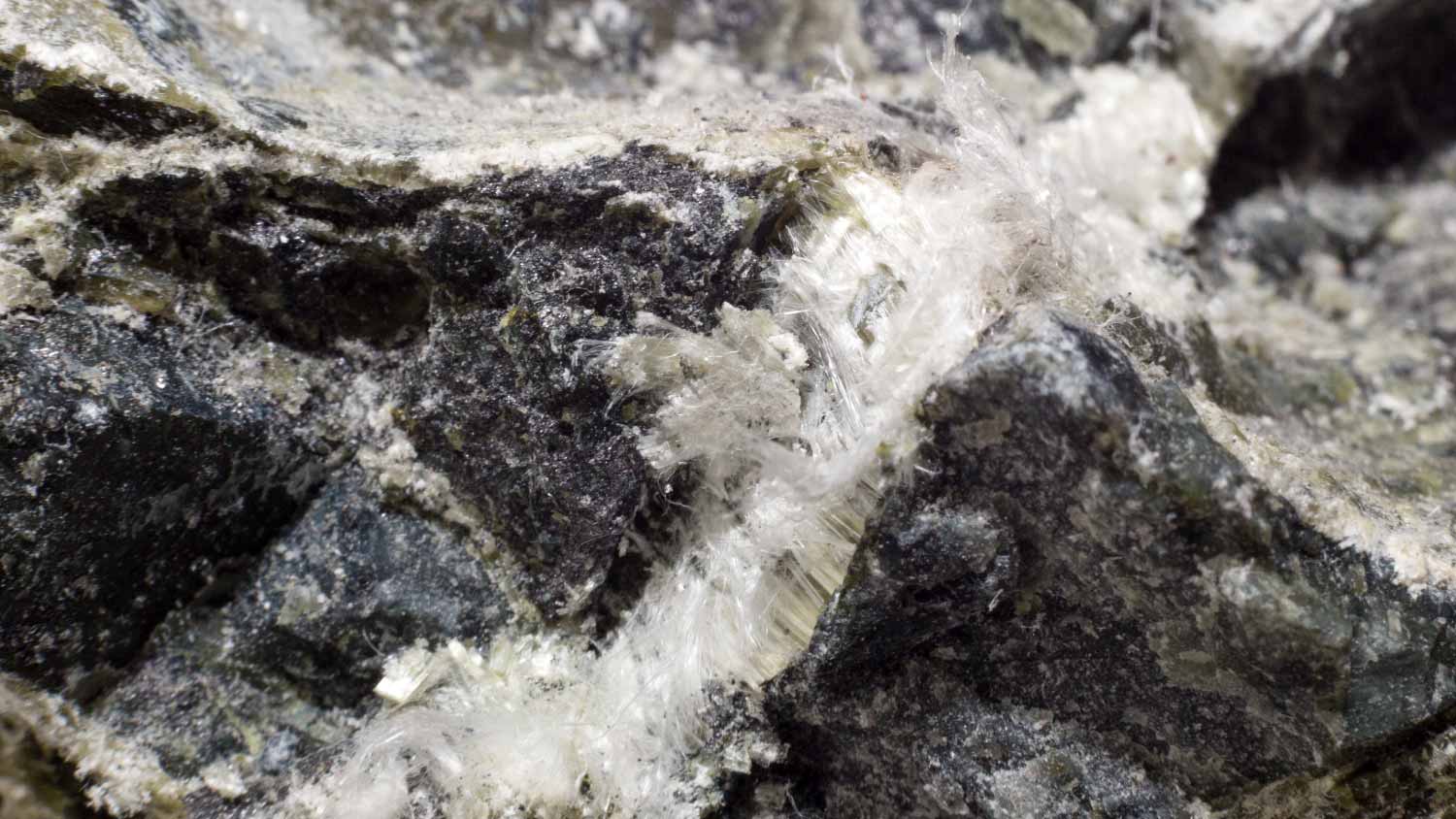
What is asbestos? It’s a naturally found mineral fiber used in home construction before the 1980s. Asbestos is carcinogenic when inhaled.