
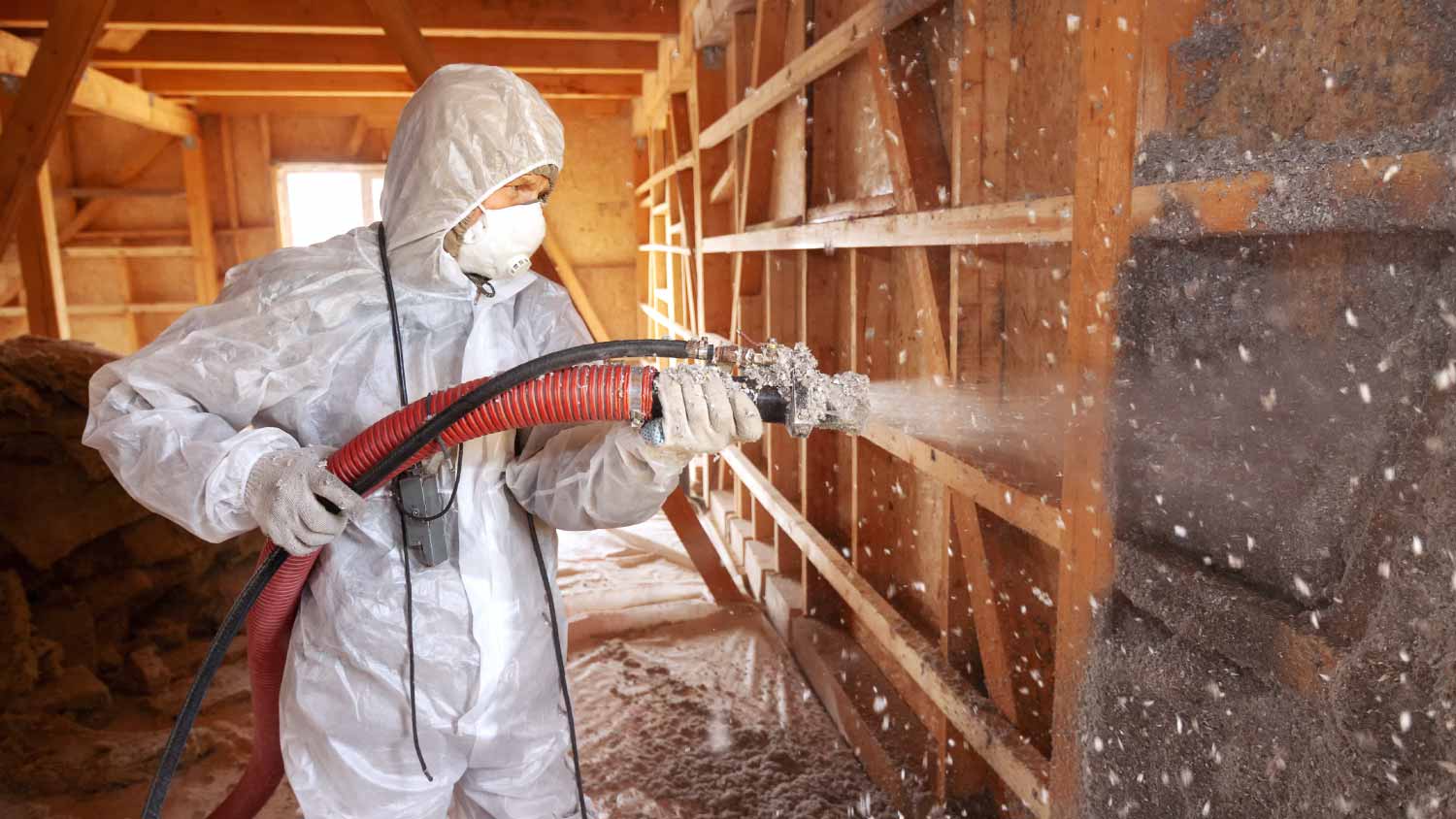
Asbestos insulation can vary in appearance depending on the type.Knowing what asbestos insulation looks like can keep you and your family safe.
If asbestos is hiding in your home, your family’s health may be at risk

Asbestos fibers are invisible to your naked eye, appearing only as tiny white, green, brown, or blue strands under specialized microscopic equipment.
Homes built before the 1980s often contain asbestos in insulation, flooring, ceiling tiles, siding, drywall, and pipe wrappings throughout your property.
Disturbing asbestos releases dangerous fibers into the air you breathe, leading to serious respiratory conditions like lung cancer, mesothelioma, and asbestosis.
Hiring a local asbestos testing professional confirms whether your home contains asbestos and provides guidance on safe handling or professional removal options.
Recognizing asbestos is more complex than keeping an eye out for a specific color or shape. So, what does asbestos look like? Sometimes found in insulation, siding, popcorn ceilings, and other building materials, asbestos looks like tiny fluffy fibers that can be white, green, brown, or blue.
Unfortunately, asbestos fibers aren’t visible to the naked eye due to their microscopic nature, making visual identification impossible without specialized equipment. This guide explains what asbestos is, why it’s dangerous, and what it looks like when you view it with the proper equipment.
Asbestos refers to a group of naturally occurring minerals known for their heat resistance, strength, and insulating properties, historically used in various industries but hazardous when its fibers are inhaled. Its unique properties made it immensely appealing for a wide array of applications across multiple industries, particularly in construction, shipbuilding, automotive manufacturing, and insulation. Its resistance to fire, heat, chemicals, and electricity, coupled with its strength and insulating properties, led to its extensive use in various products.
The mineral exists in two primary forms—amphibole and serpentine. Chrysotile, a type of serpentine asbestos, was the most commonly used and accounts for about 90% of the asbestos found in buildings in the United States. Amphibole asbestos includes minerals like amosite, crocidolite, tremolite, anthophyllite, and actinolite. Each type has its specific characteristics and was used in different applications, with chrysotile being more flexible and heat-resistant, while amphibole fibers were generally more brittle and sharp.
If you live in an older home, there is a chance asbestos is lurking somewhere, which is not ideal. The reason we avoid asbestos today is that health hazards associated with exposure to this material have become increasingly evident over time. When disturbed or damaged, asbestos-containing materials can release microscopic fibers into the air. Inhalation or ingestion of these airborne fibers can lead to severe health issues. Asbestos exposure has been linked to lung cancer, mesothelioma (a rare and aggressive form of cancer that affects the lining of the lungs, abdomen, or heart), and other respiratory conditions like asbestosis, causing lung tissue scarring and breathing difficulties.
Recognizing these health risks, many countries have either banned or strictly regulated the use of asbestos. However, the past use of asbestos still lingers in older buildings and structures, necessitating caution and special handling during renovations, demolitions, or any activities that might disturb materials suspected of containing asbestos. Professional inspection and, if necessary, proper abatement by certified asbestos contractors are necessary to mitigate the risks associated with this hazardous material.
If your home was built before the 1970s, there’s a chance some of the building materials used contain asbestos. You'll need to hire a pro to detect for any asbestos.


Homeowners who live in older homes built before the 1980s may find asbestos in many different areas of their homes. Following are some common spots in homes where asbestos can be found in building materials.
Wall and ceiling insulation: Asbestos was widely used in insulation due to its heat resistance and insulating properties. Common insulation types, such as loose-fill insulation in attics, walls, or crawl spaces, might contain asbestos.
Pipe, duct, and wire insulation: Asbestos was widely used to insulate pipes, boilers, and HVAC ducts in homes built before the 1980s. The insulation surrounding these systems could contain asbestos fibers. As these materials age or undergo wear and tear, they may release asbestos particles into the air, particularly during maintenance or renovations.
Ceiling tiles and popcorn ceilings: Popcorn or textured paints, extensively used on ceilings and walls in homes up until the 1980s, often contained asbestos to help with fireproofing. Similarly, acoustic ceiling tiles installed for sound absorption in rooms were frequently made up of asbestos fibers.
Floor tiles: Vinyl floor tiles, often installed in kitchens and bathrooms, frequently contained asbestos fibers, as did the adhesive used to affix these tiles. Linoleum flooring, particularly its backing, was another common area for asbestos tiles.
Exterior siding: Asbestos siding often resembles traditional cementitious siding, displaying a texture similar to wood grain or a shallow, layered appearance. It comes in various colors, commonly gray, white, or beige, and may have a matte or slightly glossy finish.
Drywall: Asbestos-containing drywall, also known as gypsum board or sheetrock, looks like standard drywall, typically white or off-white in color, with a smooth surface. However, asbestos-containing drywall might have visible fibers or a slightly different texture upon close inspection due to the added asbestos content.
Electrical fixtures: Certain older electrical fixtures, including electrical panels, wiring insulation, and lamp socket collars, might contain asbestos. Asbestos was used in these components for its insulating and fire-resistant properties, especially in older homes constructed before stricter regulations on asbestos usage.
Wire insulation: Asbestos wire insulation refers to the use of asbestos-containing materials to insulate electrical wires. This insulation was prevalent in older electrical systems, typically appearing as a cloth or paper-like wrapping around wires or within electrical components.
Older homes are more likely to contain materials with asbestos, and data from Angi customers shows that 78.1% of homes that needed asbestos removal were built before 1978. Only 12.4% of homes needing asbestos removal were built after 1978. If you have an older home, preventative asbestos testing by a professional abatement company is a smart, safe choice.

Let’s take a closer look at three common types of asbestos to understand what they look like, why they were used, and where in homes they are frequently found. Remember—without the right tools, you won’t be able to actually see the asbestos, which is just one reason it’s best to leave asbestos inspections to the professionals.
Chrysotile, often referred to as white asbestos, is the most prevalent type of asbestos and comprises approximately 95% of asbestos used worldwide. Its fibers, when observed under a microscope, appear curly, flexible, and fibrous, resembling hair or wool strands. Recognized for its heat resistance and pliability, chrysotile was extensively incorporated into building materials like insulation, roofs, ceilings, and walls. Beyond construction, its versatility led to its use in brake linings and gaskets, where its flexibility and durability proved advantageous.
Amosite, commonly known as brown asbestos, features straight, brittle fibers that tend to be brownish in color. These fibers are notably sharper and more needle-like than those of chrysotile, contributing to their rigidity. This type of asbestos found its way into insulation materials for pipes and pipe insulation, cement sheets, and insulating boards, serving the construction and shipbuilding industries due to its resilience and heat-resistant properties.
Crocidolite stands out with its distinct blue hue and consists of thin, sharp, and extremely brittle fibers. These fibers, considered the most hazardous among asbestos types, pose an increased risk of causing diseases like mesothelioma due to their structure. While crocidolite was used in various applications, such as spray-on coatings, pipe insulation, and cement products, its use has significantly diminished due to its severe health risks, prompting discontinuation in many industries.
Understanding the visual characteristics of these asbestos types provides insight into their potential presence in various materials, emphasizing the importance of professional testing and handling when dealing with suspected asbestos-containing substances.
Alongside safety concerns, not having the right equipment on hand is another reason asbestos inspection is best left to the professionals. Discovering asbestos requires specific tools and procedures to ensure accurate identification. Asbestos testing typically involves:
Sampling kit: This kit includes gloves, a respirator, plastic bags, and a spray bottle for water, and allows for the safe collection and handling of samples.
Disposable tools: You need the right tools, such as a utility knife, pliers, and a putty knife to carefully extract small samples without generating dust or disturbing the material excessively.
Moistening agent: Having a spray bottle with water to dampen the material before sampling, minimizing the release of asbestos fibers.
Sealable containers: Airtight bags or containers to store samples safely for analysis are necessary.
Protective gear: Personal protective equipment like disposable coveralls, goggles, and a respirator fitted with a high-efficiency particulate air (HEPA) filter can help prevent inhalation or skin contact.
Asbestos testing lab: While not a physical tool, having access to a certified asbestos testing laboratory is crucial. These labs analyze the collected samples using polarized light microscopy or other approved methods to determine asbestos presence accurately.
If you suspect (or confirm) the presence of asbestos in your home, taking the right steps is crucial to safeguard your health and the well-being of those in the vicinity.
Here are some guidelines on what to do if you suspect there is asbestos in your home:
Don't disturb it: Avoid touching or disturbing any materials you suspect might contain asbestos. This helps prevent the release of asbestos fibers into the air.
Pay for a professional assessment: Hire a certified asbestos inspector or abatement professional near you to conduct thorough testing and analysis to confirm the presence of asbestos, and determine its condition and risk level.
Seek expert guidance: If asbestos is confirmed, seek guidance from professionals experienced in asbestos removal and abatement. They can advise on the best course of action, whether it's encapsulation, repair, or removal, depending on the condition and location of the asbestos-containing materials. It’s a good idea to call around and receive quotes from a few different professionals to get a better idea of asbestos removal costs in your area.
Avoid DIY removal: Asbestos removal is a highly regulated and hazardous process. It's crucial not to attempt removal or handling on your own, as it can release dangerous fibers into the air, risking exposure to yourself and others.
Create a management plan: If removal is necessary, work with professionals to create a detailed asbestos management plan. This plan should include safe removal procedures, proper disposal, and measures to ensure the safety of occupants and workers during the process.
Inform others: If asbestos is found and needs professional attention, inform household members, workers, or any relevant individuals about its presence, the precautions currently being taken, and the precautions they should take themselves.
Follow local regulations: Adhere to local regulations and guidelines regarding asbestos removal and disposal. Professionals experienced in asbestos abatement will be well-versed in these regulations.
Commit to regular monitoring: For non-removal scenarios, or in cases where asbestos is encapsulated or sealed, regular monitoring and inspection by professionals is essential to ensure its condition hasn't deteriorated. You can ask an asbestos professional for their opinion on how often your home requires inspection.
One of my old tall evergreen trees was suddenly leaning toward the busy street in front of my house. I submitted a request for an emergency tree inspection, and Alejandro, owner of Cajete Tree Service, contacted me immediately and arrived to look at it just 20 minutes later. We agreed the...
 Cajete Tree Service LLC
Terrible experience. Walls/trim/floors/cabinets/doors all have drip marks, overspray, etc. Tiling at the fireplace had to be redone by another vendor due to incorrect and shoddy install by Profect. Contractor had his children in our house while he was on site without prior authorization or...
 Profect painting & exteriors
Lyle did a great job removing asbestos shingles from our front porch roof. They worked together with our roofer to make sure that the new roof was able to be installed on the same day that Lyle removed the asbestos shingles.
 Lyle Environmental
Involved an extensive bathroom remodel, including removing tub & installing walk in shower, new drywall, custome tile work to ceiling, plumbing, etc. Overall, job was done on time and on budget. Nick & his team were very professional and had high attention to detail. Quality was great. Highly...
 Stamos Flooring and Remodeling LLC
A team of 2 spent 5 hours, cleaning top to bottom (removed all light fixture and cleaned.... impressive!!!)
 Luzia's Cleaning
Great Job!!! Martin called me after I requested a estimate on Home Advisor. He was very professional and actually went the same day and looked at the tree I needed removed gave us a estimate and I felt it was very aggressive so I did not even call for any other bids. I asked him how soon he...
 Reyes Tree Service LLC - Home Facebook
Mike and his crew did a great job working through a very challenging task. The job required a full demolition of our ceiling, removing the blown in insulation and removing all the material from the site daily. It involved multiple inspections from the city and many challenges to get the...
 Rising Height Unlimited
Removed various items (furniture, lamps, other junk) from my home. They were on time, personable, professional, etc. I can't say enough positive things about this company. <br />
The task proved more difficult than anticipated. When they arrived the first day, they had no tools with them at all, and had to make a run to purchase appropriate tools. It was quickly determined that the paper had to be steamed off, and neither the workers, nor the company itself, had...
 ABS Interiors of Mid-Ohio LLC
We needed them to do extra work to remove existing wallpaper, and provide full primer and painting/trim work around existing furniture etc, during a move-in period. They did everything top-notch with minimal mess. They were always extremely on time, and very professional. They also cleaned...
From average costs to expert advice, get all the answers you need to get your job done.
Asbestos insulation can vary in appearance depending on the type.Knowing what asbestos insulation looks like can keep you and your family safe.
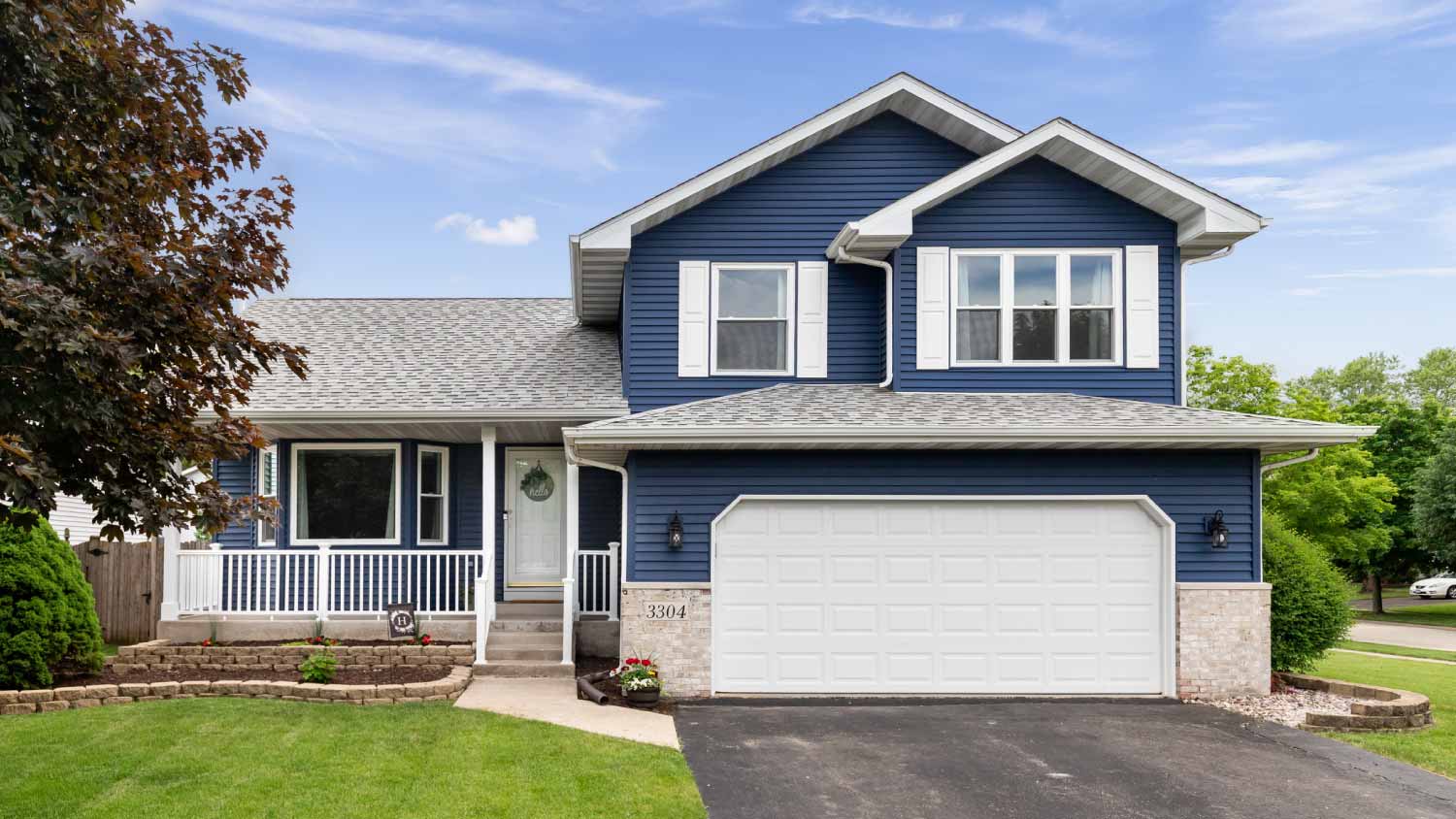
What does asbestos siding look like? Read on to learn what to look for, and what to do if your home has asbestos siding.

If you are wondering what asbestos pipe insulation looks like, you need to watch for a light gray wrap that resembles corrugated cardboard or paper.
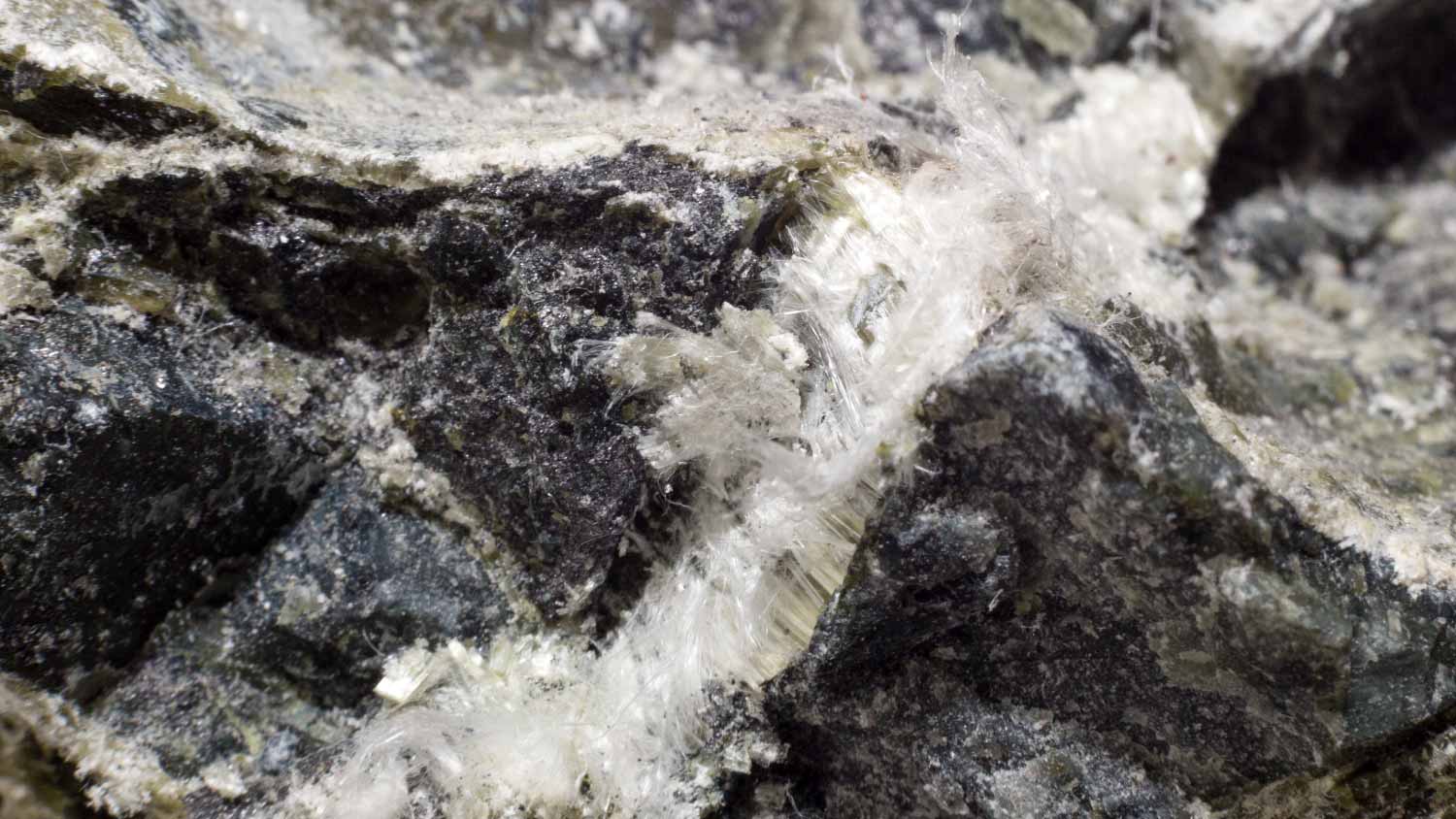
What is asbestos? It’s a naturally found mineral fiber used in home construction before the 1980s. Asbestos is carcinogenic when inhaled.
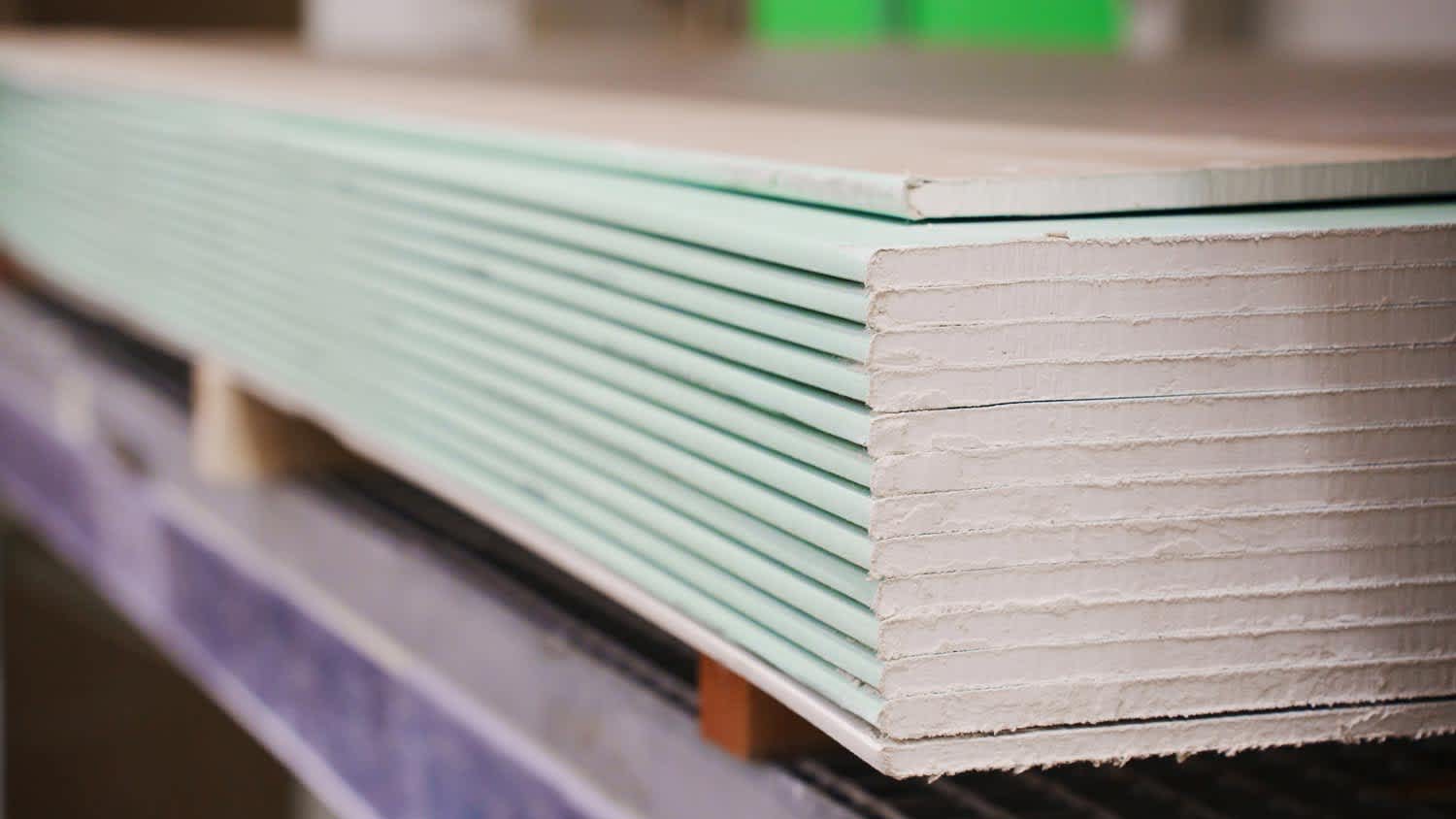
What does asbestos in drywall look like? You can’t see it without a microscope, but these common signs may mean asbestos is present.
If you believe you have black mastic asbestos in your home, do not disturb it. Reach out to a professional for help with testing and removal.