

Dogs overheat more quickly than humans. Follow these tips for how to keep a dog cool in the summer and comfortable when temperatures rise.
Get ahead of the soaring temps and beef up your home insulation


Insulation keeps heat out by creating a barrier between indoor and outdoor temperatures, helping your home stay cooler during summer and reducing your cooling costs.
Your home's insulation needs depend on your climate zone, with R-values ranging from R25 in warm regions to R49 in cold areas for proper cooling efficiency.
You can add insulation to your attic, walls, floors, and crawl spaces to help reduce heat transfer and improve your home's overall energy efficiency.
Hiring a local insulation company provides expert guidance on R-values and installation locations, ensuring your home stays comfortable year-round with proper coverage.
Insulation probably doesn’t top your home maintenance to-do list, but it really should; according to the Insulation Institute, 90% of U.S. homes don’t have enough insulation. Proper insulation cuts energy costs and helps keep cool air inside. So before the summer heat kicks in, work with an insulation contractor in your area to learn how much and what type of insulation you need. You’ll sweat less—and save money.
Insulation is essentially a barrier that cuts down on the amount of heat that comes in on warm days and restricts the heat from leaving on cold days. Maximizing a house’s insulation is a perennially popular home improvement project because it saves money on heating and cooling costs.
“Insulation is one expense that you can actually see a positive return on investment,” says Bob Tschudi, Angi Expert Review Board member and general contractor in Raleigh, NC. “Once you compare your heating and cooling bills before and after adding insulation, you will recover your investment rather quickly.”
The first place you probably envision insulation is in your attic (for good reason, a lot of heat exchange occurs there). But to cool your home efficiently, you can add insulation to your HVAC ducts, walls, ceilings, crawl space, and floors. Because heat likes to take over cool spaces, you need insulation solutions to fill air gaps throughout your house, regardless of the season.
Because every house is different, you’ll have to consider a few factors before deciding how much insulation you need. Although some small insulation projects have DIY potential, consulting with an insulation contractor to help you calculate the amount and type of insulation you need is the best option.
The first lesson about insulation installation is R-value, or resistance to heat flow. The higher the number, the better the product resists the heat. The R-value is usually listed on the packaging—for example, R38.
Different climates need different R-value insulation. So, it makes sense that homeowners in chilly Maine need higher R-value insulation than those in steamy Florida. If you’re adding insulation in your attic, these are the R-value recommendations for a selection of states from EnergyStar.gov.
Zone 1: South Florida (R25–R30)
Zone 2: South Arizona, South Texas, Florida (R25–R38)
Zone 3: California, Alabama, South Carolina (R25–R38)
Zone 4: Virginia, Kentucky (R38)
Zones 5–8: Alaska, Maine, Wyoming, Ohio (R38–R49)
You’ve already seen how multiple factors affect how much insulation best cools your home, but if you want a general idea and like doing a bit of math, here’s the formula you need to calculate the area and determine how much insulation you need. Once you know the area, you can buy supplies accordingly.
Measure the height and width of each wall, then multiply the two numbers together to find the area of each wall. After, subtract the area of the windows and doors from the total area of each wall.
Height x Width = Total Area
Total Area - Area of Doors and Windows = Wall Area
Use the length multiplied by width formula to calculate the area of the floors that need insulation.
Length x Width = Total Area

There are several types of insulation. Your best choice depends on how much access you have to the area that needs insulation and if you use more of the same material or add another type.
Fiberglass blanket batts and rolls are affordable and used between wall studs, attic rafters, and floor joists. New construction homes often use rolls because the builder can add them before the drywall goes up.
Spray foam insulation covers hard-to-reach areas and fills gaps.
Blown-in or loose-fill insulation is helpful if the drywall or siding is already up.
Rigid foam insulation panels work well for ceilings, floors, and unfinished walls.
Reflective insulation is helpful in reducing downward heat flow and is primarily used in barns, workshops, and garages.
Radiant barrier panels insulate attics and unfinished walls in hot climates.
New construction homes likely have sufficient insulation, but after 10 years, some kinds of insulation (like the pink rolls you’ve seen in home improvement stores) need replacing because they settle and allow more air to follow. After an inspection, a professional installer can help you decide how much and which insulation to add.
Most homeowners add more insulation to their attic space, but you could also benefit from adding insulation to the ceilings, walls, and floors.
Because batt and roll insulation is affordable and easy to install, many homeowners choose this type of insulation. According to Angi data, nearly 44% of homeowners report installing batt and roll insulation in their attics. Other common insulation locations include inside walls and ceilings.
Proper insulation is just one part of the overall system to keep your home cool. You can max out your house’s insulation load, but if there are other inefficiencies in the house, you won’t have enough cool air. An excellent way to find trouble spots is to schedule an energy audit with a local HVAC professional. They’ll look for:
Outdated and unmaintained air conditioning equipment
Wrong size equipment for the house load
Dirty coils
Disconnected registers (ducts damaged or just fallen)
Low refrigerant
Air leaks in the ducts
Faulty thermostat
Cracks and spaces around windows and doors
Gaps in between the ceilings and attic (from vents or lighting fixtures)
If you’re good people wanting to do business with good people, hire Matt. He is a consummate professional and utterly competent. He installed a water heater in my home at a price that beat competitors by hundreds of dollars with a promise to support the unit for its life (even after its 6 yr...
 Greene's Plumbing Services
I would recommend this company to anyone! He showed up on time, was friendly, completed a very difficult repair on our dryer vent cover, was responsive, and pricing was extremely fair and competitive. I would have him back to do any of our repairs or cleanings without hesitation!
 U.S.A. Dryer Vent, LLC
Best cleaning I've had at my property
I conferred with 2 other contractors before Armstrong Electric. Nick and his crew showed me that the project was not as convoluted as the other contractors made it appear to be. They completed the entire project on time. They were professional, friendly and cleaned up after at completion. I...
 ARMSTRONG ELECTRIC, LLC
Our exterior looks brand new thanks to Custom Paint Jobs LLC. Theyre the best in town!
 Custom Paint Jobs, LLC
Excellent experience with hiring Tether House to Mount our 77’ Samsung TV in our bedroom. Fast, friendly, and knowledgeable. Highly recommend.
 Tether House
The techs on my project, Shawn and Cliff, were great. They were prompt, courteous, and efficient. I am very happy with the results and would definitely contact Mr. Electric for any future electrical projects.
 Mr. Electric of Columbus
We had our houses windows and back door replace this summer by Window Depot USA of Central. He gave us grate advise and saved my family lots money. The team did a fantastic job with installation. If you need help, they sure get job done right!
 Window Depot USA of Central Ohio
Beginning with the estimate, Larry and Peyton were super helpful in getting my new condo's interior re-painted. Not only was the job well done, but also done in a super timely manner as promised.
 Five Star Painting of Plain City and Powell
Great job...edging and pre clean up went well with a great job with seal coat. Friendly, efficient and professional.
 All Star Paving and Sealing
From average costs to expert advice, get all the answers you need to get your job done.
Dogs overheat more quickly than humans. Follow these tips for how to keep a dog cool in the summer and comfortable when temperatures rise.
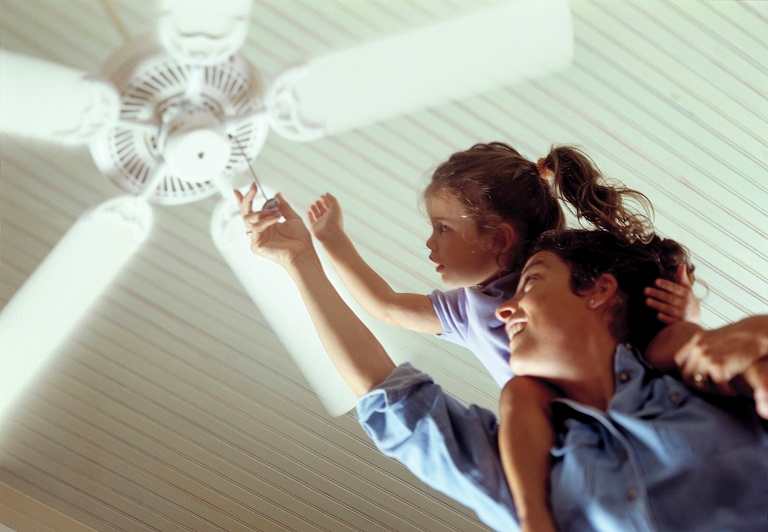
How do you keep your home’s second floor cool? Learn two-story house air conditioning tips that’ll keep you comfortable, whether you’re upstairs or down.
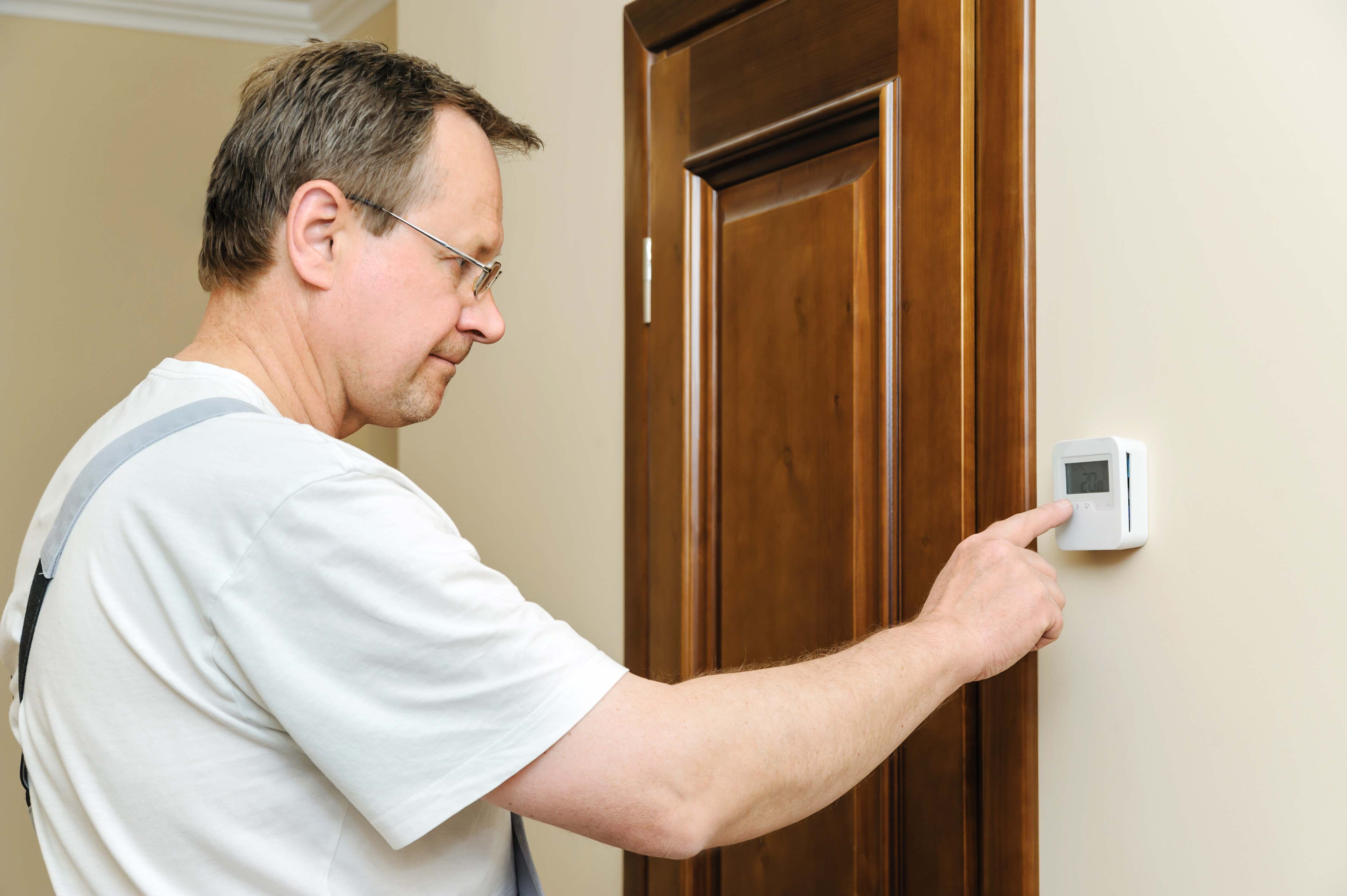
Learn how to save money on air conditioning costs this summer by following this handy guide all about your favorite cooling system.

Record-setting temperatures can negatively affect your home and yard. Learn 12 ways to protect your property during heat waves and drought conditions.

Find out whether a whole house fan is the best option to keep your home cool in humid climates. Plus, learn alternatives to help you maximize cooling power and energy savings.
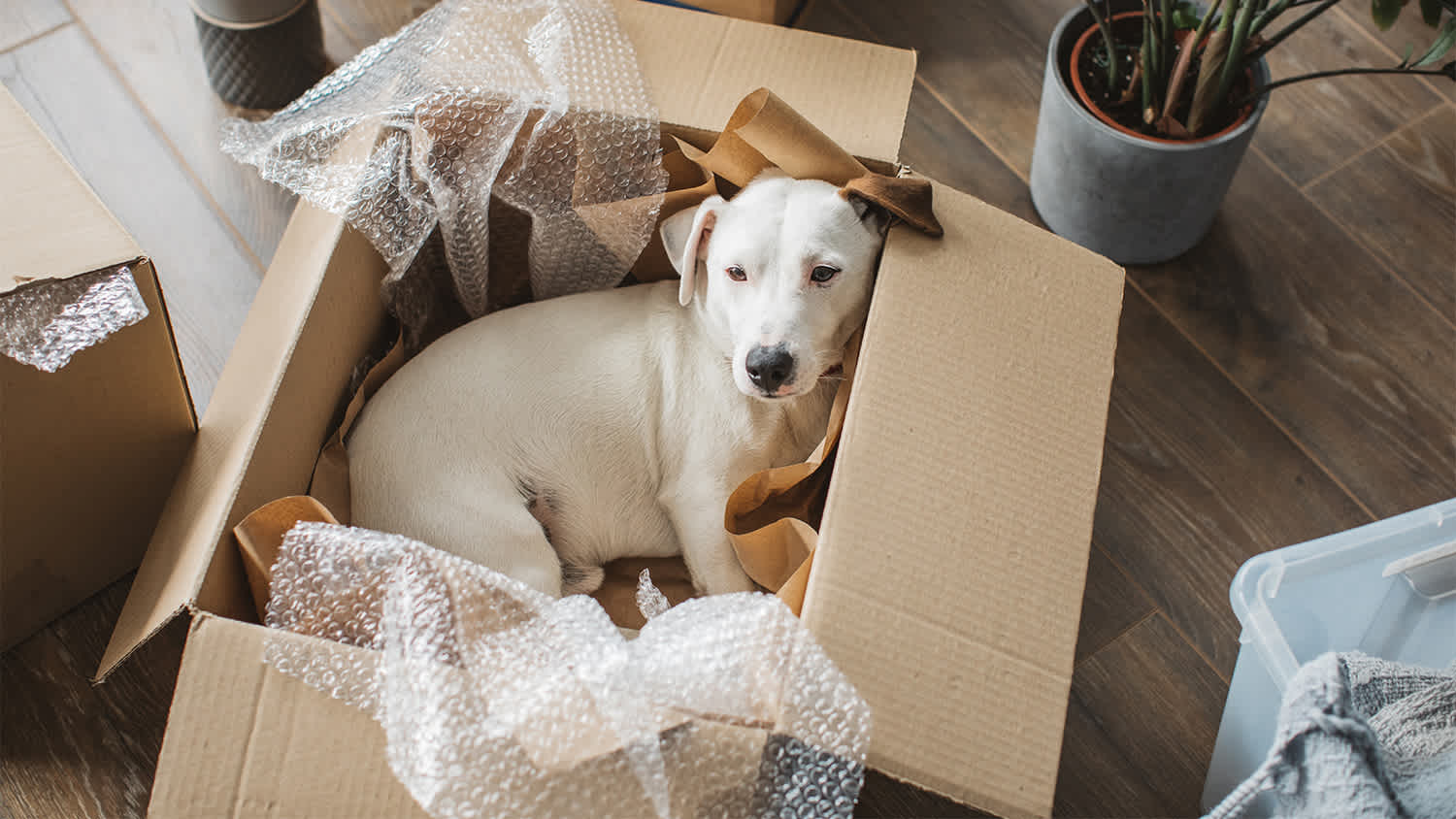
In all the chaos of relocating, remember to protect your most precious cargo. Follow these tips to help keep your pets safe during your move.