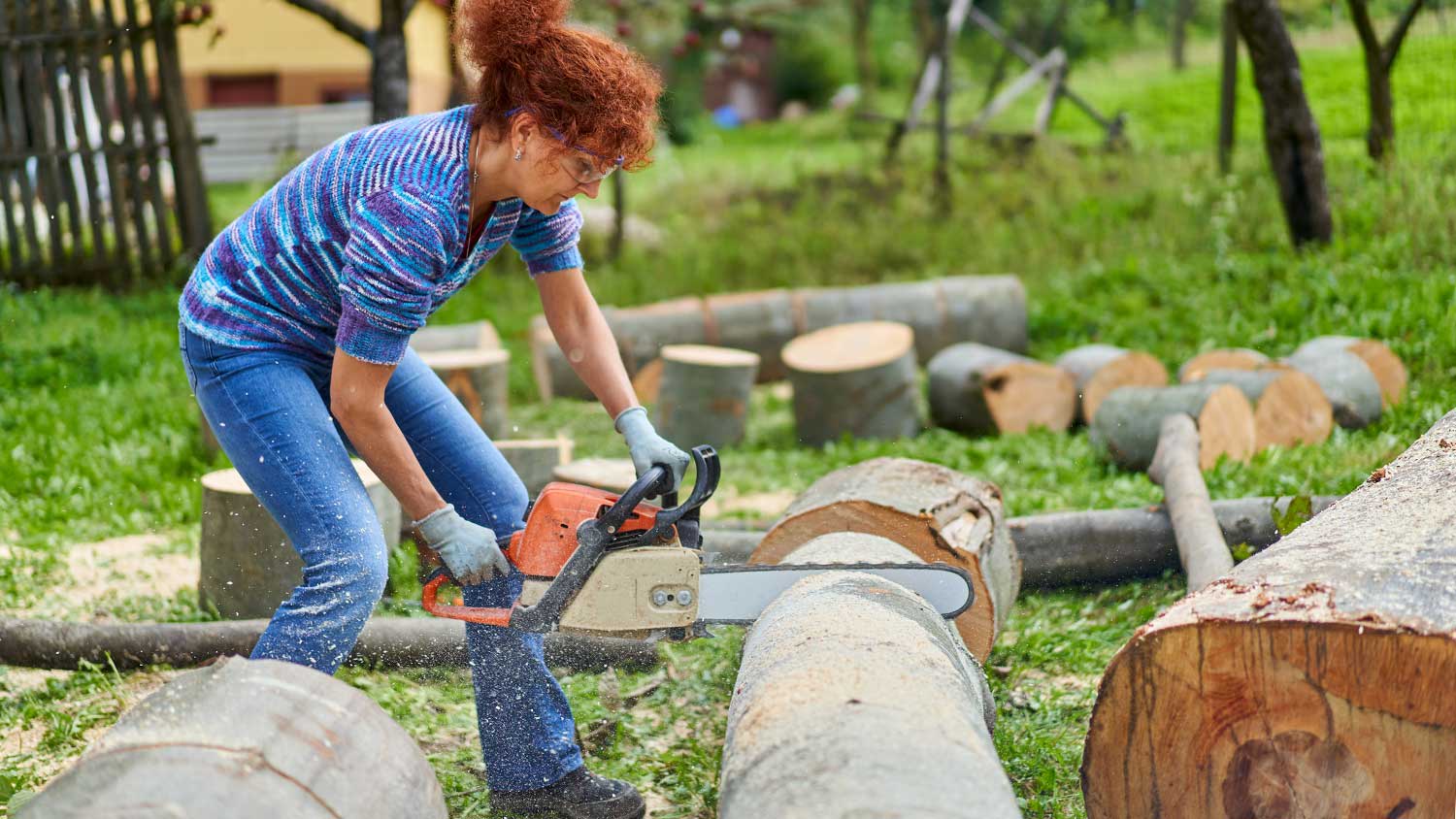
How much does it cost to rent a chainsaw? Whether it’s for cleaning up your yard or cutting firewood, learn what options are available and what you’ll pay.
Let your chainsaw work for you (and not the other way around)

Sharpening your chainsaw by hand requires the right tools, including a round file or file guide matched to your chain's diameter and a flat file for depth gauges.
Basic chainsaw sharpening supplies cost up to $25 for files and guides, making this an affordable DIY project when you maintain your equipment.
You'll get the best results when you secure your chainsaw in a bench vise, set proper chain tension, and file each tooth at a consistent angle with outward strokes.
Hiring a local tree maintenance professional keeps your equipment running smoothly with expert sharpening and helps you avoid the time and effort of learning proper filing techniques.
Whether you’re removing a pesky tree stump or cutting up firewood for a summer bonfire, a chainsaw is a useful tool to have in your shed. However, using a dull chainsaw is not only inefficient, but can be dangerous too. The good news? With this guide, the right tools, and some DIY skills, you can learn how to sharpen a chainsaw and keep your equipment running smoothly and efficiently.
First and foremost, it’s important to have a general idea of when it’s time to sharpen a chainsaw. It’s always best to have the chainsaw sharp and ready for use, rather than scrambling to sharpen it in a time of need. While there’s not a hard and fast rule, there will be a few key indicators that can help you determine if it’s time to sharpen the chain:
If the chainsaw is rarely used, sharpen it once a year in the spring for regular upkeep.
If you use the chainsaw more often, a general guideline is to sharpen the chain after every three hours of use.
If you notice dust is being emitted when cutting instead of wood chips, this indicates that the cutters are dull.
A noticeable change in quality when cutting or having to use more force when cutting than previously is another good indicator.
If the chainsaw pulls to one side or the other when cutting, it could be a sign of uneven cutting teeth or a dull chain.
If it has been stored in a moist or wet area, the chainsaw may not operate as effectively and need to be sharpened.
Keep in mind that if the blade is dull from normal wear-and-tear, this is likely a DIY project. However, if the blade has been damaged and nicked due to contact with rocks, dirt, or other foreign objects outside of wood, it’s best to have it evaluated by a professional or to purchase a replacement chain.
While there are different methods to complete this project, this step-by-step guide will walk you through how to sharpen a chainsaw using a file guide or round file with the blade still attached to the saw.
If you’re sharpening the chainsaw by hand, there are a few different files that you can use—a round file, file guide, flat file, and depth gauge guide. You can either purchase these tools separately, or look for a chainsaw sharpening kit to properly sharpen the blade. Before sharpening the chain, it’s helpful to understand the different uses for each tool.
Round file: A round file is used to sharpen the cutting edge of the saw blade. The round file’s diameter matches the diameter of the cutter. Some of the most common chainsaw diameters are 5/32, 3/16 and 7/32 inch, but you can find your specific measurement by checking the chainsaw’s owner’s manual or referring to the stamped chain identification number on the drive link.
File guide: The file guide can be used instead of a round file and is placed over each tooth of the chain with an angle guide to ensure the pitch is being filed evenly. Many prefer this option to the round file, as it takes the guesswork out of determining the proper angle. Most chainsaws follow the 30-degree marking, but check your owner’s manual to set it at the appropriate angle.
Flat file: The flat file is used to sharpen the depth of each tooth.
Depth gauge guide: The depth gauge is used in conjunction with the flat file and is set over each depth gauge (or raker) to check the height to guarantee they’re being filed down to the same depth measures each time.
Before sharpening the chainsaw, there are some preparations to make to ensure a safe and successful project. Remember to wear the appropriate safety gear, such as heavy duty work gloves and safety glasses, when you adjust the chainsaw blade and sharpen it.
Disconnect the power: If you’re sharpening an electric chainsaw, be sure to disconnect the unit from any power sources to avoid injury. If you’re sharpening a battery-powered chainsaw, disconnect the battery to prevent it from accidentally turning on. If it’s gas-powered, ensure the chainsaw isn’t running before you start working on it.
Clean the chainsaw: Remove any dust, debris, or oil from the chainsaw before beginning this project. Wipe down the housing and chain with an old rag and warm water, and use a wire brush to remove any sawdust from the teeth. If the tool is particularly soiled with oil or has built-up debris, you may need to use mineral spirits or compressed air to clean it properly.

The chain must be set to a specific tension to get the best performance from the tool. A chain that’s too loose can kickback or fall off the guide bar when you’re cutting. Wearing work gloves, ensure the chain is tight before sharpening, and test it by pulling the chain up from the guide bar just enough to see the tips of the teeth and allowing it to snap back into place.
If it snaps back into place with no slack, it’s properly tensioned. If there’s slack when you let go of the chain, it will need to be adjusted.
To set the tension, adjust the screw on the front or the side of the chainsaw. Turn the screw clockwise to increase the tension and counterclockwise to loosen the tension. If your chainsaw has nuts on the side, loosen them first before adjusting the tension and tighten them again once you have the proper tension. Test the chain to check if it snaps back into position once released before moving on to the next step.

Keeping the saw stabilized will help you to properly sharpen the chain. Place the chainsaw in a bench vise with the clamps securing the guide bar. Release the chain brake so you can rotate the chain freely while the clamps are attached.

To avoid double-sharpening the teeth, look for the shortest blade and mark it with a permanent marker to keep track of it while you’re sharpening. If your chainsaw’s teeth are the same length, you can start with any of the blades, but still mark the first tooth you choose to sharpen.
Using the file guide, file the first marked tooth from the inside towards the outside at a 30-degree angle, unless otherwise stated by your owner’s guide. Hold the file in your hands at a 90-degree angle, parallel to the ground. Remember, the file guide should always face away from the body of the saw to ensure you’re working in the proper direction.
Slide the tooth through the file guide, and only apply pressure on the stroke pushing outwards, not inwards, to avoid ruining the sharp edge.
File each tooth five or six times, or until the face of the cutting edge is shiny silver.
Moving In the same direction, file every other tooth until you’ve reached the marked tooth. Use the same number of strokes each time to maintain consistency.
If you’re using a round file, you will need to manually position the file at a 30-degree angle (unless otherwise noted), and place the file into the notch of the tooth. Applying pressure on the outwards direction, stroke the file five or six times, or until the cutting edge is shiny silver. File every other tooth the same amount of times, working in the same direction until you reach the first tooth. Be sure to knock shavings off of the file regularly as you work along the saw chain.
Once the first side of the chain has been sharpened, reverse the saw in the bench vise and begin working in the other direction using either the file guide or the round file. Keep filing every other tooth outwards, applying pressure only on the push stroke. Remember to maintain the same amount of strokes along each tooth.

To properly sharpen a chainsaw blade, it’s important to also check the depth gauge, sometimes referred to as the raker. The depth gauge controls how deep the chainsaw blade cuts into the wood. You likely won’t need to file the depth gauges every time you sharpen the chainsaw.
To check if it’s time to file the depth gauges, place the depth gauge tool over the chain so the rakers are exposed. If the raker is higher than the top of the depth gauge tool, you will need to file it down with the flat file. Using the same motion as you did with the file guide (applying pressure only on the outwards stroke), file each raker until it sits level with the depth gauge jig. If the file shakes or pulses as you file, switch sides of the chainsaw and file in the other direction. Once you complete this step, you should be left with a sharp chain that’s ready to take on your next woodworking project.
This service was great. My air conditioner went out during the heat spell that we had. My husband has health issues and they came out that night and at 9:30pm the air conditioner was fixed and running. We are sooo very thankful, this is the company I will be using from now on and would...
 Mr. Mechanical Ohio
One of my old tall evergreen trees was suddenly leaning toward the busy street in front of my house. I submitted a request for an emergency tree inspection, and Alejandro, owner of Cajete Tree Service, contacted me immediately and arrived to look at it just 20 minutes later. We agreed the...
 Cajete Tree Service LLC
1 tree was cut down and 5 others including a large willow tree were trimmed. The Grant Tree Service men were professional and cleaned up afterwards. The cost of the 6 trees were affordable. I am very happy with the results. I would hire them again.
 Grants Tree Service
D1 Roofing delivers outstanding service from beginning to end, backed by a strong warranty and expert teams. I highly recommend them for their excellence in meeting and surpassing expectations with unmatched communication. Choosing D1 Roofing was flawless decision
 Division 1 Roofing LLC
Promptly arrived for quoting! Demonstrated superb customer service, affordable pricing, and completed service swiftly! Looking forward to the spring for our service!
 All Star Paving and Sealing
Seth was very professional, prompt in responding to queries about the work required , gave sincere advice as to what would be best for tree trimming and did the job timely.
Ace Fireplace Services' chimney sweep service is truly exceptional. They used advanced technology to ensure a thorough cleaning process, and my chimney has never looked better. I highly recommend their services.
 Ace Fireplace Services
I definitely recommend Ramonaâ s cleaning service! I have booked services with her many times and she arrives on time, ready to work and provides a great service.
 Your Cleaning Solutions LLC
Webb â s was priced well, flexible on scheduling, great with communication, and detailed in their work. Iâ ll definitely use their services again.
 Webbs Pressure and Paint LLC
Great tree company, very professional and honest. Glad we found them, they had the best pricing
From average costs to expert advice, get all the answers you need to get your job done.
How much does it cost to rent a chainsaw? Whether it’s for cleaning up your yard or cutting firewood, learn what options are available and what you’ll pay.
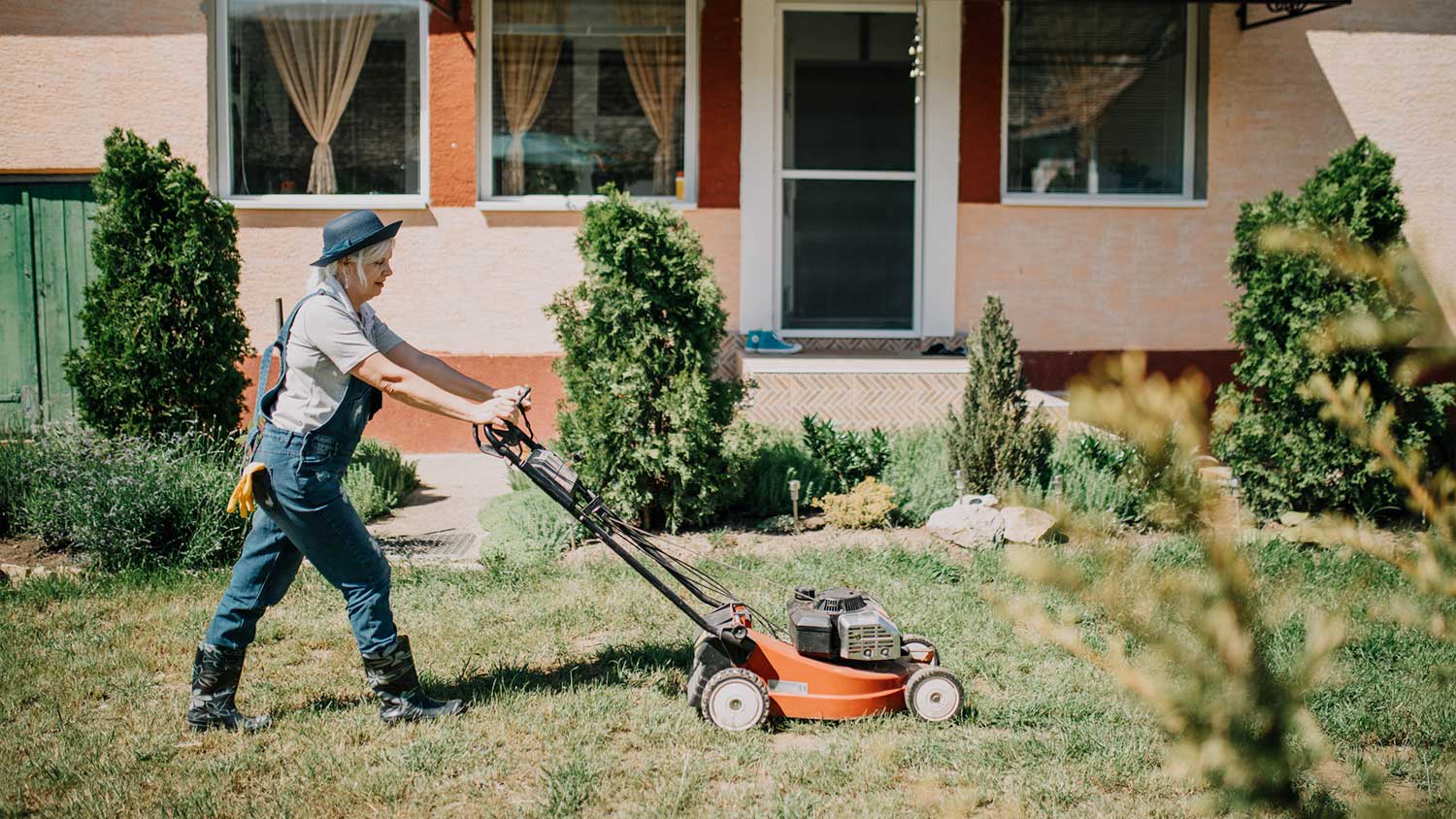
You’ll want to sharpen your lawn mower blades at least twice a season. Our step-by-step guide will show you the best ways to sharpen your lawn mower blades.
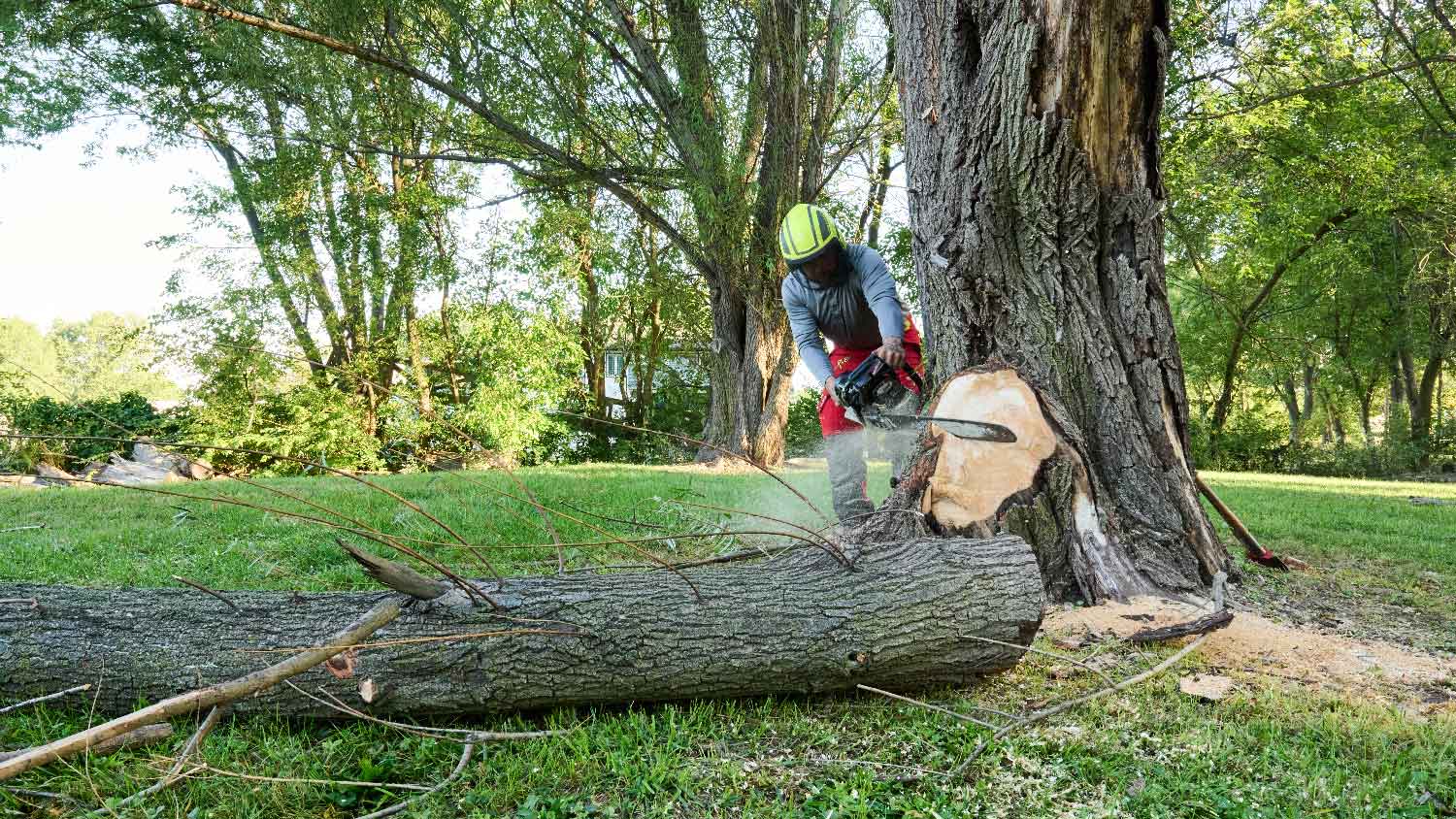
Tree stumps can take up to 10 years to rot naturally. Need to get rid of yours now? Here’s how to remove a stump with a chainsaw.
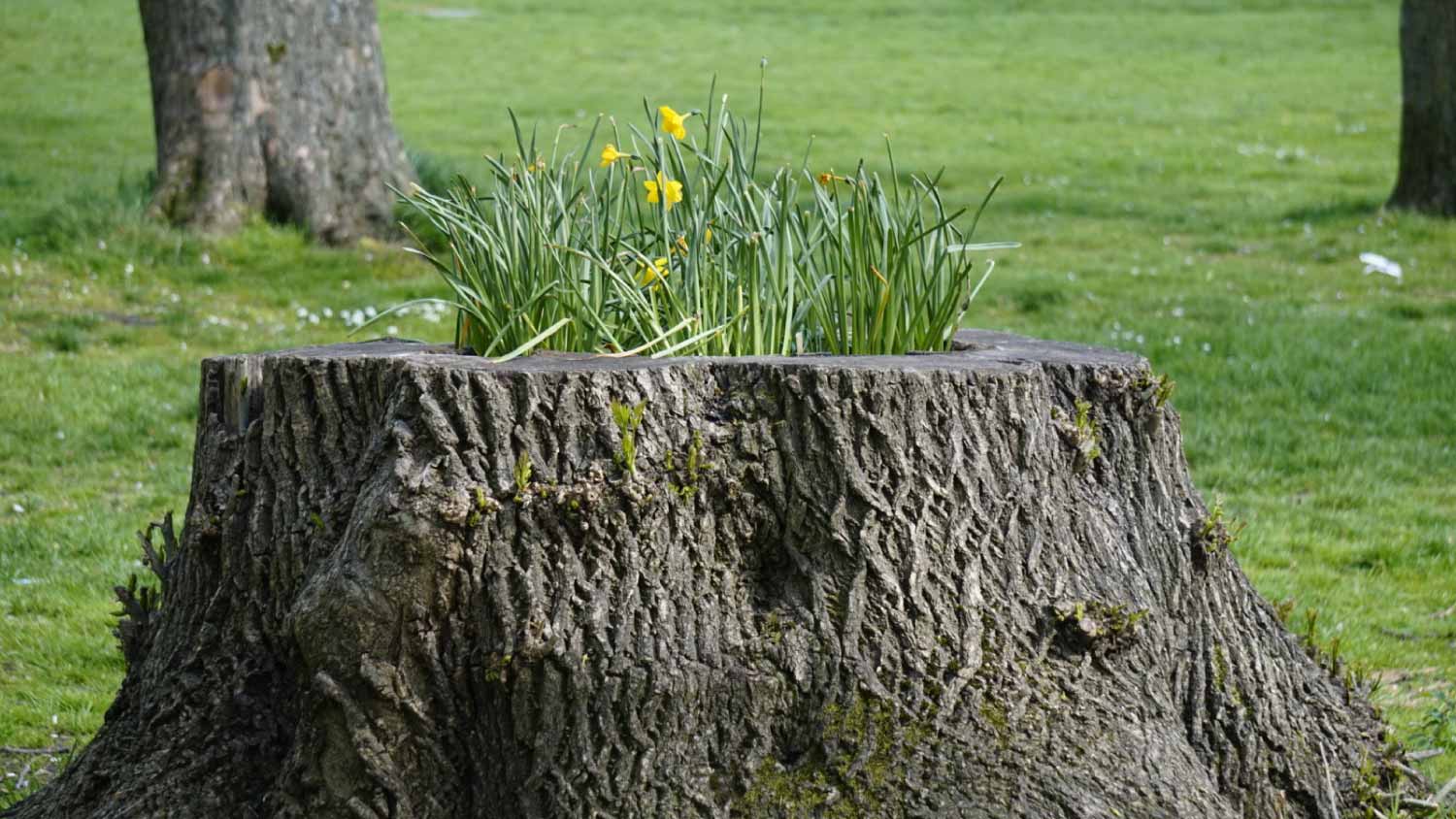
Tree stumps can be unsightly trip hazards, but they can also have a new life. Learn how to hollow out a tree stump to repurpose it into a planter.

The more you garden, the duller your tools will get. Sometimes, you need a refresher. This guide will show you how to sharpen your garden tools in a few simple steps.
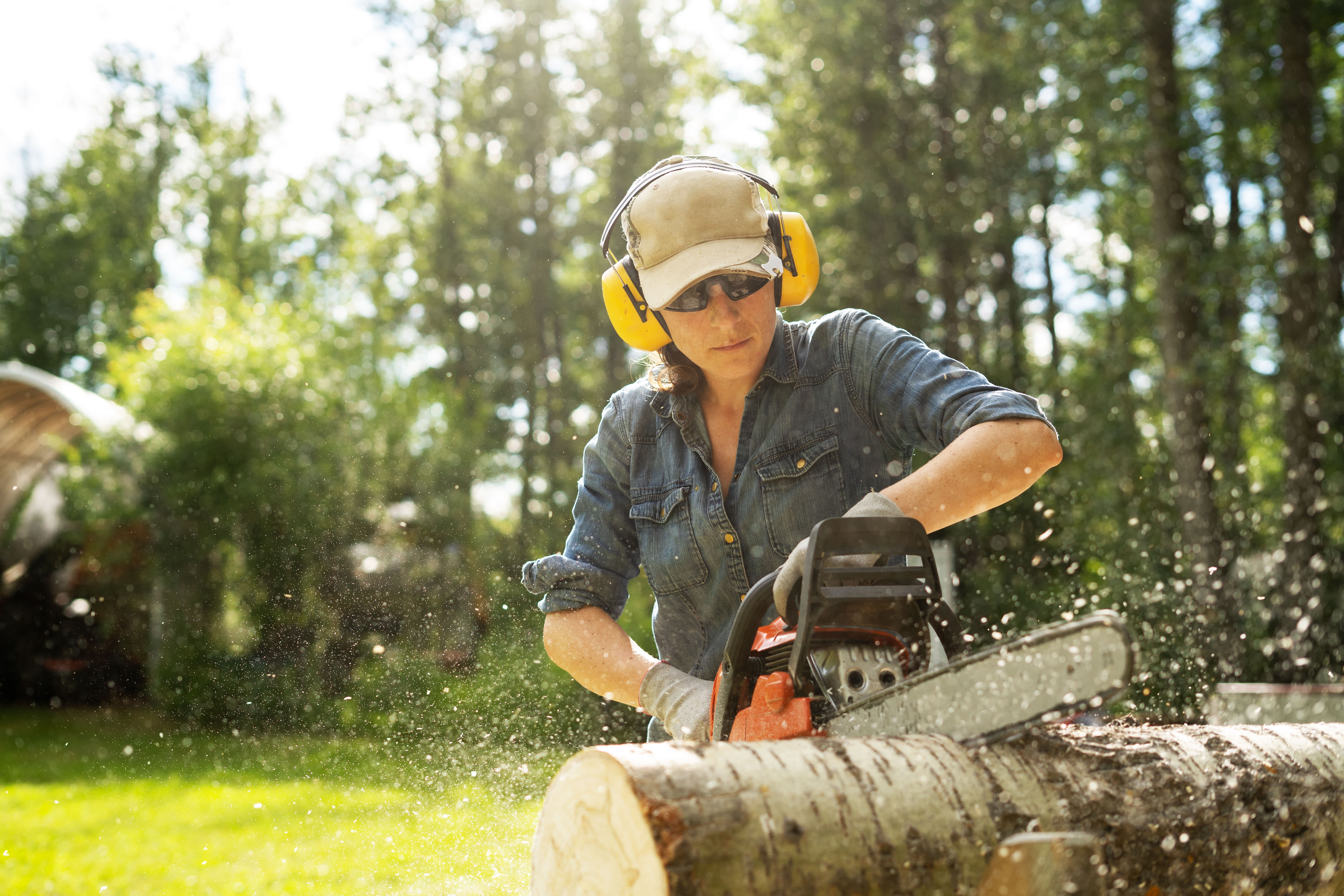
Using a chainsaw is dangerous work, so safety is essential. Here are the most important chainsaw safety tips to avoid injury.