
The cost to install wainscoting depends on labor, materials, and square footage. This guide will help you budget for your next project.
A math lesson you’ll actually use

Accurate square footage measurements depend on multiplying the length and width of your space, then adjusting for any recesses or protrusions to get the total area.
Your tape measure and basic math are all you need for this project, with total costs under $25 for a quality measuring tape if you don't already have one.
You can tackle circular spaces, trapezoids, and rectangular borders by using specific formulas that account for radius, parallel sides, or border width measurements in your calculations.
Hiring a local land surveying professional provides precise measurements for complex layouts or large properties, especially when you need accurate documentation for permits or construction projects.
Calculating square footage is a fundamental skill to have when you’re tackling home projects. Investing a little time into taking precise measurements beforehand can save you time in the long run, and can eliminate unnecessary expenses and trips to the store. Read on to learn how to figure out the square footage of a space to get accurate estimates and measurements.
Difficulty: Easy (⅕)
Learning how to calculate the square footage of a given area is an important skill to have in your DIY tool belt, and has a simple learning curve.
Total Project Time: Under 30 minutes
Calculating square footage is a handy skill that doesn’t require a lot of time.
Cost: $25 or less
All you need to figure out the square footage of a space is a tape measure. However, the price can increase if you need to purchase a longer or higher quality measuring tape.
Pencil
Scrap paper
Tape measure
Use this guide to figure out how to calculate the square footage of any space, even if there are odd shapes, protrusions, or recesses in the area.

If possible, clear the room of furniture or obstructions that would get in the way when measuring.
Then, identify the length and the width of the room in feet. Look for the longest side of the room to get the length, and the side perpendicular to the length will be the width.
Place the end of the tape measure in the corner of the length side of the room, and extend it to the other end, ensuring its level and pulled tautly. For more tips and tricks, check out this guide to learn how to properly read a tape measure to get an accurate measurement.
Jot down the measurement on a scrap piece of paper.
Using the same corner, extend the tape measure along the width of the wall, and record the measurement.

Once you have the measurements of the length and width of the room, you can calculate the square footage using the formula, (L x W = A).
To find the square footage, multiply the length and multiply the width together to the closest whole foot. For example, a room with the dimensions 12 feet long by 5 feet wide would be (12 ft X 5 ft = 60 ft2).
Note: Remember, you can use this area formula to yield square feet, square inches, or square meters depending on the measuring units you’re using.

For measuring, it’s ideal to have a room that is a simple square or rectangle shape. However, that’s often not the case. Look for any odd dimensions or obstructions within the space to get the total square footage. This is especially important if you’re calculating to purchase material, so you don’t over or under-purchase.
Isolate a recessed area in the space, and measure the length and width of the section.
Plug these dimensions into the (L x W = A) formula.
Add this measurement to the original total to get the final measurement. For example, here’s how you would calculate an alcove that is 3 feet long by 2 feet wide from the original dimensions: (3 ft x 2ft = 6 ft2). Then, add this value to the original section: (60 ft2 + 6 ft2 = 66 ft2). This will give you the entire square footage of the space.
Conversely, if you have a protruding area in the space that you don’t need to include in the final measurements, repeat these steps but subtract the dimensions from the original total instead.

Check out some other useful formulas and tips when calculating the square footage of spaces that aren’t shaped like a square or rectangle.

Follow these steps to find the square footage area of a circle-shaped space in your home:
Measure the diameter (the line that passes through the center of the circle from end-to-end) of the circle in feet.
Divide the diameter by 2 to find the radius.
Square the radius (multiply it by itself).
Multiple the total value of the radius squared by pi (π = 3.14159265).
Here’s the formula so you can easily plug in the variables: sq. ft. = πr2

It’s helpful to know the formula for measuring the square footage of an area with a border if you’re transitioning between flooring or measuring for carpet.
Start by measuring the inner area in feet using this formula: (L (ft) x W (ft) = Inner Area (ft2)) equation.
Then, measure the width of the border.
Find the total area plugging in the dimensions using this formula: ((Length + (2 x Border Width)) x (Width + (2 x Border Width)).
Lastly, plug the two values into this formula: Total Area (ft2) - Inner Area (ft2) = Area (ft2)

Learn how to figure out square footage area of a trapezoidal area following these steps:
Identify the four sides of the trapezoidal area.
Find the length of the two parallel sides in feet, and add them together.
Find the length of the height in feet by measuring the distance between the two parallel sides.
Plug in the dimensions to this formula: Square footage area = ½ (Side A + Side B) x height.
Remember to account for waste when you calculate square footage if you’re planning on ordering materials after you figure out the measurements. A general guideline is to order 5 to 10% more than the total square footage. The cost of materials may increase, but it’s better to have a cushion to save you from having to rush back out to the store if there’s an accident during the project. Moreover, items that come in batches, such as flooring or roofing, may have slight differences from the manufacturing process, so it’s better to have enough material the first time so you don’t run into variations between lot colors and patterns.
Whenever you calculate the area of a given space, you must always use the same unit of measurement (for example, meters and centimeters vs. feet and inches). Remember to always convert metric to imperial, or vice versa, so the units are cohesive when you’re plugging the dimensions into the square footage formula. Here are some common conversion factors if you’re using different units when measuring:
Square feet to square meters: ft2 x 0.092903 = m2
Square feet to square yards: ft2 x 0.11111 = yd2
Square meters to square feet: m2 x 10.7639 = ft2
Square meters to square yards: m2 x 1.19599 = y2
Square yards to square feet: y2 x 9 = ft2
Square yards to square meters: y2 x 0.836127 = m2
If you’re measuring a large space or an area with a complicated layout, it can be helpful to break it into smaller sections or quadrants, then add them together to get the total square footage.
When estimating the cost of materials, multiply the total square footage of the space by the indicated price per square foot of the material.
If your project requires taking measurements of the walls in the space, such as painting a room or hanging wallpaper, here’s how to get the total area:
Start by measuring the length of the entire wall using a measuring tape
Determine the height from the floor to the ceiling
Plug in these dimensions to the standard area formula, (L x W = A)
Calculate the area of any doors and windows in the space, then subtract them from the calculated area to get the total
1st Choice Renew is simply the best! We hired them for a complete home renovation, and they transformed our space into something truly amazing. The team attention to detail and commitment to quality were evident throughout the project. They were easy to work with, very responsive, and always...
 Save A Dime
Exquisite workmanship from Custom Paint Jobs LLC. My home has never looked better.
 Custom Paint Jobs, LLC
We needed windows in our home, and we couldnt believe we got our entire home done for under $14,000. We have a lot of windows, and not only was it affordable, but it got done in a timely manner! Thanks guys, I truly appreciate you all!
 Window Depot USA of Central Ohio
Chris has been completing paint projects for me on flips, rentals, and even my personal home over the last 5 years. He always does an exceptional job, and is always responsive and easy to get ahold of. Great work, great communication. Iâ d definitely recommend him!
 Y City
Working with Mike on our first home purchase was an absolute pleasure. Mike put us at ease and made the process of buying a home fun. Mike is knowledgeable, honest, professional, and punctual. He worked with our busy schedule and always made time for us. When a home came on the market that...
 Michael Marshall - Buyer's Resource Realty Svcs.
Clint was and is very Professional and takes pride in this company and his work. Definitely recommended him to everyone in my hi-rise building. Excellent proposal and no hidden charges or surprises. Don't find that in today's world.
 Footprints Floors of Columbus
From average costs to expert advice, get all the answers you need to get your job done.
The cost to install wainscoting depends on labor, materials, and square footage. This guide will help you budget for your next project.
Meta Description: This will help you calculate roof square footage so you can order enough roofing material to complete the project.
Prepping for a DIY wallpaper project? One of your first tasks is learning how to measure for wallpaper. Here's how to calculate how much wallpaper you’ll need.
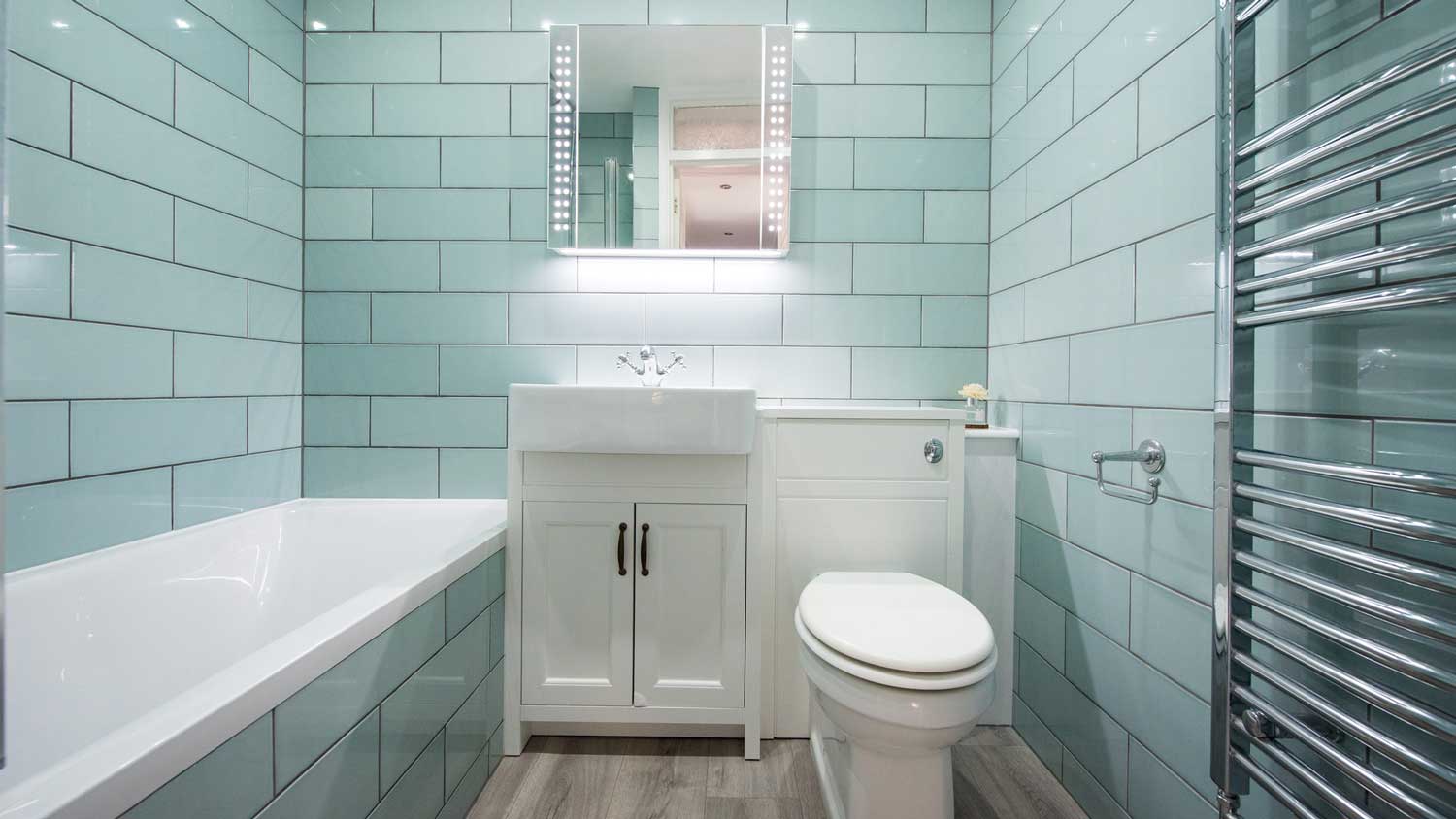
When figuring out how much tile to order, you should calculate square feet as accurately as possible. We’ll show you how in this handy DIY guide.
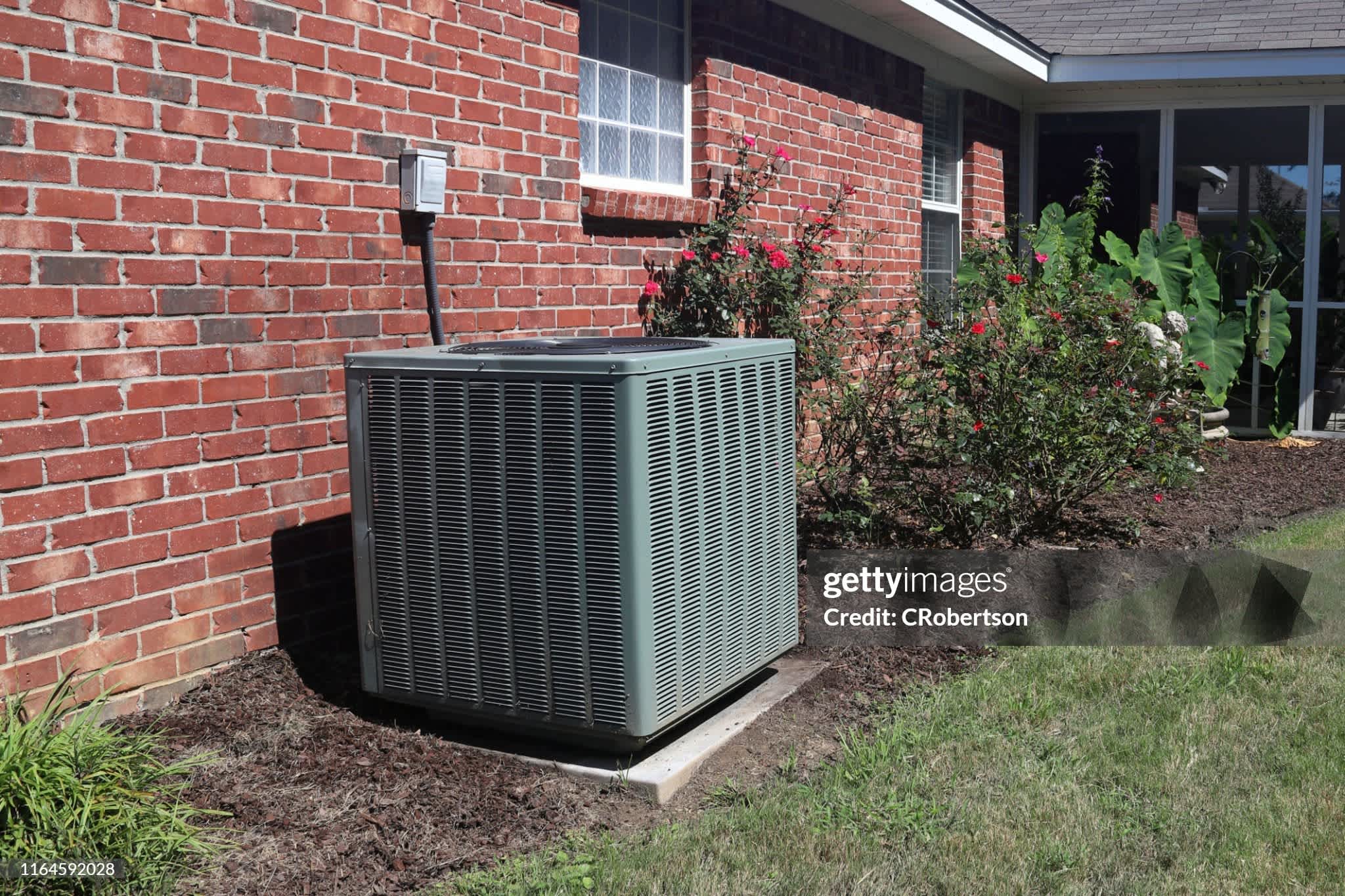
This calculator helps you estimate how many BTUs you need for your heating and cooling, based on the size of your space, climate, and insulation.

Looking for a new mini-split air conditioning system? Use this guide to mini-split sizes to see how many BTUs you’ll need to heat or cool your home.