

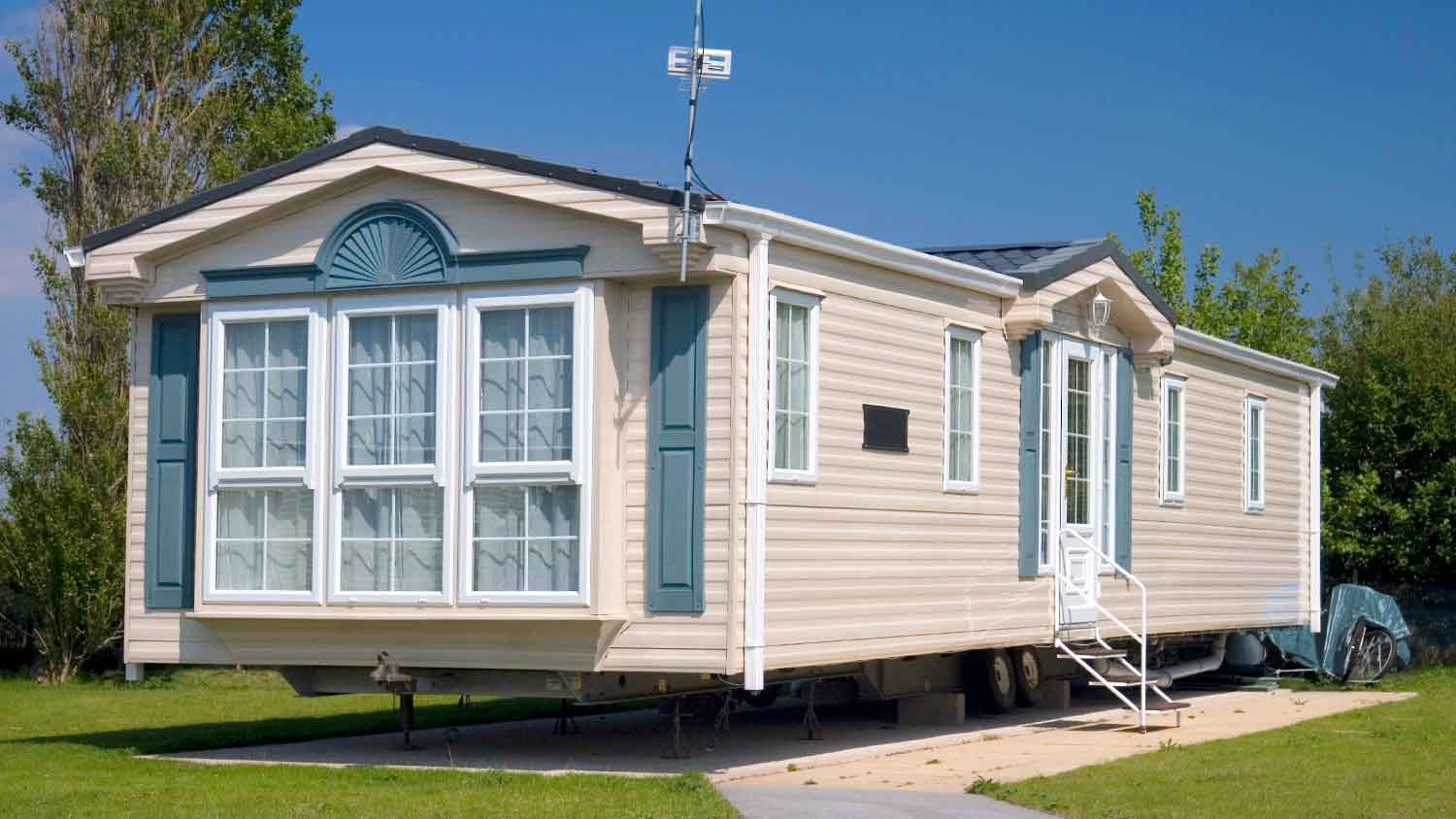
The cost to re-level your mobile home depends on your home’s location, size, and whether it needs extra support. Read more about the cost of leveling your mobile home.
Siding service costs depend on your project and location. Check with a local pro for your specific job.

Mobile home skirting panels cost $1,500 to $5,000, and your single-wide home needs about 150 linear feet of material.
Labor makes up 60% of your mobile home skirting budget, and homes on slopes need custom-cut panels to fit the terrain.
You should budget $200 to $500 for old skirting removal, plus access doors, foundation vents, and corner pieces.
Hiring a local siding professional ensures your mobile home skirting is anchored securely and protects plumbing from freezing temperatures and pests.
In 2026, the national average cost of mobile home skirting installation is $2,400, with most homeowners paying between $1,500 and $5,000, depending on the material chosen and the size of the home. You should budget $200 to $500 for old skirting removal, plus additional costs for access doors, foundation vents, and corner pieces. Beyond curb appeal, skirting is essential for protecting the structure, vents, ducts, and wiring beneath your home while keeping pests out.
Several key factors determine what you'll pay for mobile home skirting installation, from the size of your home and the material you choose to labor, location, and whether old skirting needs to come down first.
Skirting panel costs run $6 to $8 per linear foot, so your home's perimeter is the primary driver of material costs. A typical single-wide mobile home requires about 150 linear feet of panels, which puts the panel cost alone at $900 to $1,200.
Costs vary by linear footage, as the table below shows:
| Linear Feet | Average Cost for Panels in 2026 |
|---|---|
| 100 | $600–$800 |
| 150 | $900–$1,200 |
| 200 | $1,200–$1,600 |
| 250 | $1,500–$2,000 |
| 300 | $1,800–$2,400 |
Mobile home skirting installers near you typically charge $60 to $125 per hour, not including materials, and most jobs are completed within a single day. Labor is the single largest cost factor for mobile home skirting, making up 60% of the average budget.
Where your home sits can affect the total project cost, since a home on a slope requires custom-cut skirting panels to match the terrain, adding to both material and labor time.
Replacing existing skirting means budgeting an additional $200 to $500 for removal labor, with heavier materials like concrete or metal pushing that figure higher. If you're comfortable with the work, handling removal yourself can trim costs, though you may need to purchase tools such as a nail remover, pry bar, and tin snips. Use caution around old skirting with sharp edges.

Mobile home skirting is available in a wide range of materials, and price differences average between $630 and $4,000 for a single-wide home. Your choice will depend on your budget, local climate, and the look you want to achieve. The pro you hire can help you weigh the options, and costs range significantly by material, as the following table shows:
| Skirting Material | Average Total Cost for a Single-Wide Home in 2026 | Average Total Cost for a Double-Wide Home in 2026 |
|---|---|---|
| Vinyl | $630–$1,090 | $1,100–$1,550 |
| Faux stone | $660–$1,000 | $920–$1,350 |
| Faux brick | $800–$1,500 | $1,200–$1,980 |
| Brick or concrete block | $700–$1,000 | $1,400–$2,000 |
| Timber | $1,500–$2,000 | $3,000–$4,000 |
| Insulated vinyl | $1,440–$4,000 | $1,760–$4,480 |
Vinyl is the most popular mobile home skirting material because it's affordable and works well in most climates, with installation running $630 to $1,090 for a single-wide home or $1,100 to $1,550 for a double-wide. Keep in mind that vinyl has a basic appearance, is not stormproof, and tends to fade and wear with age.
Faux stone skirting is made from polyurethane panels designed to mimic natural stone, and it costs $660 to $1,000 for a single-wide home or $920 to $1,350 for a double-wide. Like vinyl, these panels are not stormproof, so they may not be the best fit for areas prone to high winds or severe weather.
Faux brick is a factory-made skirting option that replicates the look of real brick at a lower price point, costing $800 to $1,500 for a single-wide home and $1,200 to $1,980 for a double-wide.
Real brick and concrete block are the most durable skirting options, standing up better to wear and tear than faux alternatives, with installation costing $700 to $1,000 for a single-wide home or $1,400 to $2,000 for a double-wide. Because masonry work requires specialized skills, you'll need to hire a masonry contractor near you rather than a standard siding installer.
Timber skirting is available in pressure-treated pine or composite wood, with composite lasting longer and requiring less upkeep, and costs run $1,500 to $2,000 for a single-wide home or $3,000 to $4,000 for a double-wide.
Insulated vinyl skirting costs $1,440 to $4,000 for a single-wide home or $1,760 to $4,480 for a double-wide, making it the priciest material option, but one with a clear functional payoff in colder climates. This skirting adds a protective layer that helps keep under-home plumbing from freezing in cold weather, potentially saving you the cost of replumbing down the road.
Hiring a siding contractor near you is a smart investment in your mobile home's appearance and protection. Professionals bring the right tools, experience, and attention to detail to ensure your skirting is installed securely. They understand how to work with different materials and ground conditions, creating a finish that not only enhances curb appeal but also helps protect your home from the elements.
Beyond the craftsmanship, a contractor can complete the job safely and efficiently, saving you time and effort while giving you confidence that your home's foundation is well cared for.
Mobile home skirting installation can be a complex project, so here's why you should hire an expert:
A pro uses quality materials and correct installation techniques that help skirting last longer.
Siding pros ensure panels are level, secure, and cut precisely for a professional, seamless look.
Siding contractors seal gaps and anchor panels properly to keep out critters and withstand wind.
Pros know how to work safely around support piers, tie-downs, and plumbing.
Siding pros handle removal of old skirting and leave the area tidy when finished.
Professional installation often includes a labor warranty and keeps the material warranty valid.
If you want to participate in the process, focus on smaller tasks, such as the following:
Remove any debris, furniture, or plants around the base of the home
Check to see if any pipes, vents, or wires are blocking access
Level the ground by raking near where skirting panels will go
Remove old panels and dispose of them properly
When budgeting for mobile home skirting, it's worth accounting for a few common add-ons that range from $7 to $85.
Add-ons can include related projects that installers can often complete at the same time:
Access doors for the under-home egress: $50–$85
Foundation vents to prevent moisture buildup: $7–$25 each
Prefabricated brick corner finishing pieces: $15 each
You can also have your contractor complete related projects at the same time. Bundling projects may save you money on labor.
Build a deck or porch on your mobile home: $30–$60 per square foot
Paint your vinyl siding to help your new skirting stand out: $620–$875
If you're on a budget and are looking for ways to save on the cost of mobile home skirting, don't cut corners when it comes to quality. Instead, look for discounts on materials from reputable suppliers.
Here are some other ways you can save on mobile home skirting without sacrificing quality:
Choose Durable Materials: Vinyl and metal may cost more upfront, but they'll last longer, saving you replacement or repair costs.
Mix and Match Materials: If you want a more polished look, you can use higher-end materials on the front or visible sides and opt for more budget-friendly materials elsewhere.
Reuse Existing Framing: If you're updating or replacing old skirting, ask the installer if you can reuse the existing frame to reduce the amount of new materials.
Install Skirting Insulation Yourself: If you're in a colder region, skirting insulation improves energy efficiency. You can buy and add the insulation yourself to save on some labor costs.
Be ready to discuss with a pro which material—vinyl, metal, or insulated—will fit your budget.
While a professional siding contractor can help you determine the exact measurements, you should come prepared with an estimate of the size of your home and where paneling will be installed.
Be prepared to talk with a siding expert about warranties material guarantees.
Home is the most important place on earth, which is why Angi has helped more than 150 million homeowners transform their houses into homes they adore. To help homeowners with their next project, Angi provides readers with the most accurate cost data and upholds strict editorial standards. We extensively research project costs to develop the pricing data you see, so you can make the best decisions for you and your home. We rely on reputable sources, including the U.S. Bureau of Labor Statistics, academic journals, market studies, and interviews with industry experts—all to ensure our prices reflect real-world projects.
Want to help us improve our cost data? Send us a recent project quote to [email protected]. Quotes and personal information will not be shared publicly.
The guys at PaveWay are top notch. From the estimate to the job being completed,all was done in a timely and professional manner. I myself was a DOT Engineer Inspector(know what to look for) and got to talking with Cameron and he himself was a Contract inspector for a few years,same job as...
 All Star Paving and Sealing
I highly recommend KTM construction! I will look no where else for anything that needs to be done, in or out side of our property. The level of craftsmanship is 5 star service across the board! The level of detail, knowledge and professionalism is 5 star service across the board! Ken is a...
 KTM Construction, LLC
I purchased the "Big Deal": $199.00 for exterior pressure-washing of one- or two-story home up to 2,000 square feet. They cleaned the siding only. I wasn't aware when I bought the Big Deal that they would not do any other surfaces other than the siding (i.e. sides of the gutters or stucco). I...
 Complete Home Services
This brownstone is historical and the carpentry work is very detailed. I was very happy to secure a company in NY and living in OH to complete the request. Wood work on this brownstone has been existing since approximately 1888 and West side did a GREAT JOB. I will not be able to...
 Westside Home Improvement
Nice group of workers, very friendly. Day 1 covered everything before starting, seemed very organized. Things seemed to be going great. Day 2 they didn't show up until around 10:00a.m. and work crew was cut in half, was told they had another job. Day 3 they didn't show up until around...
 CertaPro Painters of Columbus
The work went great! Couldn't ask for better. Joel set a work start date. About the time of the storms that may have been associated with Sandy. He was half a day late. They set up on a Thursday. On Friday they had a full crew at work. By Monday they were finishing up. Now, the best...
 NJW Construction
A few months ago, a tree branch fell across my car, leaving a series of dents across the hood and driver's side fender. I took it to Rife's after reading the Angie's List reviews. Rife's did a great job! My car looks like new. And they made the process as easy as possible. When I came in...
 Rife's Autobody Inc
I received an email from Angie's List offering Car Detailing 4 U's services for $99. Coming from Angie's List, I expected this to be a highly dependable and qualified company that was known for doing exceptional work. I set the appointment for them to come to my home. They were arrive at...
We first had Mark fix the back patio and liked his work so much we had him make a brick patio on the side of the house. When we decided to change our concrete walkway to brick, we wanted Mark to do the job because his prices were fair and he did such good work on t he other two projects.
 Mark Monnette Masonry
I was very pleased with the cost and end result. I truly expected this job to cost me 50% more than it did. When you factor quality and cost, I would highly recommend Mark's services and plan to use him in the future. The best part was, I asked Mark to match the paint color in one section...
 Fresh Touch Custom Painting Inc.
From average costs to expert advice, get all the answers you need to get your job done.
The cost to re-level your mobile home depends on your home’s location, size, and whether it needs extra support. Read more about the cost of leveling your mobile home.

Here's a look at how much you can expect to pay to replumb your mobile home with new pipes that meet all local code requirements and environmental regulations.
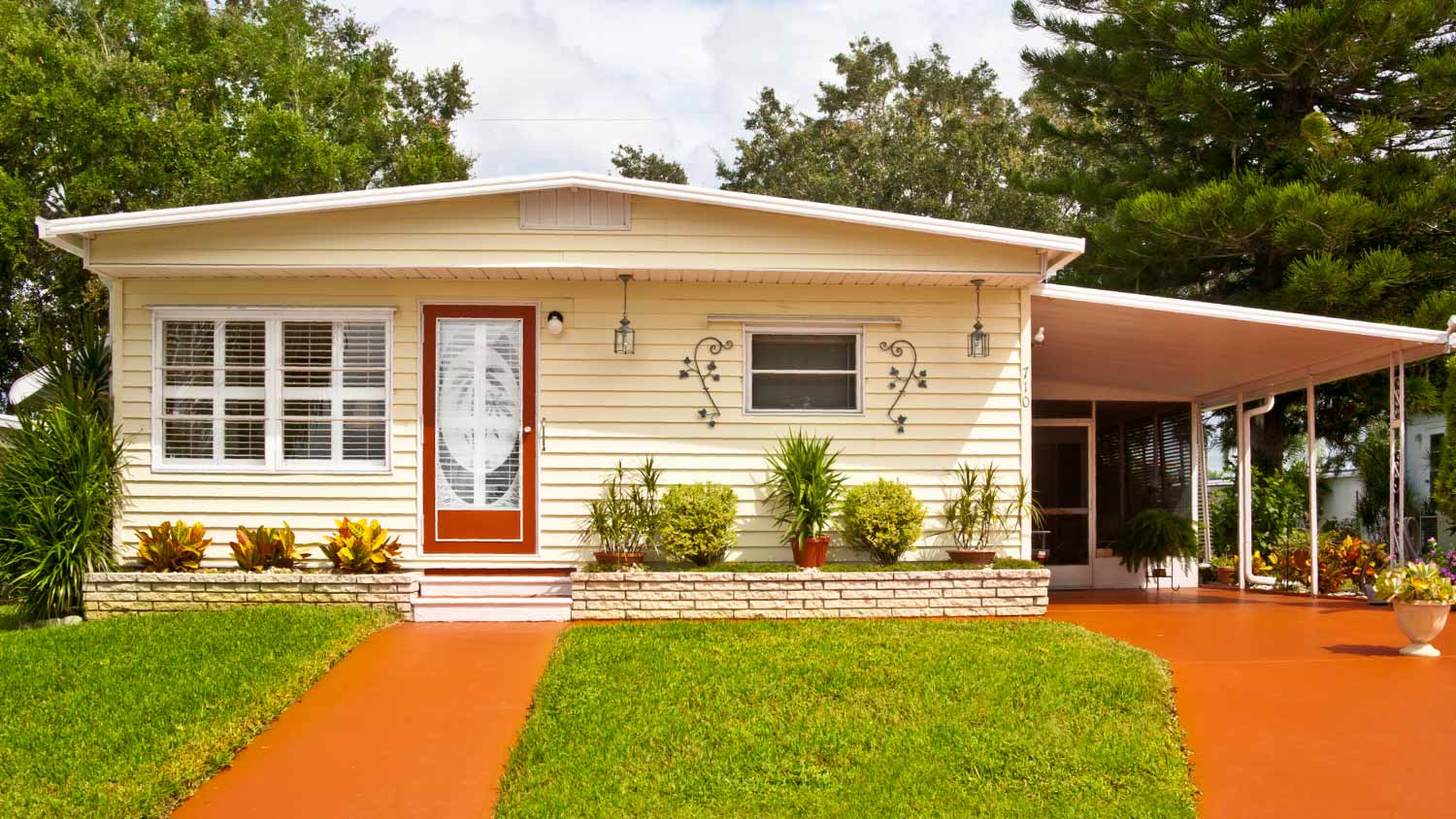
The cost to winterize a mobile home depends on several factors, including type and location. Our guide will show you how much it costs to winterize a mobile home.
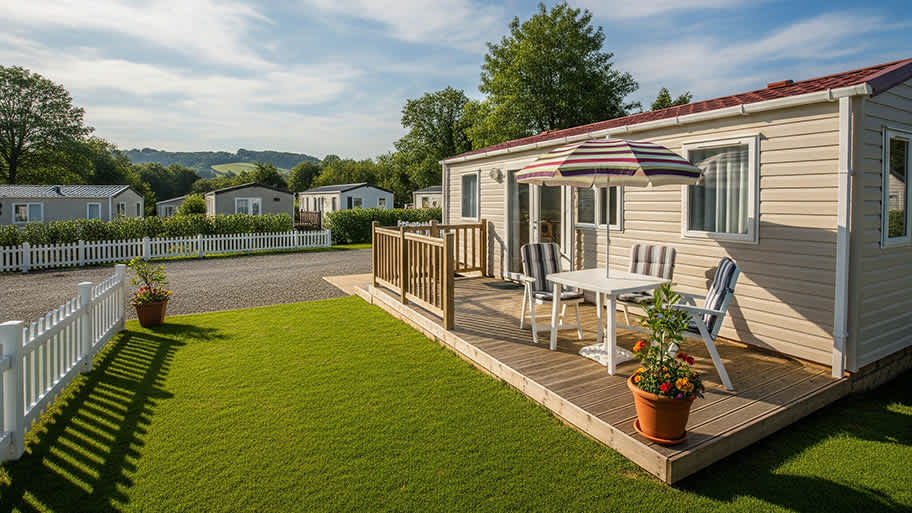
Mobile home additions add value and curb appeal. These add-ons and improvements can expand your living space and elevate your abode to a new level.
Use this comprehensive mobile home inspection checklist to ensure your home is safe.

From pier and beam to concrete slabs, learn the pros and cons of the five most-used foundations to keep your mobile home foundation grounded and secure.