

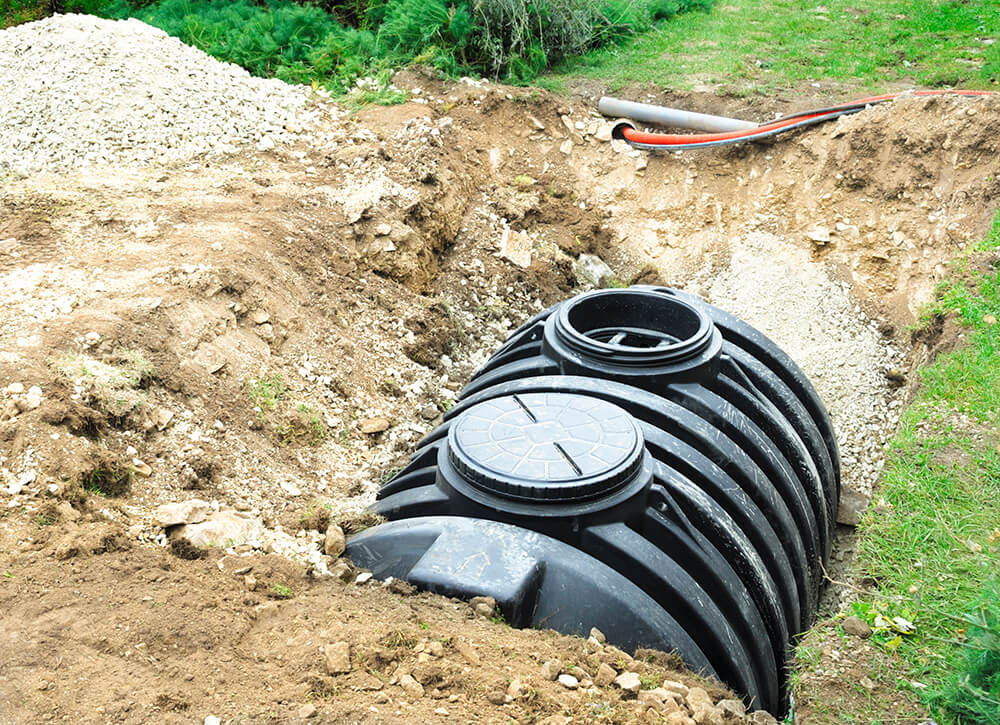
How much does a septic system cost? Explore impacting factors, important add-ons, and how you can save money on septic system installation right here.
Septic tank service costs depend on your project and location. Check with a local pro for your specific job.

Small septic system installation costs between $2,910 and $18,600, and your tank and leach field size drive totals.
Your soil type and tank material choice affect excavation needs, drain field design, and overall installation complexity.
You should budget for perc testing, excavation, and permits, which add $1,350 to $5,100 to your project.
Hiring a local septic tank company ensures proper sizing and placement, preventing contamination, backups, and slow drains.
In 2026, the national average cost for a small septic system installation is $4,100. Most homeowners pay between $2,910 and $18,600, with tank size, soil composition, and system type being the primary cost drivers. You should also budget for perc testing, excavation, and permits, which can add $1,350 to $5,100 to your total.
Tank size is one of the first decisions you'll make when installing a small septic system, and local regulations often set the floor. Many municipalities require a minimum of 750 or even 1,000 gallons, so the 500-gallon option isn't always available to homeowners. Check with your local regulatory agency or a septic pro before committing to a tank size to confirm your project meets local code. The table below breaks down septic system installation costs by tank size in gallons:
| Tank Size in Gallons | Household Size | Average Cost With Installation in 2026 |
|---|---|---|
| 500 | 1 bedroom | $875–$1,150 |
| 750 | 1 to 2 bedrooms | $2,910–$13,900 |
| 1,000 | 2 to 4 bedrooms | $4,030–$18,600 |

The septic tank itself costs between $500 and $1,500, depending on its size and material. Many municipalities require a minimum of 750 or 1,000 gallons, so local regulations can limit your options before cost even becomes a factor. Check local laws before purchasing a tank to avoid buying one that doesn't meet code requirements.
A leach field is a system in which treated wastewater drains through soil, sand, and gravel to be naturally cleansed before reaching the water table. Leach field installation costs $1,000 to $5,000, with smaller tanks landing on the lower end of that range. System type and soil composition are the main variables that drive costs up or down within that range.
Excavation costs for a small septic system range from $200 to $1,800 and should be included in your installation quote. Tanks closer to 500 gallons require less land to be excavated, which keeps costs toward the lower end of that range. Confirm excavation is itemized in any quote you receive so you're not caught off guard by a separate charge.
A perc test costs between $750 to $1,300 and is required for both new septic installations and repairs. This test determines whether your soil can adequately absorb and filter wastewater, which directly affects what type of system you can install. You'll need to show proof of this assessment before your project can move forward.
Building permits for a small septic system installation typically cost $400 to $2,000, with the exact fee depending on your local regulations. Most jurisdictions require a permit before any septic work can begin, so factor this into your budget early. Contact your local permitting office to confirm the fee and any documentation required before breaking ground.

The three main types of septic tanks are concrete, plastic, and fiberglass, and each comes with its own trade-offs in durability and installation risk. Costing $2,860 to $13,900, concrete is the most common choice and can last for decades, though it’s vulnerable to cracking and separation over time. Plastic and fiberglass tend to be more durable in the long term but are more susceptible to damage during installation. Here’s a breakdown of average cost ranges for each septic system material:
| Material | 750-Gallon Average Cost in 2026 | 1,000-Gallon Average Cost in 2026 |
|---|---|---|
| Concrete | $2,860–$13,900 | $3,830–$18,600 |
| Plastic | $2,660–$13,900 | $3,630–$18,600 |
| Fiberglass | $3,360–$13,900 | $4,330–$18,300 |
If you're still unsure about which material to go with, below are the pros and cons of concrete, plastic, and fiberglass:
| Concrete | Plastic (PVC) | Fiberglass |
|---|---|---|
| Long-lasting (up to 40 years) | Long-lasting (up to 50 years) | Mid-range life span (20 to 30 years) |
| Approved for use in every state | Budget-friendly | Least costly |
| Not easily damaged | Lightweight | Stronger than plastic |
| Less prone to rust | Less prone to cracking | Won’t rust |
| More costly | Easy to damage during install | May shift depending on soil conditions |
Small septic systems are available in two main styles: anaerobic and aerobic. Anaerobic systems are the most common choice for residential installations, while aerobic systems offer greater efficiency at a higher cost. Understanding the difference between the two helps you choose the right system for your property's needs and budget.
A small anaerobic septic system can cost between $3,000 to $8,000, making it the more budget-friendly of the two main system styles. These systems rely on anaerobic bacteria—organisms that function without oxygen—to break down waste inside the tank before it moves to the soil for further processing. Anaerobic systems are the most widely installed residential option and are well-suited to properties with adequate soil absorption capacity.
An aerobic septic system can cost anywhere from $10,000 to $18,600, placing it at the higher end of the small septic system price range. These systems use oxygen-dependent aerobic bacteria to break down waste more effectively than anaerobic alternatives. The higher upfront cost can offset leach field expenses over time, since more efficient in-tank treatment reduces the load on the drain field.
The leach field has the biggest impact on your small septic system's overall cost, since prices vary considerably based on the required size and your soil type. Several other variables also shape your final total, from tank material to local labor rates. Here are all the factors that can influence what you pay:
Soil composition
The size and type of septic tank
The size of the leach field
Excavation and other labor costs in your area
Obtaining necessary building permits
A septic system must be correctly sized and precisely placed based on your soil type, groundwater conditions, and local health code—regardless of whether it's a small or large installation. Faulty placement or sizing leads to backups, slow drainage, and contamination that are costly to fix. Choosing a local septic tank company familiar with your area's environmental and regulatory requirements gives you the best chance of a system that performs reliably for years to come.
Septic system installations are complicated, so trust a pro for these reasons:
Small septic systems require soil testing, trench layout, and a precise connection to your home's plumbing. A pro can get it right and provide warranties for peace of mind.
Septic tank pros understand how to size septic systems based on household water use, soil type, and drain field capacity.
Septic installers have the experience and tools to conduct or coordinate percolation tests, ensuring your soil can properly absorb and filter wastewater.
Pros handle permitting and ensure septic system layouts meet local health department and environmental regulations.
Excavation isn't easy—pros know how to excavate safely and position the tank and drain field to prevent leaks, backups, odors, drain field saturation, and contamination.
Having a properly and professionally installed septic system will help your home pass inspections and can increase your home's value.
Discuss the number of people in your home and their average water use habits, as these will determine the tank size.
Ask if your soil conditions are suitable for a traditional drain field or if an alternative system is necessary.
Review where your septic contractor will install the system, and confirm whether it’s easy to access for future maintenance and pumping.
Learn how installation will impact the layout of your yard, driveway, gardens, trees, and other features.
Ask if your septic tank pro recommends adding risers, inspection ports, or other features to make maintenance easier.
Home is the most important place on earth, which is why Angi has helped more than 150 million homeowners transform their houses into homes they adore. To help homeowners with their next project, Angi provides readers with the most accurate cost data and upholds strict editorial standards. We extensively research project costs to develop the pricing data you see, so you can make the best decisions for you and your home. We rely on reputable sources, including the U.S. Bureau of Labor Statistics, academic journals, market studies, and interviews with industry experts—all to ensure our prices reflect real-world projects.
Want to help us improve our cost data? Send us a recent project quote to [email protected]. Quotes and personal information will not be shared publicly.
I recently moved to another state and chose United Trust Van Lines after comparing several companies. Their team was punctual, professional, and extremely careful with my belongings. I was especially impressed with how they handled my home office setup and fragile items. Everything arrived on...
 United Trust Van Lines, LLC
Positive experience. As previously stated, the replacement/repair could not be completed (no fault of the plumbing tech) b/c misinformation was rec?d by property management maintenance. Thanks to the plumbing tech for your efforts. Appreciate you!
 The Waterworks
As usual with ECO, tech Jordan was outstanding, very professional, very knowledgeable, and very thorough with repairs made to tankless water heaters. Very highly recommend ECO!!!
 Eco Plumbers, Electricians, and HVAC Technicians
I would recommend this company to anyone! He showed up on time, was friendly, completed a very difficult repair on our dryer vent cover, was responsive, and pricing was extremely fair and competitive. I would have him back to do any of our repairs or cleanings without hesitation!
 U.S.A. Dryer Vent, LLC
Best cleaning I've had at my property
I'm a repeat customer of All Star Paving & Sealing and I appreciate the service that all start paving has done for me in the past. I just recently had them out for an estimate and things couldn't have gone better. The staff that they send out to do the estimates are very knowledgeable. The...
 All Star Paving and Sealing
Supreme Brick & Chimney is one of the best service providers I’ve interacted with. Extremely efficient, knowledgeable, and thorough. They took the time to walk me through their detailed full-service inspection and were extremely professional. Not to mention their turnaround time was...
 Supreme brick & chimney
They were great! They were thorough and efficient and paid attention to the details. Definitely recommend. I'm definitely going back!
 FIFI'S EARTH FRIENDLY CLEANING
Storms Mobile Welding was great to work with. They were prompt, professional and did an overall excellent job on the project. I highly recommend.
Great experience all together. Dog friendly, courteous, great results and honest with recommendations. Will certainly be using Cardinal in the future for any carpet repairs
 Cardinal Carpet Care & Repair
From average costs to expert advice, get all the answers you need to get your job done.
How much does a septic system cost? Explore impacting factors, important add-ons, and how you can save money on septic system installation right here.
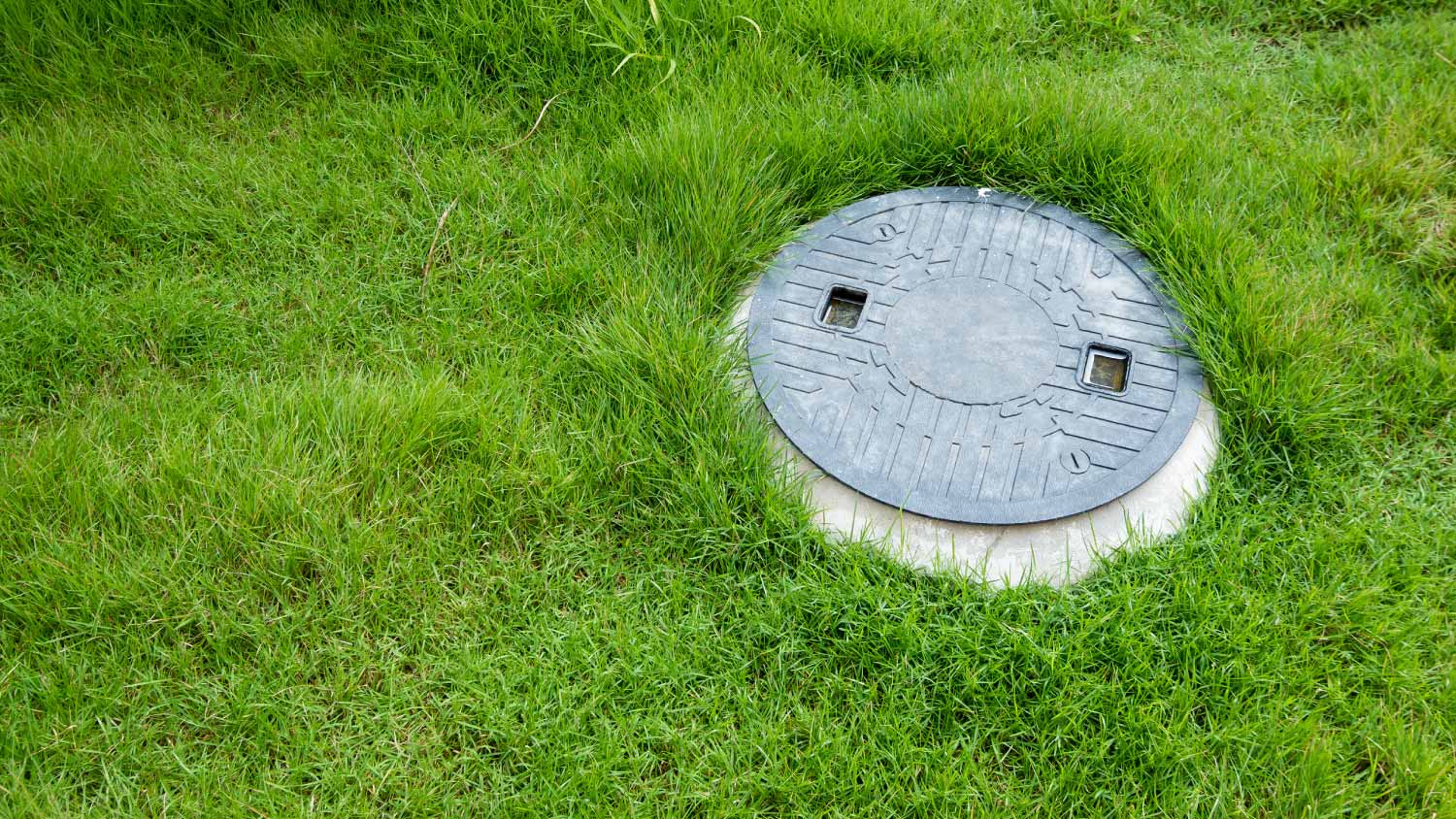
Concrete is one of the longest-lasting septic tank materials. Find out concrete septic tank prices for your wastewater management project.

Does your property have poor ground water or soil conditions? Learn about engineered septic system cost, types, and factors for you to consider.
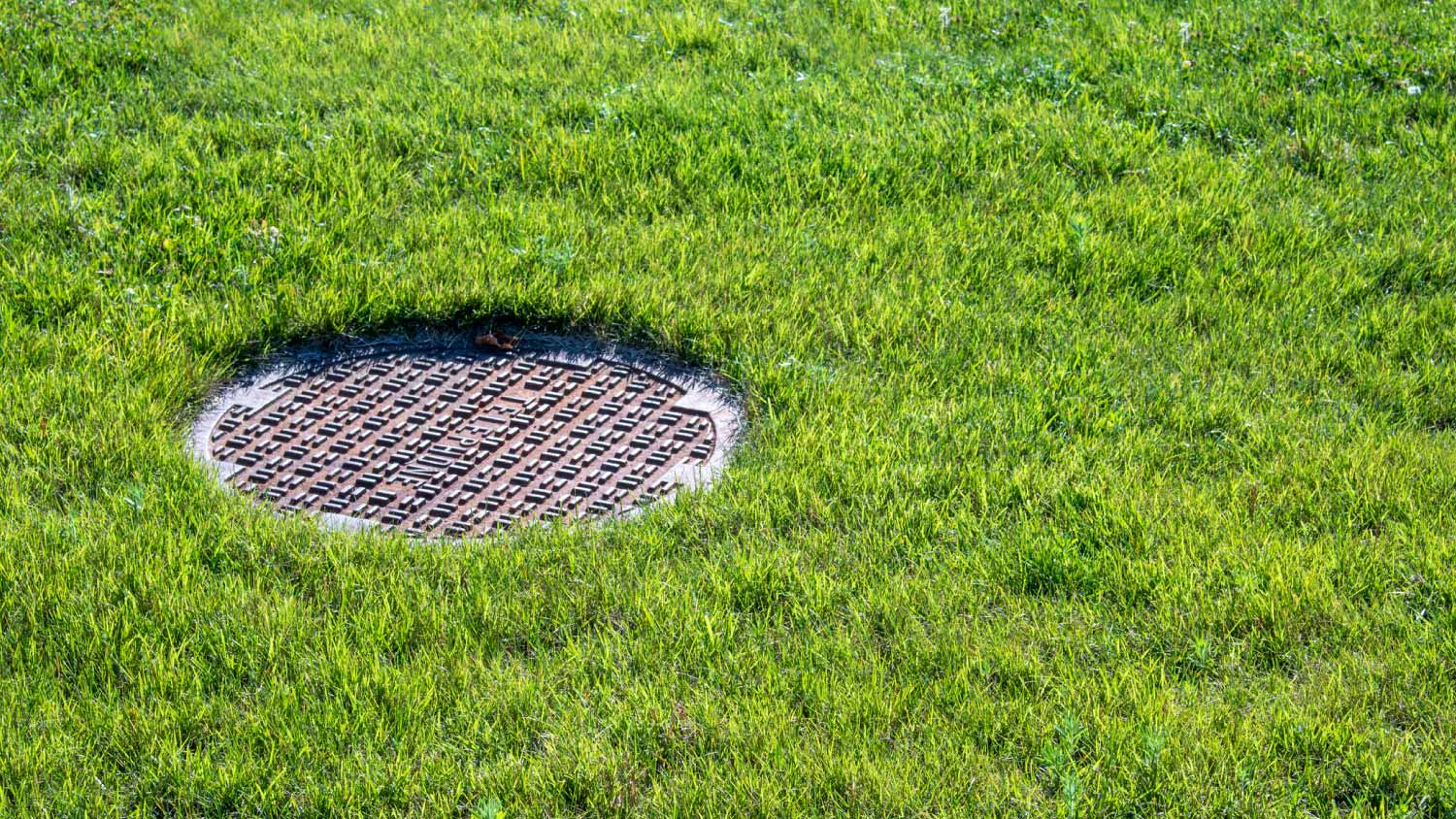
Want to learn how to build a septic tank for your rural or off-grid property? First, check your local laws, then dive into these general guidelines.

Planning a new septic system installation? Learn about the project scope, costs to expect, and how to hire the right local pro.
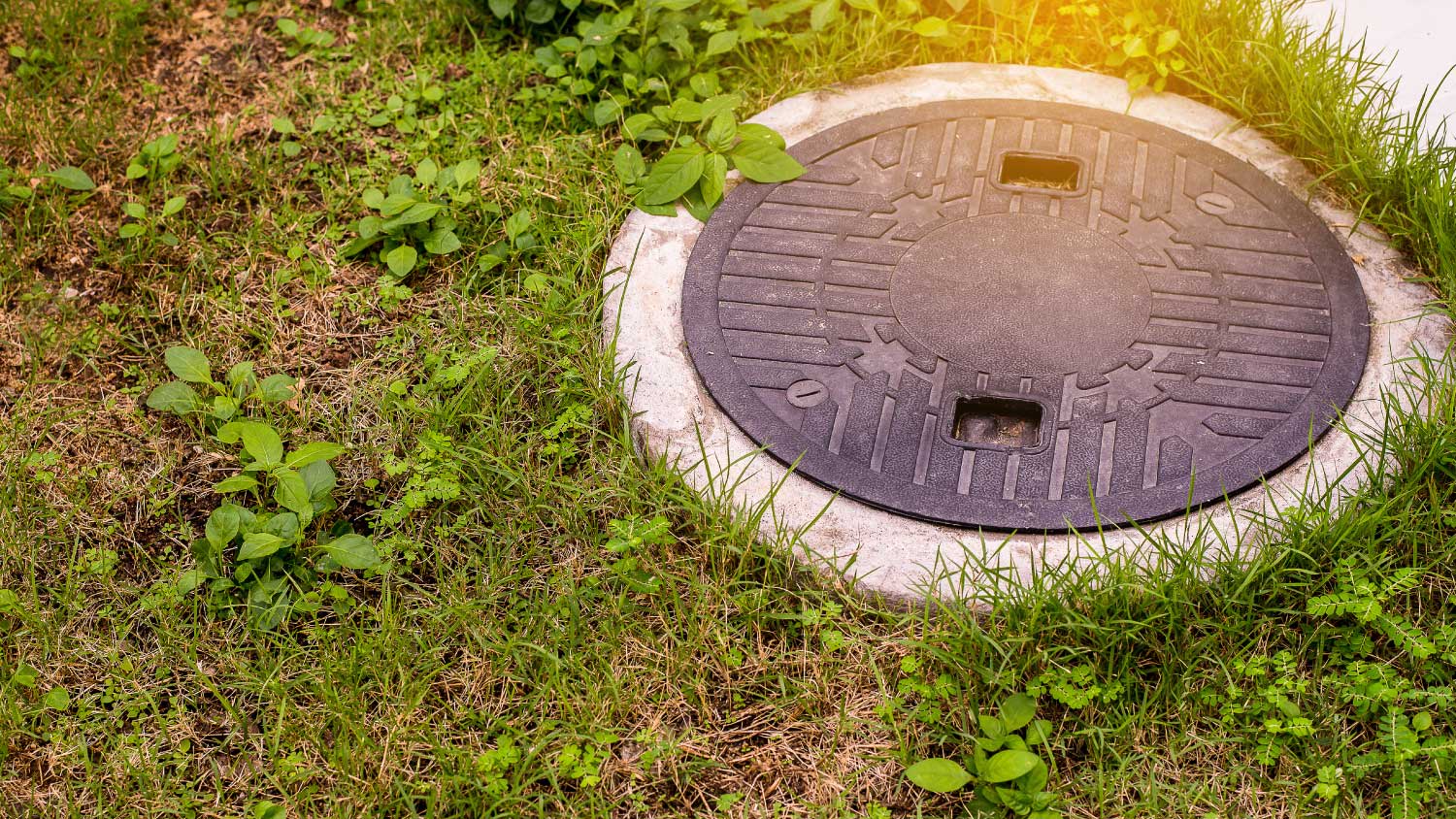
Septic tank risers make it easy to access your septic tank when it’s time for routine inspection, maintenance, and pumping, saving you precious time and labor costs.