
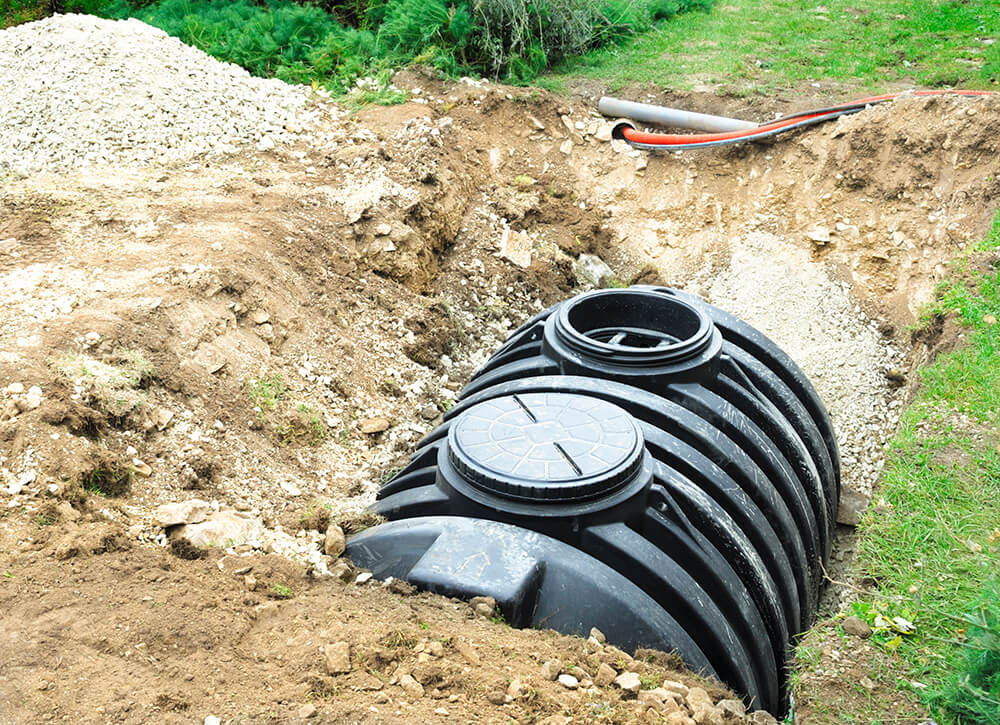
How much does a septic system cost? Explore impacting factors, important add-ons, and how you can save money on septic system installation right here.
Keep your home waste-free with this popular type of septic system

An anaerobic septic system stores waste in an underground tank where bacteria break down solids without oxygen before wastewater filters into your soil.
Expect to pay $3,000 to $8,000 for anaerobic system installation, while aerobic systems cost $10,000 to $20,000, plus ongoing power expenses for aerators.
You should schedule professional septic tank pumping every three to five years to prevent waste buildup and avoid costly backups in your home.
Hiring a local septic tank company provides reliable support for routine maintenance, system inspections, and addressing drainage issues before they become expensive repairs.
If you live in a rural area or somewhere that doesn’t have a public sewage system, you probably use a septic system to get rid of waste safely, but do you know much about how your septic system works? There are quite a few types of septic systems, with one of the most popular being the conventional anaerobic septic system. Whether you already have an anaerobic system or you’re considering installing one, here’s an overview of how they work, how they compare to other systems, and how to know if they’re right for your home.

An anaerobic septic system is a waste management system commonly used in rural and suburban homes. One of its central features is a watertight underground or above-ground septic tank, which collects waste from your sinks, showers, and toilets whenever you flush or let water run down the drain.
So, how does an anaerobic septic system work? Inside the tank, solid waste sinks to the bottom, while the liquid wastewater rises. The solid waste is broken down by anaerobic bacteria, which don’t require oxygen to live (which is where the name “anaerobic” comes from).
Wastewater, on the other hand, moves into a set of underground distribution pipes in an area known as the drain field or leach field. The wastewater slowly filters out into the soil through holes in the pipes.

Historically, anaerobic septic systems were the most common types of septic systems in the U.S. But these days, many people are choosing aerobic systems. Here are some of the differences between the two.
The main differentiator between anaerobic and aerobic septic systems is the presence of oxygen in the respective septic tanks, which impacts the type of bacteria inside.
As we’ve mentioned, anaerobic systems don’t have oxygen inside, so the bacteria that live there must be able to survive without it. But aerobic septic systems have an aerator feature that injects oxygen into the waste, where it’s broken down by aerobic (oxygen-consuming) bacteria.
Anaerobic systems aren’t as efficient as aerobic ones, so they require more piping and larger drain fields. If you don’t have a ton of space in your yard, an aerobic septic system might be a better option.
There’s also a stark price difference between the two. On average, anaerobic septic systems cost anywhere from $3,000 to $8,000, while aerobic systems are much pricier, costing between $10,000 and $20,000. Something else to keep in mind: The aerator in an aerobic septic system needs power to run, which can increase your operating costs.
According to data from Angi customers, 29% of homeowners don’t know if they need a permit for their septic tank installation. Similarly, 28% of homeowners know they need a permit for their project but don’t have one yet. Not sure where you stand? A septic tank pro can give you all the information you need before your installation starts.
If your home isn’t connected to the public sewer system, then you’ll likely use a septic system—but is an anaerobic system the right choice for your needs? Here are some pros and cons to consider.
On the plus side, anaerobic systems are usually more affordable than other types of septic systems, including aerobic, mound, and drip distribution systems. Unlike some other systems, they don’t need electrical power to run, which makes them more efficient and better for your wallet.
There are some potential drawbacks, as well. Anaerobic systems take up more space than some other kinds of septic systems because their pipes are designed to evenly distribute wastewater throughout the soil. So, if your property is small, an anaerobic septic system is not be the best choice for you.
Also, not every yard is suitable for an anaerobic septic system. If you’re considering an anaerobic system, your soil has to allow for quick percolation, or the process of treated wastewater absorbing into the soil. You need to hire a pro to do a perc test on your yard to check its percolation rate.
Septic systems play a critical role in your home by safely disposing of water and waste. To keep your system running smoothly (and avoid potentially pricey septic tank repairs), it’s important to take proper care of it. Here are a few tips to keep in mind.
Know what you can (and can’t) put into your septic system: Dealing with clogged toilets and backed-up drains is never fun. To prevent these types of problems, don’t put things like chemicals, paper towels, baby wipes, or personal hygiene products into your system. Basically, the only things that should go down your toilet are septic-safe toilet paper and human waste.
Pump your septic tank: Every three to five years, you should hire a plumber or septic tank pro to pump your septic tank. Regular pumping can help prevent waste from building up inside your tank, leaking out into your drain field, and backing up your pipes. Typically, a one-time septic tank pump costs around $400.
Look after your drain field: Keep your drain field free of any obstructions in case problems arise and a pro needs to access it. Also, keep all roof drains and downspouts pointed away from the field; otherwise, the field could soak up too much water and overflow.
Know when to call a pro: It’s best to have a professional septic inspection every few years. But you should also call a local septic tank company any time something seems off. Common signs of a septic system problem include backed-up plumbing, slow drainage, foul odors, and standing water in your drain field.
I recently moved to another state and chose United Trust Van Lines after comparing several companies. Their team was punctual, professional, and extremely careful with my belongings. I was especially impressed with how they handled my home office setup and fragile items. Everything arrived on...
 United Trust Van Lines, LLC
Positive experience. As previously stated, the replacement/repair could not be completed (no fault of the plumbing tech) b/c misinformation was rec?d by property management maintenance. Thanks to the plumbing tech for your efforts. Appreciate you!
 The Waterworks
As usual with ECO, tech Jordan was outstanding, very professional, very knowledgeable, and very thorough with repairs made to tankless water heaters. Very highly recommend ECO!!!
 Eco Plumbers, Electricians, and HVAC Technicians
I would recommend this company to anyone! He showed up on time, was friendly, completed a very difficult repair on our dryer vent cover, was responsive, and pricing was extremely fair and competitive. I would have him back to do any of our repairs or cleanings without hesitation!
 U.S.A. Dryer Vent, LLC
Best cleaning I've had at my property
I'm a repeat customer of All Star Paving & Sealing and I appreciate the service that all start paving has done for me in the past. I just recently had them out for an estimate and things couldn't have gone better. The staff that they send out to do the estimates are very knowledgeable. The...
 All Star Paving and Sealing
Supreme Brick & Chimney is one of the best service providers I’ve interacted with. Extremely efficient, knowledgeable, and thorough. They took the time to walk me through their detailed full-service inspection and were extremely professional. Not to mention their turnaround time was...
 Supreme brick & chimney
They were great! They were thorough and efficient and paid attention to the details. Definitely recommend. I'm definitely going back!
 FIFI'S EARTH FRIENDLY CLEANING
Storms Mobile Welding was great to work with. They were prompt, professional and did an overall excellent job on the project. I highly recommend.
Great experience all together. Dog friendly, courteous, great results and honest with recommendations. Will certainly be using Cardinal in the future for any carpet repairs
 Cardinal Carpet Care & Repair
From average costs to expert advice, get all the answers you need to get your job done.
How much does a septic system cost? Explore impacting factors, important add-ons, and how you can save money on septic system installation right here.

A small septic tank system is ideal for spaces with minimal needs, such as a one-to-two-bedroom apartment or guest house. A small septic tank contains 750 or 1,000 gallons. We’ll cover everything that factors into your small septic system cost here.

Wondering which type of septic system you should choose? Learn about the efficient aerobic septic systems and if it's right for your property.

There are different types of septic systems. The right one for you depends on its size and construction as well as your household waste needs.

Septic systems are an essential waste management feature of many homes. Find out how a septic system works to turn wastewater into treated groundwater.

From clay soils to small lots, chamber septic systems work best for certain property types. Find out if a chamber septic system is right for your home.