

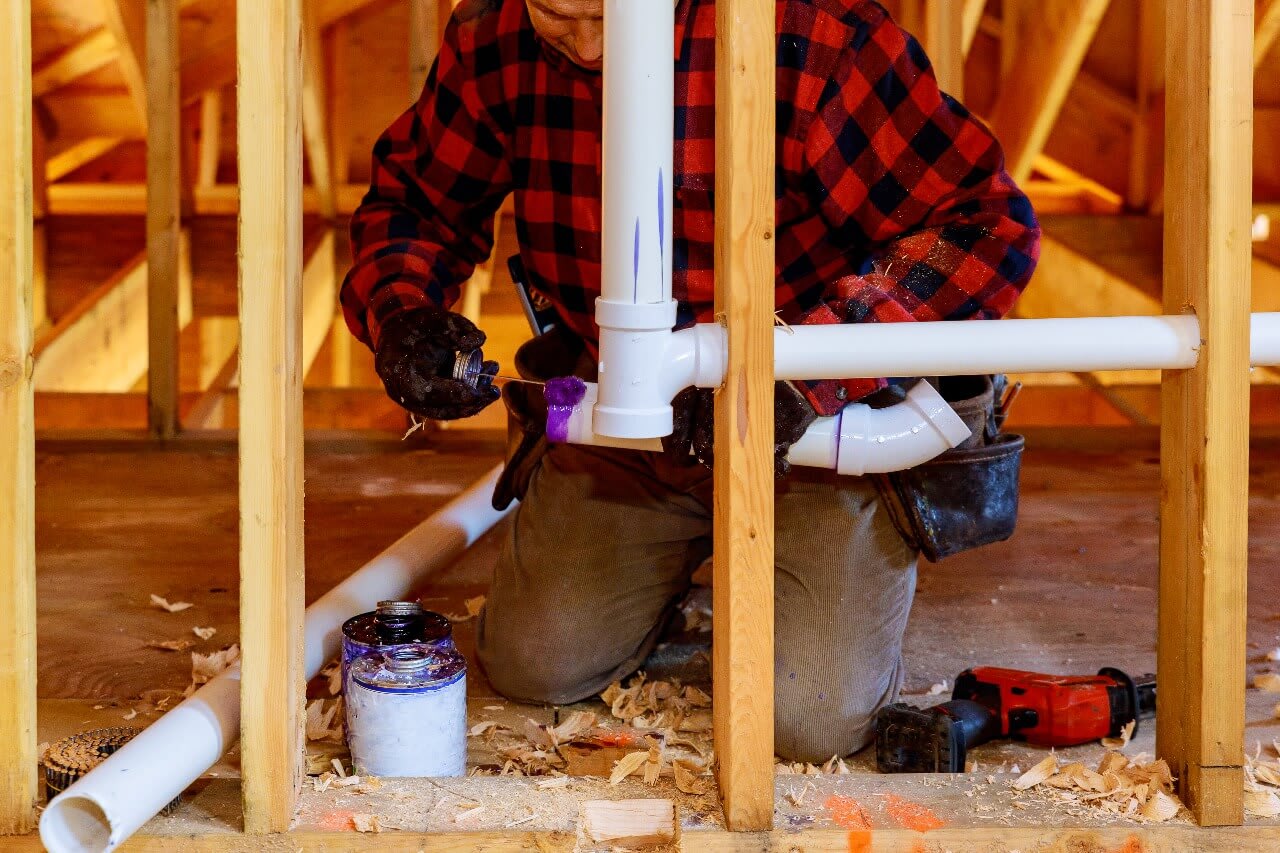
A clogged main sewer line can lead to gas or wastewater leaks. Find out what main sewer line clog repair costs by type of service, clog severity, and more.
Septic tank service costs depend on your project and location. Check with a local pro for your specific job.

Professional sewer line replacement costs between $1,388 and $5,323 depending on your pipe material, length, and replacement type.
The distance from your home to the street hookup and the location of your pipe impact labor time and material requirements.
You should account for video inspection fees between $100 and $500 and yard restoration costs when creating your project budget.
Hiring a local sewer service professional ensures your system functions properly and prevents costly backups, leaks, and potential environmental hazards.
Sewer line replacement costs $3,319 on average, though it often ranges between $225 and $10,000, depending on material, pipe length, and more. While it’s not the most glamorous home improvement project, repairing or replacing your sewer line is a top-priority fix. If left untreated, sewage can back up in the basement or the yard.
The three most common pipes used for sewer lines are PVC (the most budget-friendly option), ABS (the mid-range option), and copper (the most expensive). Each has its own cost range and preferred use case scenario. In rarer cases, cast iron is used as a sewer pipe material.
Here’s how sewer line replacement costs are affected by pipe material:
| Pipe Material | Average Cost per Linear Foot | Description |
|---|---|---|
| PVC | $4.50 | Lightweight, easy to install |
| ABS | $6 | Easy to install, more durable than PVC |
| Copper | $85 | Extremely durable, easy to replace |
| Cast iron | $50 | Most durable, longest lifespan |
The cost of running a new sewer pipe ranges from $50 to $250 per linear foot, with an average price of $150 per linear foot, which includes both materials and labor. Your sewer pipes extend from the house to a street-adjacent city hookup, and the distance depends on your specific neighborhood and property. The further your house is from the hookup, the longer the sewer pipes and the higher the costs.
Of course, the entire length of the pipe may not require replacement, so discuss options with your pro.
I had an extremely positive experience with Fresno Plumbing. Six and one half years after I purchased my brand new home I had a sewer backup problem. I called the builder to see if there was any warrantly coverage and they referred me to the original plumber for my home, Fresno Plumbing and Heating. Fresno Plumbing and Heating said very rarely there are pipe connection problems and they would investigate. They videoed my sewer line, discovered a flaw in the pipe connection, used their sophisticated diagnostic equipment to determine the exact location of the problem, got all the necessary permits, identified all the nearby utility lines, and took responsibility for fixing the pipe at no charge to me. They could have said I was out of the warranty period, but they felt the problem could have dated to the original construction. They took my problem seriously and investigated. If I had to pay for this myself it would have cost thousands. I am very grateful for their honesty, for the repairs they made, and for the way they treated me in this situation. They were a strong advocate for me in dealing with the various player to get the repairs made at no charge to me.
A partial replacement will be the most affordable option, with complete replacement and replacing burst pipes ranging from $60 to $250 per linear foot. Here’s how costs break down by type of sewer line replacement:
| Replacement Type | Average Cost per Linear Foot |
|---|---|
| Complete | $60–$250 |
| Partial | $50 |
| CIPP lining | $90–$250 |
| Burst pipes | $60–$200 |
Where you reside can make all the difference in your total replacement cost. For example, if you live in Austin, Texas, you may spend around $2,000 on average, whereas residents in Los Angeles may spend closer to $4,000 for the same project. Costs will correspond to the cost of living, competitive labor rates, and material prices.

Sewer line replacement costs will vary based on the pipe location, the extent of the damage, labor rates, and any required yard work or excavation. Here’s what to expect.
Labor costs to hire a plumber for your sewer line replacement range from $45 to $200 per hour, depending on your location, the plumber’s experience, and the complexity of the replacement. After you vet local plumbers, it’s a good idea to ask for a quote to compare prices.
Where the pipe starts in your home and the path it takes to the local hookup both impact the overall cost, as any hurdles increase labor time and require more materials.
For instance, accessing a pipe located underneath a driveway or behind a concrete wall requires professional excavation. The cost of excavation alone might range from $50 to $200 per linear foot, depending on the soil type, depth, and accessibility. If repairs require breaking up and restoring a concrete slab, the cost for that specific section can balloon to $300 to $350 per linear foot.
If you need to repair your landscape or hardscape, expect to spend between $1 and $25 per square foot, depending on the type of repair. Here are some of the most common yard or driveway repair costs to factor into your budget:
Landscaping cost: $4.50–$12 per square foot
Yard leveling cost: $1–$2 per square foot
Concrete driveway repair cost: $1–$25 per square foot
Asphalt driveway repair cost: $1–$15 per square foot
Deck repair cost: $30–$60 per square foot
Most sewer line projects require a video inspection, which costs between $100 and $500. Although you may be tempted to skip this step to save on the cost of your replacement, a video inspection is crucial for an accurate diagnosis, replacement plan, and total price estimate.
Sewer line damage can stem from various factors that affect the replacement cost. If you have a clog, tree roots, a collapsed pipe, or a combination of these issues, anticipate spending between $80 and $1,000 to address the problem.
Trenchless replacement methods cost $60 to $250 per linear foot, including materials and labor. These methods require minimal digging, reducing disruption to your yard and driveway. That said, trenchless methods aren't suitable for pipes that have major problems, such as collapse or improper sloping. For these issues, you may need traditional excavation. Trenching alone costs an additional $4 to $12 per linear foot, in addition to the cost of sewer line replacement.
Hiring a local sewer line replacement pro costs more upfront, but you benefit from faster results, proper system installation, and reduced risk of costly damage. Pros bring specialized equipment and experience, making the process smoother and often saving you money on repairs and future backups.
Replacing a sewer line is a complex project that requires plumbing expertise, knowledge of local codes, and specialized machinery. Here are some of the top reasons to work with a pro:
Sewer line pros ensure existing plumbing, landscaping, driveways, and foundations aren’t damaged during the replacement process.
They have the tools and materials needed to remove and install sewer lines safely and effectively, including trenchless methods when appropriate.
Working with a pro ensures your sewer system functions properly, preventing costly backups, leaks, and potential environmental hazards.
Bundling sewer line replacement with services like drain inspection, pipe cleaning, or sump pump upgrades can reduce long-term maintenance costs and improve overall system reliability.
The decision to repair or replace a sewer line depends on the extent of the problem, the age of the pipe, and the material it’s made from.
You might choose to repair when the damage is minor and the pipe is structurally sound. Here are some common sewer line repairs, along with their prices:
Cracked pipe spot repair: $600–$1,050
Sewer trap replacement: $1,500–$3,000
Cured-in-place pipes: $80–$250 per linear foot
Root removal: $100–$600
Replacement might be necessary when the pipe's integrity is compromised, the damage is widespread, or the pipe is no longer functioning correctly. Here are some signs you might need sewer line replacement:
Major structural failure (pipe is collapsed, severely shifted, or has an improper slope)
Extensive damage
Frequent backups despite cleaning and minor repairs
Old or outdated piping materials
Replacing a sewer line is costly and often unavoidable. Fortunately, there are some tips worth considering to save a few bucks.
Go trenchless: If possible for your specific issue, choose a trenchless replacement method to save some money. Trenchless pipe replacement does not disturb the lawn, the driveway, or anything else on your property. In other words, your post-job costs are minimal or non-existent.
Consider a repair: Depending on the extent of the damage and the specific issue, you may be able to repair small sections initially as you set aside money for a full replacement. Consult with your professional and ask if this approach is suitable.
Remember annual inspections: All sewer lines eventually require replacement, but extending their lifespan is possible by conducting yearly inspections, performing regular cleanings, and staying on top of maintenance tasks.
Look into insurance endorsements: Adding an endorsement clause to your homeowner’s insurance policy to cover sewer line damage is a great way to save money in the long run.
Gather several estimates: Replacing damaged sewer pipes is a serious job that can be pricey, so don’t go with the first estimate you come across. Talk to about three pros to find the best company for your budget.
Be ready to provide details about your existing sewer line, including its age, material, and any history of backups or leaks, as this will help your pro determine the best replacement method.
If your budget allows, ask your pro about optional upgrades like trenchless replacement, pipe material improvements, or installing a backflow prevention system.
Be prepared for unexpected costs, such as discovering tree root intrusion, collapsed pipes, or additional plumbing repairs that may be required once the line is exposed.
Discuss your timeline and accessibility with your pro, as factors like yard landscaping, driveways, and underground obstacles can affect how long the replacement takes.
Home is the most important place on earth, which is why Angi has helped more than 150 million homeowners transform their houses into homes they adore. To help homeowners with their next project, Angi provides readers with the most accurate cost data and upholds strict editorial standards. We’ve surveyed thousands of real Angi customers about their project costs to develop the pricing data you see, so you can make the best decisions for you and your home. We pair this data with research from reputable sources, including the U.S. Bureau of Labor Statistics, academic journals, market studies, and interviews with industry experts—all to ensure our prices reflect real-world projects.
Want to help us improve our cost data? Send us a recent project quote to [email protected]. Quotes and personal information will not be shared publicly.
I recently moved to another state and chose United Trust Van Lines after comparing several companies. Their team was punctual, professional, and extremely careful with my belongings. I was especially impressed with how they handled my home office setup and fragile items. Everything arrived on...
 United Trust Van Lines, LLC
Positive experience. As previously stated, the replacement/repair could not be completed (no fault of the plumbing tech) b/c misinformation was rec?d by property management maintenance. Thanks to the plumbing tech for your efforts. Appreciate you!
 The Waterworks
As usual with ECO, tech Jordan was outstanding, very professional, very knowledgeable, and very thorough with repairs made to tankless water heaters. Very highly recommend ECO!!!
 Eco Plumbers, Electricians, and HVAC Technicians
I would recommend this company to anyone! He showed up on time, was friendly, completed a very difficult repair on our dryer vent cover, was responsive, and pricing was extremely fair and competitive. I would have him back to do any of our repairs or cleanings without hesitation!
 U.S.A. Dryer Vent, LLC
Best cleaning I've had at my property
I'm a repeat customer of All Star Paving & Sealing and I appreciate the service that all start paving has done for me in the past. I just recently had them out for an estimate and things couldn't have gone better. The staff that they send out to do the estimates are very knowledgeable. The...
 All Star Paving and Sealing
Supreme Brick & Chimney is one of the best service providers I’ve interacted with. Extremely efficient, knowledgeable, and thorough. They took the time to walk me through their detailed full-service inspection and were extremely professional. Not to mention their turnaround time was...
 Supreme brick & chimney
They were great! They were thorough and efficient and paid attention to the details. Definitely recommend. I'm definitely going back!
 FIFI'S EARTH FRIENDLY CLEANING
Storms Mobile Welding was great to work with. They were prompt, professional and did an overall excellent job on the project. I highly recommend.
Great experience all together. Dog friendly, courteous, great results and honest with recommendations. Will certainly be using Cardinal in the future for any carpet repairs
 Cardinal Carpet Care & Repair
From average costs to expert advice, get all the answers you need to get your job done.
A clogged main sewer line can lead to gas or wastewater leaks. Find out what main sewer line clog repair costs by type of service, clog severity, and more.

The average cost to connect to a public sewer line can vary depending on the linear foot, piping material, local regulations, and more.

Sewer line replacement is expensive, but going trenchless could save you cash in other ways. Here’s how much trenchless sewer line replacement costs.
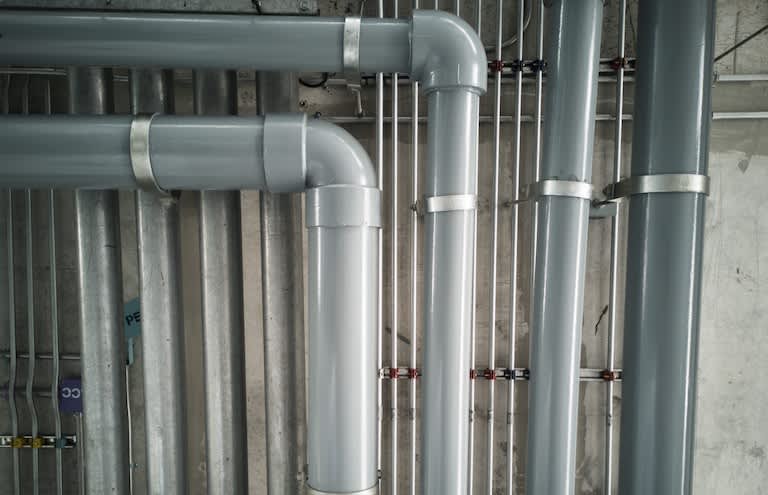
Your sewer line repair cost will vary based on the location and extent of the damage, as well as any repairs and clean-up afterward. We’ve broken down your different options, the cost to replace a sewer line, and other variables here.

If you’re considering getting your sewer line replaced or repaired, there are a few things that you should keep in mind. We’ll cover tips and strategies to prepare for a new sewer line, along with mistakes you should avoid.

Why is sewer line replacement so expensive? In short, there’s a lot of hard work required to reach the underground pipes. Consider an alternative.