

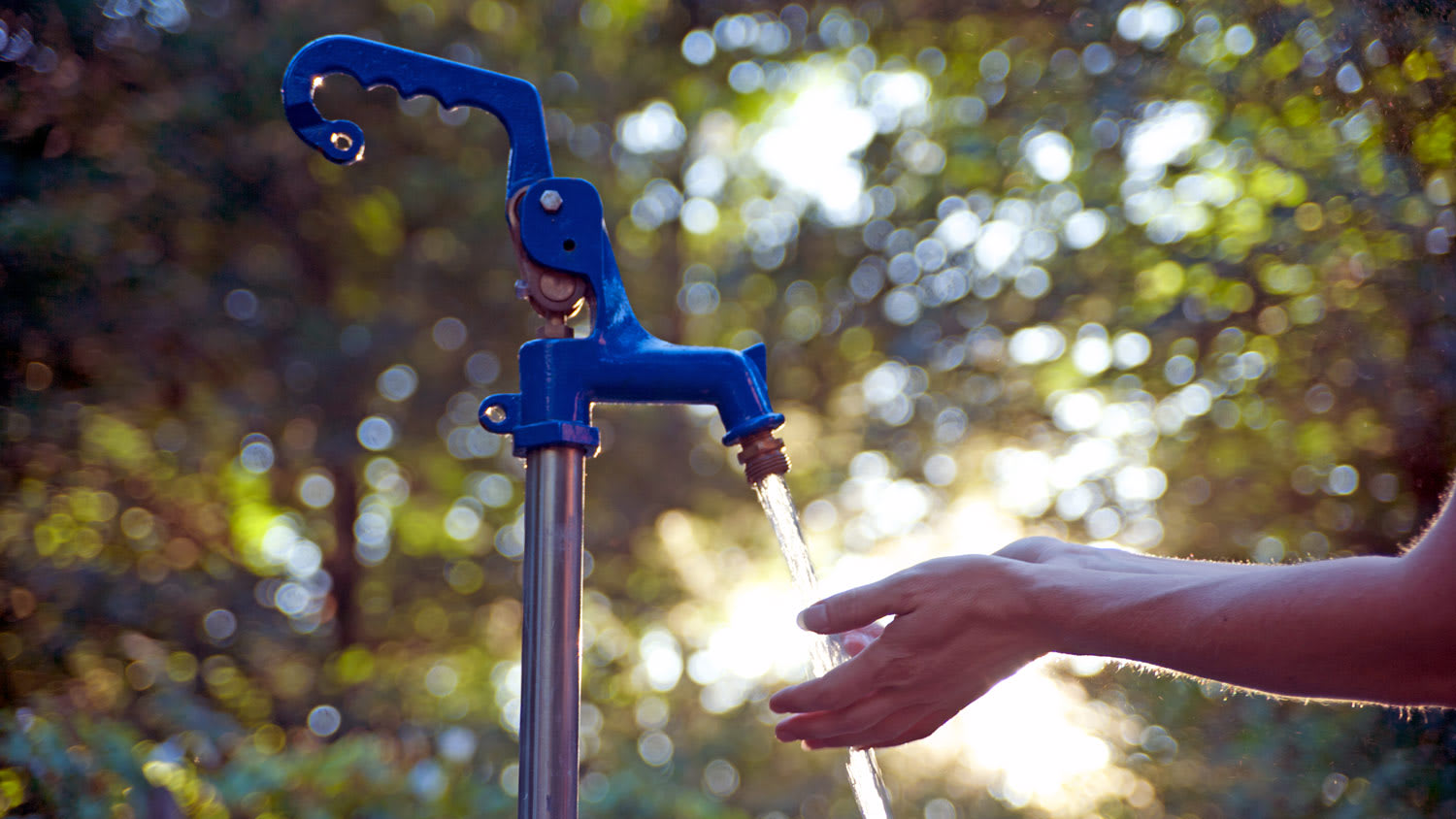
Drilling a well is no small feat. You’ll need to plan for excavating, a pump, and more. This guide will help you estimate and manage your well drilling costs.
Bring depth differences to the surface

Deep wells reach 100 to 1,000 feet and access naturally filtered water, while shallow wells extend 25 to 50 feet and cost less to install.
Expect to pay $1,500 to $2,500 for a shallow well and up to $25,000 for a deep well, depending on depth and your property's water table.
Your choice depends on your water table depth, budget, drought risk, and whether you prioritize lower upfront costs or long-term water reliability.
Hiring a local well pump professional provides expert guidance on water table assessment, pump selection, and choosing the right well depth for your property.
It may seem like deeper is better when it comes to wells, but several factors go into deciding between a deep well versus a shallow well for your home. Both can provide a self-reliant source of water for your family, but each has advantages and disadvantages. The difference in average well depth between deep wells and shallow wells can affect reliability, water quality, budget, and more. Take all of these characteristics into account when choosing the right well for your property.
Here are the outlet types you find in most U.S. homes:
15-amp, 120-volt (2-prong and 3-prong): The standard household outlet for lamps, TVs, and chargers.
20-amp, 125-volt: A higher-power outlet for kitchens, laundry rooms, and workshops.
240-volt (20-amp to 50-amp): A large-appliance outlet for dryers, ranges, and EV chargers.
GFCI: A shock-protection outlet for kitchens, baths, and other wet areas.
AFCI: A fire-protection outlet for bedrooms and living spaces.
Tamper-resistant: A child-safe outlet with internal shutters, now standard in new homes.
Weather-resistant: A corrosion-resistant outlet built for outdoor use.
Convenience types: Switched, combination, USB, smart, and rotating outlets.

Listed below are some of the key differences between deep wells and shallow wells. The average well depth for each type is the most obvious. Depending on how deep you dig, this can impact the typical characteristics of the water that your well pump can provide.
| Characteristic | Shallow Well | Deep Well |
|---|---|---|
| Depth | 25–50 feet | 100–1,000 feet |
| Casing diameter | 1 1/4 inch | Over 2 inches |
| Hard water | Less likely | More likely |
| Radioactivity | Less likely | More likely |
| Contamination | More likely | Less likely |
| Pump location | Above ground | Submersible |
| Drought risk | Higher | Lower |
| Average cost | $1,500–$2,500 | Up to $25,000 |
If you are going to dig a well by hand, it’s going to be a shallow well. The average well depth for a shallow well is between 25 and 50 feet. This depends on what the water table looks like on your property, something a professional driller can help assess for you. It’s important to consider groundwater conditions in different seasons if you want a year-round source of water.
By contrast, the average well depth for a deep well is at least 100 feet and can be as deep as 1,000 feet. Most deep wells fall into the 100 to 500 feet range. One reason to consider this greater well depth is the lack of a reliable water source closer to the surface on your property.
Another characteristic that separates deep wells versus shallow wells is the diameter of the casing. A shallow well point will typically use 1 1/4-inch PVC piping for its casing. In some cases, shallow wells can also have wider diameters. Bored wells are very shallow, but may have a casing diameter of around four inches.
By comparison, deep wells often use casing that is at least two inches in diameter. The larger diameter helps to improve water flow.
Well depth directly impacts water quality. Remember what well water is in the first place: It’s groundwater found in underground aquifers. This water has not been treated or filtered in any sort of artificial way—it’s literally surrounded by nature. Depending on the geography of your area, deep wells typically contain more hard water components than shallow wells.
This can include naturally occurring elements like calcium, magnesium, iron, and manganese. The higher mineral content doesn’t necessarily mean the hard water is not potable. But, you can address this concern by installing a water softener as part of your well water system. Shallower well depth usually offers fewer hard water components.
The deeper the well, the closer you are to the Earth’s core. A natural side effect of this is that deeper wells may have higher levels of radioactivity compared to shallow wells. This is heavily dependent on your local geology. Water well professionals in your area can provide greater insight into possible radioactive elements in your water.
While deeper well depth may have higher radioactive elements and hard water components, it will also have fewer surface contaminants. The deeper the well, the more it can benefit from the natural filtering that the many layers of soil provide. Bacteria trapped well below the surface in rock and sediment can’t survive down there for long.
"The deeper the well, the better the water because deeper water is less exposed to outside elements."
— Constantin Geambasu, Owner of Water Rehab, Gilbert, Arizona
Shallower well depth, on the other hand, is much more susceptible to surface contamination. Content from fertilized fields, farm animals, wildlife, septic systems, human activities, and other land uses can all contaminate shallow well water. When choosing a location for DIY well drilling, stay as far away from these sources of contamination as possible. Inspect, test, and treat shallow well water frequently.
Whether you have a shallow well or a deep well impacts the type and location of the well pump you will have, too. Shallow wells will have a pump that is above ground, which allows for easier well maintenance but is obviously visible.
Deep wells often have a submersible well pump that could be several hundred feet deep. This may be more aesthetically pleasing, but it can make servicing and maintenance more work-intensive. You may not need to know how to prime a deep well pump after installation as they are often self-priming. The larger diameter of deeper wells improves flow and provides room for a submersible pump.
Deep wells are less at risk of drying up than shallow wells. The increased well depth taps into a more consistent source of water that’s less affected by surface conditions. Shallow wells can be susceptible to drought, especially in deserts and more arid regions.
During dry spells, the water table can lower beyond the reach of a shallow well. This can keep dropping over several years until the shallow well can’t reach the groundwater at all. Consult with well pump contractors near you who have intimate knowledge of local conditions. They can recommend an acceptable well depth for you.
One of the biggest factors separating deep wells and shallow wells is cost. This includes both well drilling costs and ongoing maintenance and repair costs. The deeper and wider the well is, the more it is going to cost. Construction calls for heavier equipment, more materials, and much more labor. This initial investment may be worth it in areas with more surface contamination or lower water tables.
This service was great. My air conditioner went out during the heat spell that we had. My husband has health issues and they came out that night and at 9:30pm the air conditioner was fixed and running. We are sooo very thankful, this is the company I will be using from now on and would...
 Mr. Mechanical Ohio
Joseph did a great job with the staircase and trim. Timely and efficient, clear communication about the work, very fair pricing. For the stairs in particular, done very skillfully in an old house (1893) in a tight spiral, and very creative with how to do the handrail. Did a nice job with...
 Vouis Trim Carpentry L.L.C.
Great experience!! Dion was prompt, professional and very polite. He is hands down the best plumber I have ever used.
 Mercenary Remodeling & Handyworks
Cole has been handling plumbing and general contracting for our four properties over the past three years, and he’s always done a great job. Most recently, he installed a sink and countertop in our retail store where none existed before, and it turned out exactly how we needed. He’s...
 ANB Renovations LLC
Matt is a consummate professional. The work turned out to be far more difficult than expected and rather than turn the job down, Matt rose to the occasion and completed a near impossible task. I can not recommend Greene's Plumbing Service more highly. On a scale of 1-5 I would give Matt a...
 Greene's Plumbing Service
The technician was very professional and friendly. He answered all my questions and was very thorough. He left the fireplace area very clean . He inspected from the roof and advised me as to other work that might need to be done. There was no pressure there. I was very satisfied with the...
 Supreme brick & chimney
Custom Paint Jobs LLC pays attention to every detail, ensuring a job well done every time.
 Custom Paint Jobs, LLC
When we had the winter freeze, I called Quantum Waterworks Waterline & Drain Cleaning Services and within 1 hour I received an e-mail and he sent someone out the next day and he was on time, he was nice and did the job quickly and cleaned up after himself. We had a leak in our kitchen from...
 Quantum Waterworks Waterline & Drain Cleaning Services, LLC
From the beginning , every appointment was met with punctuality! The day of installation, they arrived on time and worked tirelessly all day until the job was finished. ( Even through a very heavy down pour) Ilia, the owner is a professional, knowledgeable, and fair man. He is absolutely, and...
 Window Depot USA of Central Ohio
The service was excellent! They gave me a quote, and had it done 4 days later. My driveway looks amazing, very professional! I would definitely recommend their service to anyone. I have had neighbors stop by and ask for their information as well.
 All Star Paving and Sealing
From average costs to expert advice, get all the answers you need to get your job done.
Drilling a well is no small feat. You’ll need to plan for excavating, a pump, and more. This guide will help you estimate and manage your well drilling costs.
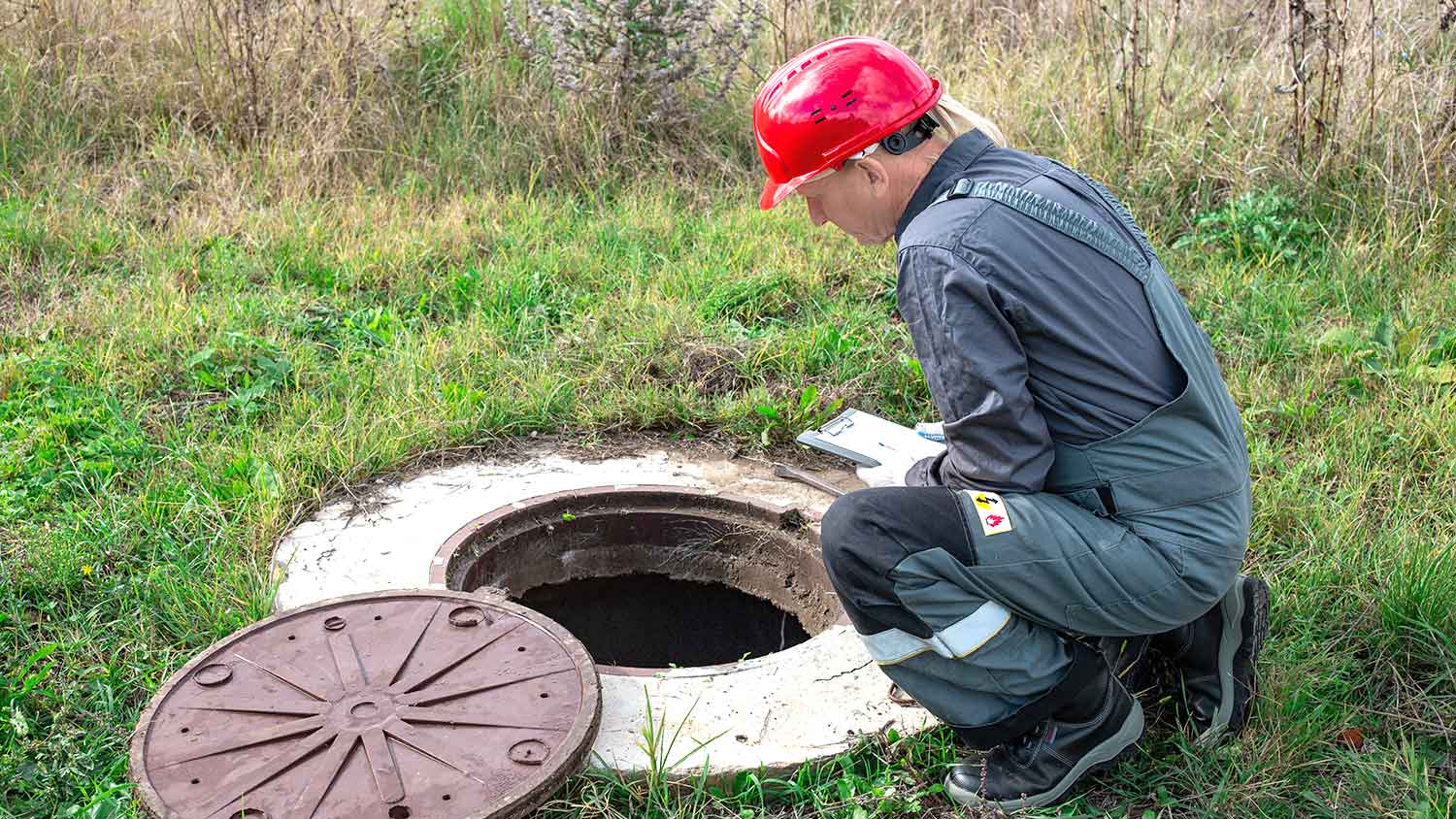
The cost of a well inspection depends on the design of your well, the location of your property, and the add-ons you select. Use this guide to plan your budget.
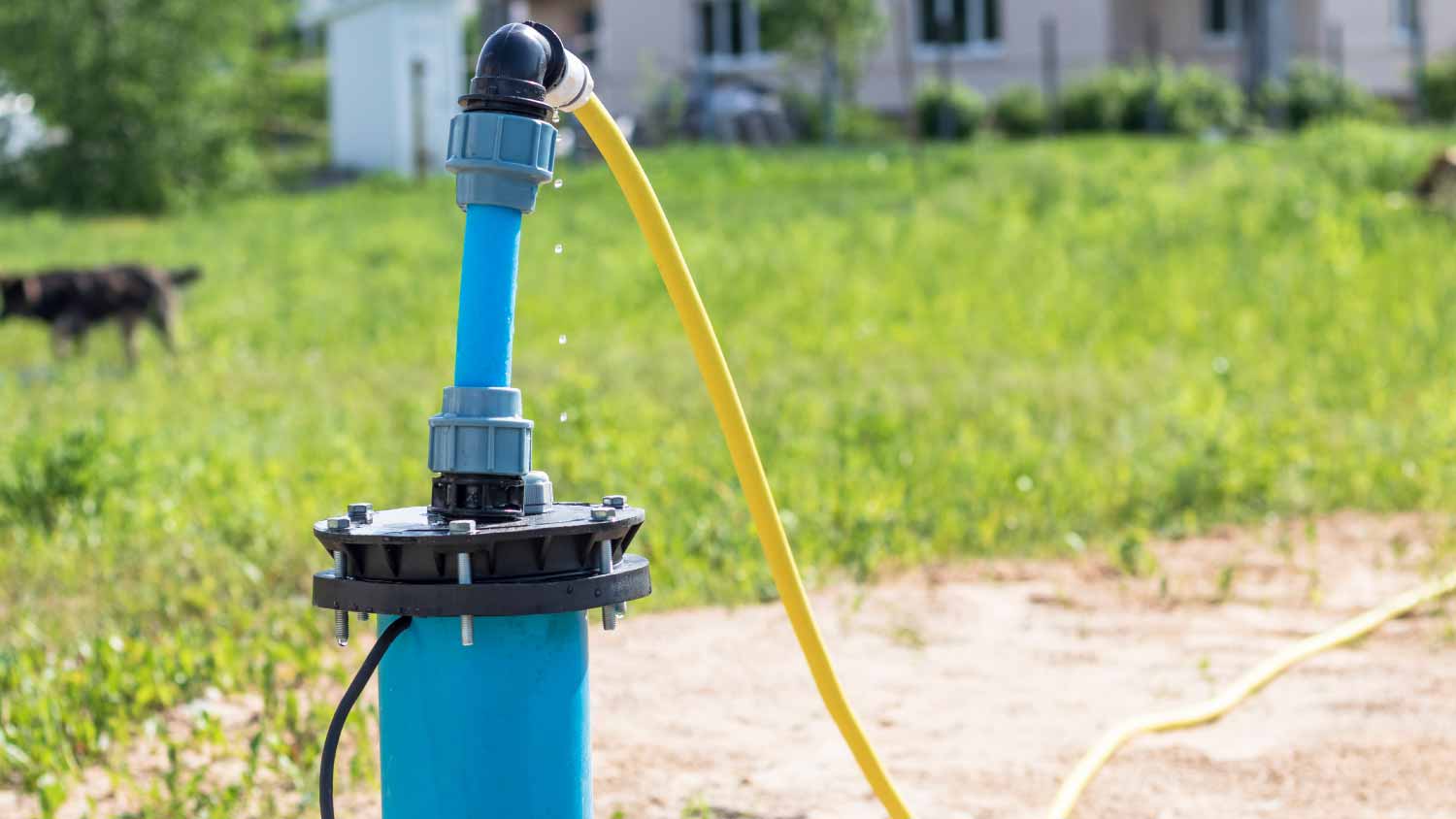
The cost of a well casing replacement depends on materials, well depth, and labor. This guide will help you find the right casing for your well and budget.
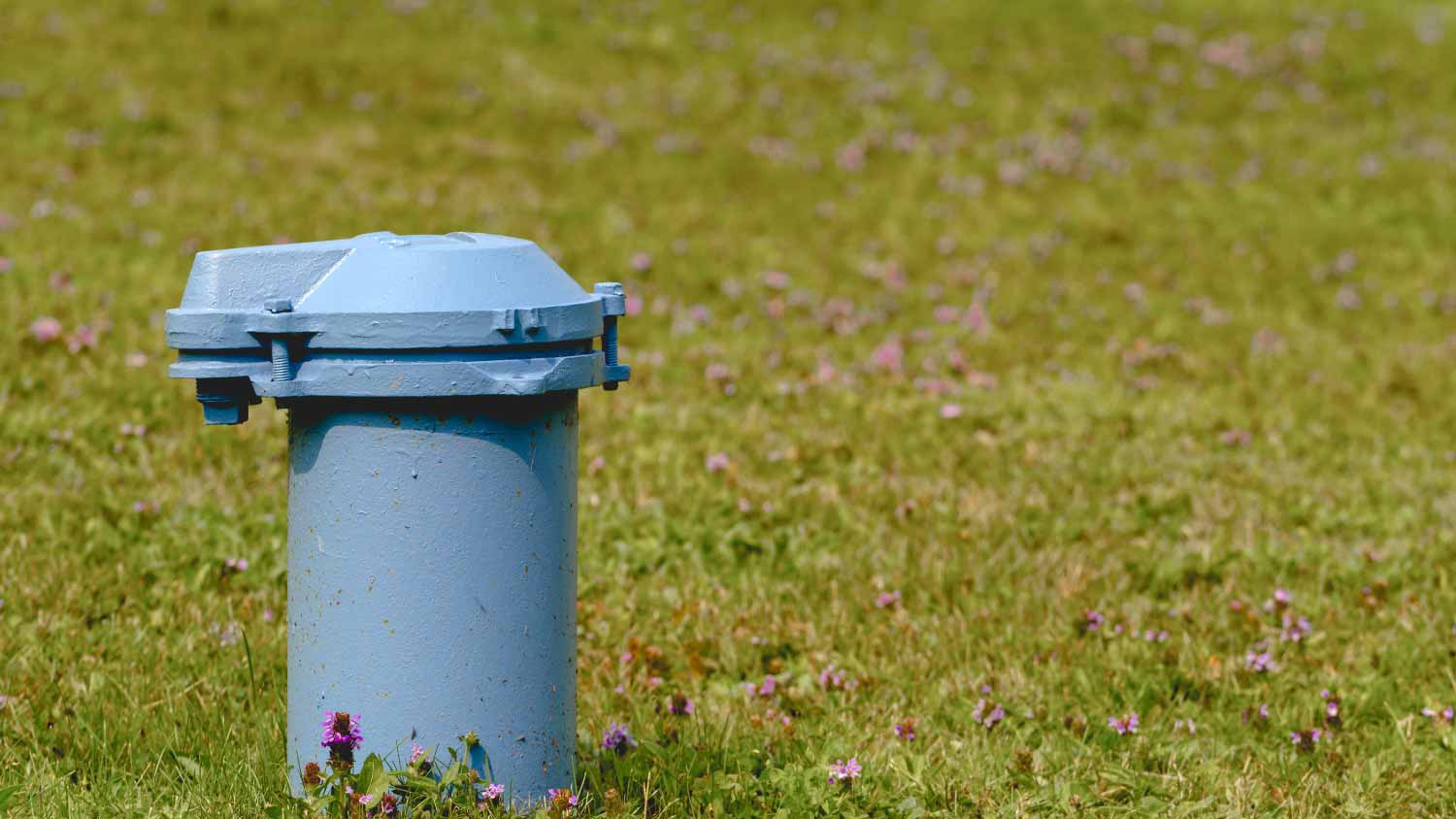
Ready to install a new well? Aside from finding out if you can drill your own well, we’ve got even more details on whether your state and city will allow it.

The four types of well pumps are submersible, jet, centrifugal, and hand pump. Choose the appropriate one based on the depth and size of your property’s well.
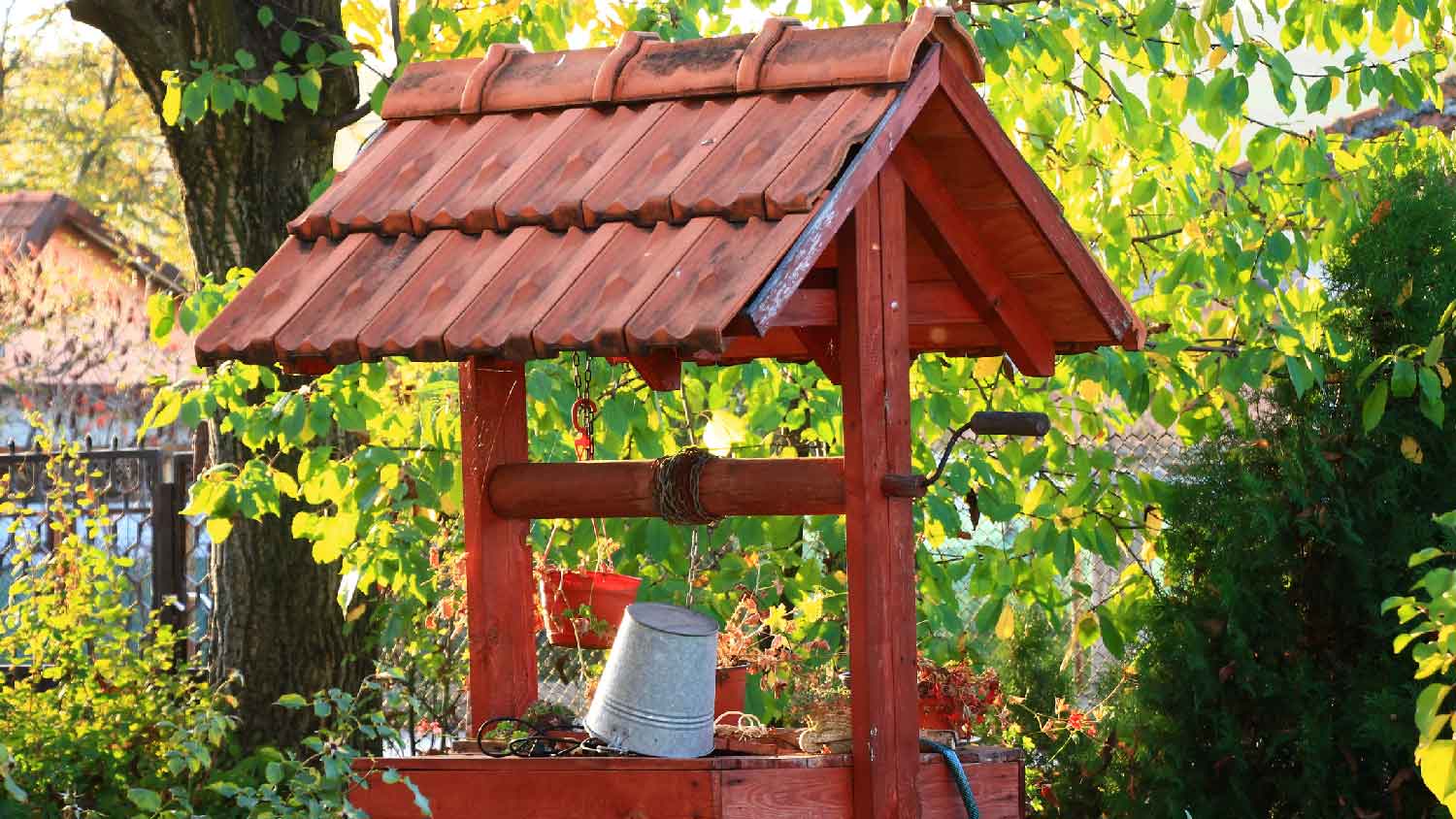
Explore the differences between what well water is and what city water is. Learn more about the pros and cons of having your own well at home.