
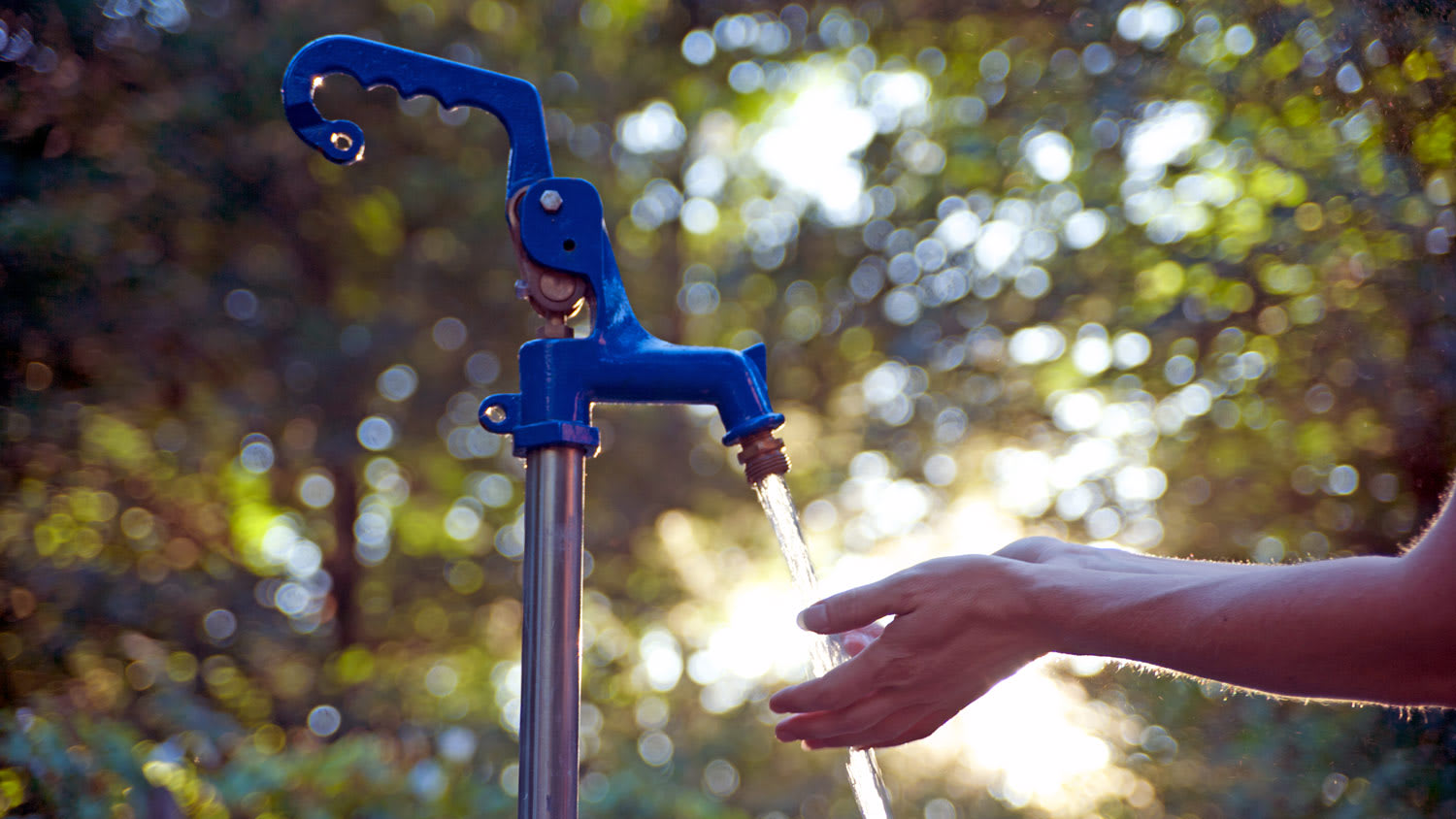
Drilling a well is no small feat. You’ll need to plan for excavating, a pump, and more. This guide will help you estimate and manage your well drilling costs.
Get down and dirty with DIY well drilling

Digging a well by hand isn’t easy, but it can definitely be rewarding (and earn you bragging rights) if you do it correctly. However, this isn’t a DIY for everyone. In fact, if you don’t have extensive experience in similar projects, you should probably leave this one to a pro. A tiny misstep can leave you with a huge, hazardous hole in your yard and unclean drinking water. If you're confident in your abilities and have some experience, here’s how to dig a well by hand.
Water quality can have a big impact on personal health, which is why some jurisdictions require you to get permits or mandate that the job be done by a pro. You’ll also want to get information about nearby septic systems, utility cables, and other important underground systems on your property. Most states have an 811 call-before-you-dig hotline to help you with this process.
Permit requirements and local laws got your head spinning? Call in a pro just to be safe. They’ll have no problem pulling the required permits and ensuring the job is up to code. Drilling a well costs $3,000 to $9,000 when you hire a pro to do it.
Your well can’t go just anywhere. To find a spot that’s both easiest to drill and has high water yield, steer away from large rocks and boulders. Heavy sand and gravel deposits typically have high water yield and are easy to dig, and areas with dense vegetation or with nearby bodies of water can hint at water sources below the surface.
The location is very important because it determines the quality of your water. If you make a mistake here trying to DIY a well, you may not have safe water after all the work you’ve put in. It’s always safest to hire a pro to dig a well for you.
For access to fresh and clean water, ensure your well’s location is far away from any unsanitary areas, such as septic drainage fields, sewage lagoons, or animal pens. Bacteria can seep into the groundwater in these areas and contaminate the well, which can result in serious illness. The exact distance varies depending on your property’s soil type, the direction of the groundwater flow, and other factors, but most professionals recommend at least 100 feet between your well and contaminated areas.

Once you’ve determined the right spot for your well, it’s time to start digging. You can choose between a hand auger or a well point for this task, both of which should create a hole just wide enough for your well pipe to fit in the ground. You’ll use some of the dirt later to pack in the well, but you can otherwise repurpose it for your landscaping, garden, or other parts of your home. The actual depth of your well depends on the terrain and other factors, but most shallow wells range from 10 to 30 feet.
To dig a hole with a hand auger, start by turning the device in a clockwise direction in the ground to displace the soil. Remove and empty the auger when it’s full, then continue this process until you reach your desired well depth. If your auger is too short, you can extend it with a drill rod.
The well point method requires fewer tools than the hand auger method. Using a PVC well pipe and a sharp well point attached at the end of the well screen, drive the well point down into a small pre-dug hole. Depending on how tough the soil is, you can use a rubber mallet, hammer, or wrenches to drive the pipe into the ground. As you screw the well point into the ground, add pipe extensions by screwing the joints together.
After you dig the well, you can install the well pump. If you opt for the well point method, the PVC pipe will already be in position in the ground. If you use an auger or another method, you’ll need to position your PVC pipe in the ground. Before you lower it into the ground, make sure you have a cap on the bottom to reduce sediment as well as a foot valve to create a one-way water flow. To secure it in place, you can choose to pack the area around the pipe with excess dirt, gravel, cement, or a bentonite and sand blend.
Installation can vary between different types of pumps or manufacturers, but they follow the same general guidelines. With an adaptor on the pipe, attach the well pump and make sure it’s fitted to be air and watertight.

Before you start enjoying your fresh well water, take a few samples to send to a local lab to test and verify that no bacteria or other contaminants are present. You can also purchase home testing kits that allow you to periodically check on the quality of your well water. Finally, install a well cover that can protect your water and well from weather, pests, and other hazards.
Some jurisdictions may not allow DIY well digging, and it can take substantially longer when compared to a professional. Digging a well by hand also limits you to shallower depths—any deeper than 30 feet, and you’ll probably need a drill to safely do the job.
Hiring a local water well driller can be more costly, at $3,100 for a 50-foot well, but it comes with its own advantages. Professionals are familiar with legal and safety requirements and have the right toolkit of equipment and experience to install your well safely and efficiently. This is especially true if you want a deep water well that requires a drill for installation. Keep in mind that factors such as the soil type, well pump size, and type of well can influence the final cost.
This service was great. My air conditioner went out during the heat spell that we had. My husband has health issues and they came out that night and at 9:30pm the air conditioner was fixed and running. We are sooo very thankful, this is the company I will be using from now on and would...
 Mr. Mechanical Ohio
Joseph did a great job with the staircase and trim. Timely and efficient, clear communication about the work, very fair pricing. For the stairs in particular, done very skillfully in an old house (1893) in a tight spiral, and very creative with how to do the handrail. Did a nice job with...
 Vouis Trim Carpentry L.L.C.
Great experience!! Dion was prompt, professional and very polite. He is hands down the best plumber I have ever used.
 Mercenary Remodeling & Handyworks
Cole has been handling plumbing and general contracting for our four properties over the past three years, and he’s always done a great job. Most recently, he installed a sink and countertop in our retail store where none existed before, and it turned out exactly how we needed. He’s...
 ANB Renovations LLC
Matt is a consummate professional. The work turned out to be far more difficult than expected and rather than turn the job down, Matt rose to the occasion and completed a near impossible task. I can not recommend Greene's Plumbing Service more highly. On a scale of 1-5 I would give Matt a...
 Greene's Plumbing Service
The technician was very professional and friendly. He answered all my questions and was very thorough. He left the fireplace area very clean . He inspected from the roof and advised me as to other work that might need to be done. There was no pressure there. I was very satisfied with the...
 Supreme brick & chimney
Custom Paint Jobs LLC pays attention to every detail, ensuring a job well done every time.
 Custom Paint Jobs, LLC
When we had the winter freeze, I called Quantum Waterworks Waterline & Drain Cleaning Services and within 1 hour I received an e-mail and he sent someone out the next day and he was on time, he was nice and did the job quickly and cleaned up after himself. We had a leak in our kitchen from...
 Quantum Waterworks Waterline & Drain Cleaning Services, LLC
From the beginning , every appointment was met with punctuality! The day of installation, they arrived on time and worked tirelessly all day until the job was finished. ( Even through a very heavy down pour) Ilia, the owner is a professional, knowledgeable, and fair man. He is absolutely, and...
 Window Depot USA of Central Ohio
The service was excellent! They gave me a quote, and had it done 4 days later. My driveway looks amazing, very professional! I would definitely recommend their service to anyone. I have had neighbors stop by and ask for their information as well.
 All Star Paving and Sealing
From average costs to expert advice, get all the answers you need to get your job done.
Drilling a well is no small feat. You’ll need to plan for excavating, a pump, and more. This guide will help you estimate and manage your well drilling costs.
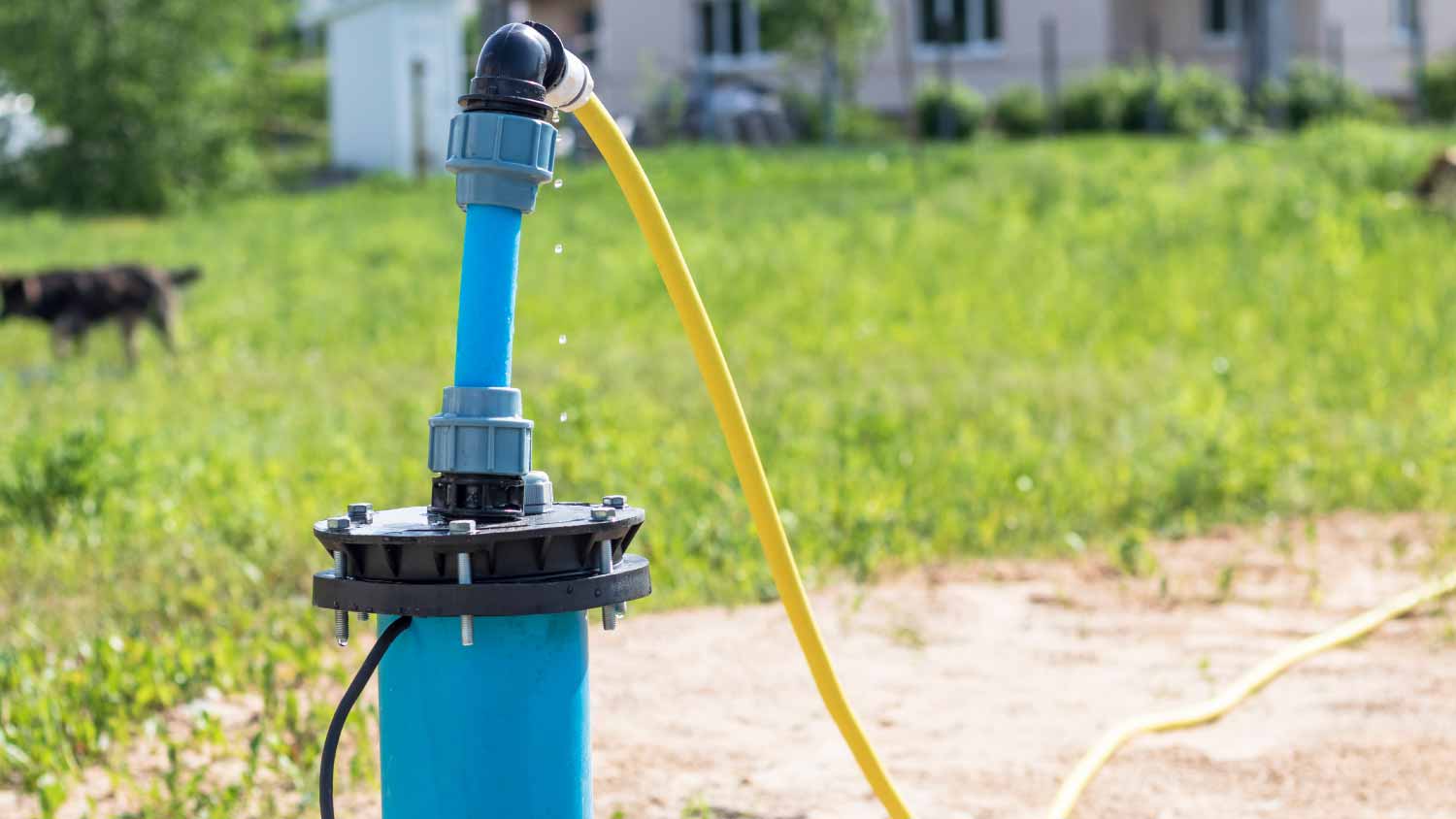
The cost of a well casing replacement depends on materials, well depth, and labor. This guide will help you find the right casing for your well and budget.
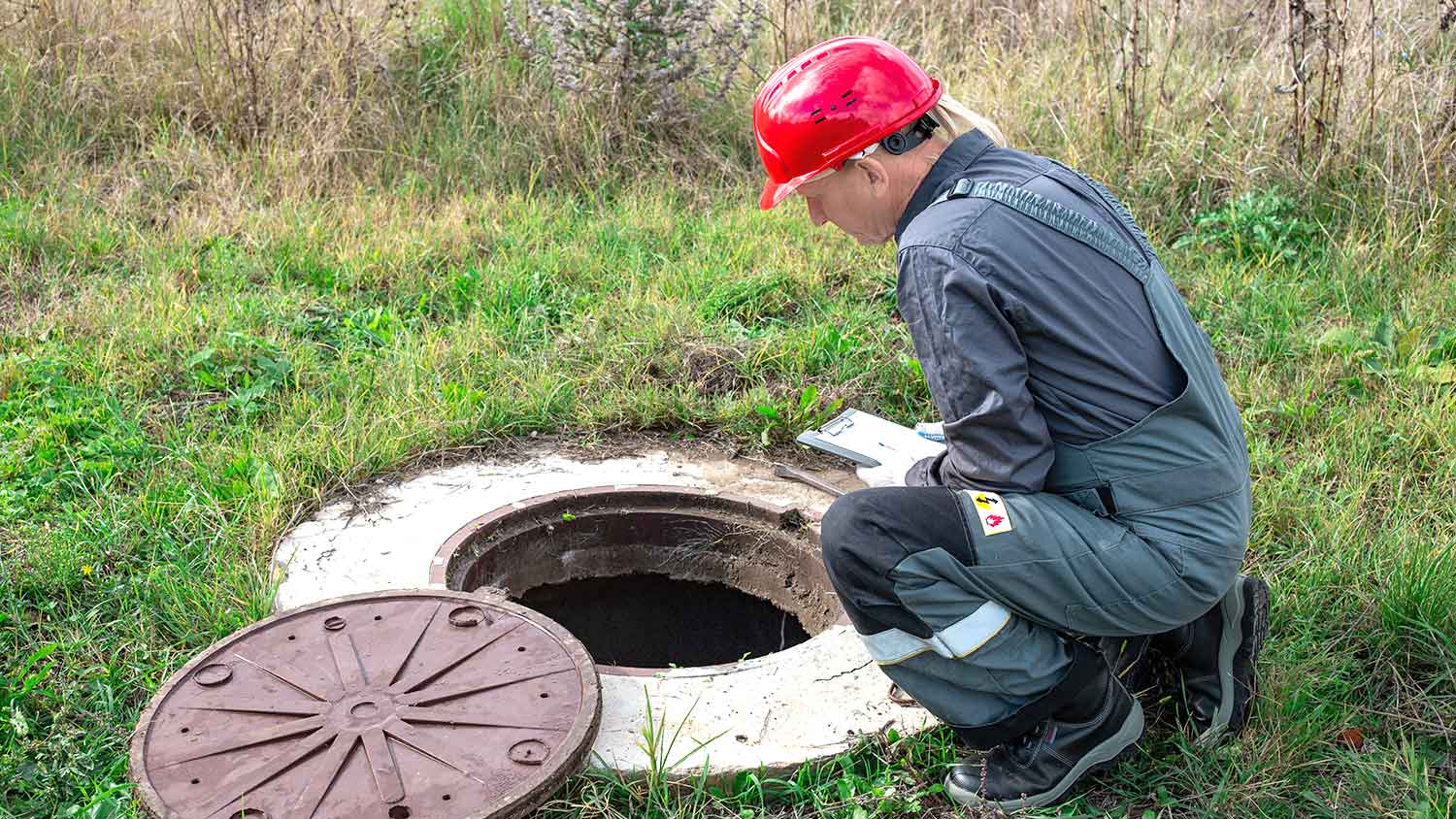
The cost of a well inspection depends on the design of your well, the location of your property, and the add-ons you select. Use this guide to plan your budget.

Can you have a well on private property? It all depends on local laws. Find out everything you need to know about whether you can dig a well on your property.
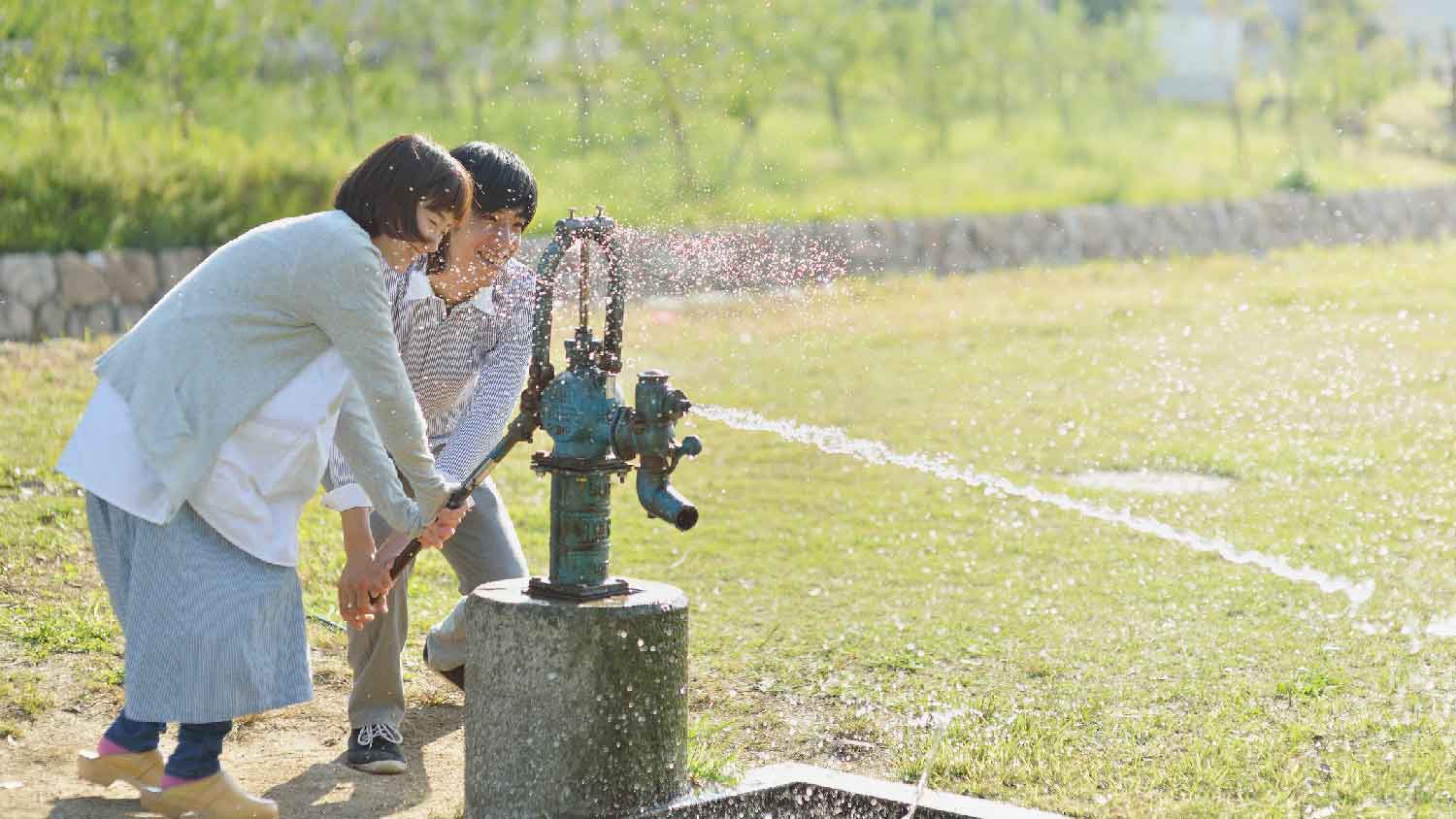
From costs to complexity and safety, uncover the realities of DIY well drilling. Learn when it’s wise to roll up your sleeves or when to call in a professional.
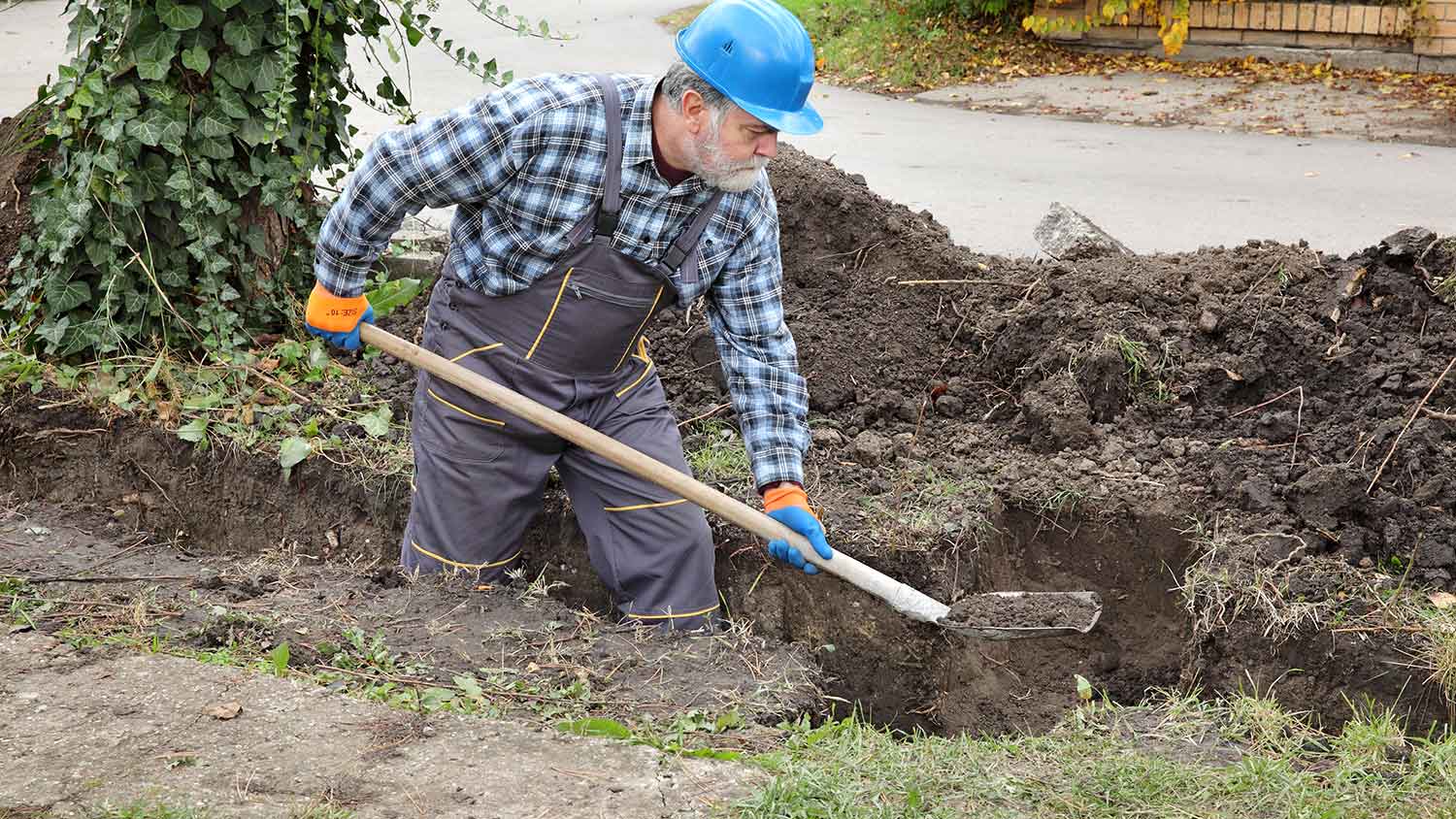
Digging a trench can take two to 12 hours, depending on the tool and soil type. Learn how long it takes to dig a trench and how to speed up the project.