
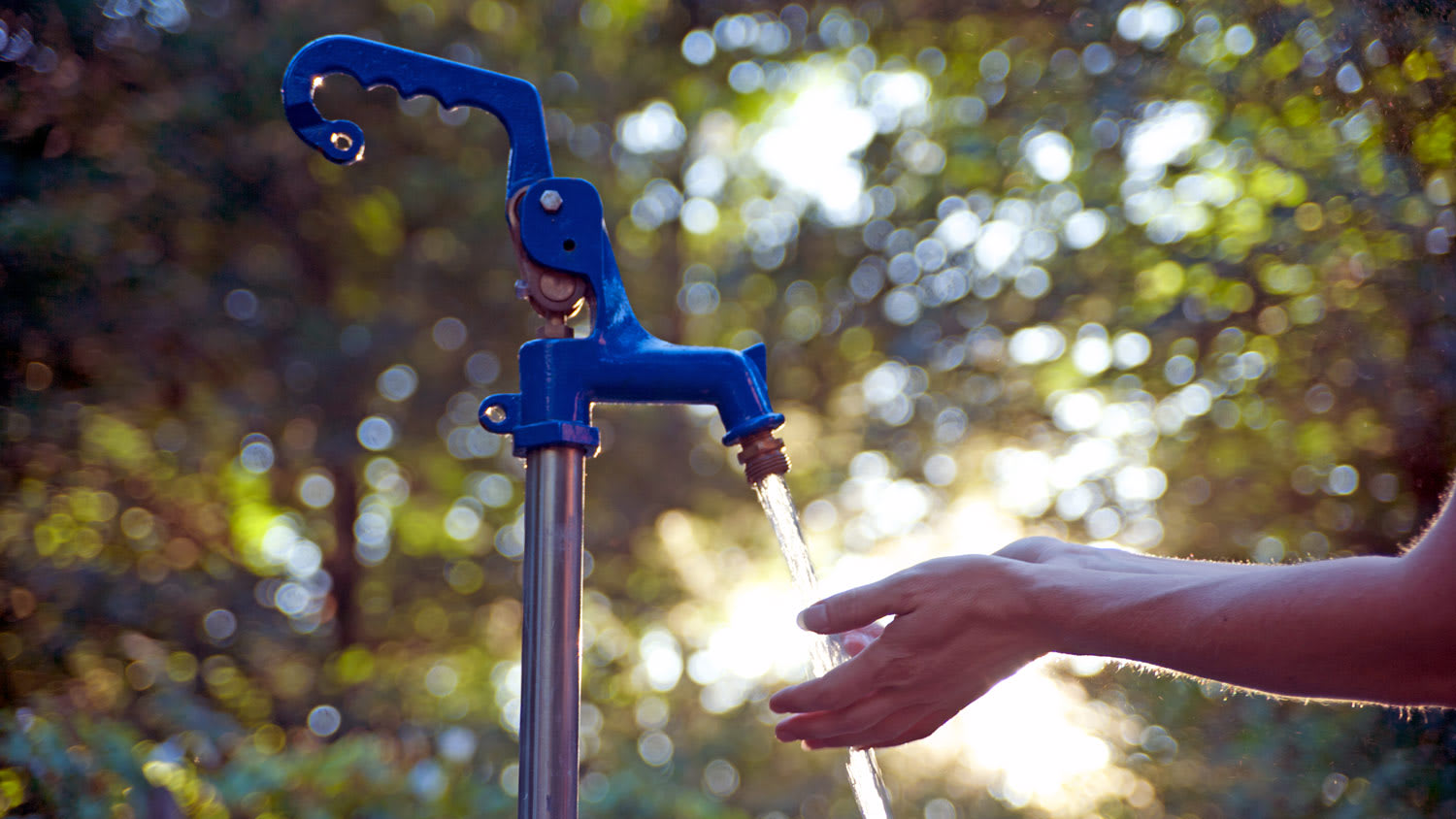
Drilling a well is no small feat. You’ll need to plan for excavating, a pump, and more. This guide will help you estimate and manage your well drilling costs.
Dig into the details of drilling your own well

DIY well drilling for shallow wells works when your water table is 25 feet or less, but deeper wells need specialized equipment and professional expertise.
Expect to pay $15 to $60 per foot for professional drilling, with average costs around $5,500 for a 150-foot well, compared to $2,500 for DIY.
Your state and local regulations determine whether you can legally drill your own well, so check permit requirements before starting any work.
Hiring a local well pump professional keeps deep well drilling on track with proper equipment and handles installation, testing, and sanitizing correctly.
Whether you’re adding a new well water system for your home or an extra water source for agricultural needs, you may be looking for ways to save some money on the installation. One way is to skip the contractors and go straight to drilling a well yourself. Explore the feasibility of home drilling, factors and costs that influence drilling difficulty, and some steps to take before you start drilling on your own.
In many cases, it’s possible to physically drill your own water well, but the legality of it does depend on where you live. Water regulations are primarily handled on a state level, which means that some states make it easy to access DIY well-drilling permits while others require a professional well contractor to manage any well drilling.
For example, in Alabama, only those with a well-drilling license can drill wells, whereas Hawaii only requires that you apply for the proper permits.
If you’re considering drilling your own well, the first step is to research local regulations to see if private homeowners are allowed to drill in your state. A quick trip to your municipal office can usually provide you with all the information you need.
In addition to local regulations, there are a number of factors that determine the feasibility of drilling your own well water system, including the well depth you need, the type of ground you have, and the location of the well.
Whether you’re drilling a shallow well (typically 25 feet or less) or a deeper well (more than 25 feet) depends on your water table and your intended uses.
In some areas, you’ll find water at a shallow depth, whereas in other places you’ll need to drill deeper to access an underground stream or aquifer. Well depth also depends on how much water you need to access—shallow wells are often used for outdoor watering, gardening, and weekend use. Homes with multiple people using water appliances, showers, taps, and toilets often need more water than a shallow well can provide.
Shallow wells are generally much easier to drill yourself, and they can be done in a couple of days with a general-purpose auger. Deep wells typically require specialized equipment like a pneumatic drill and air compressor, and they can take days to weeks to complete.
Soil, clay, and even hard clay can usually be drilled through with relative ease, especially if you’re only drilling a shallow well with an auger.
Drilling through rock typically requires a professional well contractor with heavy-duty equipment.
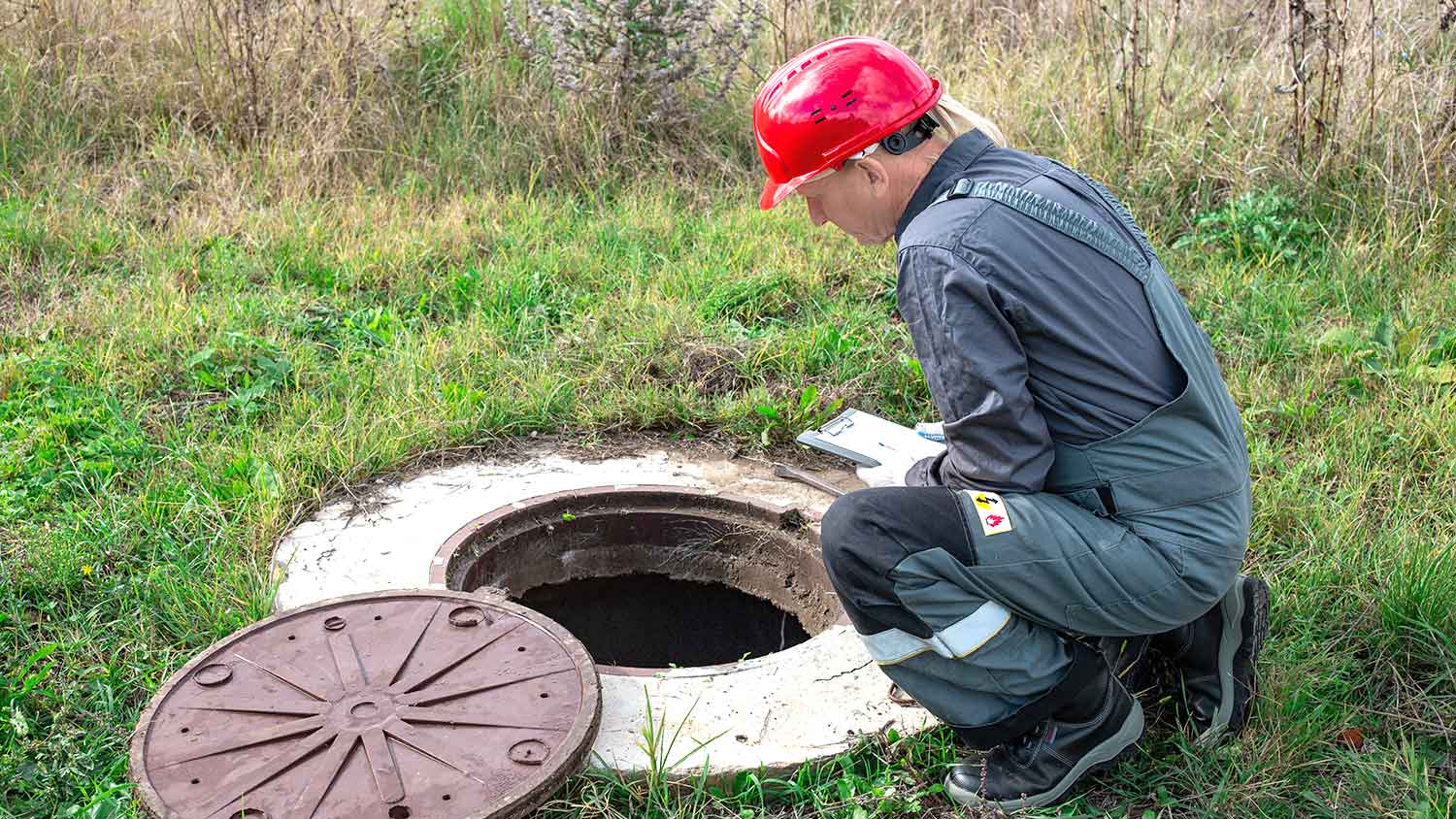
When you’re looking for a place on your property to drill, it’s important to pick a spot that’s uphill from any septic or agricultural runoff. These can seep into the ground and the water table and contaminate your well. Aim to have your well at least:
100 feet from any cesspools
50 feet from holding tanks and septic tanks
If your potential well location is within easy reach of a power source, you’ll have a much easier time drilling (it’s possible to use old-fashioned hand augers, but it’s definitely a lot of work). However, if a safe well location means it’s difficult to access a power source, it might be easier to call in a professional who can bring their own equipment.

Well drilling cost can factor into whether you want to drill your own well. Hiring someone to drill your well can range from $15 to $60 per foot, with a national average of $5,500 for a well that’s 150 feet deep.
In contrast, DIY well drilling typically costs about $2,500. You’ll need:
A well drilling kit, which ranges from $300 to $2,400 depending on the type. A general-purpose auger for shallow wells is around $300 and pneumatic kits for deep wells start around $700.
A well pump which starts around $600
A water storage tank starting at $500
PVC pipe (depending on the depth of your well, this often starts around $600)
Permit and licensing, ranging from $300 to $700 depending on local regulations
When you’re calculating the cost of drilling your own well, it’s also worth considering the value of your time and effort. Smaller well projects like shallow wells may only take a few days. Deep wells need heavy-duty equipment and can take weeks, which can add up in terms of your labor hours.
If you’ve decided that drilling your own well is a good fit for your property, there are several steps to take to prepare.
Even in states that allow homeowners to manage their own drilling, you’ll typically need a permit before you drill. You may also need water rights, and both of these often have a fee.
Permits and licensing can range from $300 to $700 depending on your local fees. Your municipal office can advise you on what permits you need and any licensing fees you’ll need to pay.
Municipal offices aren’t just a helpful place to learn about permitting—they often store local well drilling logs that may be accessible to the public. These logs can tell you things like the depth of the water table in different areas and information about the ground composition in your area.
Consulting these logs before you drill can also help you decide whether DIY drilling is feasible for you. If you discover that water table access varies significantly, or that there’s bedrock just below the soil level, it can save you time and effort before you attempt drilling that doesn’t work.
It’s essential to locate any power and water lines on your property before you start drilling. Hitting one of these isn’t just extremely dangerous, it can also result in steep fines from the utility company.
The property details from your home purchase may include information on underground lines, but it’s also a good idea to give your local utility company a call. They can help you locate the lines so you can find a safe place to drill your well.
Drilling your own well can be a fun, productive weekend project if all the factors align. Digging a shallow well in soil or clay can be done with a general auger and usually only takes a few days. Bring in a few extra hands (and add some good weather) for a quick, cost-friendly job.
However, if you have any complicating factors it’s usually best to bring in a pro. Deep wells are extremely labor-intensive and can take weeks to drill on your own. There’s also a higher chance of running into rock while you drill, which requires specialized equipment to dig through.
Once the drilling is done, you’ll also have to install a well casing, put in a well pump, and set up your well pressure tank. Don’t forget to test and sanitize the well any time you make new installations or repairs to ensure the water is safe for drinking. If you feel confident in one part of the well drilling process but not another, you always have the option to call in a local well pump contractor near you to take on the installation so you know it’s done correctly.
This service was great. My air conditioner went out during the heat spell that we had. My husband has health issues and they came out that night and at 9:30pm the air conditioner was fixed and running. We are sooo very thankful, this is the company I will be using from now on and would...
 Mr. Mechanical Ohio
Joseph did a great job with the staircase and trim. Timely and efficient, clear communication about the work, very fair pricing. For the stairs in particular, done very skillfully in an old house (1893) in a tight spiral, and very creative with how to do the handrail. Did a nice job with...
 Vouis Trim Carpentry L.L.C.
Great experience!! Dion was prompt, professional and very polite. He is hands down the best plumber I have ever used.
 Mercenary Remodeling & Handyworks
Cole has been handling plumbing and general contracting for our four properties over the past three years, and he’s always done a great job. Most recently, he installed a sink and countertop in our retail store where none existed before, and it turned out exactly how we needed. He’s...
 ANB Renovations LLC
Matt is a consummate professional. The work turned out to be far more difficult than expected and rather than turn the job down, Matt rose to the occasion and completed a near impossible task. I can not recommend Greene's Plumbing Service more highly. On a scale of 1-5 I would give Matt a...
 Greene's Plumbing Service
The technician was very professional and friendly. He answered all my questions and was very thorough. He left the fireplace area very clean . He inspected from the roof and advised me as to other work that might need to be done. There was no pressure there. I was very satisfied with the...
 Supreme brick & chimney
Custom Paint Jobs LLC pays attention to every detail, ensuring a job well done every time.
 Custom Paint Jobs, LLC
When we had the winter freeze, I called Quantum Waterworks Waterline & Drain Cleaning Services and within 1 hour I received an e-mail and he sent someone out the next day and he was on time, he was nice and did the job quickly and cleaned up after himself. We had a leak in our kitchen from...
 Quantum Waterworks Waterline & Drain Cleaning Services, LLC
From the beginning , every appointment was met with punctuality! The day of installation, they arrived on time and worked tirelessly all day until the job was finished. ( Even through a very heavy down pour) Ilia, the owner is a professional, knowledgeable, and fair man. He is absolutely, and...
 Window Depot USA of Central Ohio
The service was excellent! They gave me a quote, and had it done 4 days later. My driveway looks amazing, very professional! I would definitely recommend their service to anyone. I have had neighbors stop by and ask for their information as well.
 All Star Paving and Sealing
From average costs to expert advice, get all the answers you need to get your job done.
Drilling a well is no small feat. You’ll need to plan for excavating, a pump, and more. This guide will help you estimate and manage your well drilling costs.
The cost of a well inspection depends on the design of your well, the location of your property, and the add-ons you select. Use this guide to plan your budget.
The cost of a well casing replacement depends on materials, well depth, and labor. This guide will help you find the right casing for your well and budget.

Can you have a well on private property? It all depends on local laws. Find out everything you need to know about whether you can dig a well on your property.

From costs to complexity and safety, uncover the realities of DIY well drilling. Learn when it’s wise to roll up your sleeves or when to call in a professional.
Dug wells and drilled wells are two common types of wells for homes. Go deep by learning the differences between dug vs. drilled wells.