
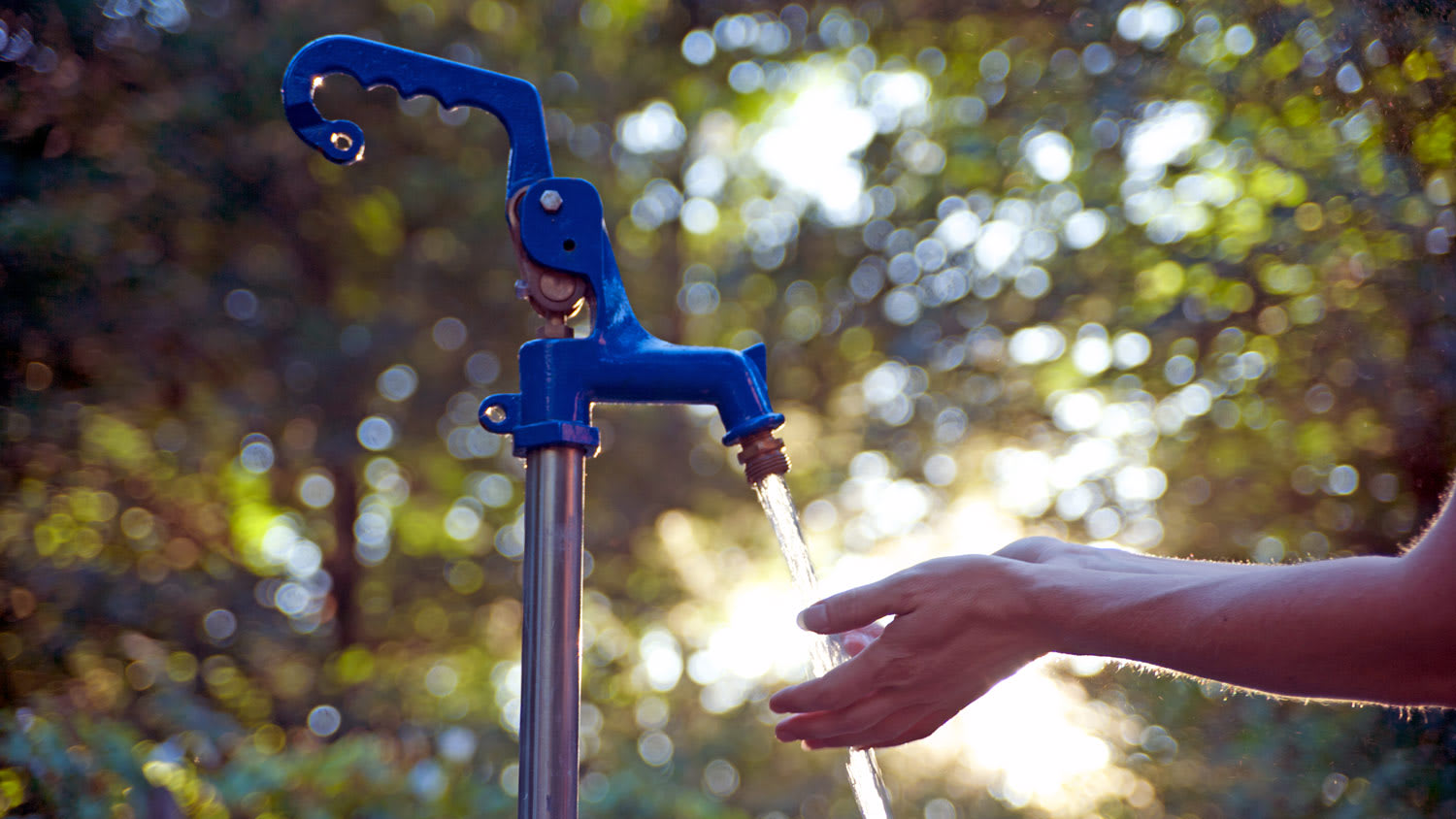
Drilling a well is no small feat. You’ll need to plan for excavating, a pump, and more. This guide will help you estimate and manage your well drilling costs.
Dig deep and tap into your own sustainable source of water

Digging a well by hand suits soft soil and demands hard labor, and you need heavy equipment for rocky ground.
Expect to pay $1,500 to $6,000 for professional well drilling, while DIY materials cost around $2,500, not including permits, inspections, or additional labor.
Your well location should stay far from septic tanks and sewers, and you should confirm required depth and permits with local authorities.
Hiring a local well pump professional helps you drill deeper for reliable water, and install the protective pipe lining that keeps the well sealed.
Whether out of curiosity or by necessity, many homeowners have entertained the idea of DIY well drilling. You can drill your own well and tap into a sustainable source of water straight out of the earth. To access well water safely, take the necessary steps before, during, and after digging a well. When in doubt, consider hiring a professional for the job.
For some people living in more remote areas, digging a well may be the only way to access a sustainable water supply. But, even suburban folks can benefit from learning how to drill a well. There are differences between well water and city water, of course, but DIY well drilling can provide a reliable water source in case of an emergency.
Depending on your needs, budget, and skill level, you may be able to drill your own well for water. Water well kits are available online, or you may buy individual supplies from the hardware store.
In some cases, hiring a professional may be warranted. This is especially true for digging deep-water wells or connecting the well to your home’s water supply system. Well-digging specialists have the equipment, experience, and expertise to get the job done right.
If you decide to take the DIY route, well drilling costs around $2,500 for the cost of materials alone. This does not include the possible cost of permits, inspections, and any additional labor.
Among the supplies you may need are:
Well drilling rig kit
Well pump
Water storage tank
PVC pipe
Well screen
Gravel and cement
If you would prefer to leave it to the professionals, local well pump companies usually charge around $1,500 to $6,000 to drill a well. A deeper well, going as far down as 400 feet, costs more than a shallower one. Local water levels can determine how deep your well needs to go. Other factors include casing diameter and ground conditions. A larger casing for a well through rocky or sloped soil will cost more.

Before you can start drilling, you have to choose where you’re going to dig your well. The right location is important not only for tapping into a good source of water but also to abide by local laws and regulations.
It is legal in most states to drill a well on your own property. But, you may need to get a permit to drill beyond a certain depth. Similarly, be sure to check with local utility companies. You don’t want to dig into hidden underground electricity, gas, or telephone lines.
You can’t have a working well without a good source of water. A healthy tree means that its tap root has found water—this may be a good place to start. You can also reduce the needed depth of your well by choosing a lower location, like at the bottom of a hill rather than the top.
Consider the soil’s porosity and composition. Soft clay is much easier to drill than hard rock. This can impact where you choose to dig, especially if you are drilling your well by hand. Get beyond the surface layer of topsoil for a closer look at what’s underneath. You can also find information via your county agriculture extension office.
When choosing your well location, you’ll want to avoid sources of contamination, like septic tanks, sewers, and animal pens. Their harmful contents can seep into the surrounding soil, leeching straight into your water supply. Choose a well location that’s as far away from these types of contaminants as possible.
There are several options for DIY well drilling, but they all do basically the same thing. To drill your own well, you will need a way to dig and hollow out a column of dirt until you reach the underground water table. Then, you will need to secure and protect that water source, using a well pump to deliver that water to the surface. There’s no need for an extra wide well with a bucket on the end of a rope! You’ll only be digging a well a few inches wide.

The actual method for drilling the hole for the well can vary. In most cases, you will continuously flush the hole with water as you drill. This helps to bring the cuttings (the solid material from the ground) to the surface, so you can keep digging deeper. A water drill uses the high pressure of the water along with an abrasive substance to cut through the soil. Rocky terrain may call for a professional drilling rig that can break up the harder material.
An adjustable hand auger is a tool with a helical bit for boring holes in the ground. Use it with extendable attachments to reach the desired depth.
Cut teeth into the end of a 2-inch PVC pipe to use as a drill pipe.
Rotate the PVC pipe back and forth while working it into the ground.
Run water through the pipe, so the resulting upward flow around the outside of the pipe can bring cuttings to the surface.
Keep moving the dirt out of the way as you remove it from the drill hole.
Drill past the topsoil and the first layer of clay until you reach water-bearing sand. When you do, dig at least five feet into this layer.
Your DIY well drilling project will depend on local conditions. While you may drill a shallow well that’s only 25 feet deep, a depth of at least 100 feet is recommended to provide good ground filtration to remove impurities and surface contamination. Deeper wells of 200 to 500 feet typically access water that has been filtered through layers of rock and soil. Calculating the depth of your well will be an important step in the planning process.
A well screen filters out debris and sand while allowing water through. You can buy a premade well screen pipe, or make your own by cutting hundreds of very thin horizontal slits into PVC pipe using a hacksaw. The purpose of the well screen is to keep the water reasonably clean. The slits must be thinner than a grain of sand.
Cement a 1 1/4-inch well screen pipe to the end of a 1 1/4-inch PVC pipe.
Put this length of PVC pipe inside a 2-inch PVC drill pipe, reaching the bottom of your well.
Suspend it about six inches to a foot from the bottom of the well. Do this by hitting the bottom of your well, marking the location on your 1 1/4-inch PVC pipe, and lifting it six inches to a foot to make a new mark.
Remove the 2-inch PVC pipe, if you use it, being careful not to lift the 1 1/4-inch PVC with it.
The next step is to install the well pump. You may have a manual hand pump, electric pump, or jet pump. Well pump replacement costs depend on the type of pump you’d like to have. Foot valves allow water to be drawn in but no escape back out.
Place the well cap and then install the well pump on top
Test the pump to make sure it works
Bail the well and flush out the dirty, non-potable water at the bottom
Keep working your pump until the water runs clear

Pour pea gravel into the space between the 1 1/4-inch PVC pipe and the walls of the hole that your 2-inch PVC pipe created. Once you’ve covered the well screen pipe completely with gravel, continue filling the space with the dirt you removed from the hole. You may choose to use other materials to reinforce this section too, like reinforced mortar cylinders. Keep going until you are about six inches to a foot from the surface.
For this final section of six to 12 inches, pour cement around the head of the well to seal it. This will help to prevent contamination from the surface. It also helps to prevent the formation of mud flats. Leave the cement alone for a few days to cure.
DIY well drilling, especially by hand, can involve a lot of hard, physical labor. It can also be a rewarding experience that’s flush with opportunities for greater self-reliance. To keep the process moving smoothly, keep the following tips and advice in mind.
Always do your due diligence before breaking ground. Triple-check with local authorities and ensure you have all the materials you need.
If you want a larger water source, you may need to consider using a larger PVC pipe than described above for your well.
Cover the hole with a piece of wood when you are not actively drilling. It would be terribly inconvenient if something fell down there.
Take the time to ensure the PVC primer and cement are creating solid connections between the sections of PVC pipe.
A well pressure tank can also supply a larger sustainable source of water. This is a more complex project than a relatively simpler drill well, so you may want to call a professional.
When should you consider DIY well drilling and when should you turn to a pro? To help you decide how to drill a well, we’ve summarized some key benefits of both approaches.
If these apply to you, it might make sense to drill your own well:
You want to learn a new skill
Well drilling kits are widely available near you
You want to save money
You already have the equipment
You live in a very remote area
Equally, there are many reasons why you may want to hire a specialist for the job.
You want a well pressure tank
You want to make sure you protect the water table
You want to dig a deeper well and need heavy machinery to do it
You’re not sure about the ideal well placement
Pros make fewer mistakes and are less likely to cause damage
Pros know about the legal requirements for permits and other paperwork
This service was great. My air conditioner went out during the heat spell that we had. My husband has health issues and they came out that night and at 9:30pm the air conditioner was fixed and running. We are sooo very thankful, this is the company I will be using from now on and would...
 Mr. Mechanical Ohio
Joseph did a great job with the staircase and trim. Timely and efficient, clear communication about the work, very fair pricing. For the stairs in particular, done very skillfully in an old house (1893) in a tight spiral, and very creative with how to do the handrail. Did a nice job with...
 Vouis Trim Carpentry L.L.C.
Great experience!! Dion was prompt, professional and very polite. He is hands down the best plumber I have ever used.
 Mercenary Remodeling & Handyworks
Cole has been handling plumbing and general contracting for our four properties over the past three years, and he’s always done a great job. Most recently, he installed a sink and countertop in our retail store where none existed before, and it turned out exactly how we needed. He’s...
 ANB Renovations LLC
Matt is a consummate professional. The work turned out to be far more difficult than expected and rather than turn the job down, Matt rose to the occasion and completed a near impossible task. I can not recommend Greene's Plumbing Service more highly. On a scale of 1-5 I would give Matt a...
 Greene's Plumbing Service
The technician was very professional and friendly. He answered all my questions and was very thorough. He left the fireplace area very clean . He inspected from the roof and advised me as to other work that might need to be done. There was no pressure there. I was very satisfied with the...
 Supreme brick & chimney
Custom Paint Jobs LLC pays attention to every detail, ensuring a job well done every time.
 Custom Paint Jobs, LLC
When we had the winter freeze, I called Quantum Waterworks Waterline & Drain Cleaning Services and within 1 hour I received an e-mail and he sent someone out the next day and he was on time, he was nice and did the job quickly and cleaned up after himself. We had a leak in our kitchen from...
 Quantum Waterworks Waterline & Drain Cleaning Services, LLC
From the beginning , every appointment was met with punctuality! The day of installation, they arrived on time and worked tirelessly all day until the job was finished. ( Even through a very heavy down pour) Ilia, the owner is a professional, knowledgeable, and fair man. He is absolutely, and...
 Window Depot USA of Central Ohio
The service was excellent! They gave me a quote, and had it done 4 days later. My driveway looks amazing, very professional! I would definitely recommend their service to anyone. I have had neighbors stop by and ask for their information as well.
 All Star Paving and Sealing
From average costs to expert advice, get all the answers you need to get your job done.
Drilling a well is no small feat. You’ll need to plan for excavating, a pump, and more. This guide will help you estimate and manage your well drilling costs.
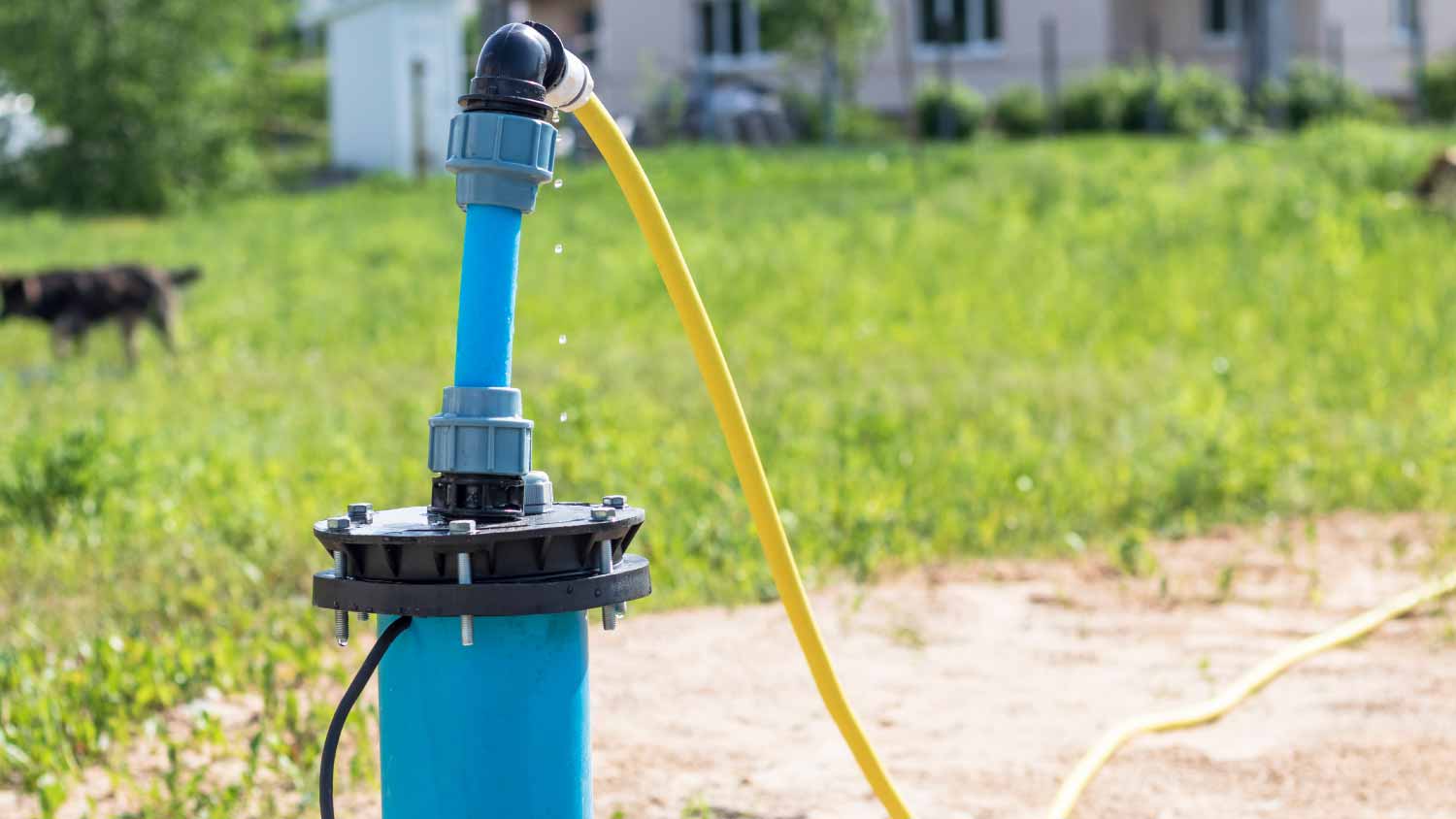
The cost of a well casing replacement depends on materials, well depth, and labor. This guide will help you find the right casing for your well and budget.
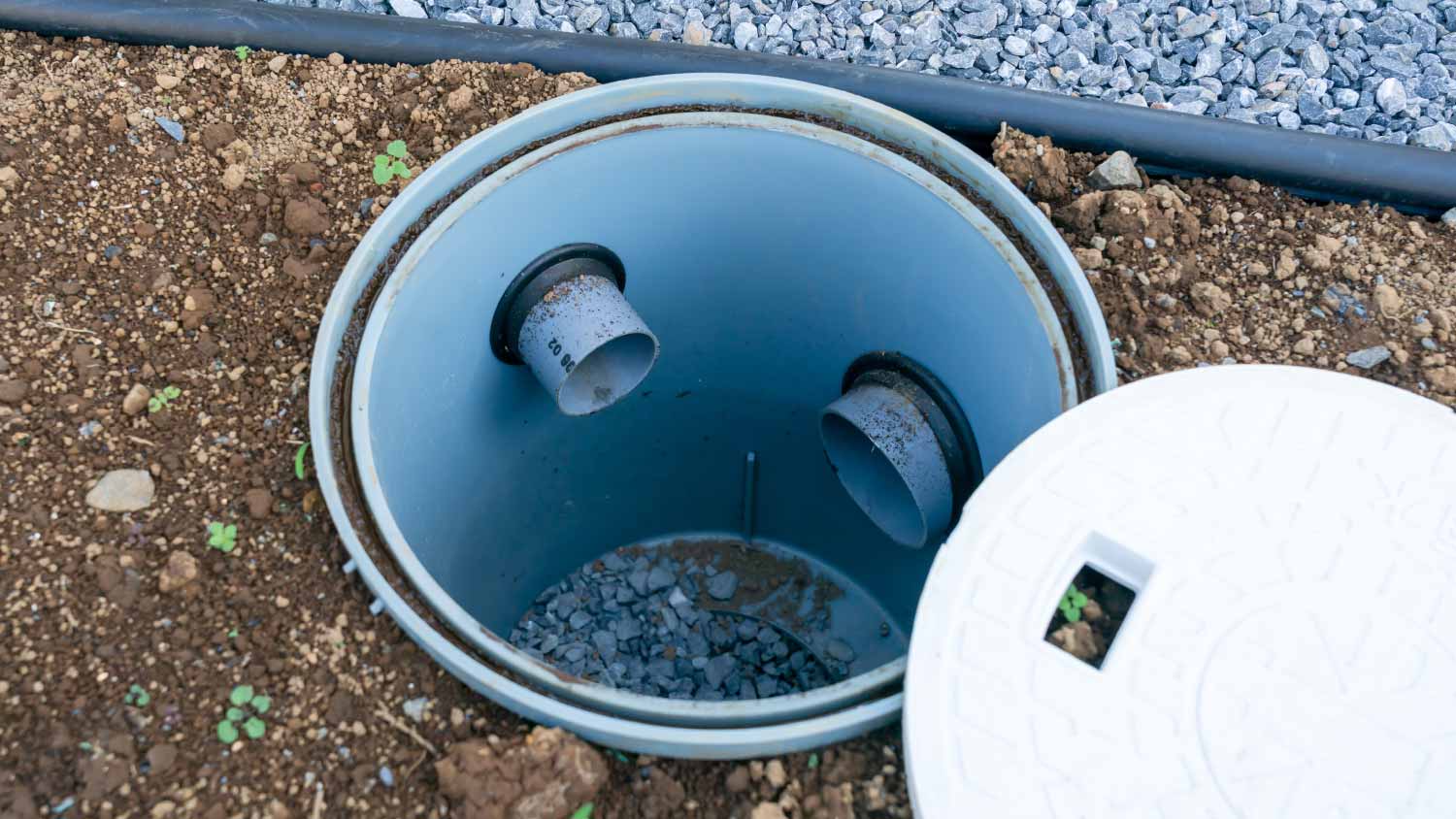
Dry wells are handy for anyone who’s experiencing drainage problems. But dry well installation costs can vary depending on its size, location, and volume.
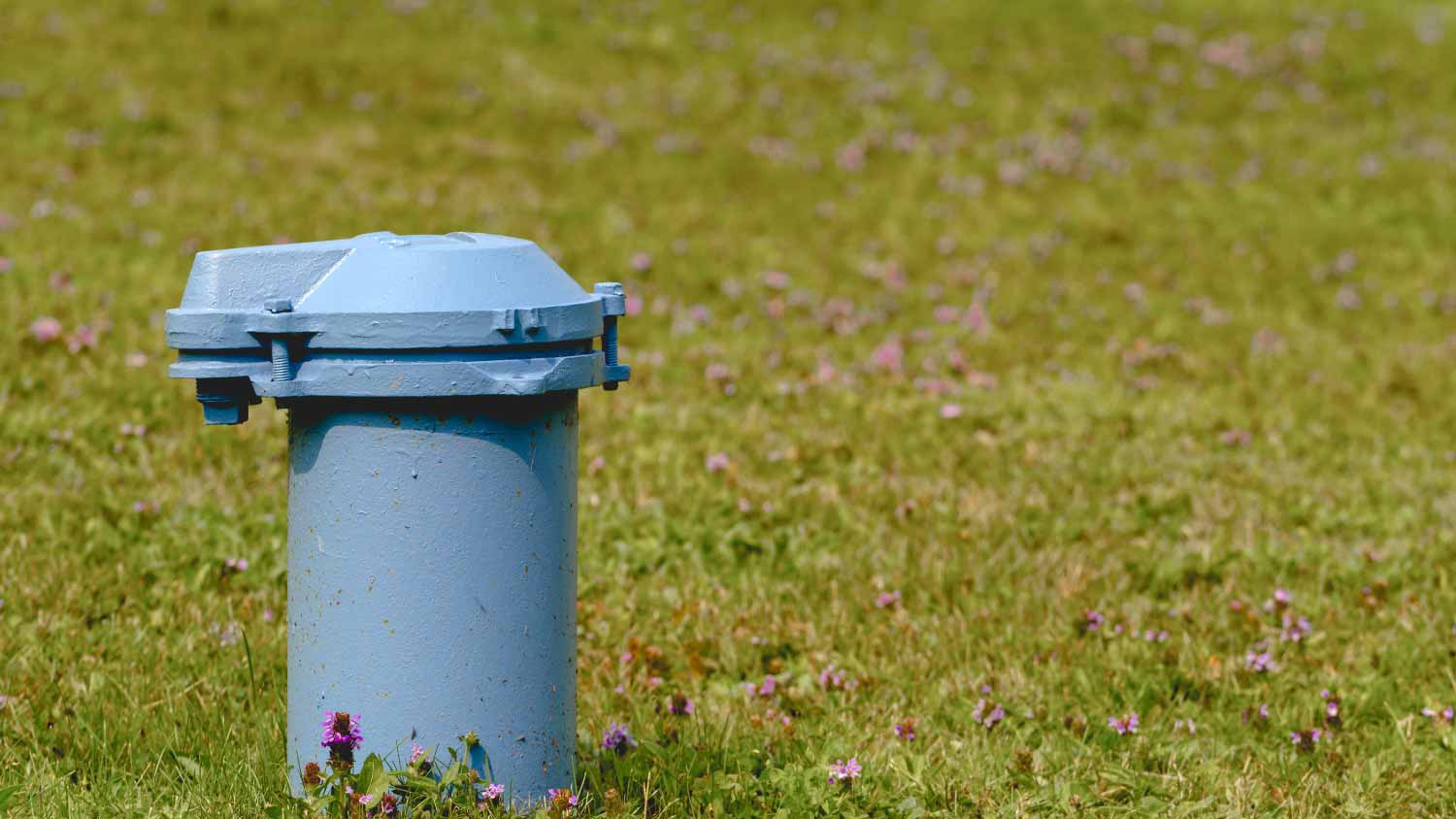
Ready to install a new well? Aside from finding out if you can drill your own well, we’ve got even more details on whether your state and city will allow it.
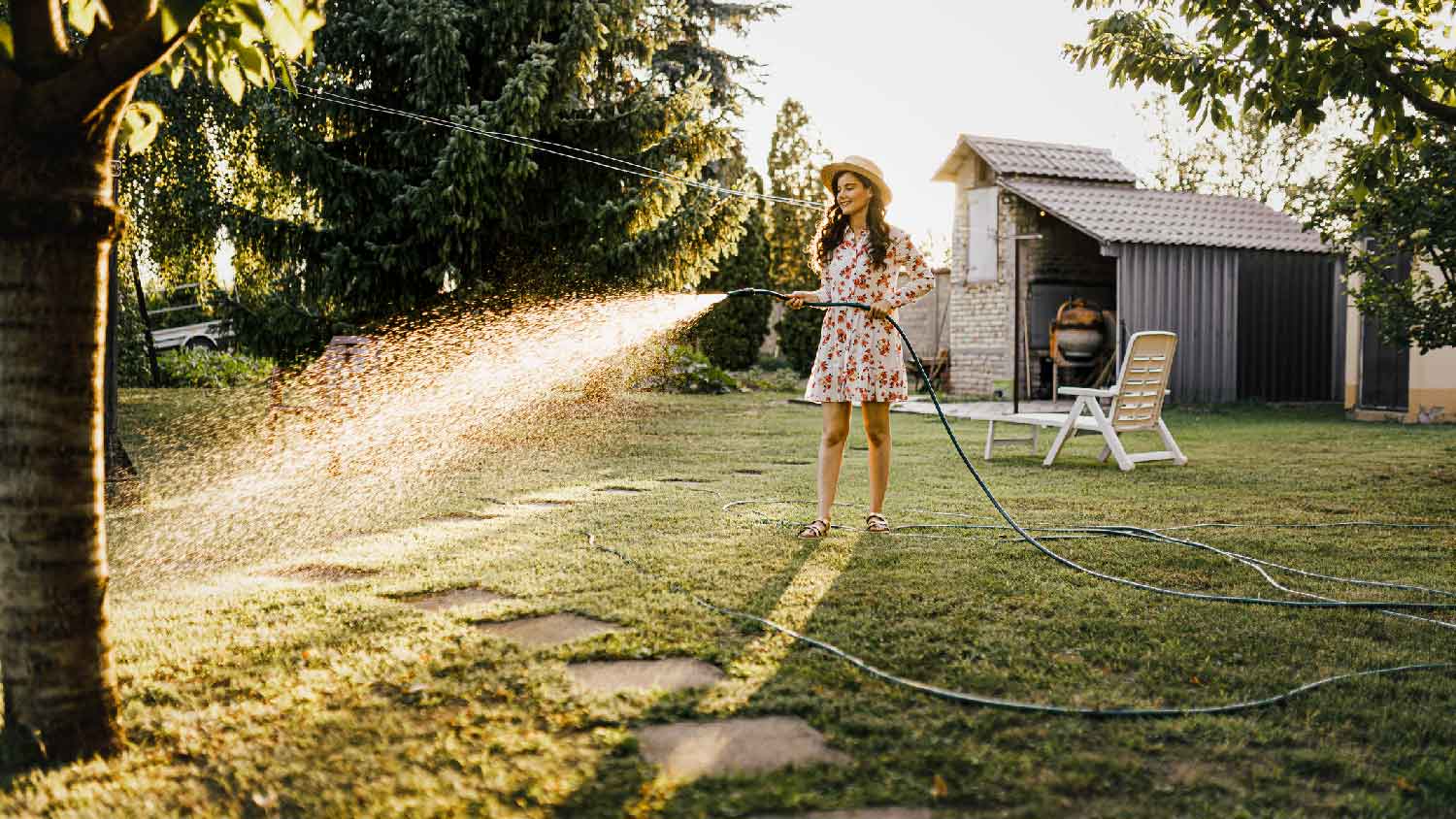
Tap into freshwater with a DIY well. Learn how to dig a well by hand with these steps, and enjoy cost savings and a natural water source.

Can you have a well on private property? It all depends on local laws. Find out everything you need to know about whether you can dig a well on your property.