
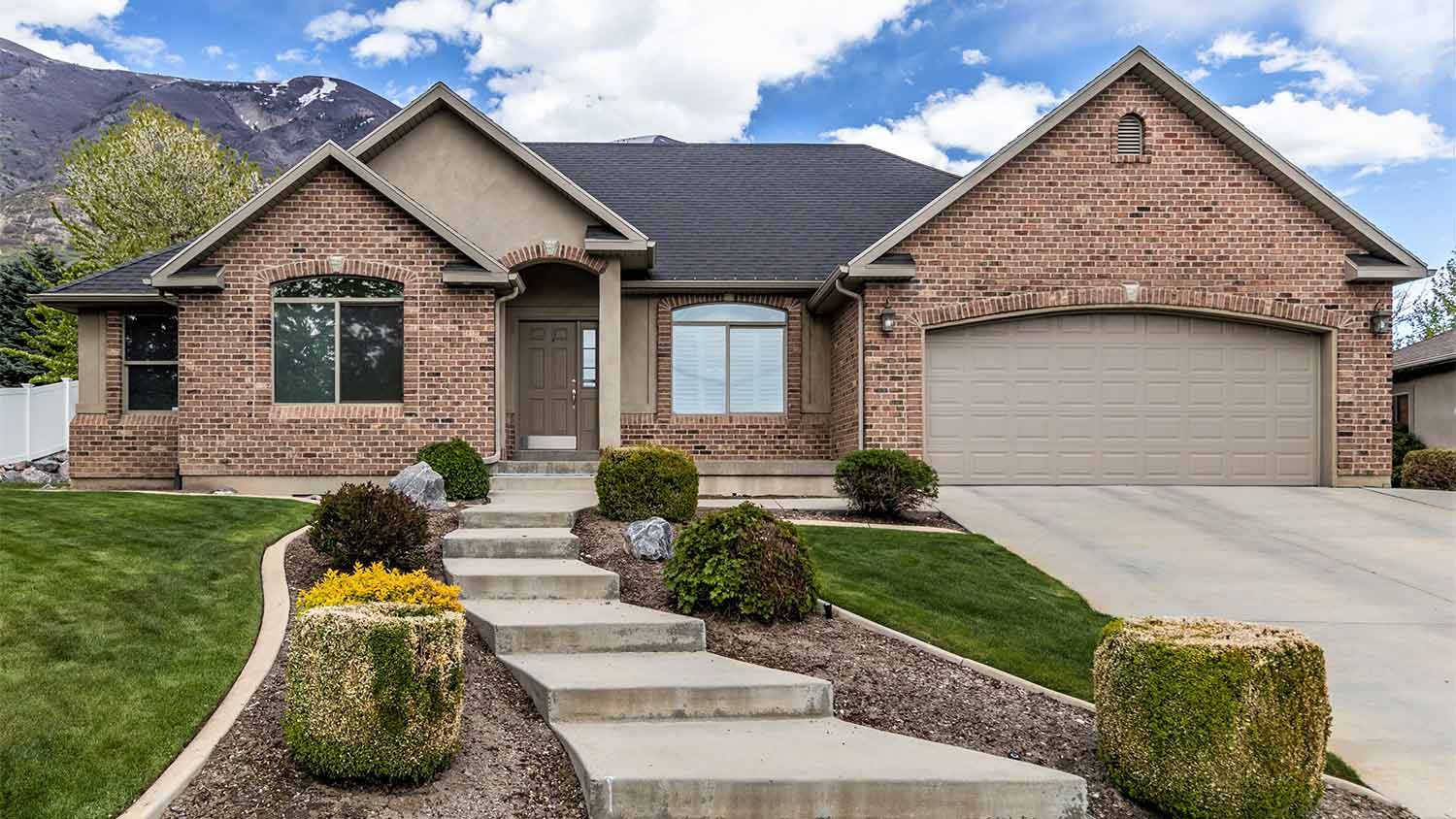
A French drain costs around $9,250 to install, but several factors will determine the final price you pay. Learn the cost to install French drains in this guide.
Find the best fix for your flooding

French drains passively redirect groundwater through buried trenches, while drainage sumps and pumps actively collect and remove water from your basement or crawl space.
Expect to pay $9,300 for French drain installation and $1,500 for a sump pump, so your budget plays a role in choosing the right system.
Your choice depends on whether you need passive landscape drainage or active basement protection, plus factors like electricity access, soil type, and flooding severity.
Hiring a local French drain professional provides helpful guidance on whether a French drain or sump pump fits your property, keeping your home protected from water damage.
From basement seepage to swampy ponds in your landscaping, water can be a real problem when it goes where you don’t want it. French drains and sump pumps are two excellent options to help protect your home from water damage, but each has its own strengths and shortcomings. This guide covers the key differences between a French drain vs. sump pump to help you decide which will work best for your home.
French drains and sump pumps are two effective tools for managing excess water and preventing flood damage. They differ in function: Sump pumps actively remove water, while French drains work passively to redirect and prevent water from accumulating in the first place. Their designs are also fundamentally different, with French drains working by rerouting water through an underground trench system, while sump pumps collect water into a basin and pump it away from the property.
Since they actively pump out water, sump pumps require electricity to operate, often with a battery backup to ensure they stay functional during power outages. On the other hand, French drains don't need electricity to function, operating naturally by their design.

A French drain is a trench system designed to redirect groundwater, preventing it from pooling in the landscape or infiltrating a home’s foundation. French drains consist of a trench filled with gravel and a perforated pipe that collects and directs water away from the property. This type of drainage system is installed underground around the perimeter of a house or yard. Consult a local French drain installer to determine whether this drainage option is a good fit for your home.
| Pros | Cons |
|---|---|
| Prevents water damage and pooling | Requires major excavation |
| Hidden by landscape | May not be suitable for all properties |
| Relatively low maintenance | Costly and labor-intensive installation |
Best for:
Homes that consistently experience pooling water in the landscape
Uneven or sloped properties that don’t drain properly
Properties with a nearby drain or similar place to send excess water
French drains are an excellent passive solution to stop groundwater from pooling, preventing standing water and ponding issues. Since the drainage pipes are completely buried and covered with a layer of topsoil, they are seamlessly integrated into the landscape and don’t disrupt the aesthetic appeal.
Other key benefits of French drains lie within their simplicity—since no electricity is required, they’re relatively low-maintenance compared to sump pumps. Plus, they won’t fail during a power outage.
While French drains are low-maintenance once installed, they are a major project to put in place. This installation requires significant excavating, often around the entire property, which is quite labor intensive and expensive. Plus, since the pipes are placed underground, they’re vulnerable to damage from plant roots. While French drain installers typically add a layer of landscape fabric to help prevent this problem, it can degrade and become less effective over time.
Additionally, while there are different types of French drains to accommodate a variety of needs, they won’t always be a fit for all properties. For instance, they’re not suitable for certain soil types, such as heavy clay. They’re also not ideal for properties at the bottom of a larger slope. What’s more, there must be a place for the water to go, such as a municipal drain. Otherwise, the drains will displace the flooding issue to nearby streets or neighboring properties.

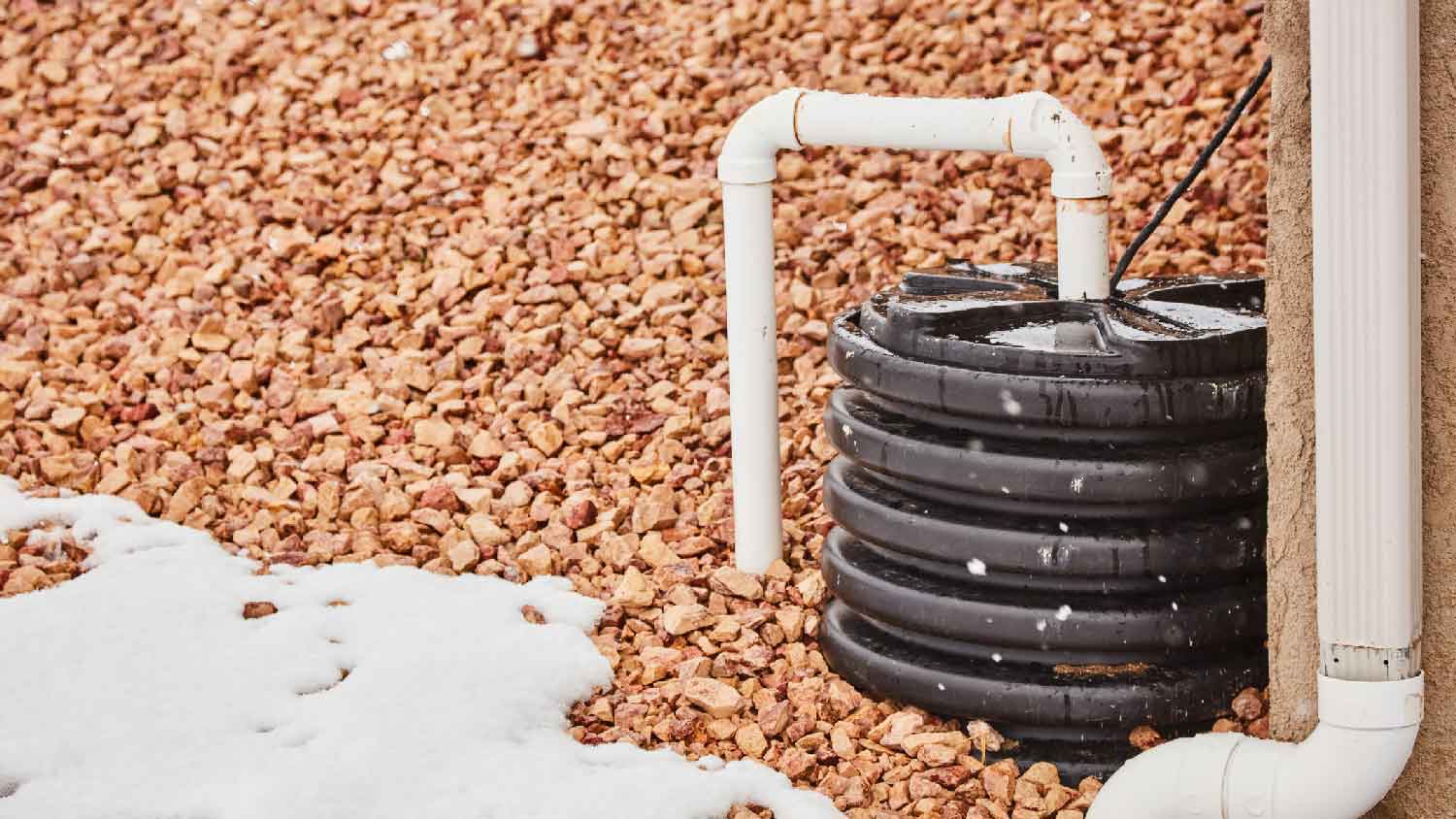
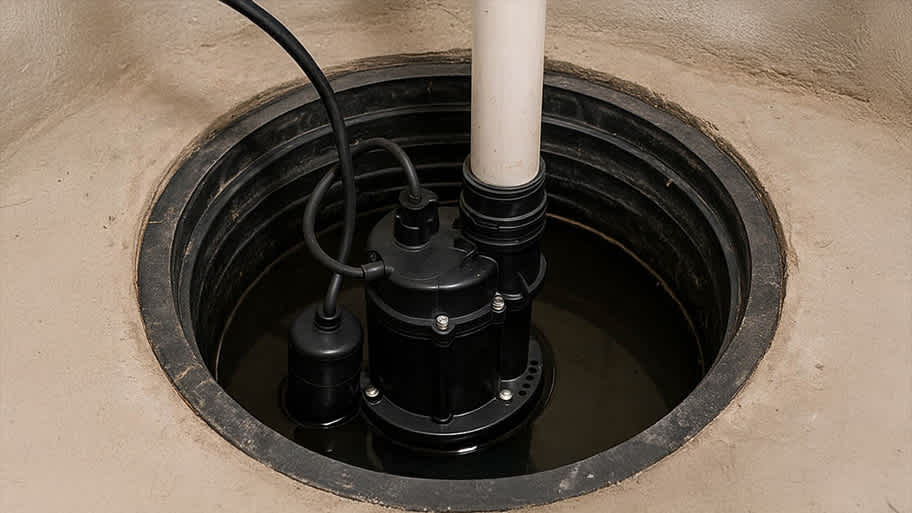
A sump pump is a device that eliminates excess water from a home. Water collects in a sump pit (also known as a sump basin), which is the lowest part of a basement or crawl space. As the sump pit fills, the sump pump turns on and pumps the excess water away from the property through a discharge pipe. It’s a crucial tool in regions prone to flooding or where the water table is higher than a home's foundation.
| Pros | Cons |
|---|---|
| Removes water efficiently | Relies on electricity |
| Protects against sewage backup | Risk of mechanical failure |
| Prevents mold and mildew | Installation and repairs are not DIY-friendly |
Best for:
Homes that experience frequent flooding
Areas with high water tables
Homes with finished basements
Sump pumps are an essential tool for homes that experience frequent flooding. As the device collects excess water and automatically pumps it out, it prevents water from flooding a home’s basement or crawl space. This process helps prevent mold and mildew from building up. Sump pumps can also help prevent sewage backups, making them especially helpful for areas with combined water and sewage systems.
Since sump pumps require electricity to operate, this can lead to problems if the power goes out. With that in mind, many installations feature a backup battery in case of power outages. These systems are complex to install and repair, so they’re not DIY-friendly. In addition to that, they need regular maintenance and inspections to maintain in working order.
Still deciding between these two water damage solutions? Consider this side-by-side comparison of a French drain vs. a sump pump.
While French drains and sump pumps are installed below ground level, French drains are more concealable than sump pumps. Landscaping can cover the backfilled trenches of a French drain, making it virtually undetectable. On the other hand, sump pumps leave a hole exposed in the home’s foundation, which is visible in the basement.
French drains work through a natural process, requiring no external power to function. Sump pumps require electricity, which means they can fail in the event of a power outage. Note that battery backups are available to avoid losing your sump pump’s functionality.
A sump pump is active and more powerful than a French drain, so it's overly drainage capacity is greater. That’s why sump pumps are a preferred solution for homes that experience severe and frequent flooding conditions.
French drains are expensive to install, with an average cost of $9,300. The total cost of a French drain installation depends on its size, type, and your home’s location. The cost of a sump pump installation is much lower, with a national average cost of $1,500.
Learning how to install a French drain is possible, although it’s labor-intensive and requires expert-level skill to get it done properly. In many cases, you should hire a French drain specialist to ensure the installation runs smoothly. Sump pump installations will always require a pro. A DIY sump pump installation is significantly more complex and should only be attempted by those with experience and expertise.
French drains require minimal maintenance compared to sump pump systems, which typically require regular upkeep and inspections. Still, French drains may need maintenance and cleaning if they’re compromised by tree or plant roots.
If well-maintained, a sump pump lasts roughly 7 to 10 years before it needs to be replaced. French drains last anywhere from 10 to 40 years, depending on the landscape and the quality of the installation.
French drains are considered more eco-friendly, as they rely on a natural drainage process and do not require electricity to function.
Cody did a great job!
 Itzelpainting
Wonderful. I am going to have them remove and replace my driveway in the spring.
 All Star Paving and Sealing
We had a 20+ year old landscape lighting system that needed replacement. Midwest Lightscapes worked with us to design a much improved lighting system, lighting the exterior of the house and the back yard. Installation of the 45 light system took one and one-half days, and went very smoothly....
 Midwest Lightscapes
Did an amazing job transforming my yard. Also installed sod in places, would recommend to everyone.
 Cardinal Landscaping & Construction LLC
Always been satisfied with the service work and how they have taken care of my pool.
Bill Gerhardt sold the company to his employees at the end of 2019, apparently without a workable succession plan and without notifying prospective customers of this fact. Most aspects of the maintenance contract have not been fulfilled: no installation of anual plantings per contract, no...
They show up and they did take us on as a client which seems to be a problem with other lawn care providers. We have multiple properties and this one was located close to downtown and no one really wants to mess with it.
I was very happy with the service provided by AK Irrigation. They responded quickly to my email, and the woman I spoke with was polite and professional. I was able to get an appointment that same week. <br /> The technician (Tyler) arrived on time. He was very knowledgeable, and worked...
 AK Irrigation
The worker came out when he was supposed to come. He informed me he would honor the Angie's List deal, but would not do any more work for me since my son in law owns lawn care company as well, even though they do not do the same type of work. He said he did not feel comfortable giving me...
 Bello Giardino LLC
E & L Lawn Care was super. They were very responsive before and after service. They were efficient and were able to complete the job within 1 day. I have had concern about one section of sod - the owner was pro-active and did a visit to evaluate. I have no doubt they will stand behind...
 E&L lawn care
From average costs to expert advice, get all the answers you need to get your job done.
A French drain costs around $9,250 to install, but several factors will determine the final price you pay. Learn the cost to install French drains in this guide.
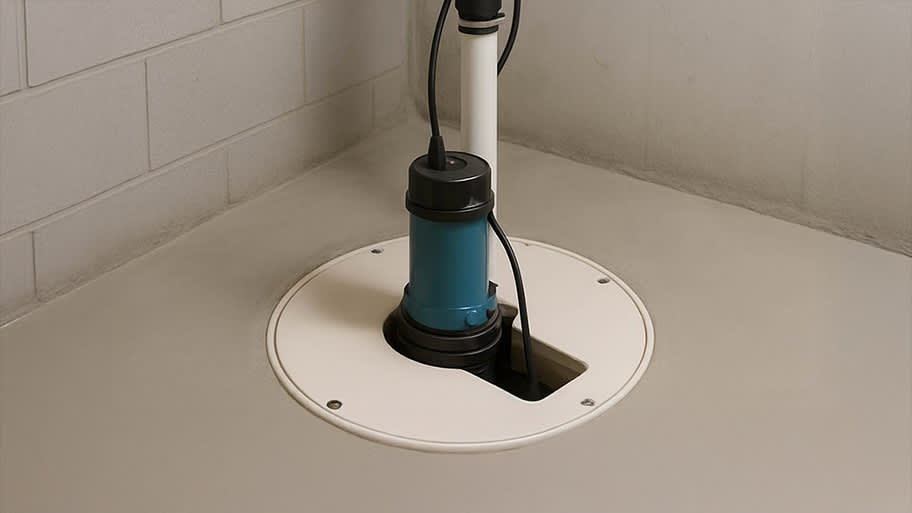
Discover how much sump pump installation costs, including average prices, key cost factors, and tips to save on your basement waterproofing project.
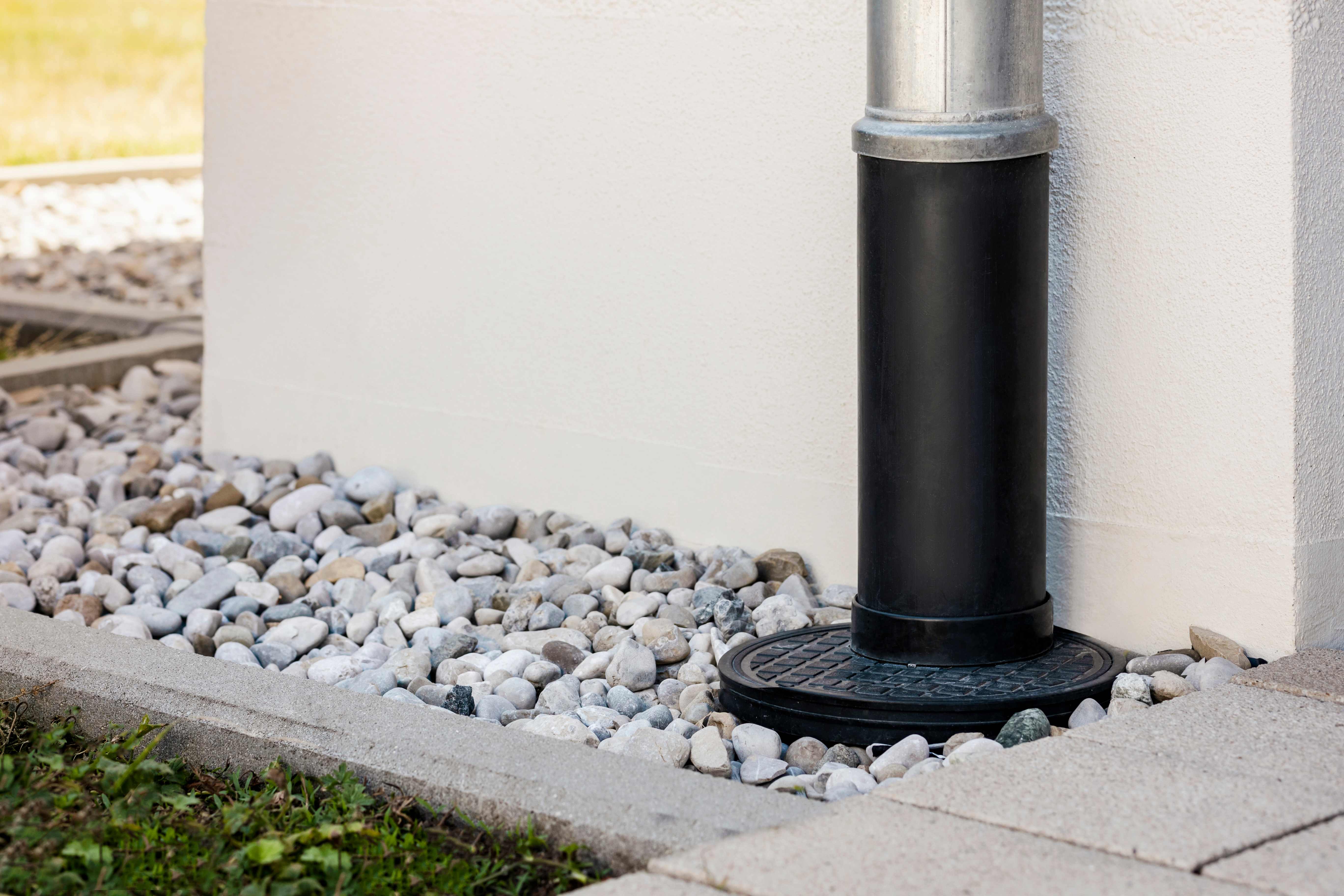
Discover basement drain installation cost, key price factors, and ways to save. Get expert tips to plan your basement drain project with confidence.
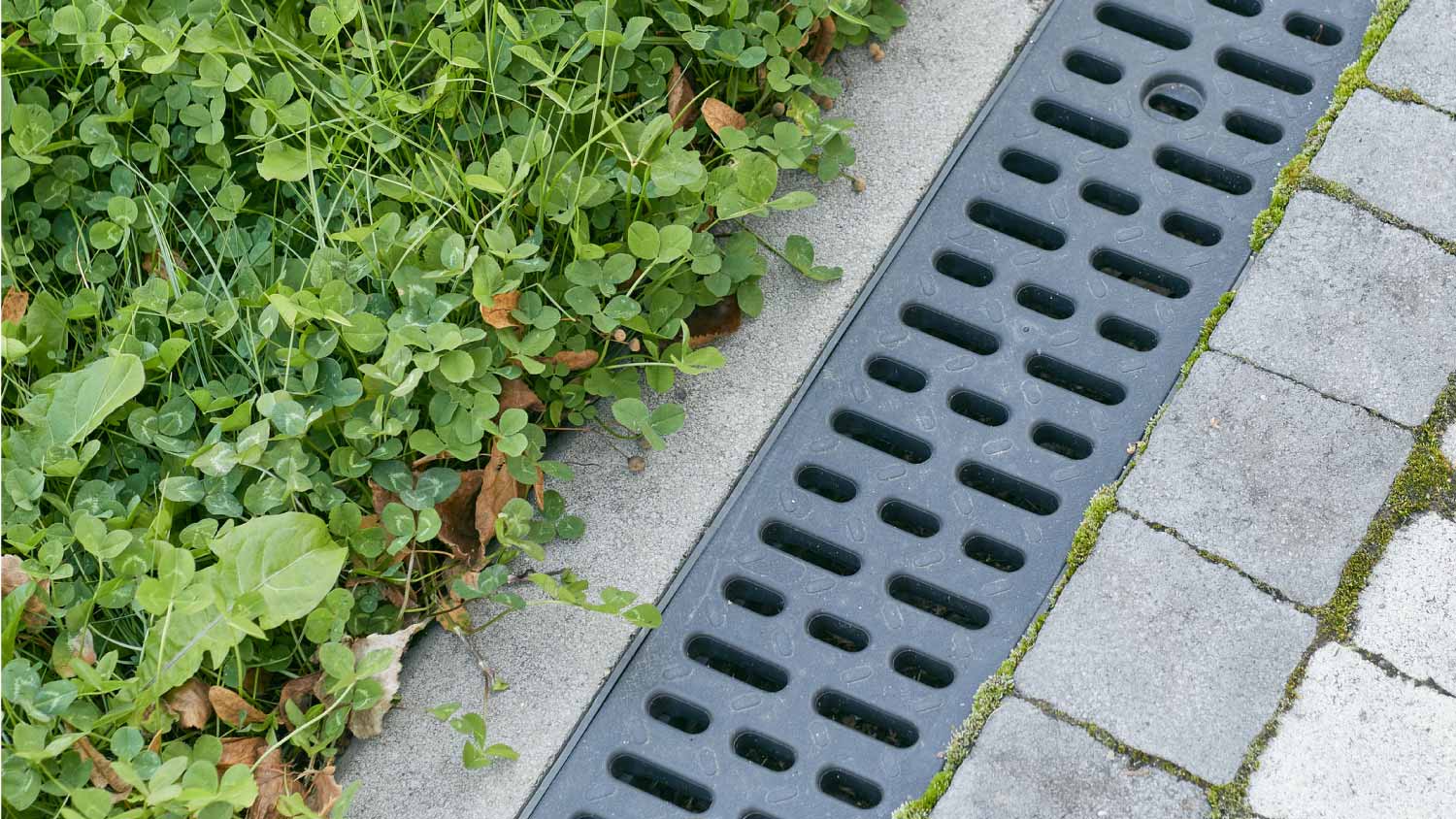
If you need more than a French drain, an alternative drainage system that handles more water can help you protect your property, inside and out.
A sump pump doesn’t remove water from your home on its own. Check out this diagram of a sump pump to see how it works with a sump pit, discharge pipe, and more.
Is water constantly running into your sump pit? We’ll break down 5 possible problems with your sump pump—and how to fix them.