
•
Discover the cost to install landscape lighting. Learn about average prices, key cost factors, and ways to save on your outdoor lighting project.
Landscaping costs depend on your project and location. Check with a local pro for your specific job.

Professional landscape curbing installation costs between $784 and $2,162 for your materials and labor combined.
Your material selection and the complexity of your design both change how much labor the installation requires for your property.
Account for soil testing, curb-cutting permits, and potential retaining wall construction when you create your landscape curbing budget.
Hiring a local landscaping professional ensures your curbing is installed correctly and saves you the effort of handling heavy materials.
In 2026, the national average cost for landscape curbing installation is $1,460, based on 1,108 verified projects from Angi Pros. Most homeowners pay between $784 and $2,162, with the spread driven by material choice, design complexity, and the total linear footage of curbing installed. If your project involves high-end materials lining large walkways or garden beds, costs can reach up to $4,500, while a simple border around a small tree can run as little as $325.
Several factors determine how much you'll pay for landscape curbing, and understanding them helps you plan a realistic budget. Material choice, project size, site conditions, and design complexity all play a role in your final cost. Getting a quote from a local hardscaping pro is the best way to understand what your specific project will require.
Landscape curbing is often priced per linear foot, with labor and materials ranging from $15 to $20 per linear foot—though higher-end materials can push that figure to around $50 per linear foot. Most cost estimates use an average of $18 per linear foot as a reliable baseline for budgeting. The table below shows estimated costs for common landscape curbing projects at that average rate:
| Landscape Curbing Project | Linear Feet | Estimated Cost in 2026 |
|---|---|---|
| Large tree ring | 10 | $180 |
| Small yard garden or flower bed | 30 | $540 |
| 12x12 feet concrete patio | 50 | $900 |
| Driveway edging | 75 | $1,350 |
| Landscaping along the house | 100 | $1,800 |
Your material choice has the single biggest impact on landscape curbing costs, with prices ranging from $2 per square foot for concrete blocks or brick up to $40 to $50 per square foot for high-end stone or wood. The table below breaks down average landscape curbing material costs by type:
| Material | Price per Square Foot in 2026 |
|---|---|
| Belgian Block Landscape Curbing | $9–$11 |
| Brick Landscape Curbing | $2–$3 |
| Concrete Block Curbing | $2–$3 |
| Granite Landscape Curbing | $20–$33 |
| Poured Concrete Curbing | $4–$5 |
| Steel Landscape Curbing | $2.50–$4.50 |
| Stone Landscape Curbing | $12–$40 |
| Wood Landscape Curbing | $12–$50 per 2.5 to 4 feet section |
A soil test adds $20 to $75 to your project budget, but it's a worthwhile step before installing landscape curbing. Testing reveals your soil's pH levels, nutrient balance, and whether the ground is likely to shift over time—all factors that affect which material will hold up best. A professional hardscaper can use those results to recommend the right material for long-term durability, which also influences labor time and overall installation costs.
Installing landscape curbing on a hill or slope requires additional prep work, digging, and sometimes a retaining wall structure, all of which increase your total labor costs. Sloped sites take more time and effort to prepare than flat ground, so expect a higher installation bill if your yard isn't level. It's also important to ensure the area has proper landscape drainage installed to prevent water damage and erosion on your property.
Your design's complexity directly affects how much you'll pay in labor costs for landscape curbing. Curved and multi-directional layouts require more prep and planning than simple straight lines, which translates to more time on the job. Choosing a straightforward design where possible is one of the easiest ways to keep your installation costs in check.
Curb-cutting—the work done where your driveway meets a public road, also called the apron—costs $2 to $10 per square foot on average, depending on whether you choose simple asphalt or more elaborate stonework. Most curb-cutting projects also require a permit, which typically runs $50 to $200, though the exact fee varies by location and local municipality. Factor both costs into your budget before work begins.
Where you live has a meaningful effect on the price of landscape curbing, with the national average ranging from $784 to $2,162. Labor rates, material availability, and local permitting requirements all vary by region and can push costs above or below that range. The table below shows average landscape curbing costs in several major U.S. cities:
| City | Landscape Curbing Cost in 2026 |
|---|---|
| Atlanta | $900 – $1,800 |
| Boston | $1,500 – $4,100 |
| Chicago | $900 – $3,200 |
| Dallas | $750 – $1,600 |
| Denver | $954 – $1,804 |
| Detroit | $1,099 – $2,900 |
| Minneapolis | $960 – $2,200 |
| New York | $1,300 – $3,100 |
| San Francisco | $730 – $1,400 |
| Seattle | $600 – $1,100 |
| Tampa, FL | $660 – $1,400 |
Material selection is one of the most significant drivers of your overall landscaping cost, and there are several types of landscaping edging to consider. Your final cost depends on which material you choose and how many linear feet your project requires. The table below compares average life spans across common curbing materials:
| Edging Material | Average Life Span |
|---|---|
| Brick | 10 – 20 years |
| Untreated wood | 3 – 10 years |
| Treated wood | 10 – 20 years |
| Concrete | 10 – 30 years |
| Steel | 25 – 30 years or more |
| Granite | 30 years or more |
Belgian block landscape curbing costs $9 to $11 per foot and is a popular choice for driveway edging. Installing it along both sides of your driveway boosts curb appeal while creating a clear boundary that helps prevent vehicles from drifting onto the grass or into flower beds. It's a durable, attractive option that works well in both traditional and contemporary landscapes.
Brick landscape curbing is one of the most affordable and popular choices for homeowners, with material costs ranging from $2 to $3 per square foot. Labor and installation add another $5 to $10 per square foot to the total. Its combination of low cost, classic appearance, and long lifespan makes it a strong value for most budgets.
Concrete block curbing is a budget-friendly alternative to poured concrete, with material costs of $2 to $3 per square foot. Labor and installation add $5 to $10 per square foot to the total. Prefabricated blocks are easier and faster to install than poured concrete, which can help keep labor costs down.
Granite landscape curbing costs $20 to $33 per linear foot, including labor, making it the most premium option in the landscape edging category. It's significantly more expensive than concrete or brick, but it outlasts both and delivers a truly high-end aesthetic. If longevity and curb appeal are your top priorities, granite is worth the investment.
Poured concrete curbing costs $4 to $5 per square foot for materials, with labor and installation adding $5 to $13 per square foot to the total. It's a versatile option that can be stamped or shaped to mimic more expensive materials, giving you design flexibility at a mid-range price point. The curing process requires careful timing, so avoid scheduling installation during freezing temperatures or extended periods of rain.
Steel landscape curbing costs $2.50 to $4.50 per square foot for materials, plus $5 to $10 per square foot for installation, making it a competitively priced option with a modern aesthetic. It's available in both galvanized and stainless steel, and its clean, minimal profile suits contemporary landscape designs well. Steel is also one of the more durable edging materials, with a lifespan of 25 years or more.
Stone landscape curbing costs $12 to $40 per linear foot on average, including labor, though prices can run higher for fully custom work. Because stonework is often custom-cut and fitted, costs vary more than with prefabricated materials. The natural variation in stone creates a distinctive, high-end look that's difficult to replicate with other materials.
Wood landscape curbing materials cost $12 to $50 per 2.5- to 4-foot section, with labor adding an average of $5 to $10 per square foot on top of that. Price depends on the type of wood and the width of the sections you choose. Wood is a practical option for DIYers working with straight runs, but it's not well-suited for curved areas and has a shorter lifespan than concrete, brick, or granite.
Confident DIYers who can handle heavy materials like brick, concrete blocks, metal edging, and pavers can save $5 to $20 per linear foot of edging that you'd otherwise pay in labor costs. For a typical project covering 75 feet of edging, that translates to total savings of $375 to $1,500. If you're new to DIY or unsure about working with heavy materials, it's worth hiring an experienced landscaping pro near you to ensure the job is done correctly.
Depending on material costs, you can save about two-thirds of the total cost by doing the project yourself. For example, the cost of brick materials is $3 per square foot, and the average cost of labor and installation is about $6 per square foot. That means the cost to complete a 100-square-foot project yourself would be about $300, and the same project would likely cost $900 if you hired a professional to edge your lawn.
However, if you are new to DIY projects, don't know how to edge a lawn, or have concerns about handling heavy materials, leave it to an experienced landscaping pro near you .
Professionally installed landscape curbing transforms your property's exterior, but many homeowners choose to pair it with complementary projects to amplify its impact. Add-ons like mulch, outdoor lighting, and paver patios can significantly enhance the finished look of your yard. Budget for these extras before work begins so you can prioritize the upgrades that matter most to you.
The table below outlines common landscape curbing add-on projects and their average costs:
| Add-On Project | Cost in 2026 |
|---|---|
| Delivering and installing mulch | $100–$800 |
| Install outdoor lighting | $2,000–$6,000 |
| Installing flower beds | $1,000–$3,000 |
| Installing a paver patio | $1,950–$5,650 |
| Leveling land | $1,000–$3,300 |
Landscape curbing costs can add up quickly, but a few smart choices can bring your total down without sacrificing quality. Prioritizing simple designs, doing prep work yourself, and choosing cost-effective materials are all effective ways to manage your budget. Here are some practical strategies to help you save:
Keep it simple. Regardless of the material you choose, complex designs with curves will make the installation take longer, especially with non-flexible materials like wood. Go with straight lines where you can to avoid increased labor costs and avoid having to cut curves into brick or concrete blocks.
DIY what you can. Even if you're not comfortable hauling heavy materials and laying them in place, you can do some of the prep work yourself to save. That includes digging and leveling the soil where your curbing will go.
Use an affordable edging material. Landscape edging materials range from *$2* to $50**** per linear foot, so choosing something affordable like brick or concrete block can cost significantly less than wood, granite, or stone. Some hardscapers can even make poured concrete look like those more costly materials using stamps to help you save.
Look for discounts or sales. Many landscape supply stores have deals toward the end of fall on certain materials. If you're not set on a specific material, consider waiting for the sales and then shopping based on the discounts offered.
Do all your hardscaping at once. Many professionals will offer discounts on trip fees and even labor if you get more work done at the same time. Consider splurging on all of your hardscaping projects at once to save a bit in the long run.
Home is the most important place on earth, which is why Angi has helped more than 150 million homeowners transform their houses into homes they adore. To help homeowners with their next project, Angi provides readers with the most accurate cost data and upholds strict editorial standards. We’ve surveyed thousands of real Angi customers about their project costs to develop the pricing data you see, so you can make the best decisions for you and your home. We pair this data with research from reputable sources, including the U.S. Bureau of Labor Statistics, academic journals, market studies, and interviews with industry experts—all to ensure our prices reflect real-world projects.
Want to help us improve our cost data? Send us a recent project quote to [email protected]. Quotes and personal information will not be shared publicly.
Custom Paint Jobs LLC made our home feel like a piece of art. Thank you for your creativity!
 Custom Paint Jobs, LLC
Window Depot did an amazing job on my deck. I wasnt sure what I wanted to do, but their composite decking was affordable and will last a long time. I am excited to have family over, and I am no longer embarrassed by my backyard. Jeff and the ground crew were polite, respectful, and caring for...
 Window Depot USA of Central Ohio
First of all, the gentleman I dealt with (Cam?) was very responsive to my many questions and concerns throughout the project, which is a huge plus to me. From the first time I met him for the estimate all the way til the completion of the job, he and his crew were professional and respectful....
 All Star Paving and Sealing
We had a 20+ year old landscape lighting system that needed replacement. Midwest Lightscapes worked with us to design a much improved lighting system, lighting the exterior of the house and the back yard. Installation of the 45 light system took one and one-half days, and went very smoothly....
 Midwest Lightscapes
Another great success for me on home advisor. This company did an awesome job on my landscaping and stayed within my budget. The best part, the work was complete within 2 days of my initial request. Professional and responsive. I highly recommend!
 Blue Ring Residential Services, LLC
The company no showed on me twice. The 2nd time was no call no show. They were responsive to set up the first appointment to perform the "landscape cleanup". 3 hours after their initial scheduled appointment time they called me to let me know they had some "problem" with the truck and their...
 Ruby Home and Hauling Services
Received ideas for future landscape plans...quote to do the work seemed a bit high but I did not have any other quotes to compare it to, so perhaps that is the going rates. <br />
 Landscapes By Terra, Inc
All around they have done a really great job. <br /> I have used JL Landscapes for the past 8 years. I own and operate my own commercial/residential real estate company where we own, operate, and maintain our own properties. JL Landscapes has been our exclusive landscaper for both our...
 J.L. Landscapes
Bought a half a cord of firewood from Pitzer with stacking last month. I waited to report so I could see how the wood burned. <br /> <br /> I have three pet peeves regarding landscapers, but Pitzer scored "A"s regarding all three. First, rather than having customers "leave a message" and...
 Pitzer Landscaping
I left a message on Sunday requesting to schedule a time to obtain an estimate/walk-through and received a return call in the morning of the following Monday. Mark worked with me and agreed to schedule the estimate/walk-through for the following Saturday. When Mark arrived for the...
From average costs to expert advice, get all the answers you need to get your job done.
Discover the cost to install landscape lighting. Learn about average prices, key cost factors, and ways to save on your outdoor lighting project.
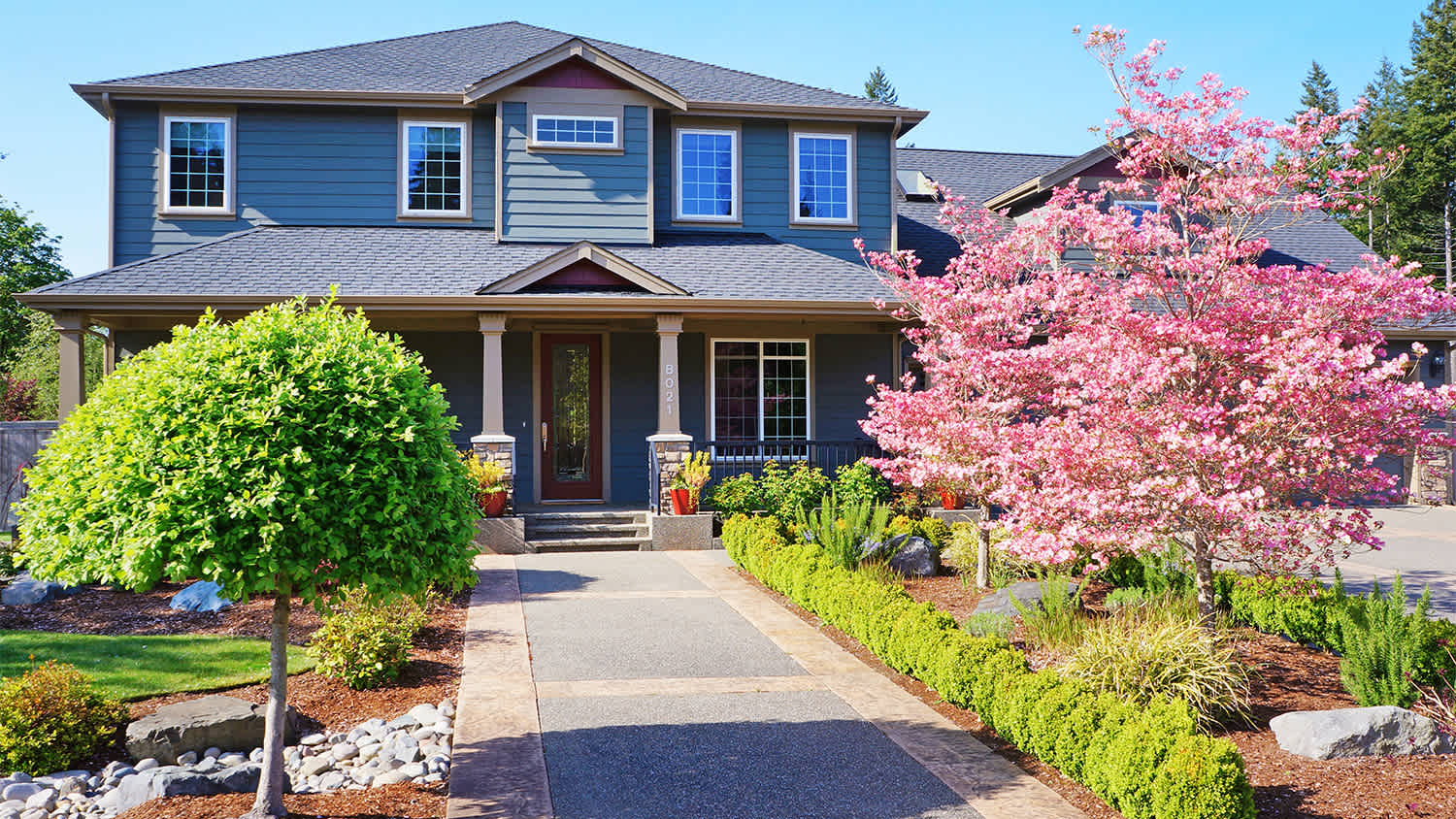
A landscape designer can elevate your outdoor space and bring your vision to life. Use this landscape design cost guide to budget for your next project.
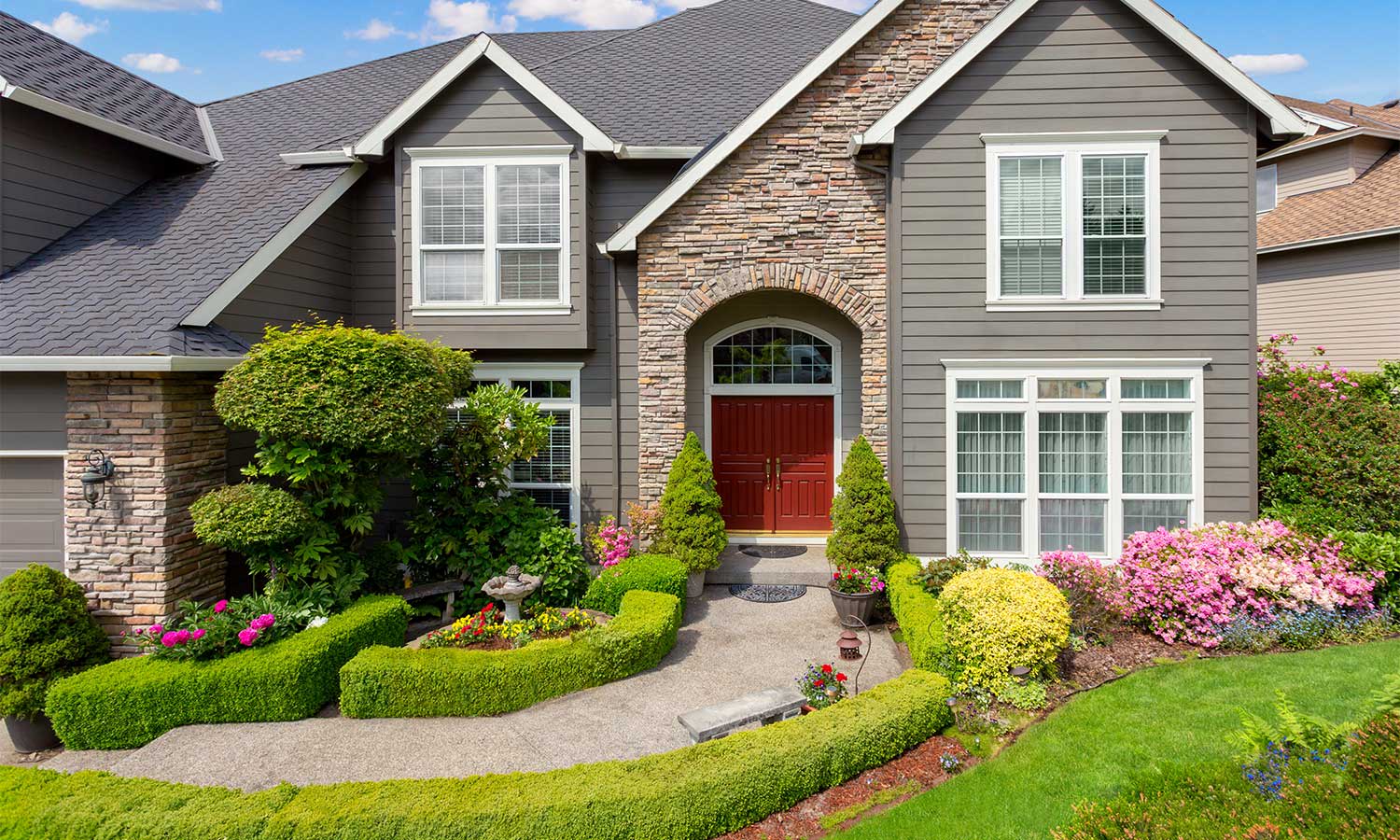
Landscaping your yard adds curb appeal and expands your home’s living space into the outdoors. Learn how much landscaping costs for various projects.
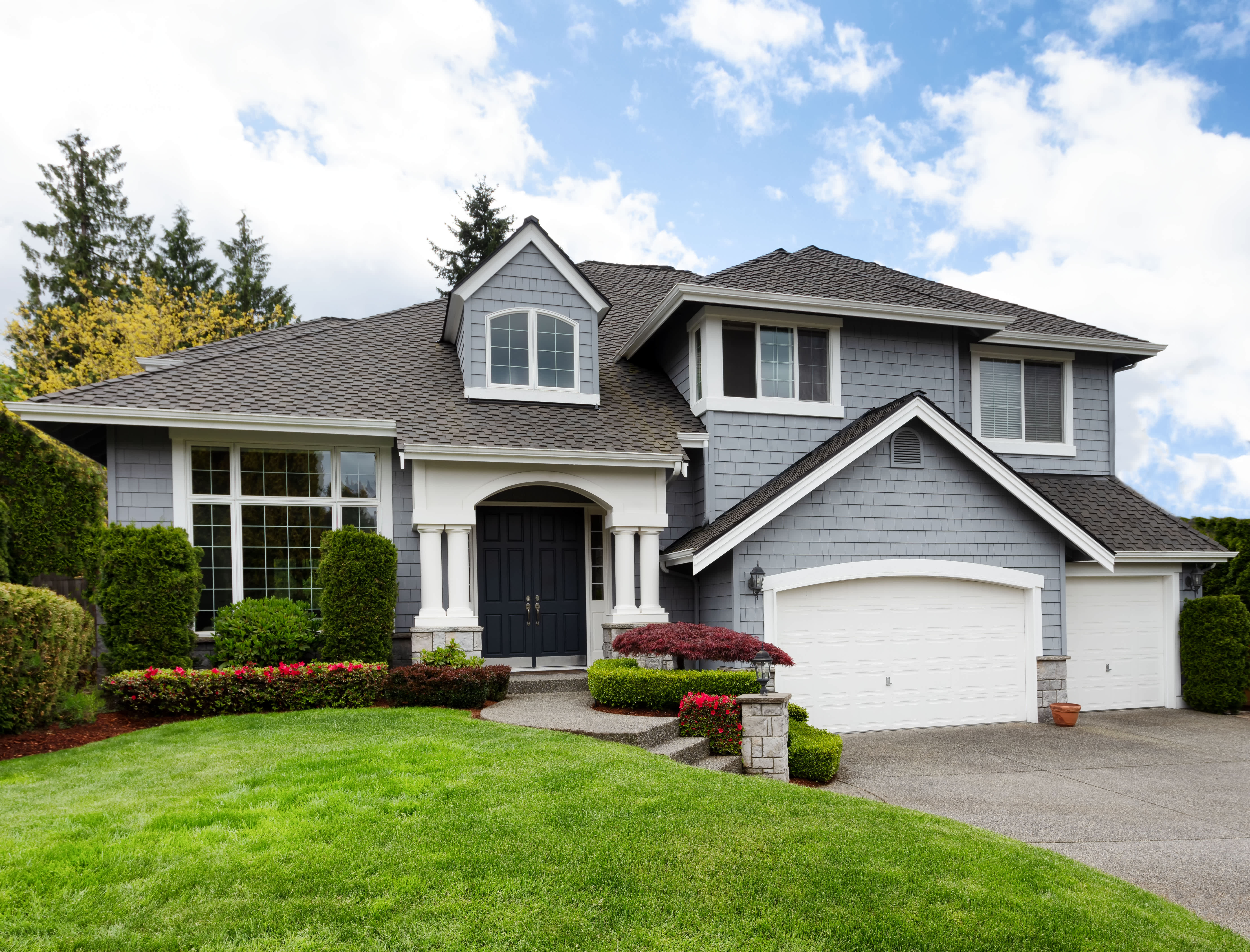
Thinking about landscape curbing or edging installation? Learn about material options, average costs, and how to hire the right local landscaping pro.
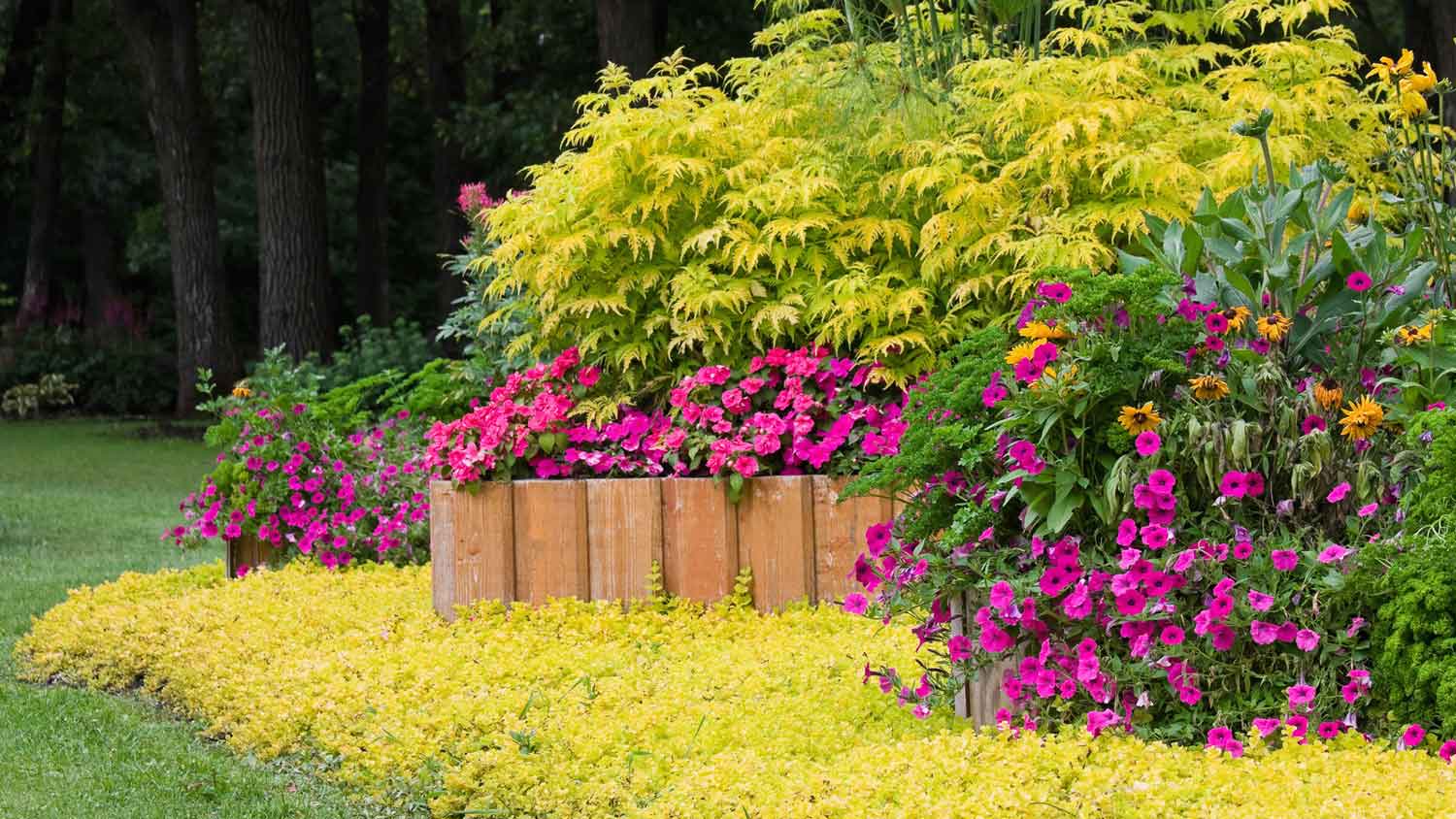
Learn how to install landscape timbers around plant beds and walkways for a professional-looking edge. Boost your home’s curb appeal by doing so.
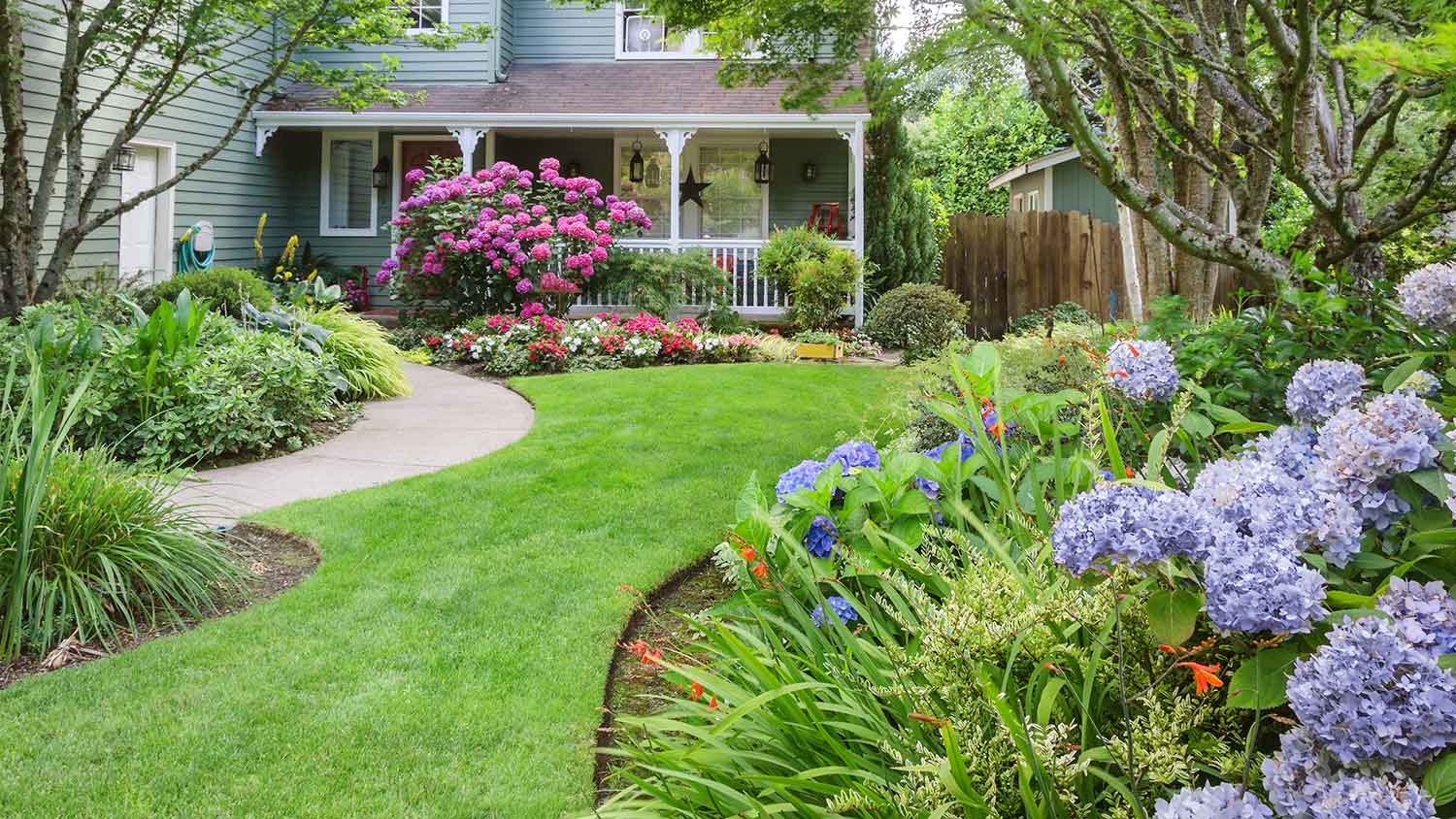
Looking to install landscape edging but not sure which professional is best? Learn who to hire to edge your yard for the best results possible.