
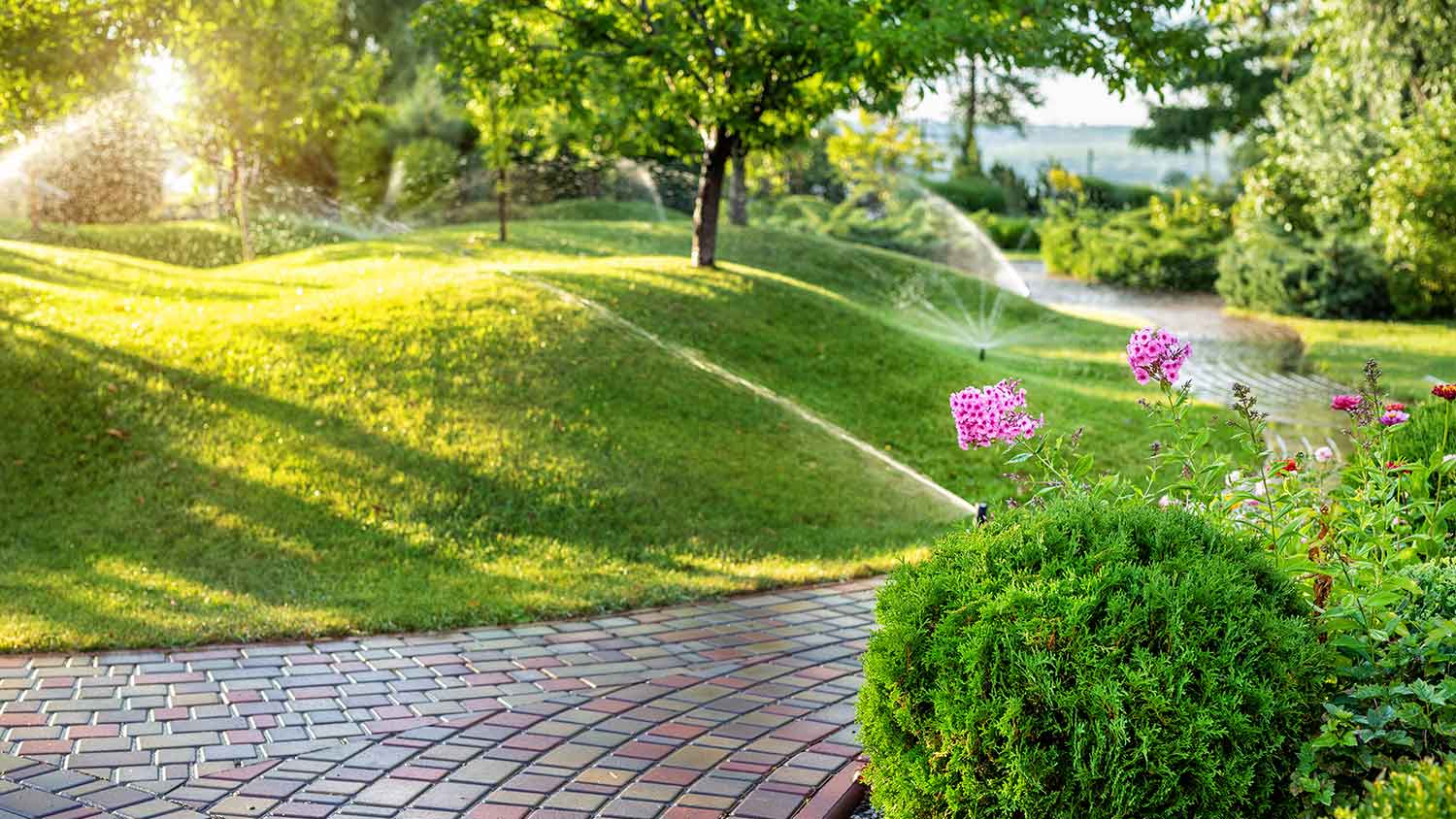
A lawn sprinkler can make light work of watering your yard. Find out how much a sprinkler system installation costs based on lawn size, system type, and other factors.
Lawn irrigation costs depend on your project and location. Check with a local pro for your specific job.


Professional sprinkler system winterization costs between $56 and $137, with an average of $93 for most homes.
Your system size and number of zones directly impact your winterization total, with each additional zone adding labor and time.
Account for system inspection fees, backflow preventer work, controller reprogramming, and valve repairs when you create your budget.
Hiring a local sprinkler repair professional prevents burst pipes and cracked valves by removing all water before freezing temperatures arrive.
This article was created using automation technology and thoroughly fact-checked and edited by an Angi Editor in accordance with our AI policy.
In 2026, the national average cost to winterize a sprinkler system is $93, based on 8,225 verified projects from Angi Pros. Most homeowners pay between $56 and $137, with the spread driven by system size, number of zones, and local labor rates. If your system is larger or requires extra zone blowouts, expect an additional $10 to $20 per zone on top of the flat service fee.

Several factors influence what you'll pay to winterize a sprinkler system, from the type and size of your system to local labor rates and access challenges. Understanding these variables helps you set a realistic budget and avoid surprises on your final bill.
Systems typically use manual drain valves, automatic drain valves, or blowout draining depending on the setup, with costs ranging from $75 to $250 overall.
Older systems or those with outdated technology may require extra care, which can push your total higher. Here is a breakdown of average winterization costs by system type:
| System Type | Average Winterization Cost in 2026 |
|---|---|
| Manual drain valve | $75–$150 |
| Automatic drain valve | $90–$175 |
| Blowout draining | $100–$250 |
The number of zones in your system is the primary cost factor for sprinkler winterization, with most standard quotes covering up to six zones and a per-zone fee of $10 to $20 for any additional areas. Larger yards with more extensive coverage increase the total, since each zone requires individual attention during the blowout process. Here is how sprinkler winterization costs break down by system size:
| Zones | Description | Average Cost in 2026 |
|---|---|---|
| 1–4 | Small system, single yard area | $60–$100 |
| 5–6 | Standard home system, average yard | $100–$130 |
| 9–12 | Large yard or multiple areas | $150–$250 |
| 13+ | Estate or commercial property | $250+ |
Most homeowners winterize their sprinkler systems once per year, ideally just before the first hard freeze. In areas with unpredictable weather or harsh winters, semiannual service or bundled seasonal maintenance may be the smarter approach.
Some companies offer annual contracts that lower your per-visit cost compared to booking single appointments, making them worth considering if you want predictable pricing year over year.
Winterizing a sprinkler system requires specific materials and tools, and your approach determines what you'll spend on them. For DIYers, the most significant expense is renting or purchasing an air compressor powerful enough for a proper blowout, along with the correct adapters.
Professionals bring their own commercial-grade equipment, which typically produces more reliable results than consumer-grade tools.
Sprinkler winterization is performed by irrigation specialists, landscapers, or plumbers, each with different rate structures. Most charge a flat fee covering a set number of zones, with additional per-zone fees for larger systems. Hourly rates for irrigation or landscaping pros charge $75 to $150 per hour, while plumbers charge up to $200 per hour.
A service includes full blowout, inspection, controller adjustment, and sometimes travel fees. In high-demand areas or regions with a short winterization window, rates may be higher, and minimum service charges may apply.
Where you live directly impacts what you'll pay to winterize a sprinkler system. Regions with harsher winters, like the Northeast or Midwest, tend to see higher demand and slightly elevated prices during the fall service window. Urban areas with higher baseline labor costs also push rates up, and systems that are difficult to access—such as those in fenced or densely landscaped yards—typically carry a small upcharge.
Tipping is not required for sprinkler winterization, but it is appreciated when a pro handles a complex system or goes above and beyond. If you choose to tip, $10 to $20 is a reasonable amount. Leaving a positive online review is another meaningful way to show appreciation if you'd rather not tip cash.
For most climates, you should winterize your sprinkler system once a year, ideally before the first hard freeze. Early winterization is especially important in regions with unpredictable fall weather. If you live in an area with frequent freeze-thaw cycles, you may want to consider a spring checkup or semiannual service.
Look for signs like dropping temperatures, forecasted frost, or water left in lines after system shutdown. Skipping or delaying winterization can lead to burst pipes, cracked valves, costly repairs, or early sprinkler replacements—often far exceeding the cost of a professional winterization visit.

During winterization, you may encounter extra services or small repairs depending on what your pro finds during the inspection. Some add-ons are optional upgrades, while others are necessary fixes that can't be deferred without risking damage. Here's what you might see on your bill:
System inspection and repairs
Backflow preventer removal or insulation
Controller reprogramming
Valve or pipe repairs
Draining extra outdoor lines
Smart controller or freeze sensor upgrade
You can winterize your sprinkler system yourself if you have the right tools and experience. The main DIY costs involve renting or buying a suitable air compressor and the required adapters. However, doing it yourself comes with risks—if you miss a step or fail to blow out all the water, you could face expensive repairs.
Professionals bring expertise, commercial-grade equipment, and insurance. Their flat-rate services include a full inspection, zone-by-zone blowout, and controller adjustments. This peace of mind may be worth the extra expense, especially for complex or high-value systems.
DIY is best for those with simple systems and mechanical know-how. For most homeowners, especially those with multi-zone or older systems, it's safest to hire a pro.
You can take several steps to keep your sprinkler winterization costs in check:
Compare contractors: Get multiple quotes from local irrigation contractors to find the best value.
Schedule early in the season: Book your winterization before peak demand hits to lock in lower rates and better appointment times.
Bundle winterization services: Combine winterization with fall yard cleanup or other maintenance to take advantage of package pricing from local pros.
Maintain your system: Learn basic system maintenance, such as clearing debris from sprinkler heads, to minimize the need for repairs.
Home is the most important place on earth, which is why Angi has helped more than 150 million homeowners transform their houses into homes they adore. To help homeowners with their next project, Angi provides readers with the most accurate cost data and upholds strict editorial standards. We’ve surveyed thousands of real Angi customers about their project costs to develop the pricing data you see, so you can make the best decisions for you and your home. We pair this data with research from reputable sources, including the U.S. Bureau of Labor Statistics, academic journals, market studies, and interviews with industry experts—all to ensure our prices reflect real-world projects.
Want to help us improve our cost data? Send us a recent project quote to [email protected]. Quotes and personal information will not be shared publicly.
Cody did a great job!
 Itzelpainting
Wonderful. I am going to have them remove and replace my driveway in the spring.
 All Star Paving and Sealing
We had a 20+ year old landscape lighting system that needed replacement. Midwest Lightscapes worked with us to design a much improved lighting system, lighting the exterior of the house and the back yard. Installation of the 45 light system took one and one-half days, and went very smoothly....
 Midwest Lightscapes
Did an amazing job transforming my yard. Also installed sod in places, would recommend to everyone.
 Cardinal Landscaping & Construction LLC
Always been satisfied with the service work and how they have taken care of my pool.
Bill Gerhardt sold the company to his employees at the end of 2019, apparently without a workable succession plan and without notifying prospective customers of this fact. Most aspects of the maintenance contract have not been fulfilled: no installation of anual plantings per contract, no...
They show up and they did take us on as a client which seems to be a problem with other lawn care providers. We have multiple properties and this one was located close to downtown and no one really wants to mess with it.
I was very happy with the service provided by AK Irrigation. They responded quickly to my email, and the woman I spoke with was polite and professional. I was able to get an appointment that same week. <br /> The technician (Tyler) arrived on time. He was very knowledgeable, and worked...
 AK Irrigation
The worker came out when he was supposed to come. He informed me he would honor the Angie's List deal, but would not do any more work for me since my son in law owns lawn care company as well, even though they do not do the same type of work. He said he did not feel comfortable giving me...
 Bello Giardino LLC
E & L Lawn Care was super. They were very responsive before and after service. They were efficient and were able to complete the job within 1 day. I have had concern about one section of sod - the owner was pro-active and did a visit to evaluate. I have no doubt they will stand behind...
 E&L lawn care
From average costs to expert advice, get all the answers you need to get your job done.
A lawn sprinkler can make light work of watering your yard. Find out how much a sprinkler system installation costs based on lawn size, system type, and other factors.
Find out how much a lawn sprinkler system installation costs in Orlando, FL, based on lawn size, system type, and other factors.

Discover home fire sprinkler system costs, including installation, maintenance, and key cost factors. Learn how to budget and save on your home fire protection.
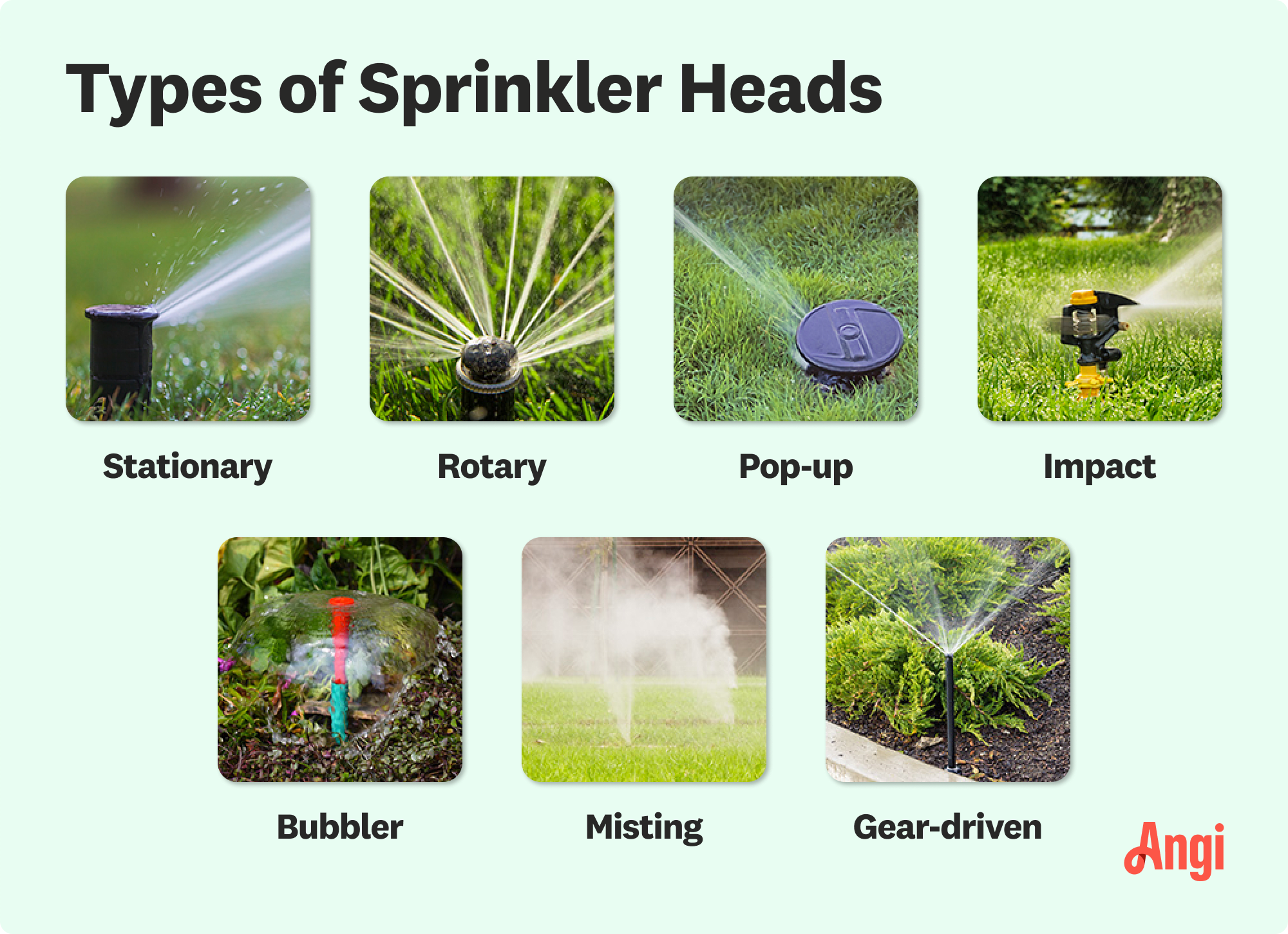
Find qualified sprinkler winterization pros with this guide. Learn what to ask, how to verify credentials, and protect your irrigation system from freezing.
Putting your sprinkler system to bed for winter will help avoid damage from freezing temperatures. Use this guide to winterize your sprinkler system.
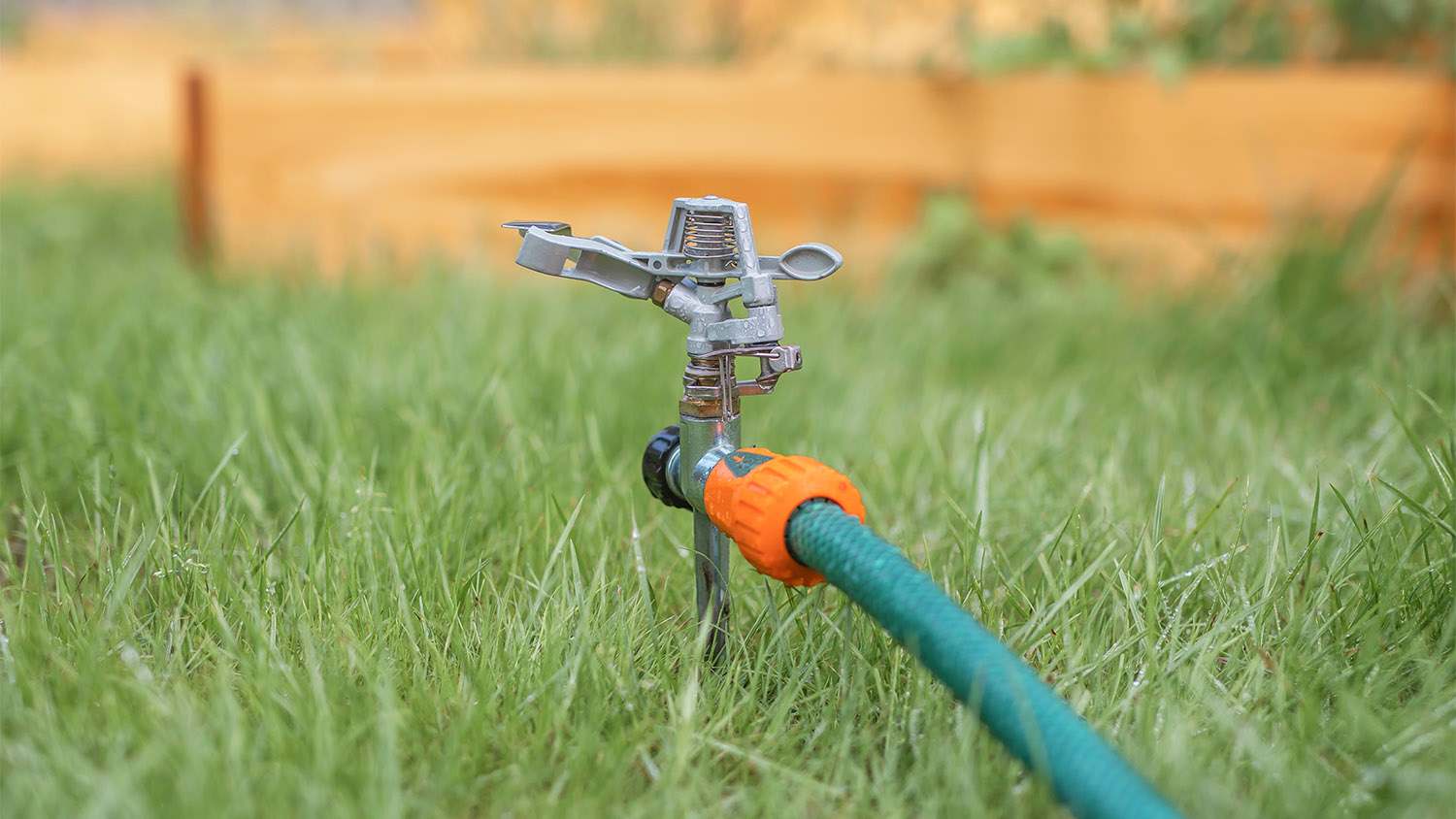
Are freezing temperatures approaching? Learn about sprinkler winterization costs, warning signs of freeze damage, and how to hire the right local pro.