
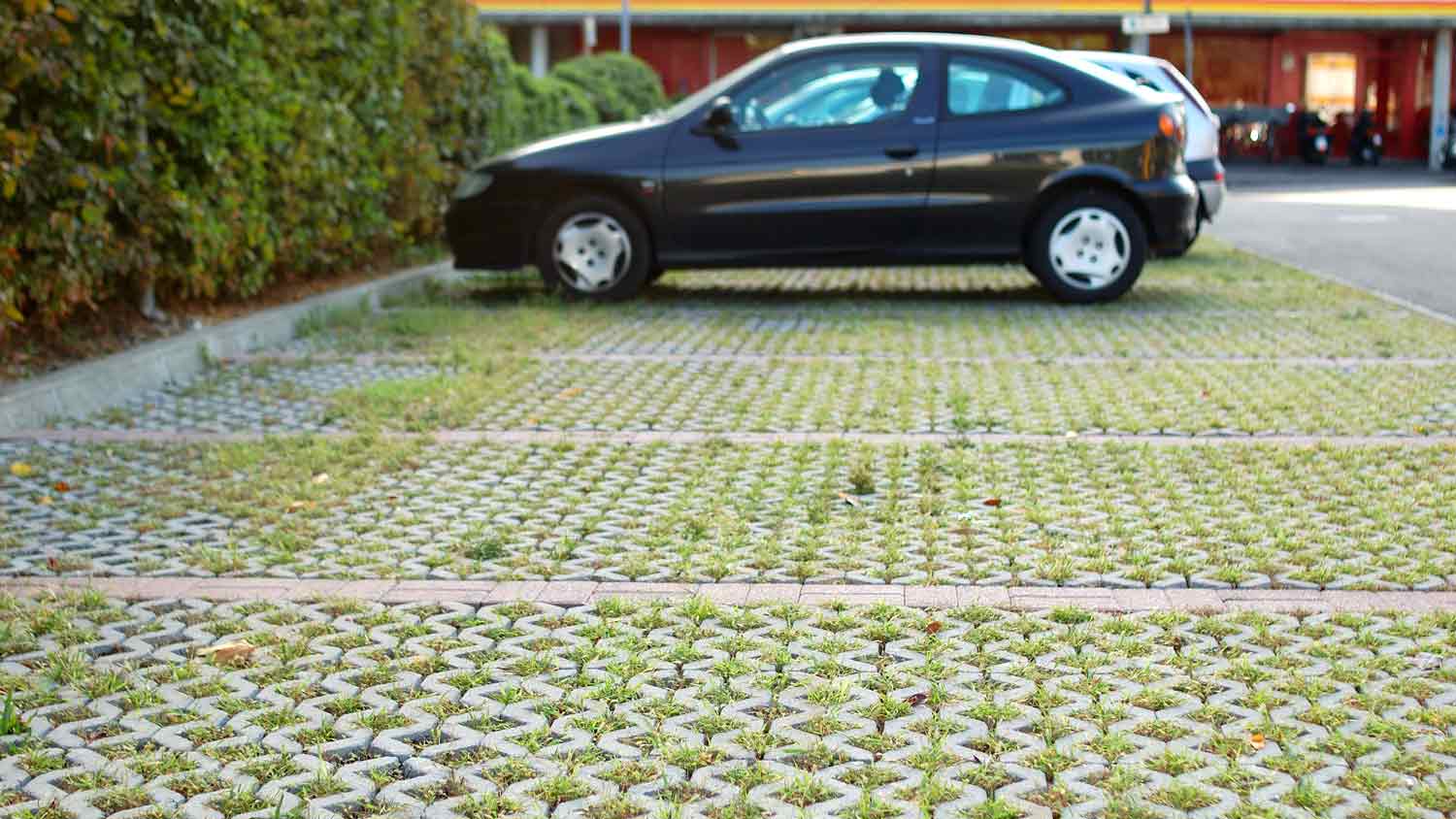
Permeable pavers help reduce runoff, prevent flooding, and boost curb appeal. Use this guide to learn how much permeable paver installation costs based on factors like size and material.
Pave the way to sustainability with permeable pavers

Permeable pavers feature wider joints filled with grass, gravel, or crushed quartz, allowing rainwater to filter into your soil instead of overwhelming storm drains.
Expect to pay $10 to $40 per square foot for permeable paver installation, compared to $8 to $25 per square foot for standard pavers.
Your permeable paver system includes a deeper gravel base beneath the surface, which stores runoff water and helps prevent flooding around your home's foundation.
Hiring a local hardscape professional keeps your installation on track with accurate soil testing, proper excavation depth, and seamless paver layout for effective drainage.
When it’s pouring rain outside, there are a few options for making the most out of your walkways and driveway. It’s often unpleasant to walk on the muddy ground, gravel can leave natural streaks where the rain flows, and traditional pavement can be problematic for stormwater runoff—routing it straight to an overwhelmed storm drain rather than your plants.
Permeable pavers, on the other hand, can enhance your curb appeal, create the perfect outdoor party space and lovely walkways for meandering through your garden, and help the environment by accommodating the natural water cycle. Here’s what you need to know about this environmentally-friendly pavement option.
Permeable pavers come in a variety of designs, but the most common imitate standard pavers. They’re a bit like puzzle pieces, with plastic, concrete, asphalt, or clay bricks as the primary building material. Unlike interlocking puzzle pieces, however, permeable pavers have wide joints or gaps made out of permeable materials like grass, gravel, crushed quartz, or some other aggregate between each paver. These aggregates create the permeability that allows water to flow between the hardscape materials.
You can use permeable pavers on your driveway, front walkway, patio, or garden pathways. Depending on the aggregate and type of paver hardscape you choose, your design will either create an earthy, rustic, or natural aesthetic that also retains and redistributes rainwater in a way that keeps it all from streaming down the drain.
If you're deciding between permeable and non-permeable pavers, there are a few key differences to note.
Non-permeable pavers consist of concrete and sand molded into the desired shape. These pavers have stiff joints filled with polymeric sand for durability and to prevent weeds from taking root. The base for these is thin and made of concrete sand and gravel, and minimal water can flow through.
Permeable pavers usually have wide joints to allow water to flow to the ground beneath. Some permeable paver systems also use more porous concrete, clay stones, or bricks, so some additional water can wick through the paver itself. Constructing a project out of these pavers is ideal for areas where water collects or additional drainage is necessary. The base for these pavers is deeper and filled with gravel, and less shifting occurs.

Permeable pavers work much like your traditional concrete or asphalt pavement. Pavers are solid and durable, and they utilize the power of hardscape material to allow for vehicle and foot traffic without sustaining damage. In some cases, the pavers themselves are more porous, but these systems usually rely on wider gaps filled with permeable material to allow for more water to flow through into the ground below.

Permeable pavers also often have a deeper base of crushed gravel below to allow a higher volume of water to permeate into the soil underneath. Some systems are even equipped with drainage pipes integrated into the base to collect water and route it to a safe area for disposal.
While researching your options for environmentally-friendly pavers, you might come across a few different names that all seem very similar: permeable interlocking concrete pavers, porous pavers, and pervious pavers.
Permeable interlocking concrete pavers have impermeable concrete bricks as the primary building material, similar to standard pavers. The difference is that there’s a porous aggregate in between the bricks to let water flow through the surface rather than across, and the gap is wider to allow more water.
This type of paver is the most popular option for residential homes, as they tend to cost about the same as standard pavers, and the appearance is nearly identical but with larger gaps between pavers.
As the name suggests, porous pavers are porous. These pavers contain a grid-like structure made of concrete, plastic, rubber, or another impermeable material, depending on the kind of traffic traveling across the surface.
The permeable pores often contain grass (called grass paver blocks), gravel, or sand to allow water to flow through and absorb into the ground underneath and around the hardscape.
Porous pavers allow a higher volume of water through than permeable interlocking concrete pavers, but since the even larger gaps feature gravel or grass, they create more of a lattice appearance than one of solid paver material.
Pervious concrete pavers are the costliest type of permeable paver. Instead of using an aggregate in the joint system, this option uses porous asphalt or concrete as the aggregate and hardscape material. The material is durable but less compact than standard asphalt and concrete, allowing water to filter through to the ground beneath the pavement.
Your landscape, environment, and desired aesthetic will inform the type of hardscaping material you need. For example, stone pavers are ideal for temperate climates. If you're not sure what material is right for you, consult with a landscaping professional.

Permeable pavers are environmentally friendly, but what else do these paver systems offer you as a homeowner? Choosing a permeable paver for your home has many benefits:
Permeable pavers help remove pollutants from water. When a paving stone or permeable surface absorbs rain or surface water, the water seeps into the aggregate base underneath before entering the soil. This base serves as a natural filtration system that can remove or reduce pollutants.
Recycled materials play a big role in pavers’ construction. Homeowners who want to install driveway pavers and remove their existing concrete can recycle the old material and be good stewards of the environment. This recycled concrete is a key component in making new paving stones.
Permeable pavers help with stormwater management. By more evenly distributing rainwater across the ground, permeable pavers help prevent flooding and erosion, and they reduce runoff water that can overwhelm storm drains.
Paving stones can have a natural, rustic appearance. Some homeowners elect to have their paving stones laid further apart so grass can grow between them. Homeowners can achieve this natural aesthetic in any space, including driveways, patios, and walkways.
Permeable pavers are extremely durable and perfect for high-traffic areas. Concrete or asphalt pavers are strong enough to hold even larger vehicles without breaking or cracking. Many pros even recommend them for parking lots as a Low Impact Development Strategy (LID). More commercial developers are installing driveway pavers instead of laying solid concrete.
Permeable interlocking concrete pavers don’t crack like traditional concrete pavers. This pavement option is more durable than a concrete or asphalt pavement system, as the pores allow for airspace and natural temperature changes and fluctuations in the soil. In other words, you won’t need to repair your pavement as frequently.
Installing permeable pavers may qualify you for a tax rebate. Some cities offer incentive programs and rebates for installing permeable pavements, depending on where you reside.

The average cost to install permeable pavers is between $10 to $40 per square foot, so you’ll usually spend a bit more on permeable pavers than you would on the cost of interlocking pavers. For the sake of comparison, standard pavers—excluding materials like flagstone—will cost between $8 and $25 per square foot in most cases.
Material is a big cost factor, with plastic grids and grass as the aggregate falling at the low end of the price range and permeable stone pavers coming in at the higher end of the price range. For elaborate or custom designs or those that include underground drainage systems, you could pay even higher rates for added labor.
While permeable pavers come with prices up to twice as high as other hardscaping costs—like if you chose standard poured concrete, pavers are less likely to crack and easier to replace if a single paver gets damaged over time, making them less expensive to maintain.
You’ll need to follow a few comprehensive steps to get the best permeable pavers for your home’s landscape. This includes:
Conducting a soil test
Removing the current pavers or concrete (if applicable)
Excavating the site to the right depth
Laying down the base layer, as well as leveling and compacting the material
Correctly measuring, laying out, and filling the pavers
This is a job that demands a high level of planning and precision. To do the job correctly, hire a local hardscape contractor to perform a percolation test on your soil to see how much excavation you need, accurately excavate the site, and seamlessly install your permeable pavers.
Permeable pavers are relatively easy to maintain, but there are some additional steps compared to traditional pavers that you’ll need to take. Most importantly, the wider gaps—depending on the fill material—can promote weed growth, so you might need to remove weeds more often. For pavers with grass growing in the gaps, you’ll need to mow as part of your normal landscaping routine.
To ensure the most effective drainage system, keep grass cuttings, leaves, and other debris away from your newly installed permeable pavement and surrounding areas. Use a professional, outdoor vacuum cleaner, which you can rent at a home improvement store, to remove finer debris once or twice a year. Be sure to remove snow come winter and seasonally inspect the areas of your permeable pavement for wear and tear.
If you notice that your pavement is not draining properly or needs replacing, hire a hardscaper to help you get the job done.
I recently moved to another state and chose United Trust Van Lines after comparing several companies. Their team was punctual, professional, and extremely careful with my belongings. I was especially impressed with how they handled my home office setup and fragile items. Everything arrived on...
 United Trust Van Lines, LLC
Mitchell and the crew were top tier i am so happy with my new roof
 Home Genius Exteriors
This company does it right. Firstly, I want to say that Landan was a joy to work with. He was so kind, transparent, and had everything under control. His entire team showed up ready to work and they were all very respectful of the fact that we were in an office space. A little backstory – we...
 Krumlauf Floors
Amazing job. Efficient and quick without compromising quality. Basement feels brand new. Would use them again in a heartbeat.
 AffordaPro Restoration
D1 Roofing delivers outstanding service from beginning to end, backed by a strong warranty and expert teams. I highly recommend them for their excellence in meeting and surpassing expectations with unmatched communication. Choosing D1 Roofing was flawless decision
 Division 1 Roofing LLC
I'm a repeat customer of All Star Paving & Sealing and I appreciate the service that all start paving has done for me in the past. I just recently had them out for an estimate and things couldn't have gone better. The staff that they send out to do the estimates are very knowledgeable. The...
 All Star Paving and Sealing
Supreme Brick & Chimney did an excellent job restoring the brick and mortar joints on my home. Their team was professional, knowledgeable, and completed the work on time. I highly recommend them and will hire them again in the future! Thanks!
 Supreme brick & chimney
Window Depot did an amazing job on my deck. I wasnt sure what I wanted to do, but their composite decking was affordable and will last a long time. I am excited to have family over, and I am no longer embarrassed by my backyard. Jeff and the ground crew were polite, respectful, and caring for...
 Window Depot USA of Central Ohio
They are very reliable and available. They the drains all the time
 The Waterworks
We had a 20+ year old landscape lighting system that needed replacement. Midwest Lightscapes worked with us to design a much improved lighting system, lighting the exterior of the house and the back yard. Installation of the 45 light system took one and one-half days, and went very smoothly....
 Midwest Lightscapes
From average costs to expert advice, get all the answers you need to get your job done.
Permeable pavers help reduce runoff, prevent flooding, and boost curb appeal. Use this guide to learn how much permeable paver installation costs based on factors like size and material.
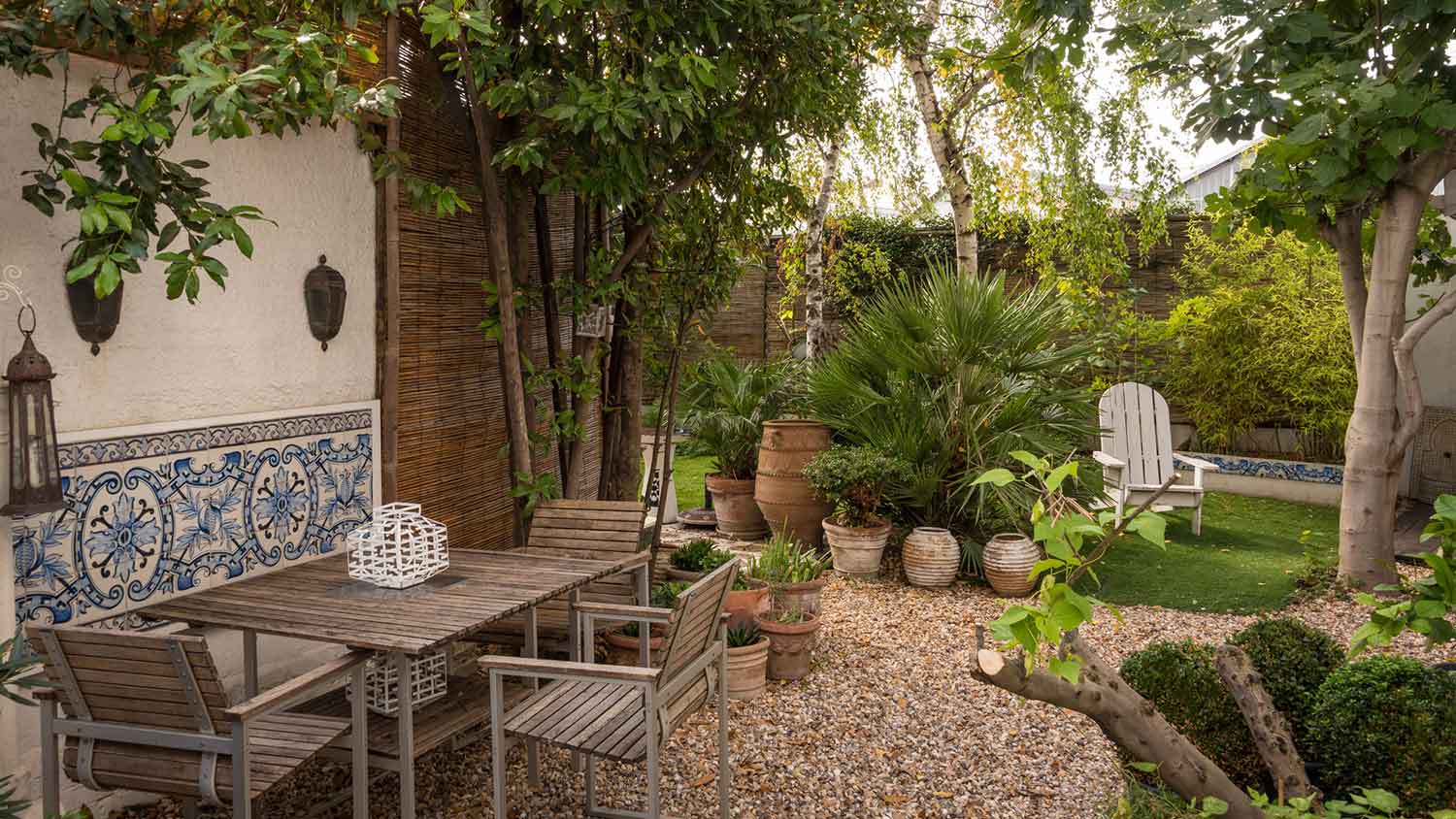
Looking to build an outdoor entertainment space? Use this patio cost guide to get an idea of how much your exterior project will come out to.
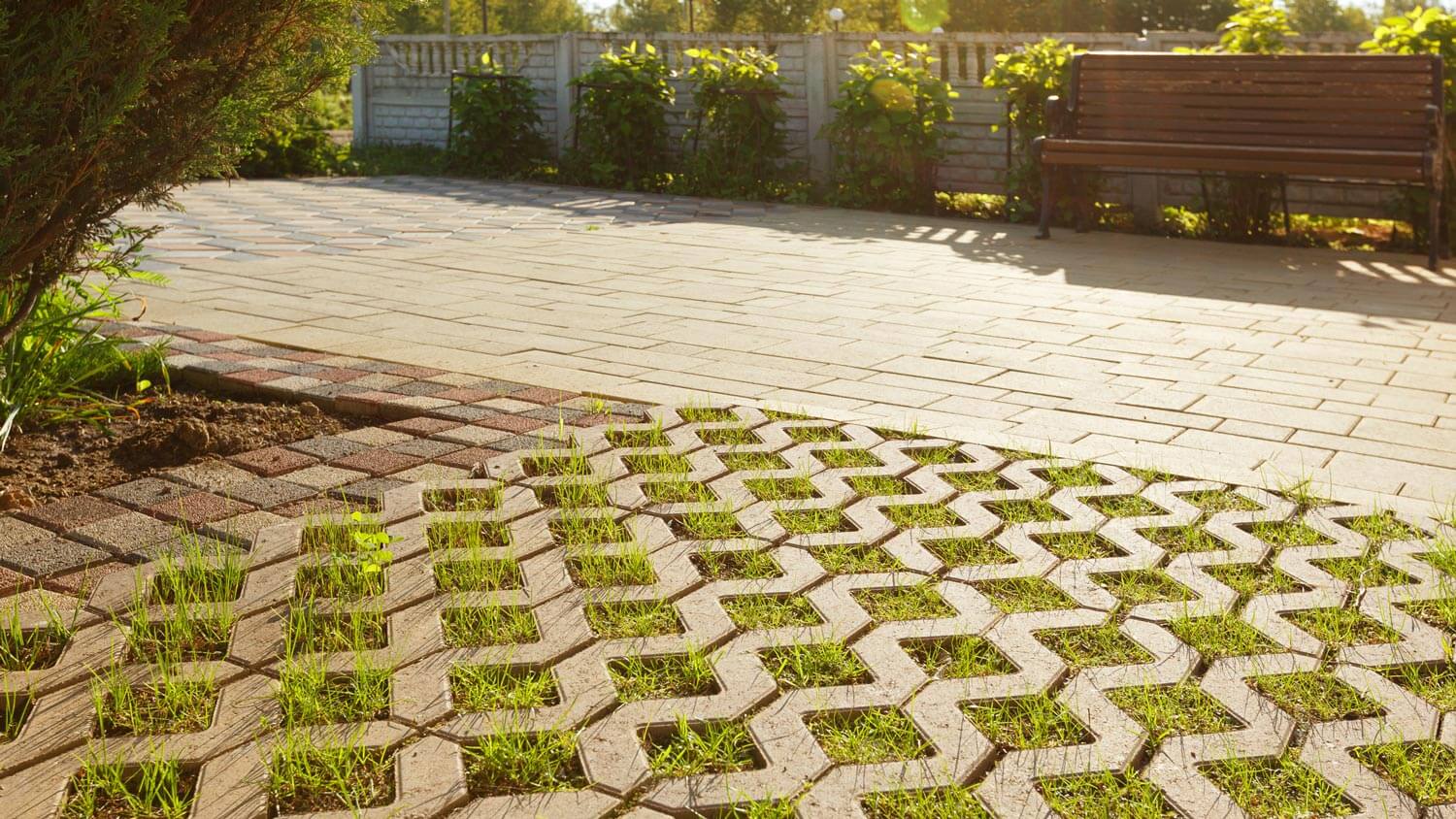
There's no need to cover up your entire lawn to install a driveway or walkway. Grass paver blocks offer a natural alternative to stone and concrete.
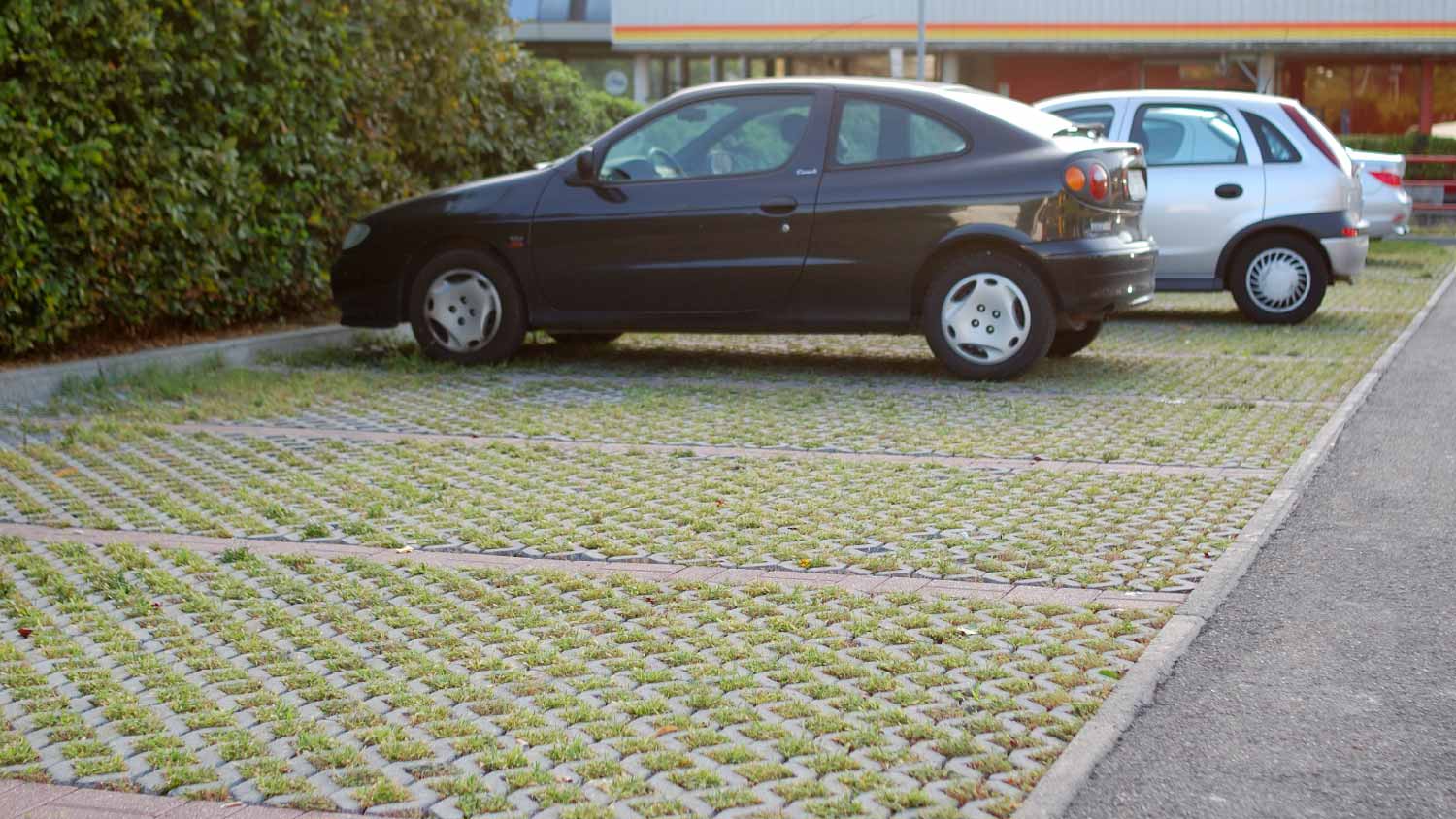
Is rainwater constantly building up on your driveway, walkway, or patio? Find out how permeable paving could be the answer to your problems.
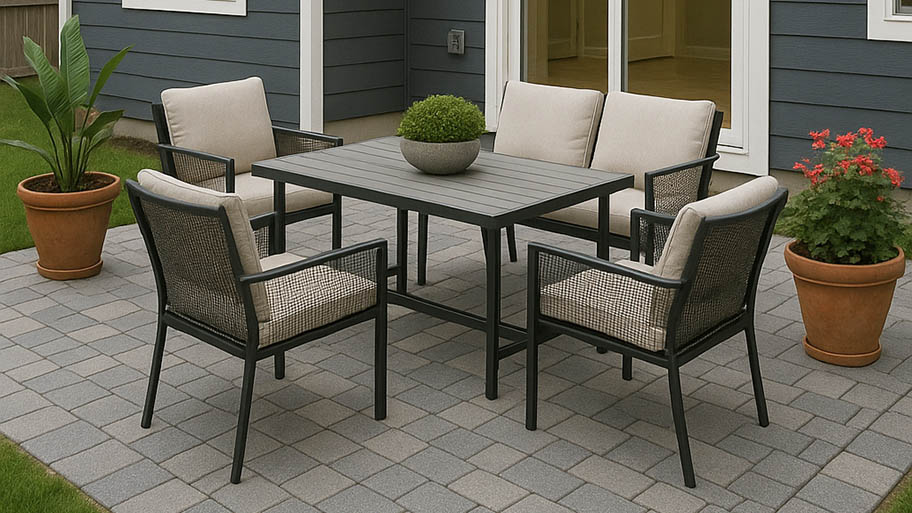
Before breaking out the sledgehammer, consider adding pavers over concrete in your yard. Learn how to save money and tons of time.
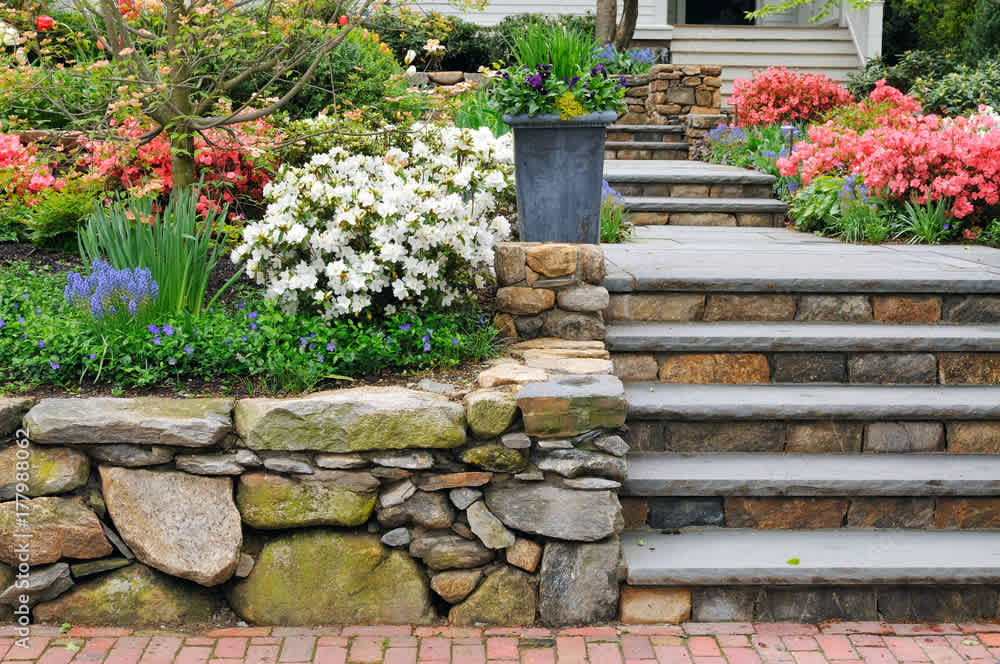
From paver driveway design to front yard walkway ideas, incorporating curb appeal ideas with pavers into your landscape will add instant curb appeal.