

•
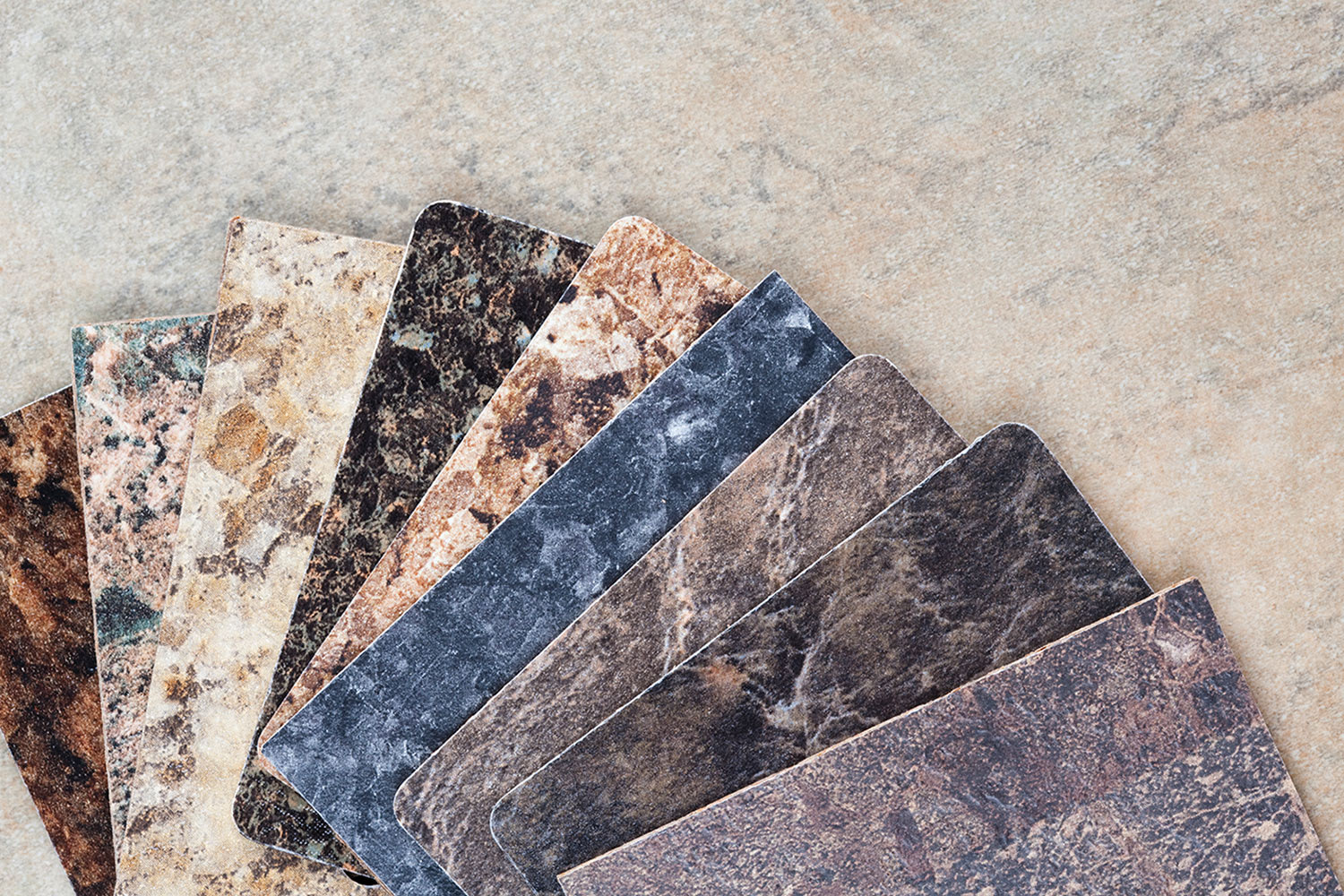
Discover the true granite floor installation cost. Learn about average prices, cost factors, and tips to save on your granite flooring project.
Pavers and hardscaping service costs depend on your project and location. Check with a local pro for your specific job.

Decomposed granite costs $60 per ton on average, with prices ranging from $20 to $300 depending on your material quality and stabilization.
The type of decomposed granite you choose affects stability and longevity, from natural DG to stabilizer-treated or resin-blended options.
You should budget for delivery fees of $50 to $75 per load and site preparation costs like grading or tree removal.
Hiring a local hardscape professional ensures your decomposed granite is installed correctly and saves you from moving heavy material all day.
In 2026, the national average cost for decomposed granite is $60. Most homeowners pay between $40 and $80, with the spread driven by particle size, granite quality, and whether stabilizers or resin are added. Natural decomposed granite sits at the lower end, while stabilized or resin-blended options push costs higher.
Several factors affect how much you'll pay for decomposed granite (often abbreviated as DG), from the type and quality of material to delivery distance and site conditions.
Decomposed granite materials average $40 to $255 per cubic yard, not including installation or delivery, and your total material cost scales directly with the size of your project. Costs vary by square footage, as shown in the breakdown below.
| Project Size (sq. ft.) | Average Cost in 2026 |
|---|---|
| 50 | $20–$115 |
| 100 | $40–$225 |
| 150 | $60–$340 |
| 200 | $80–$450 |
| 300 | $120–$675 |
| 400 | $160–$900 |
| 500 | $200–$1,125 |
Decomposed granite comes in three types, with natural DG being the least expensive at $60 per ton and the least stable option, making it a poor fit for areas prone to heavy rainfall, runoff, or strong winds. DG treated with stabilizer offers greater longevity at $185 per ton, while DG with resin is the most durable choice at $225 per ton, holding up even in extreme weather conditions. Costs vary by type, as shown in the breakdown below.
| Type of Decomposed Granite | Average Cost (Per Ton) in 2026 |
|---|---|
| Natural DG | $60 |
| DG treated with stabilizer | $185 |
| DG with resin | $225 |
Unstabilized decomposed granite contains no binders or additives, leaving it vulnerable to storm runoff, wind, and impact erosion, and while it costs roughly half as much as stabilized DG upfront, erosion-related replacements over time can make it the more expensive choice. Lower-quality DG also tends to cling to shoes and track indoors, where it can scratch wood flooring. Choosing a stabilized DG delivers better long-term stability and lower overall maintenance costs.
Decomposed granite is available in a wide range of colors sourced from quarries across different regions. Colors available from nearby quarries cost less, while rare shades, custom blends, or colors requiring long-distance transport will add to your material cost.
Because decomposed granite is extremely heavy, with one cubic yard weighing well over a ton, most homeowners need professional delivery from the quarry or hardscape supply store. Delivery typically costs $50 to $75 per load, with the final price depending on the quantity ordered and the distance the driver must travel.
Professional decomposed granite installation runs $70 to $80 per hour, though most local hardscape contractors quote a flat rate based on the full scope of your project rather than billing hourly. For complete projects, labor typically falls between $350 and $800, though totals can extend well beyond that range in either direction depending on your specific job. For a full picture of what to budget, review overall landscaping costs alongside your installation quote.
Site preparation is a separate cost to factor in alongside labor, and the cost to clear land can add up quickly if your installation area is overgrown or uneven. Leveling and grading uneven terrain for a standard 10-by-50-foot driveway runs $1,500 to $2,000, and tree removal adds $200 to $2,000 per tree on top of that.
You can create just about any landscape design on a hill, but if you have a severe slope a professional landscaper can help install new drainage. Pooling water can lead to damaged plants and yards.


One ton of decomposed granite costs around $60 and covers approximately 64 square feet at 3 inches deep, though some projects require greater depth. Costs vary significantly by project, as shown in the breakdown below:
| Project (ft.) | Material Cost in 2026 | Total + Installation |
|---|---|---|
| Driveway (50x10) | $800 | $1,750 (6 in. deep) |
| Patio (20x20) | $360 | $800 (3 in. deep) |
| Walkway (50x3) | $130 | $300 (3 in. deep) |
Where you live affects your decomposed granite costs in two ways: greater distance from the source quarry raises material prices, and hard-to-access project sites can add a premium to delivery fees.
Pairing your decomposed granite project with complementary upgrades can increase your home's value and make your outdoor space more functional and enjoyable. Consider these add-on services when planning your overall budget.
Cost to mulch garden beds: $100 to $800
Cost to install an outdoor pond: $1,200 to $5,500
Cost to install outdoor lighting: $2,000 to $6,000
Cost to install a paver patio: $2,400 to $7,000
Cost to install a retaining wall: $3,200 to $9,200
Cost to level or grade land: $1,000 to $3,300
Decomposed granite is a low-maintenance landscaping option, but it can still get quite expensive, especially for larger projects. Below are some ways you can save on costs.

Decomposed granite is available in many different shades. Local quarries will often offer the best prices on locally sourced granite, as there are lower transportation costs. Choosing a shade that’s abundantly available locally will cost less than importing a color that may come from many miles away.
As most quarries charge a flat rate for delivery based on your location, it makes the most financial sense to buy all the decomposed granite you’ll need for your various projects at the same time. When you do this, you’ll avoid having to pay multiple delivery fees for smaller loads. Make sure to take accurate measurements of your space before ordering to ensure you get the right amount for the coverage you need.
If you’re hiring a professional hardscaper for your decomposed granite, you can save a bit of money by taking on a bit of the labor yourself. Specifically, prepping your building site could be a job that requires no particular experience and no more equipment than what you already have in your shed. While grading and sloping land is a job best fit for the pros, you can consider doing other projects, like clearing bushes, cutting down small trees, and removing other obstacles.
Once you’ve bought your decomposed granite, we recommend hiring a local hardscape contractor to help you use it on your property. Most projects require hundreds or thousands of pounds of decomposed granite, which is backbreaking work to attempt yourself with a shovel and a wheelbarrow. Working with a professional saves you labor, time, and money, especially if you’d otherwise be renting heavy-duty equipment for the project.
Working with a professional to install your decomposed granite is a smart call for many reasons, such as:
Save time on the installation process
Avoid the risk of injury while transporting large loads of decomposed granite
Ensure quality installation of the granite
Boost home value with beautiful, long-lasting decomposed granite installation
Ensure efficient use of your decomposed granite, saving money
Estimate the size of your project as accurately as possible to ensure quotes will reflect your actual costs.
Ask your professional what type of decomposed granite is (i.e., natural DG, DG with resin, DG with stabilizer) most suitable for your project.
Ask your professional what DG colors are most readily available in your area to save money.
Home is the most important place on earth, which is why Angi has helped more than 150 million homeowners transform their houses into homes they adore. To help homeowners with their next project, Angi provides readers with the most accurate cost data and upholds strict editorial standards. We extensively research project costs to develop the pricing data you see, so you can make the best decisions for you and your home. We rely on reputable sources, including the U.S. Bureau of Labor Statistics, academic journals, market studies, and interviews with industry experts—all to ensure our prices reflect real-world projects.
Want to help us improve our cost data? Send us a recent project quote to [email protected]. Quotes and personal information will not be shared publicly.
I recently moved to another state and chose United Trust Van Lines after comparing several companies. Their team was punctual, professional, and extremely careful with my belongings. I was especially impressed with how they handled my home office setup and fragile items. Everything arrived on...
 United Trust Van Lines, LLC
Mitchell and the crew were top tier i am so happy with my new roof
 Home Genius Exteriors
This company does it right. Firstly, I want to say that Landan was a joy to work with. He was so kind, transparent, and had everything under control. His entire team showed up ready to work and they were all very respectful of the fact that we were in an office space. A little backstory – we...
 Krumlauf Floors
Amazing job. Efficient and quick without compromising quality. Basement feels brand new. Would use them again in a heartbeat.
 AffordaPro Restoration
D1 Roofing delivers outstanding service from beginning to end, backed by a strong warranty and expert teams. I highly recommend them for their excellence in meeting and surpassing expectations with unmatched communication. Choosing D1 Roofing was flawless decision
 Division 1 Roofing LLC
I'm a repeat customer of All Star Paving & Sealing and I appreciate the service that all start paving has done for me in the past. I just recently had them out for an estimate and things couldn't have gone better. The staff that they send out to do the estimates are very knowledgeable. The...
 All Star Paving and Sealing
Supreme Brick & Chimney did an excellent job restoring the brick and mortar joints on my home. Their team was professional, knowledgeable, and completed the work on time. I highly recommend them and will hire them again in the future! Thanks!
 Supreme brick & chimney
Window Depot did an amazing job on my deck. I wasnt sure what I wanted to do, but their composite decking was affordable and will last a long time. I am excited to have family over, and I am no longer embarrassed by my backyard. Jeff and the ground crew were polite, respectful, and caring for...
 Window Depot USA of Central Ohio
They are very reliable and available. They the drains all the time
 The Waterworks
We had a 20+ year old landscape lighting system that needed replacement. Midwest Lightscapes worked with us to design a much improved lighting system, lighting the exterior of the house and the back yard. Installation of the 45 light system took one and one-half days, and went very smoothly....
 Midwest Lightscapes
From average costs to expert advice, get all the answers you need to get your job done.
Discover the true granite floor installation cost. Learn about average prices, cost factors, and tips to save on your granite flooring project.
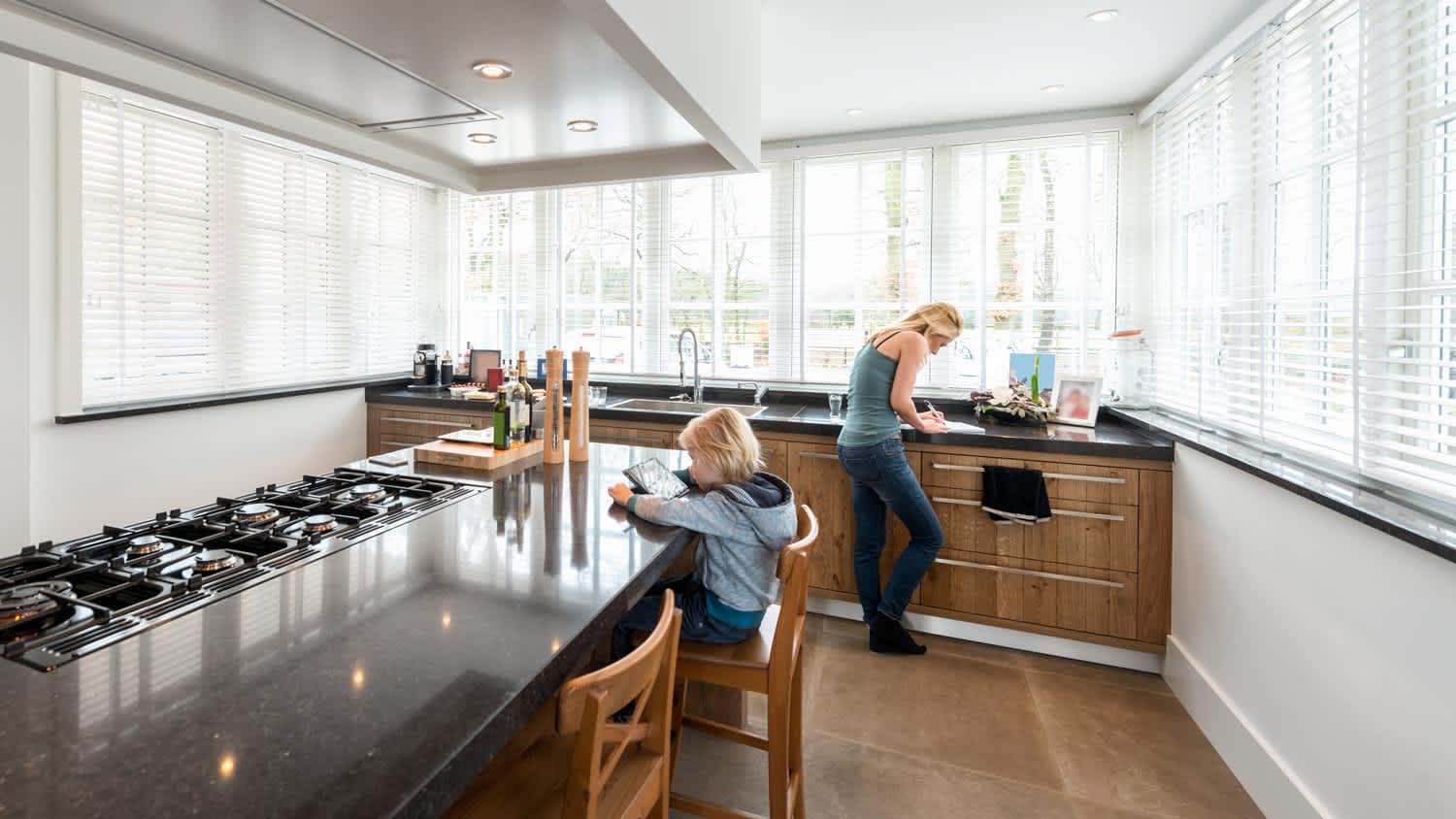
Granite counters are durable and stylish, but if you’re wondering how much granite countertops cost, it’s time to dig into the details.
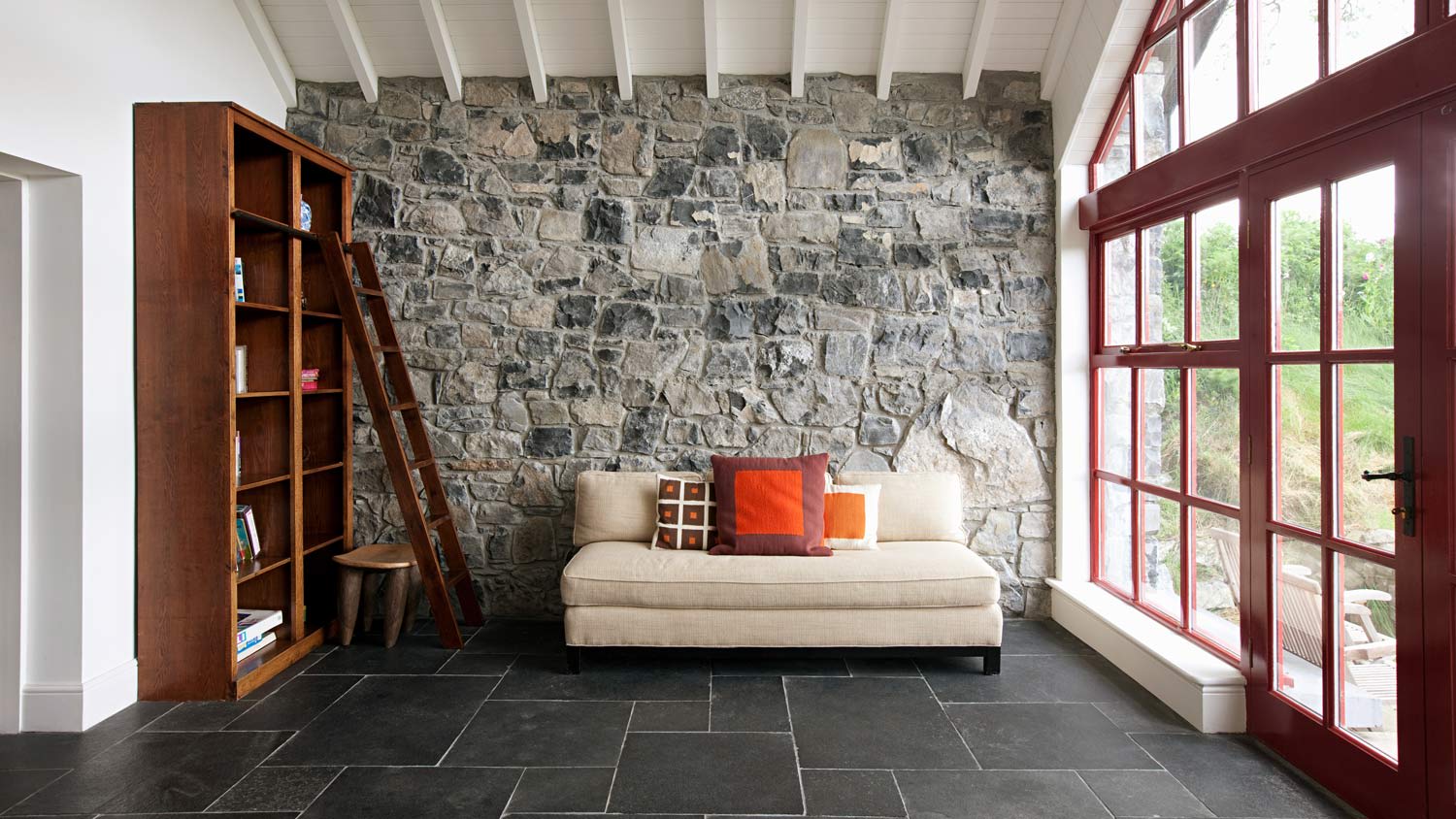
Discover the average stone restoration cost, including price ranges and key factors, to help you plan your next home project with confidence.
Everything you need to know about the pros and cons of having a decomposed granite driveway at your home based on price, life span, and performance.
Decomposed granite is a crushed natural stone used to boost curb appeal and enhance garden spaces. Here’s how you can use decomposed granite for your yard.
When fabricators cut a slab, they leave leftover pieces sold as granite remnants. Granite remnants can be perfect for small countertops and save you money.