
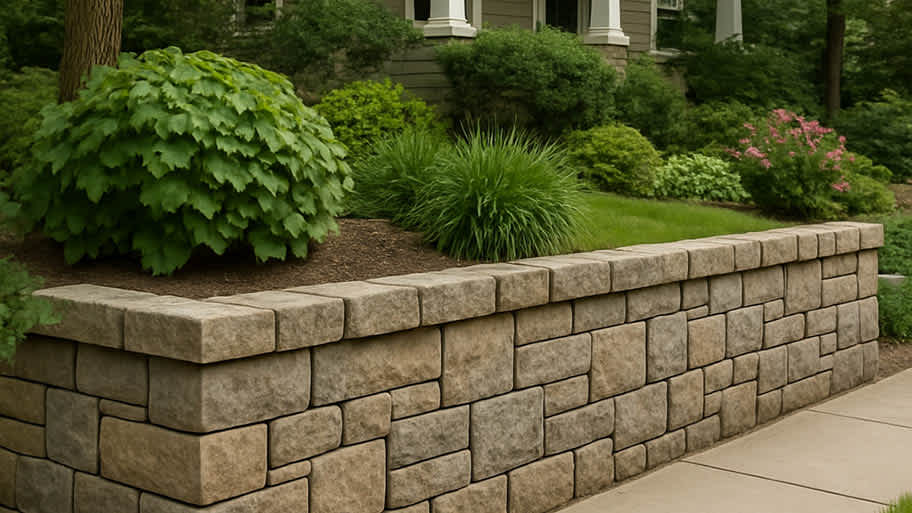
Kick erosion to the curb with an eye-catching retaining wall. Retaining wall costs vary based on the material, but this guide will help you budget.
Don’t hold back when it comes to these useful landscaping features

Retaining walls stabilize sloped ground and prevent soil erosion, with different types suited to your specific terrain, height needs, and available space.
Gravity retaining walls rely on their own weight to resist pressure, making them ideal for walls up to 10 feet and tiered landscaping projects.
Cantilever retaining walls feature an L-shaped design that handles walls 10 to 25 feet high and works well for your ground with significant elevation changes.
Hiring a local hardscape professional helps you choose the right retaining wall style and material for your property while confirming permits and building codes.
If you’re looking to build on hilly land, add landscaping to a slope, or prevent soil erosion, a retaining wall might be just what you need. Retaining walls are structures built into sloped surfaces to stabilize the ground, resist pressure that could cause soil shifting or erosion, and make it possible to build on uneven terrain.
Retaining walls can be built in a variety of styles and from a wide range of materials, and different types of retaining walls are used for different purposes. Learn about seven common types of retaining walls and which is best for your yard.

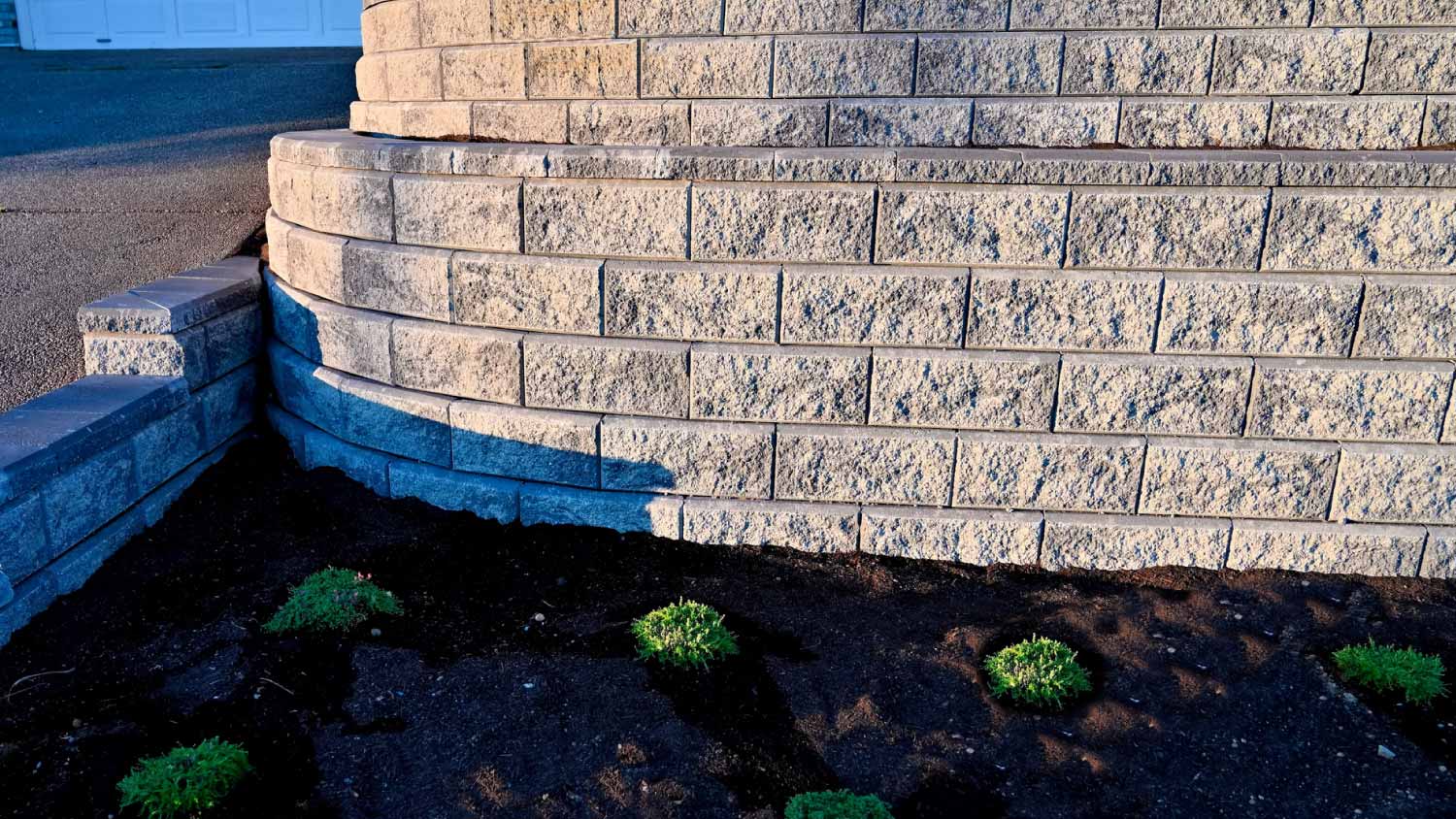
Gravity retaining walls use their own weight and the force of gravity to resist pressure. Unlike other types of retaining walls, they don’t require additional support. Gravity walls can be constructed of various materials and are known for their stability and strength.
Walls up to 10 feet high
Creating tiered gardens
Preventing erosion on waterfront properties
Concrete blocks
Precast concrete
Stone

Sheet pile retaining walls use interlocking sheets of material driven into the ground to create a continuous barrier against pressure. Modern sheet pile walls typically use steel to prevent rot and decay, but they can also be constructed from wood. This is one of the most cost-efficient types of retaining wall and is faster to construct than other types.
Temporary retention during excavation
Areas with too little space for thicker walls
Soft, loose, or high-moisture soil
Steel
Wood

Cantilever retaining walls have a vertical structure and a horizontal base, forming an L-shaped structure. They are the most common type of retaining wall, use less material than gravity walls, and are popular due to their suitability for taller walls and ability to withstand significant amounts of pressure.
Walls 10 to 25 feet high
Ground with significant elevation changes
Reinforced concrete
Reinforced masonry

Anchored retaining walls are relatively thin walls reinforced with anchors made of high-strength steel bars or cables driven deep into the ground for additional support. The tension from the anchors helps counteract pressure exerted against the wail. These retaining walls cost less than thicker walls and are ideal in tight spaces like urban yards.
Areas with limited space
Walls up to 18 feet high
Areas prone to landslides
Stone
Concrete
Steel anchors

Gabion retaining walls are constructed from wire mesh baskets or boxes filled with stone or rocks stacked and linked to give the wall its form. This type of retaining wall has been used since ancient Egypt and is popular due to its permeability, ease of construction, and affordability.
Tiered gardens
Seating on a slope
Waterfront property
Galvanized wire mesh baskets
Rocks
Stone
Bricks

Crib retaining walls use interlocking, pre-constructed wood or concrete boxes filled with materials like stone or soil. These walls are permeable and allow for efficient drainage, making them ideal for areas where water pressure is a concern. Unlike other retaining walls that are perfectly vertical, crib walls are often built at a slope.
Driveway retention
Terraced gardens
Areas with steep slopes
Treated timber
Concrete

Mechanically stabilized earth (MSE) walls use layers of backfill reinforced with metal or plastic strips or mesh for stability, and materials like stone, wire mesh, or concrete to make up the wall face. These walls are versatile and cost effective but may require more frequent maintenance than other retaining walls.
Tall or long walls
Driveway support
High-traffic areas
Backfill: Dirt, sand, gravel
Reinforcement: Steel, geosynthetic plastic
Facing: Concrete, stone, wire mesh
The right retaining wall for your yard will depend on a number of factors, including:
The angle of the slope
The desired wall height
The wall’s function
Available space
Soil conditions
Your landscape, environment, and desired aesthetic will inform the type of hardscaping material you need. For example, stone pavers are ideal for temperate climates. If you're not sure what material is right for you, consult with a landscaping professional.

A local hardscape contractor can help you decide on the right style and material for your retaining wall. When hiring a hardscape contractor, find out how much experience they have with your desired wall style, see whether they’ll pull any necessary permits and follow local building codes, and ask for pictures or reviews of their previous work.
I recently moved to another state and chose United Trust Van Lines after comparing several companies. Their team was punctual, professional, and extremely careful with my belongings. I was especially impressed with how they handled my home office setup and fragile items. Everything arrived on...
 United Trust Van Lines, LLC
Mitchell and the crew were top tier i am so happy with my new roof
 Home Genius Exteriors
This company does it right. Firstly, I want to say that Landan was a joy to work with. He was so kind, transparent, and had everything under control. His entire team showed up ready to work and they were all very respectful of the fact that we were in an office space. A little backstory – we...
 Krumlauf Floors
Amazing job. Efficient and quick without compromising quality. Basement feels brand new. Would use them again in a heartbeat.
 AffordaPro Restoration
D1 Roofing delivers outstanding service from beginning to end, backed by a strong warranty and expert teams. I highly recommend them for their excellence in meeting and surpassing expectations with unmatched communication. Choosing D1 Roofing was flawless decision
 Division 1 Roofing LLC
I'm a repeat customer of All Star Paving & Sealing and I appreciate the service that all start paving has done for me in the past. I just recently had them out for an estimate and things couldn't have gone better. The staff that they send out to do the estimates are very knowledgeable. The...
 All Star Paving and Sealing
Supreme Brick & Chimney did an excellent job restoring the brick and mortar joints on my home. Their team was professional, knowledgeable, and completed the work on time. I highly recommend them and will hire them again in the future! Thanks!
 Supreme brick & chimney
Window Depot did an amazing job on my deck. I wasnt sure what I wanted to do, but their composite decking was affordable and will last a long time. I am excited to have family over, and I am no longer embarrassed by my backyard. Jeff and the ground crew were polite, respectful, and caring for...
 Window Depot USA of Central Ohio
They are very reliable and available. They the drains all the time
 The Waterworks
We had a 20+ year old landscape lighting system that needed replacement. Midwest Lightscapes worked with us to design a much improved lighting system, lighting the exterior of the house and the back yard. Installation of the 45 light system took one and one-half days, and went very smoothly....
 Midwest Lightscapes
From average costs to expert advice, get all the answers you need to get your job done.
Kick erosion to the curb with an eye-catching retaining wall. Retaining wall costs vary based on the material, but this guide will help you budget.
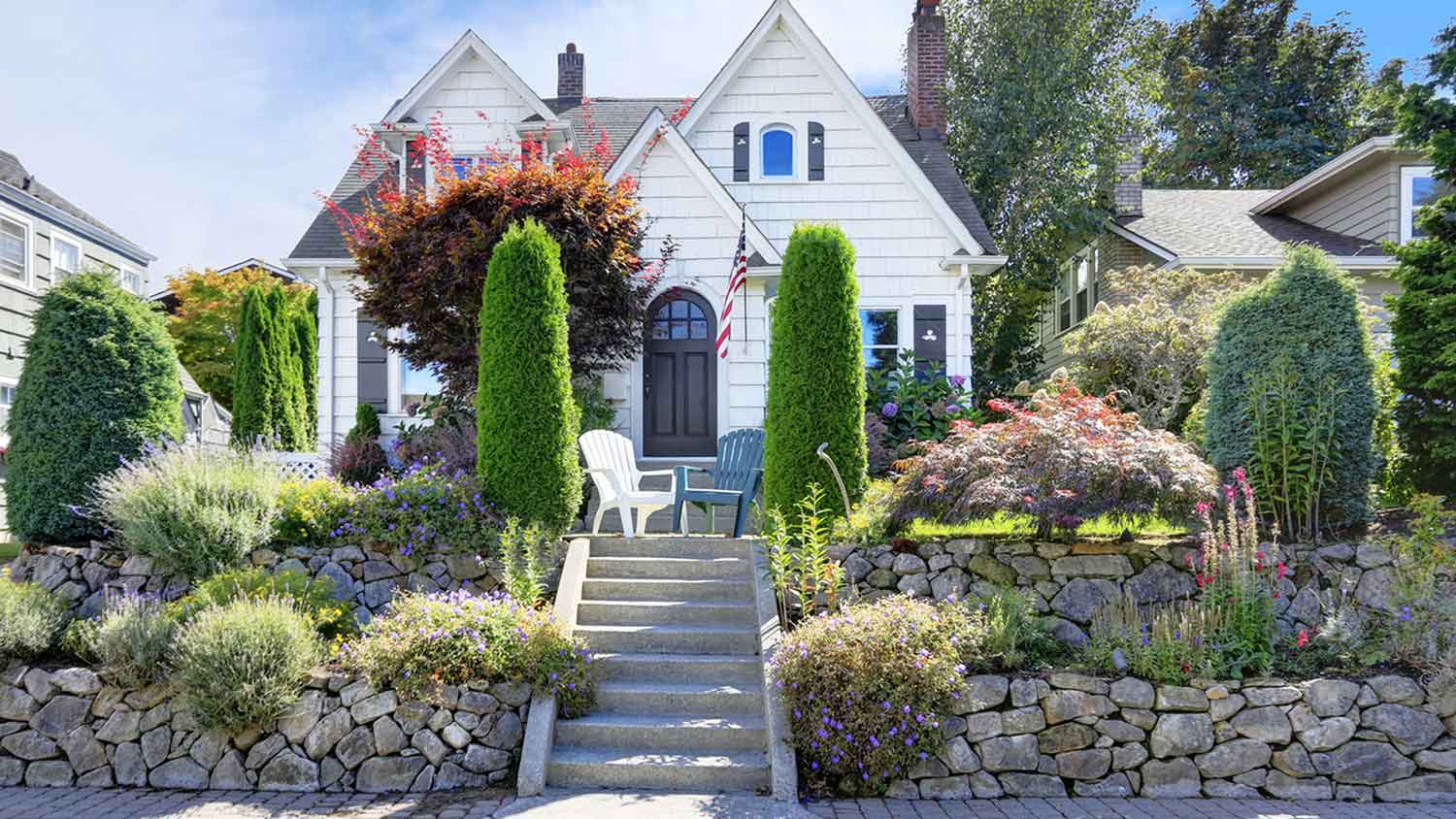
Retaining wall repair cost can vary widely based on the age and condition of the wall being restored. Learn why finding the right pro is important for getting the job done.
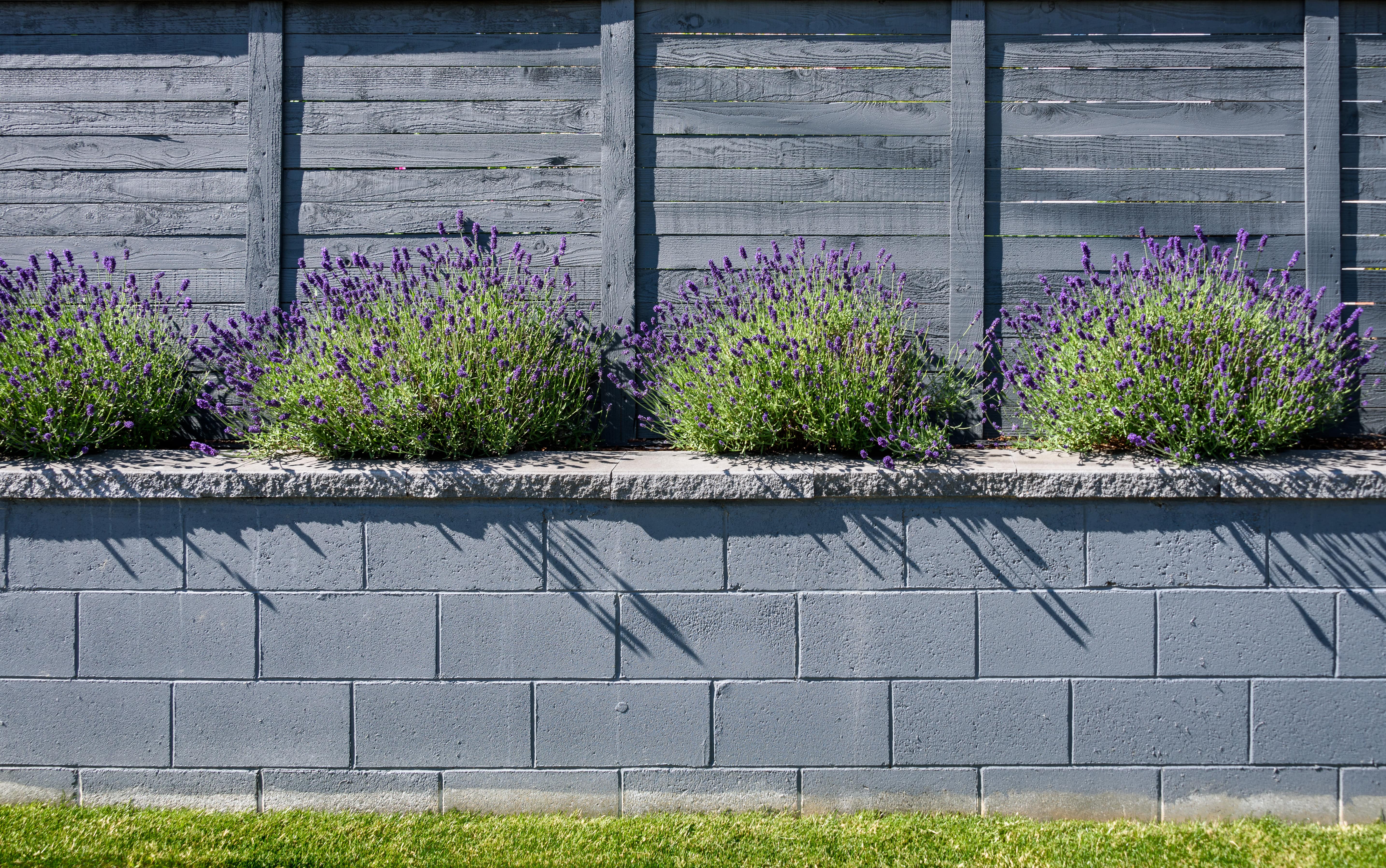
Find out how much a concrete retaining wall costs. Get average prices, cost factors, and expert tips to budget and save on your installation.
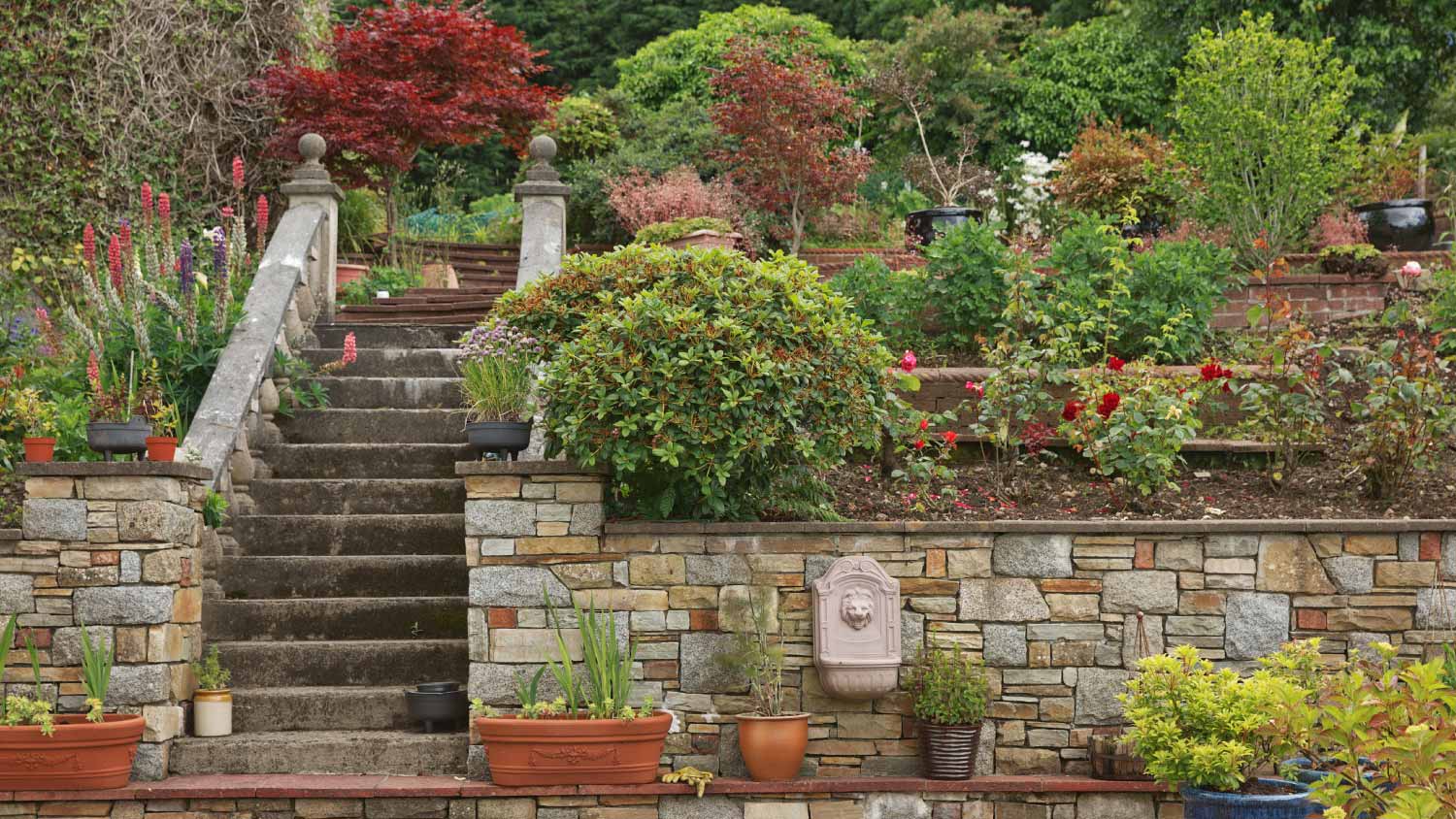
While it’s possible to DIY build a retaining wall, several pros have advanced knowledge of hardscaping and building. Learn who to hire to build a retaining wall.
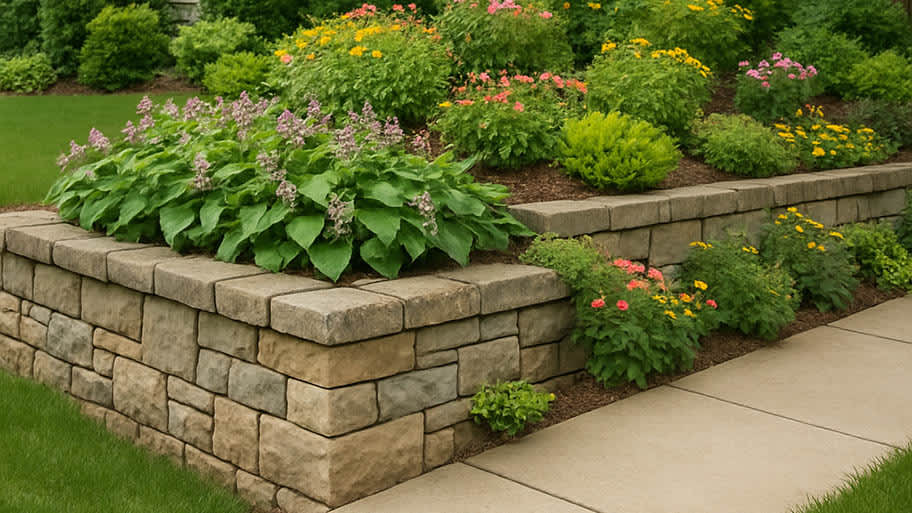
There is no one-size-fits-all retaining wall for your yard. In fact, the options are endless. Check out 20 retaining wall ideas to upgrade your hardscape.
Replacing a retaining wall or installing a new one after grading? Here are some retaining wall questions you should be prepared to answer when hiring a pro.