

Removing a pool is a labor-intensive job, but the investment can be worth it. Use this pool removal cost guide to estimate how much you’ll pay for the service.
Pool construction and installation costs depend on your project and location. Check with a local pro for your specific job.

Aboveground pool removal costs between $300 and $5,000, with most homeowners paying around $900 for your project.
Pool size and accessibility impact your costs, since larger pools have more parts and hard-to-reach locations require extra time.
Account for deck removal at $700 to $1,700 and fence removal at $800 to $2,000.
Hiring a local pool removal professional provides reliable help with dismantling and disposal and saves you significant time and effort.
In 2026, the national average cost for aboveground pool removal is $900. Most homeowners spend between $475 and $2,500, with pool size, accessibility, and add-ons like decks driving the spread.
Several factors shape the cost to install a pool and those same variables carry over when it's time for removal, so understanding them upfront helps you budget accurately. Pool size is the most significant driver, but location, add-ons, and disposal choices all play a role. Given how much you likely invested through the cost to install an aboveground pool, it's worth reviewing every cost factor before scheduling removal.

Pool size is one of the most significant factors in aboveground pool removal pricing, since larger pools have more parts and require more time to dismantle than smaller ones.
A pool's location has little effect on cost when it's easily accessible, but a hard-to-reach placement or a site far from the road can prompt your pro to charge extra for the additional time required.
If your pool still holds water at the time of removal, draining it is a required first step, typically costing $175 to $225, though many professionals fold this charge into the overall removal price.
Labor is the largest single cost in any aboveground pool removal project, ranging from $300 to $5,000 depending on the pool's size, features, and whether additional services such as landscaping are needed.
Removing an aboveground pool often leaves bare ground behind, so many homeowners choose to hire a local landscaper to restore the area. The cost of landscaping typically runs $4 to $10 per square foot, depending on the scope of work.
Excavation is rarely needed for aboveground pool removal, but if your pool sits partially below ground level, you should budget for it. Residential excavation costs typically range from $50 to $200 per cubic yard.
Backfilling applies when an aboveground pool sits slightly below grade and the area needs to be leveled after removal. Filling a pool costs between $2,000 to $20,000 depending on the materials used and the pool's size, so it's worth confirming whether your pool's depth makes this step necessary before finalizing your budget. You can learn more about the tradeoffs by reviewing what it means to fill your pool with dirt.
Accessories and features surrounding your pool add to the overall removal cost, so talk with your pro about whether it's more cost-effective to remove or keep each one.
If your aboveground pool has a deck, you'll need to pay extra to remove it. Removing the deck usually adds an extra $700 to $1,700 to pool removal costs, depending on the deck's size and materials. If you just have a simple concrete pool patio, concrete removal costs average around $1,200.
Any enclosure or fence around your pool will also affect your costs if you decide to remove it. To remove an enclosure, you'll want to budget for an extra $800 to $2,000 depending on its size and materials.
Pool stair removal is typically included in pool removal costs and doesn't greatly impact the overall cost of pool removal. However, generally speaking, the more materials you need to remove during this project, the longer it'll take and the more it will cost. If you have large, heavy pool stairs, your pro may charge a little more to take them away.
Renting a dumpster is a straightforward way to handle pool debris disposal once your pro completes the removal. The cost to rent a dumpster ranges from $300 to $500 based on size and type.
A junk removal service is a convenient alternative to dumpster rental for disposing of your pool and debris. Junk removal costs range from $60 to $600 depending on volume, though for a typical aboveground pool removal you should plan on budgeting around $300.
Removing your old pool on your own can save you anywhere from $300 to $5,000 in labor costs, depending on the pool size. However, disassembling a pool is harder than it looks. Local pool removal pros have the required equipment and experience to complete the job effectively, plus they'll haul away and dispose of your unwanted pool.
Getting your aboveground pool professionally removed saves time and removes hassles:
Fully disassembling a pool is a time-intensive task that requires separating recyclable materials.
You may need to rent a dumpster to hold all the pieces of your old pool after DIY dismantling.
Local pool removers have insurance that covers any damage that may occur during the process.
They’ll be familiar with local regulations regarding safe disposal of leftover pool chemicals.
Have the dimensions of your pool ready when you contact local pool removal companies.
Check if they offer full-service removal that includes pool draining, dismantling, hauling, and site restoration or grading.
Ask how they will dispose of the pool water and leftover chemicals.
Home is the most important place on earth, which is why Angi has helped more than 150 million homeowners transform their houses into homes they adore. To help homeowners with their next project, Angi provides readers with the most accurate cost data and upholds strict editorial standards. We extensively research project costs to develop the pricing data you see, so you can make the best decisions for you and your home. We rely on reputable sources, including the U.S. Bureau of Labor Statistics, academic journals, market studies, and interviews with industry experts—all to ensure our prices reflect real-world projects.
Want to help us improve our cost data? Send us a recent project quote to [email protected]. Quotes and personal information will not be shared publicly.
If you’re good people wanting to do business with good people, hire Matt. He is a consummate professional and utterly competent. He installed a water heater in my home at a price that beat competitors by hundreds of dollars with a promise to support the unit for its life (even after its 6 yr...
 Greene's Plumbing Services
Joseph did a great job with the staircase and trim. Timely and efficient, clear communication about the work, very fair pricing. For the stairs in particular, done very skillfully in an old house (1893) in a tight spiral, and very creative with how to do the handrail. Did a nice job with...
 Vouis Trim Carpentry L.L.C.
This company does it right. Firstly, I want to say that Landan was a joy to work with. He was so kind, transparent, and had everything under control. His entire team showed up ready to work and they were all very respectful of the fact that we were in an office space. A little backstory – we...
 Krumlauf Floors
Professional Team, smooth to communication chain and schedule flexibility. Follows proper construction procedure and completes task on time.
 Pegasus Concrete
Very professional, knowledgeable and helpful! Completed the install on time and as expected.
 Ward's Services
Cole has been handling plumbing and general contracting for our four properties over the past three years, and he’s always done a great job. Most recently, he installed a sink and countertop in our retail store where none existed before, and it turned out exactly how we needed. He’s...
 ANB Renovations LLC
Excellent, Prompt, Courteous Service!!! They were super friendly and quite personable. I felt very comfortable with the gentlemen that did the installation. They installed it exactly where I asked them to and they did an excellent job!! I loved their service so much.
 Tether House
I hired windows depot USA of central to install new windows in house in Oshawa. Ilya was very professional from the start, not only did he offered a great price, he also made sure the installation was on time. I am very satisfied with final outcome. The windows look great and the overall...
 Window Depot USA of Central Ohio
The guys did an outstanding job and we had a great experience with CarifaTile. I appreciated that Joe reviewed the quotes with me and set expectations prior to the install. The crews showed up as scheduled and always left the areas clean upon leaving the house. We will definitely use...
 CarifaTile
Did an amazing job transforming my yard. Also installed sod in places, would recommend to everyone.
 Cardinal Landscaping & Construction LLC
From average costs to expert advice, get all the answers you need to get your job done.
Removing a pool is a labor-intensive job, but the investment can be worth it. Use this pool removal cost guide to estimate how much you’ll pay for the service.
Considering a swimming pool for your backyard? Find out everything you need to know about in-ground pool costs, from materials to labor and more.
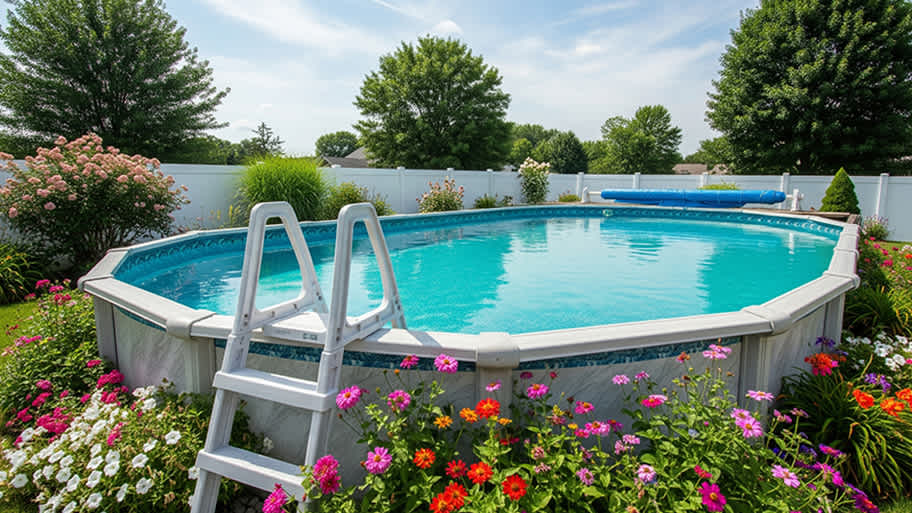
Dreaming of summertime swimming? Find out aboveground pool costs, including prices for materials, fun extras, and professional installation.
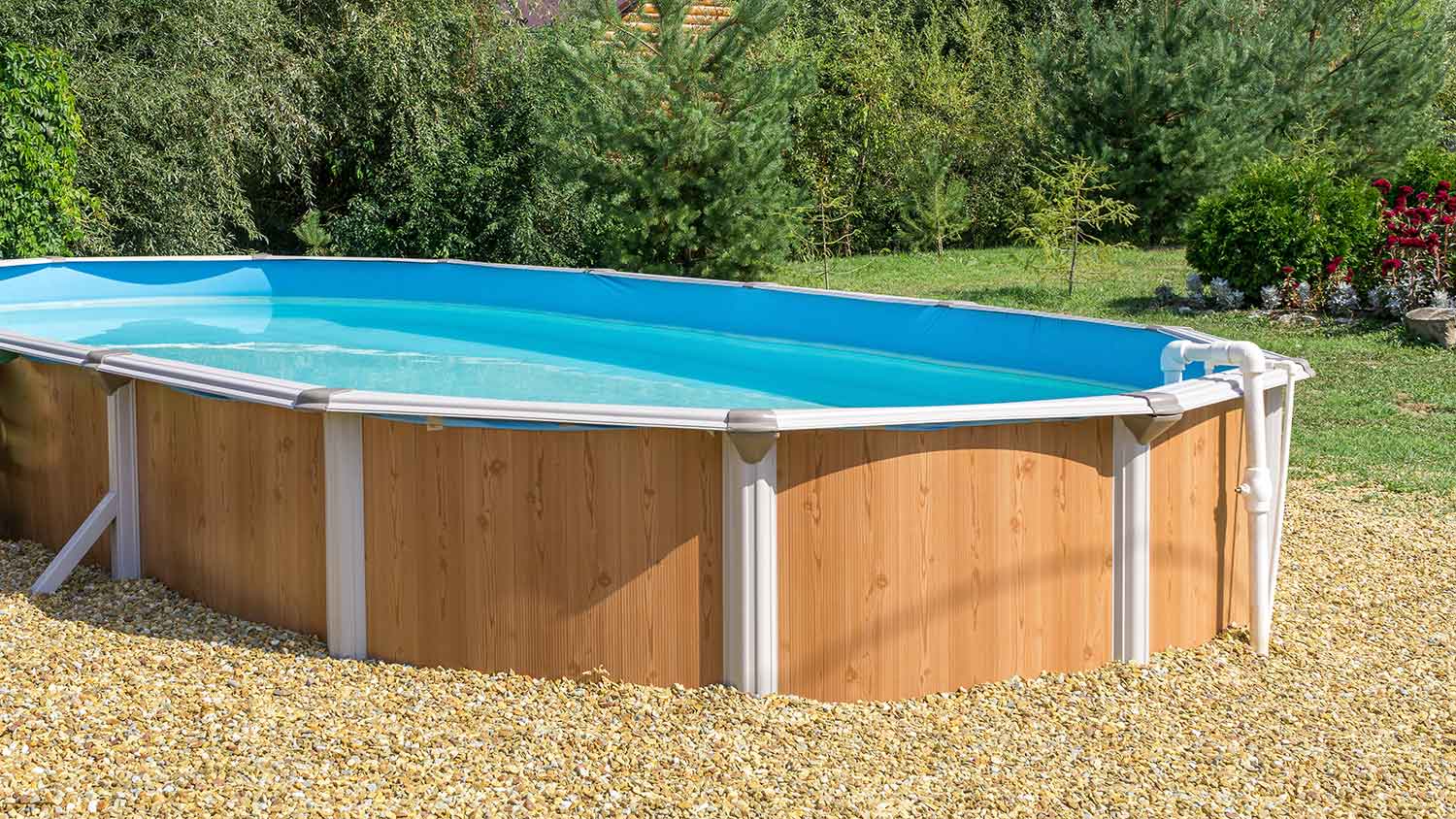
Learn how to hire an above-ground pool installation. Discover questions to ask, qualifications to check, and tips for finding a reputable contractor.
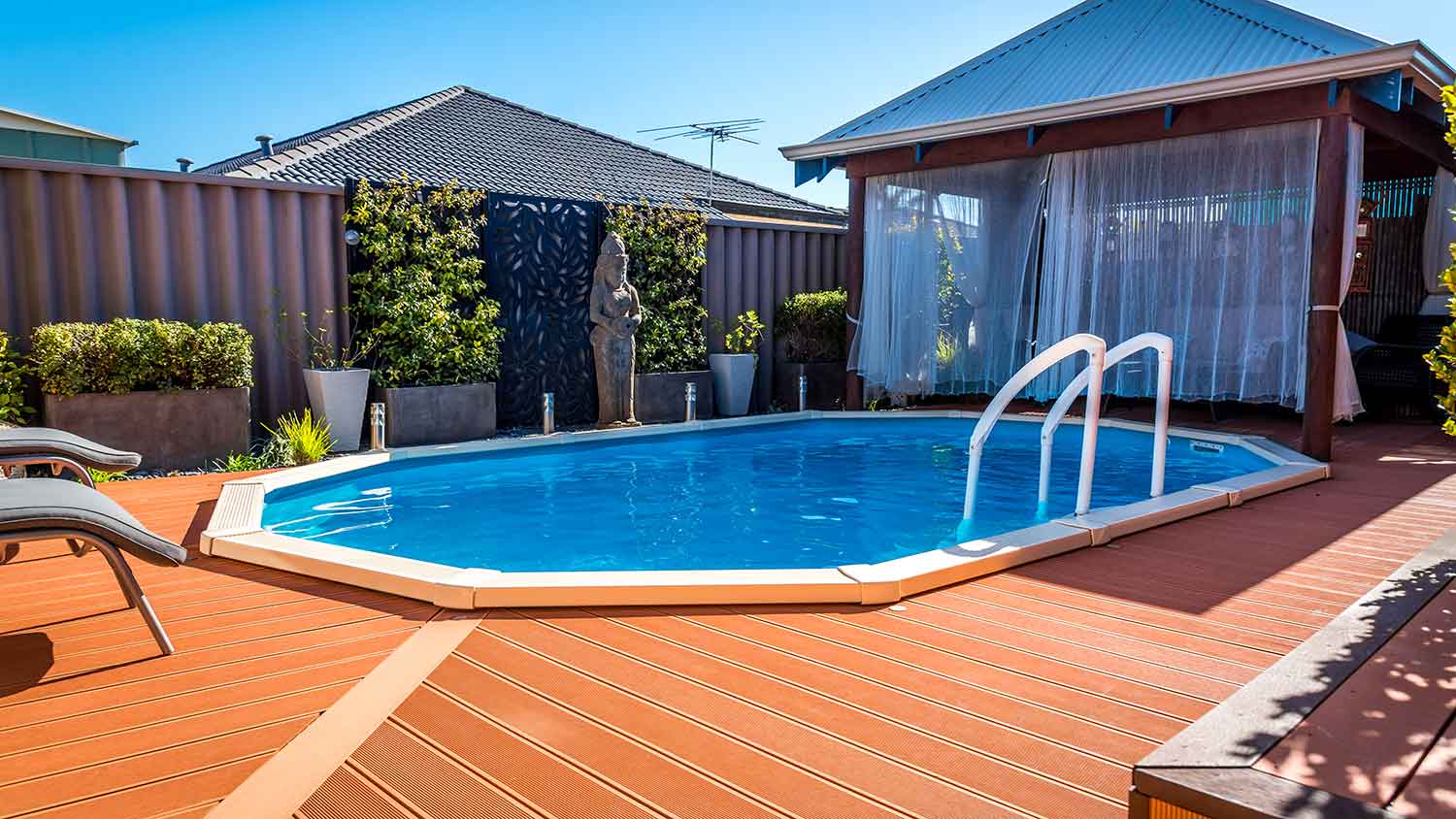
Above ground pools are more affordable than inground pools, so can you put an above ground pool in the ground to save money? Learn when it’s safe to do so.
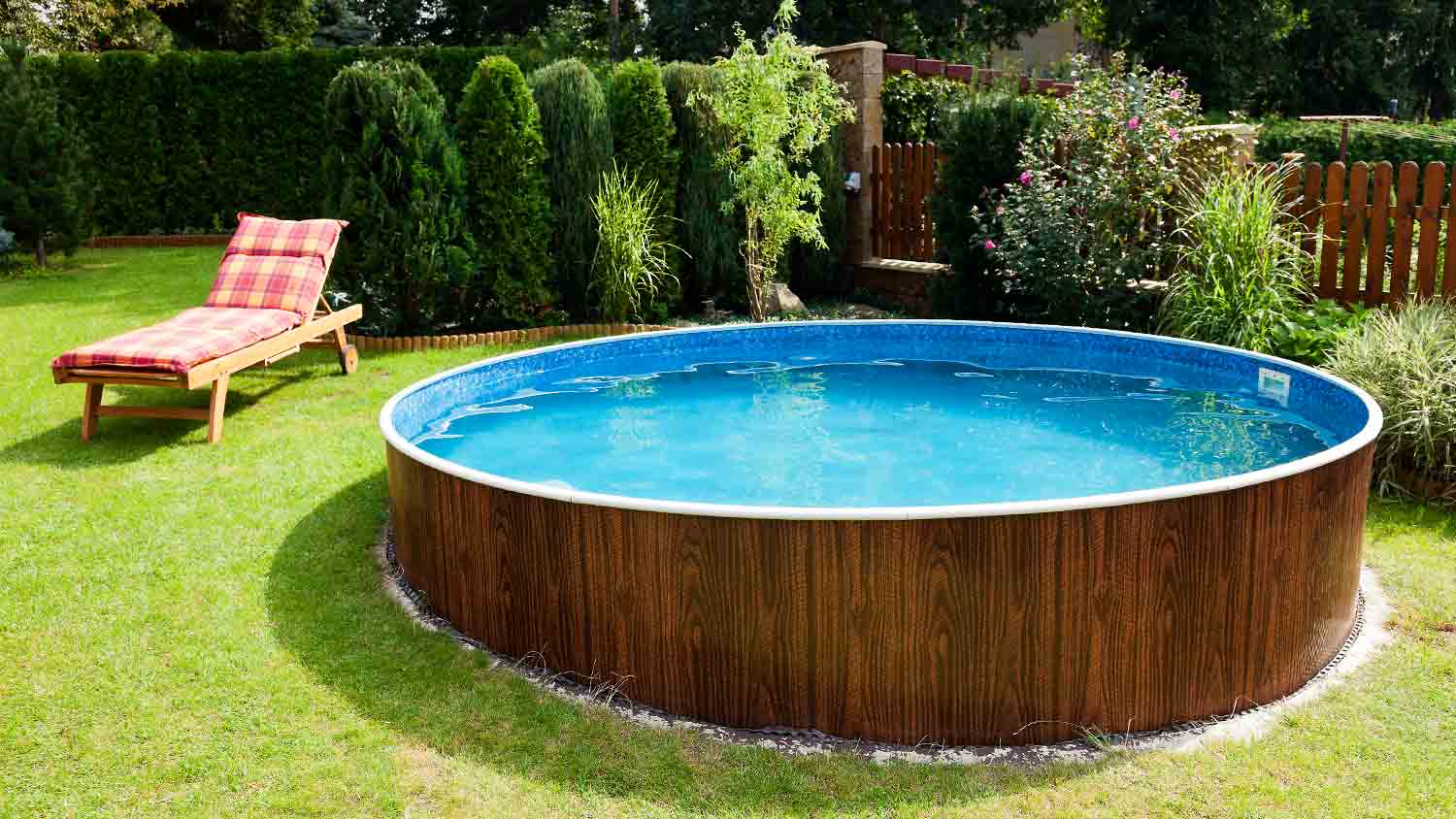
Knowing the size of above-ground pools will help you choose the right one for you. Here are the measurements and types of above-ground pools to know.